Capturing the Human Spirit: A Guide to Pictures of People in New York
Pictures of people in New York offer a raw, unfiltered look into the world’s most iconic urban landscape, ranging from candid street photography to high-fashion portraiture. To capture or find these images effectively, one must navigat...
Pictures of people in New York offer a raw, unfiltered look into the world’s most iconic urban landscape, ranging from candid street photography to high-fashion portraiture. To capture or find these images effectively, one must navigate the city's complex legal landscape, identify high-activity neighborhoods, and utilize specific technical settings optimized for the "canyons" of Manhattan and the vibrant streets of the outer boroughs.
Contents
The Cultural Significance of New York Street Photography
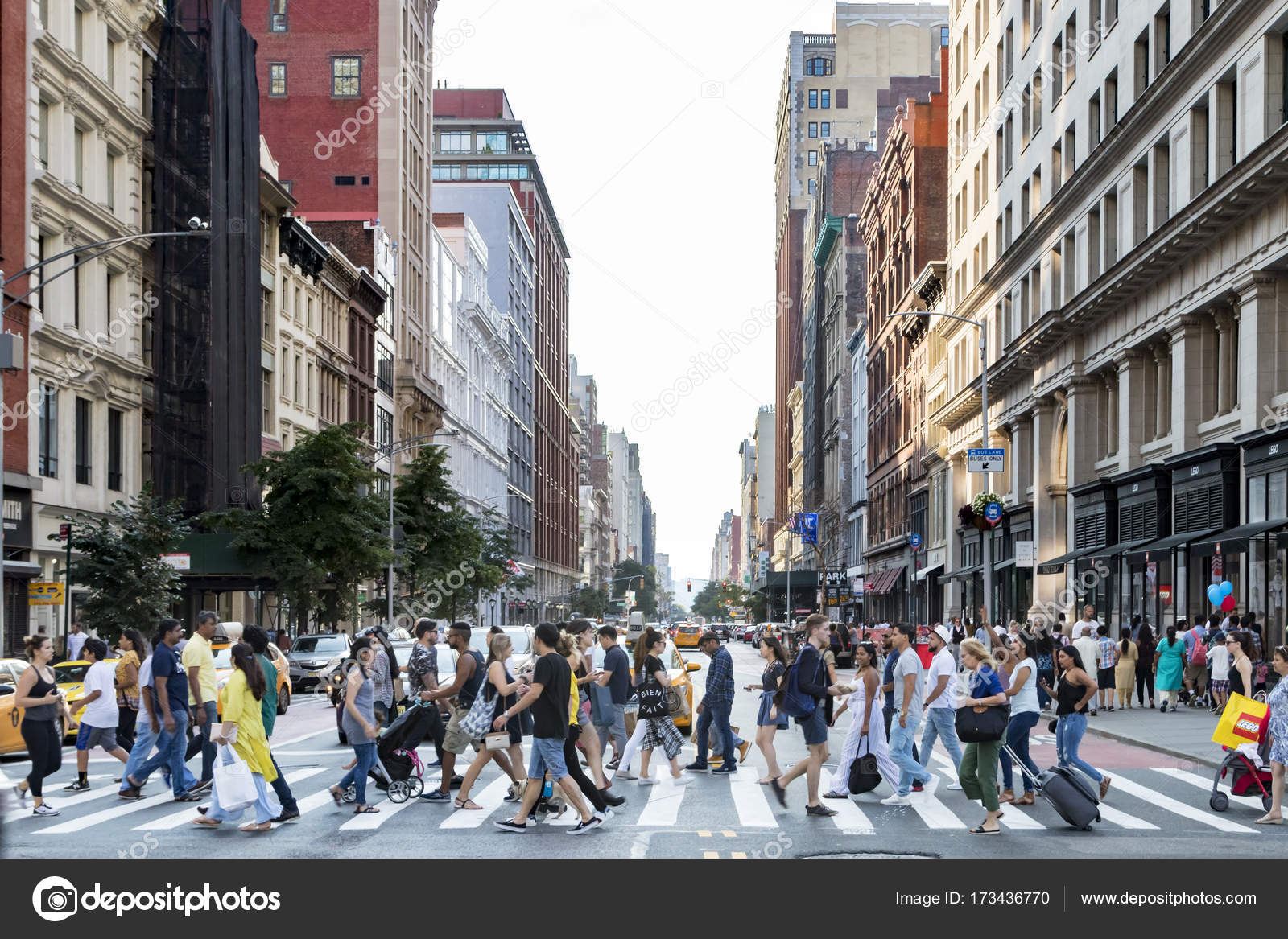
New York City is often cited as the birthplace of modern street photography. For over a century, photographers have been drawn to its crowded sidewalks, subway platforms, and diverse neighborhoods to document the "human condition." Taking pictures of people in New York is more than a creative hobby; it is a form of historical archiving. The city’s inhabitants—a melting pot of commuters, artists, tourists, and lifelong residents—provide an infinite variety of subjects.
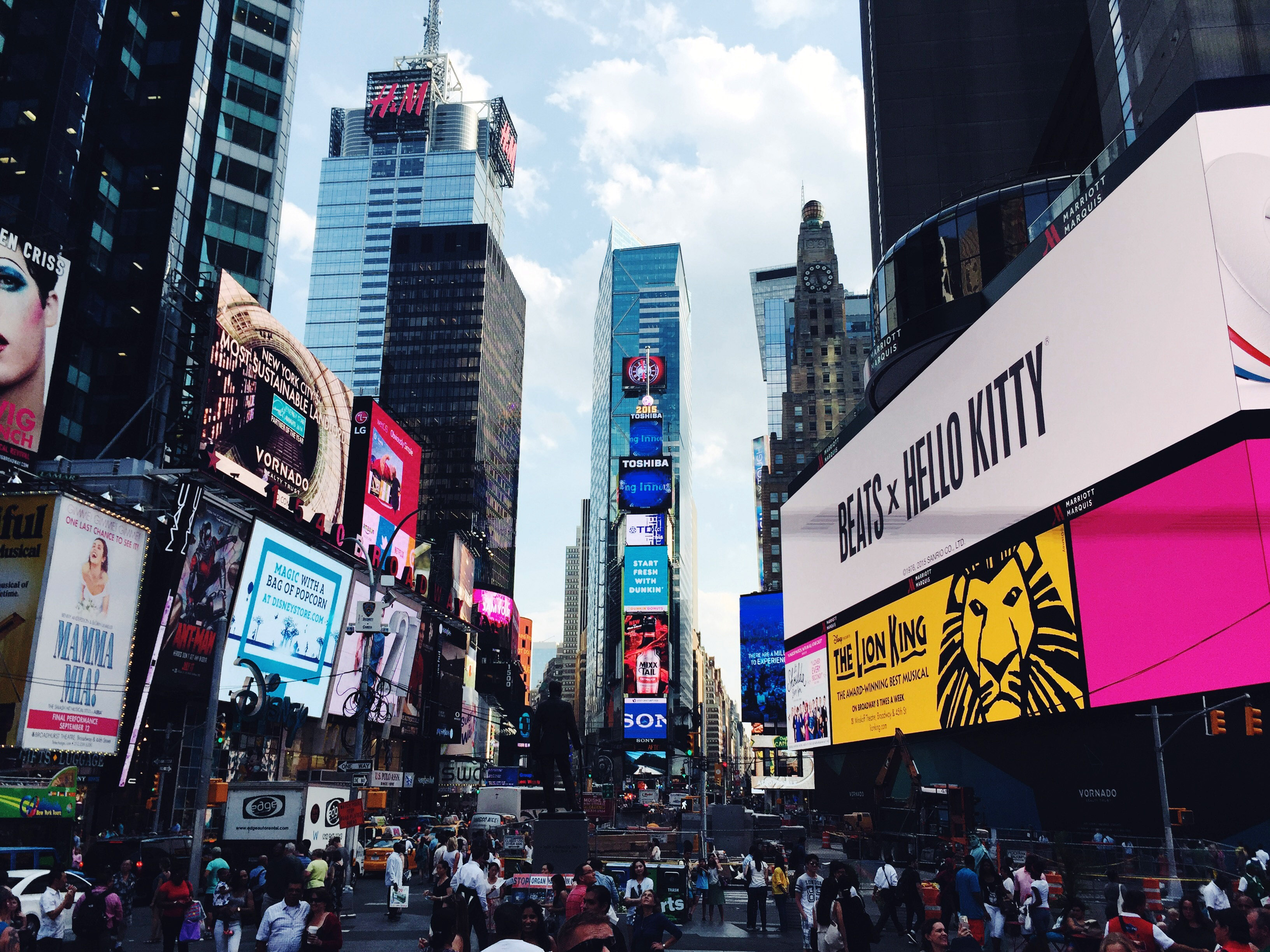
In 2026, the aesthetic of New York photography continues to evolve. While the black-and-white gritty style of the mid-20th century remains a foundational influence, modern imagery often emphasizes the vibrant, neon-soaked colors of a city that never truly sleeps. The interplay of light between skyscrapers creates unique shadows and "God rays" that are specific to the Manhattan grid, making the environment as much a character in the photo as the person being photographed.
The primary challenge for any photographer or researcher looking for these images is the sheer volume of visual noise. Success requires a keen eye for "the decisive moment"—a term coined by Henri Cartier-Bresson—where action, composition, and emotion align perfectly in a single frame.
Legal and Ethical Framework for 2026
When taking pictures of people in New York, understanding the legal boundaries is paramount. New York State law, particularly New York Civil Rights Law Sections 50 and 51, governs the use of a person's likeness.
Public Space and the First Amendment
Generally, in the United States, there is no expectation of privacy in a public space. This means you can legally take photographs of people on public sidewalks, in parks, and in most areas of the subway system (provided you do not use tripods or bulky equipment that obstructs traffic). In 2026, the courts continue to uphold that street photography is a protected form of artistic expression under the First Amendment.
Commercial vs. Editorial Use
The distinction between commercial and editorial use is where many photographers face issues.
- Editorial/Artistic Use: You can generally exhibit photos of people in galleries, sell them as art prints, or include them in news articles and books without a model release.
- Commercial Use: If you intend to use a person's image to sell a product, promote a brand, or as an endorsement, you must obtain a signed model release. Using someone’s face in an advertisement without permission can lead to significant legal penalties and lawsuits under "Right of Publicity" statutes.
Ethical Considerations
Beyond the law, ethical photography is vital for maintaining the "social contract" of the city. Photographing vulnerable populations—such as the unhoused or people in distress—requires a high degree of sensitivity. Many professional photographers in New York advocate for a "human-first" approach, where the dignity of the subject is prioritized over the "clout" of the photograph.
Prime Locations for People Photography in NYC
New York is a collection of villages, each with its own distinct visual language. Choosing the right location is the first step in determining the narrative of your pictures.
1. The Financial District and Wall Street
This area is ideal for capturing the "hustle" of New York. During the morning and evening rush hours, the intersection of Broad and Wall Streets provides a backdrop of sharp suits, hurried movements, and the dramatic architecture of the New York Stock Exchange. The lighting here is notoriously difficult due to the narrow streets, creating high-contrast scenes that work well for dramatic monochrome shots.
2. SoHo (South of Houston Street)
SoHo is the global epicenter for "street style" and fashion photography. On any given afternoon, you will find influencers, models, and fashion enthusiasts posing against the neighborhood's famous cast-iron buildings and cobblestone streets. It is the best place in the city to capture the intersection of architecture and modern apparel.
3. Chinatown and the Lower East Side
For those seeking texture, color, and a sense of history, Chinatown is unmatched. The narrow, winding streets are filled with daily life: fruit vendors, mahjong players in Columbus Park, and the constant movement of the markets. The Lower East Side offers a grittier, more counter-culture vibe, filled with skaters, artists, and nightlife scenes.
4. The New York City Subway
The subway is the great equalizer. Here, you will find billionaires sitting next to buskers. While the Metropolitan Transportation Authority (MTA) allows photography, they prohibit the use of flashes and tripods. The challenge in the subway is the low-light environment and the rapid movement of trains, requiring fast lenses and high ISO capabilities.
5. Coney Island, Brooklyn
For a completely different atmosphere, the Coney Island boardwalk offers a nostalgic, whimsical setting. The "characters" of Coney Island are legendary, especially during the summer months and the annual Mermaid Parade. The open skies provide soft, diffused light that is rare in the cramped quarters of Manhattan.
Technical Specifications for Urban Portraiture
Capturing high-quality pictures of people in New York requires gear that is both capable and discreet. In 2026, the trend has shifted toward smaller, high-performance mirrorless systems that do not draw unwanted attention.
| Feature | Recommended Specification | Reason |
|---|---|---|
| Camera Body | Full-frame Mirrorless | High dynamic range and low-light performance for "canyon" shadows and subways. |
| Lens Focal Length | 35mm or 50mm | These "prime" lenses mimic human vision and encourage the photographer to get closer to the subject. |
| Aperture | f/1.4 to f/2.8 | Allows for "bokeh" (background blur), which helps the subject pop against the busy NYC background. |
| Shutter Speed | 1/500s or faster | Essential for freezing the fast-paced movement of New York pedestrians. |
| ISO Sensitivity | Auto ISO (up to 6400) | Necessary for transitioning quickly between bright sunlight and deep shadows. |
| Storage | High-speed SD/CFexpress | To handle burst modes when capturing fleeting expressions in a crowd. |
How to Find Historical Archives of New Yorkers
If you are looking for pictures of people in New York for research or historical purposes rather than taking them yourself, several institutions maintain world-class digital archives.
- The New York Public Library (NYPL) Digital Collections: Contains hundreds of thousands of digitized items, including the famous Farm Security Administration photos and the works of Berenice Abbott.
- The Museum of the City of New York: This archive focuses specifically on the life and evolution of New Yorkers, offering a chronological look at how the city's inhabitants have changed over centuries.
- The International Center of Photography (ICP): Located in the Lower East Side, the ICP is the leading institution for the study of the photographic image and holds significant collections of New York-based photojournalism.
- The Library of Congress: Their "Prints and Photographs" division contains vital historical records of New York life, including the building of the skyscrapers and the influx of immigrants through Ellis Island.
Common Mistakes to Avoid
- Using a Zoom Lens from Afar: While it might seem safer to take photos from a distance, "paparazzi-style" photography often looks voyeuristic and lacks intimacy. The best pictures of people in New York are usually taken within 5 to 10 feet of the subject.
- Ignoring the Background: New York is cluttered. A great portrait can be ruined by a trash can or a distracting neon sign growing out of a subject's head. Always scan the edges of your frame before pressing the shutter.
- Hesitating: In New York, a "moment" lasts about a fraction of a second. If you stop to think about the settings for too long, the person will have walked past you. Practice "zone focusing" or use fast autofocus tracking to stay ready.
- Over-Editing: Many beginners over-saturate their NYC photos or use heavy HDR. The city has a natural grit and color palette that is usually best served by subtle adjustments to contrast and exposure.
Frequently Asked Questions
Is it legal to take pictures of children in New York public spaces?
Yes, it is legally permissible to take photos of anyone, including children, in public spaces where there is no expectation of privacy. However, this is a highly sensitive area of ethics. Most professional street photographers avoid taking recognizable photos of minors without the explicit or implicit consent of a parent to avoid confrontations and ethical concerns.
Can I sell pictures of people in New York as NFTs or digital art?
In 2026, the market for digital collectibles remains active. Legally, you can sell a street photograph as a work of art (including as an NFT) without a release, as this is considered "artistic use." However, you cannot use that same image to promote a tech platform or a commercial service without permission from the subjects.
What are the best times of day for New York photography?
The "Golden Hour"—the hour after sunrise and the hour before sunset—is spectacular in New York. Because of the "Manhattanhenge" effect (where the sun aligns with the east-west streets), the light can glow between buildings, creating long shadows and a warm hue that is perfect for portraits. "Blue Hour" (just after sunset) is also ideal for capturing the city's artificial lights and the people moving through them.
Do I need a permit to take photos in New York?
For handheld photography or using a single tripod for personal or editorial use, you do not need a permit. However, if you have a large crew, use professional lighting stands, or "assert exclusive use" of a city sidewalk (blocking people from passing), you must apply for a permit through the New York City Mayor's Office of Media and Entertainment.
How do I approach someone for a street portrait?
The most successful method is the "Direct Approach." Smile, make brief eye contact, and say, "Excuse me, I love your [style/hat/vibe], would you mind if I took a quick portrait of you?" Most New Yorkers are surprisingly open to this if you are polite and transparent about your intentions.
Summary of Actionable Steps
To successfully capture or utilize pictures of people in New York, start by defining your objective. If you are a photographer, head to a high-density area like Grand Central Terminal or Union Square to practice your timing. If you are a researcher, utilize the NYPL Digital Collections for verified historical context. Always prioritize the legal distinction between editorial art and commercial advertising to protect yourself from liability. By respecting both the law and the legendary spirit of the city's residents, you can contribute to the rich visual history of New York.
Image Gallery