Understanding Spectrum Monsters: A Comprehensive Guide to Neurodiversity Representation in 2026
Spectrum Monsters are a specialized set of character-based metaphors and educational tools designed to represent the diverse traits, sensory experiences, and emotional states associated with neurodiversity, particularly the Autism Spec...
Spectrum Monsters are a specialized set of character-based metaphors and educational tools designed to represent the diverse traits, sensory experiences, and emotional states associated with neurodiversity, particularly the Autism Spectrum. By anthropomorphizing internal feelings into "monsters," these tools help individuals, educators, and clinicians visualize and communicate complex neurological needs that are otherwise difficult to articulate.
Contents
In 2026, the landscape of neurodiversity support has shifted from purely medical models toward social and identity-based frameworks. Spectrum Monsters have emerged as a primary vehicle for this transition, offering a non-pathologizing way to discuss executive dysfunction, sensory processing, and social communication. Rather than viewing a trait as a "symptom" to be cured, the Spectrum Monster framework treats it as a character with specific needs, strengths, and triggers.
The Origin and Purpose of Spectrum Monsters
The concept of "Spectrum Monsters" originated from a need to bridge the communication gap between neurodivergent individuals and the neurotypical world. Traditional diagnostic criteria—such as those found in the DSM-5 or ICD-11—often focus on external observations of behavior. However, these descriptions rarely capture the internal "felt experience" of the individual.
The primary purpose of these entities is to provide a shared vocabulary. For a child who feels overwhelmed by a crowded room, saying "I feel anxious" might be too abstract. Saying "The Sensory Overload Monster is getting loud" provides a concrete image that both the child and the caregiver can work with. This externalization of the struggle reduces shame and allows for collaborative problem-solving.
Bridging the Gap Between Clinical Labels and Lived Experience
While clinical terms like "Auditory Processing Disorder" or "Hyper-reactivity to sensory input" are precise, they are often alienating. Spectrum Monsters translate these clinical labels into relatable archetypes. This approach is rooted in the "Double Empathy Problem," a psychological theory suggesting that communication breakdowns between autistic and non-autistic people are a two-way street. By using a visual, metaphorical language, both parties can find a middle ground that respects the neurodivergent experience.
Categorizing the Monsters: Understanding Sensory and Emotional Archetypes
In 2026, the Spectrum Monster framework is typically divided into three core categories: Sensory, Executive, and Social. Each category contains several "monsters" that represent different ends of a specific spectrum.
The Sensory Seekers and Avoiders
Sensory processing is perhaps the most common area where Spectrum Monsters are applied. These characters help distinguish between "Hypersensitivity" (avoiding) and "Hyposensitivity" (seeking).
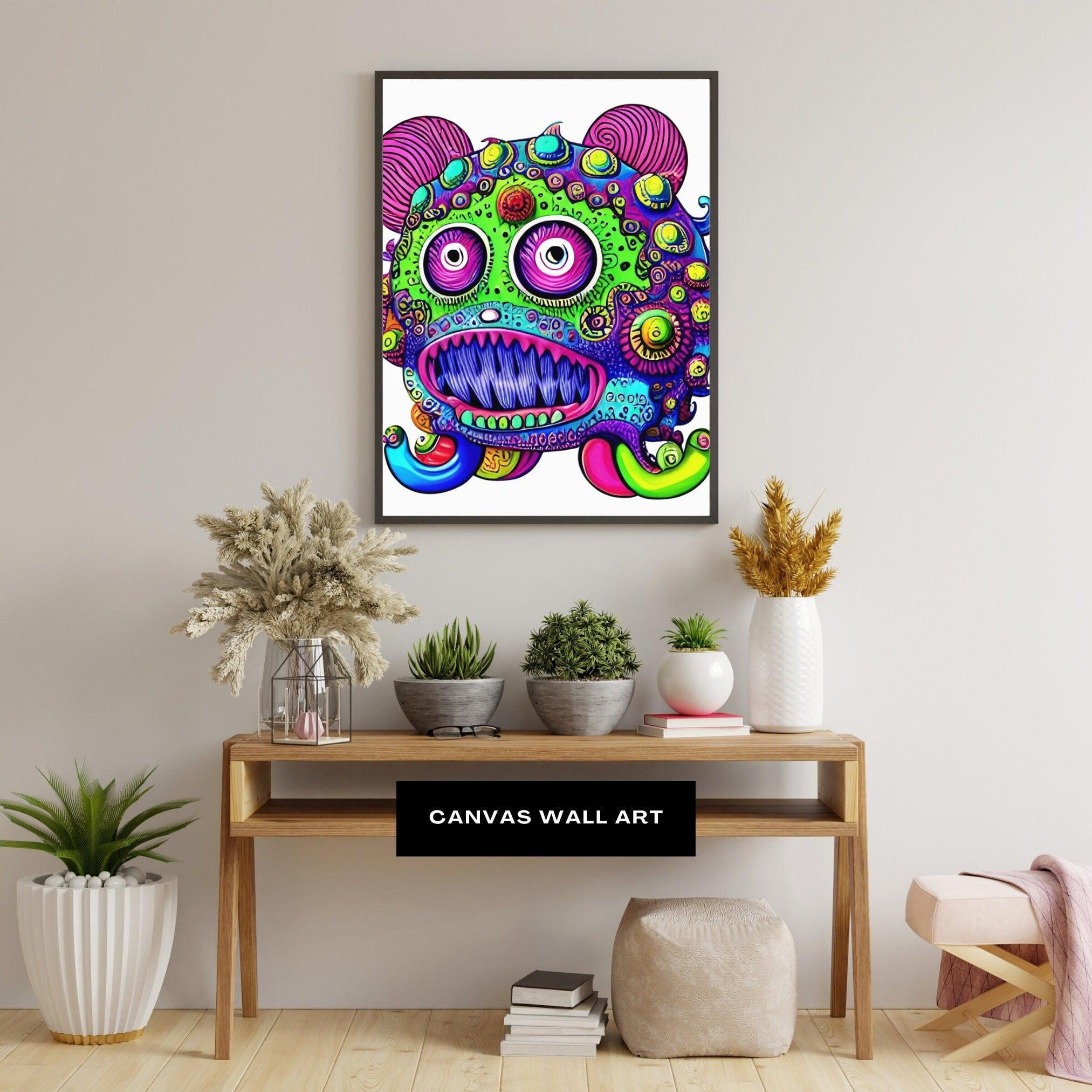
- The Overload Beast: This monster represents the feeling of sensory flooding. It grows larger and more aggressive in bright lights or loud environments. The goal for a user is not to "kill" the beast, but to soothe it using "Sensory Shields" like noise-canceling headphones.
- The Fog Phantom: Representing hyposensitivity, this monster makes the world feel distant and muted. A person dealing with the Fog Phantom might need "heavy work" or high-intensity sensory input (like weighted blankets or spinning) to feel grounded.
Executive Functioning Avatars
Executive function refers to the brain's ability to manage tasks, time, and focus. In the Spectrum Monster universe, these challenges are often depicted as mischievous creatures that interfere with the "Internal Pilot."
- The Procrastination Pixie: This character doesn't just represent laziness; it represents the "wall of awful"—the genuine neurological inability to initiate a task due to overwhelm.
- The Detail Demon: This monster represents hyper-focus. While it can be a strength (allowing for deep dives into special interests), it can also make it impossible for the individual to transition to a new task.
Implementation in Educational and Therapeutic Settings
As of 2026, many inclusive classrooms and occupational therapy clinics have integrated Spectrum Monster protocols into their daily routines. The methodology relies on "externalization," a technique used in Narrative Therapy to separate the person from the problem.
Classroom Integration Strategies
Teachers use Spectrum Monster posters and "Check-in Boards" to allow students to communicate their needs without needing to speak. A student might place a "Need for Space" monster card on their desk, signaling to the teacher that they are approaching a meltdown and require a break. This reduces the cognitive load on the student and prevents behavioral escalations.
Use in Cognitive Behavioral Therapy (CBT)
In therapeutic settings, Spectrum Monsters are used to map out triggers. A therapist might ask a client to draw what their "Social Anxiety Monster" looks like. Does it have many eyes? Is it heavy? By defining the monster’s "stats" (what makes it grow, what makes it shrink), the client gains a sense of agency over their neurological responses.
Accessing and Using Spectrum Monster Resources in 2026
Accessing these tools has become streamlined through digital and physical kits. Most reputable organizations provide these under creative commons or through specific professional licensing for schools.
| Resource Type | Intended Audience | Primary Goal | Delivery Format |
|---|---|---|---|
| Foundation Kit | Parents & Caregivers | Basic communication and home regulation. | Physical cards & PDF guides. |
| Clinical Toolkit | Therapists & Psychologists | Diagnostic support and therapeutic mapping. | Digital interactive software. |
| Educator’s Expansion | K-12 Teachers | Classroom management and peer empathy. | Large-scale posters & lesson plans. |
| Self-Advocacy Pack | Neurodivergent Adults | Workplace accommodations and self-reflection. | Mobile app & digital widgets. |
Requirements for Effective Use
To implement these tools successfully, users should adhere to the following prerequisites:
- Non-Pathologizing Language: The monsters should never be used as a threat (e.g., "Don't let the Anger Monster out"). They are neutral representations of traits.
- Individualization: Every neurodivergent person is different. A "monster" that represents one person's experience may not fit another's. Customization is key.
- Collaborative Definition: The user (especially if they are a child) must be the one to define the monster’s characteristics.
Comparing Spectrum Monsters to Traditional Frameworks
It is helpful to understand how Spectrum Monsters differ from older, more rigid systems of communication like basic PECS (Picture Exchange Communication System) or standard IEP (Individualized Education Program) goal-tracking.
While PECS is excellent for functional communication (requesting items), it often lacks the nuance required for emotional or sensory regulation. Spectrum Monsters fill this gap by addressing the internal state rather than just the external need.
Common Misconceptions and Ethical Considerations
Despite their popularity in 2026, there are several misconceptions regarding Spectrum Monsters that require clarification.
"Are the monsters just for children?" While the visual style is often "friendly," the underlying framework is used by many neurodivergent adults. For adults, the monsters serve as a shorthand for communicating complex needs to partners or employers without having to give a medical lecture.
"Do they encourage 'bad' behavior?" Critics sometimes argue that blaming a "monster" removes personal responsibility. However, experts in neuro-affirming care argue the opposite: by identifying the "monster" (the neurological trigger), the individual can finally take responsibility for the management of that trigger, rather than just feeling guilty for the existence of it.
Professional Advice Limitation
The Spectrum Monster framework is an educational and communication tool, not a medical diagnostic system. If you or a loved one are experiencing significant distress, mental health challenges, or require a formal diagnosis, please consult a licensed neuropsychologist or medical professional specializing in neurodivergent care.
Troubleshooting: When the Monsters Aren't Working
If a student or child is not responding to the Spectrum Monster framework, consider the following common issues:
- Literal Interpretation: Some individuals with high literalism may find the "monster" metaphor confusing or even frightening. In these cases, using more abstract shapes or color-coded zones (like the "Zones of Regulation") may be more effective.
- Over-Simplification: If the monsters are used to "pigeonhole" someone into a single trait, they lose their efficacy. Remember that a person can be visited by multiple monsters at once (e.g., the Overload Beast and the Procrastination Pixie often travel together).
- Lack of Actionable Steps: Identifying the monster is only half the battle. Each character must be paired with a "Monster Tamer"—a specific coping strategy or accommodation that helps manage that trait.
Next Actions for Implementation
To begin using the Spectrum Monster framework in 2026, follow these steps:
- Identify the Primary Conflict: Determine if the struggle is sensory, executive, or social.
- Select or Create a Character: Choose a monster that resonates with that specific feeling. If a pre-made one doesn't fit, draw a new one.
- Define the "Taming" Strategy: For every monster identified, list three things that help it feel calm or manageable.
- Establish a Shared Signal: Ensure everyone in the environment (home, school, or office) knows what it means when that monster is mentioned.
By moving away from "fixing" neurodivergence and toward "understanding" it through these character-driven tools, we create a more inclusive and empathetic society for all types of brains.
Frequently Asked Questions
Can Spectrum Monsters be used for ADHD as well as Autism?
Yes. While the term "Spectrum" often refers to Autism, the "Spectrum Monster" framework in 2026 is widely applied across the entire neurodiversity umbrella, including ADHD, Dyslexia, and Tourette Syndrome. Any condition that involves distinct sensory or executive functioning traits can benefit from this metaphorical approach.
Are there official Spectrum Monster designs I should use?
While there are several popular "official" sets created by artists and therapists, the most effective monsters are often the ones created or customized by the individual. The power of the tool lies in the personal connection to the metaphor, not a specific trademarked design.
How do I explain Spectrum Monsters to a neurotypical person?
Explain that the monsters are like "internal weather reports." Just as a storm isn't a person's "fault" but something they have to prepare for with an umbrella, a Spectrum Monster is a neurological state that requires specific tools to manage.
At what age should we start using these tools?
They can be introduced as early as age 3 or 4, provided the child has a basic understanding of metaphors. However, they are equally useful for teenagers and adults who are looking for ways to advocate for their needs in higher education or the workplace.
Is there a cost associated with these resources?
Many basic versions and community-created monsters are available for free online through neuro-affirming blogs and resource centers. Premium "toolkits" that include apps and durable classroom materials typically range from $30 to $150 depending on the complexity of the materials.
Image Gallery