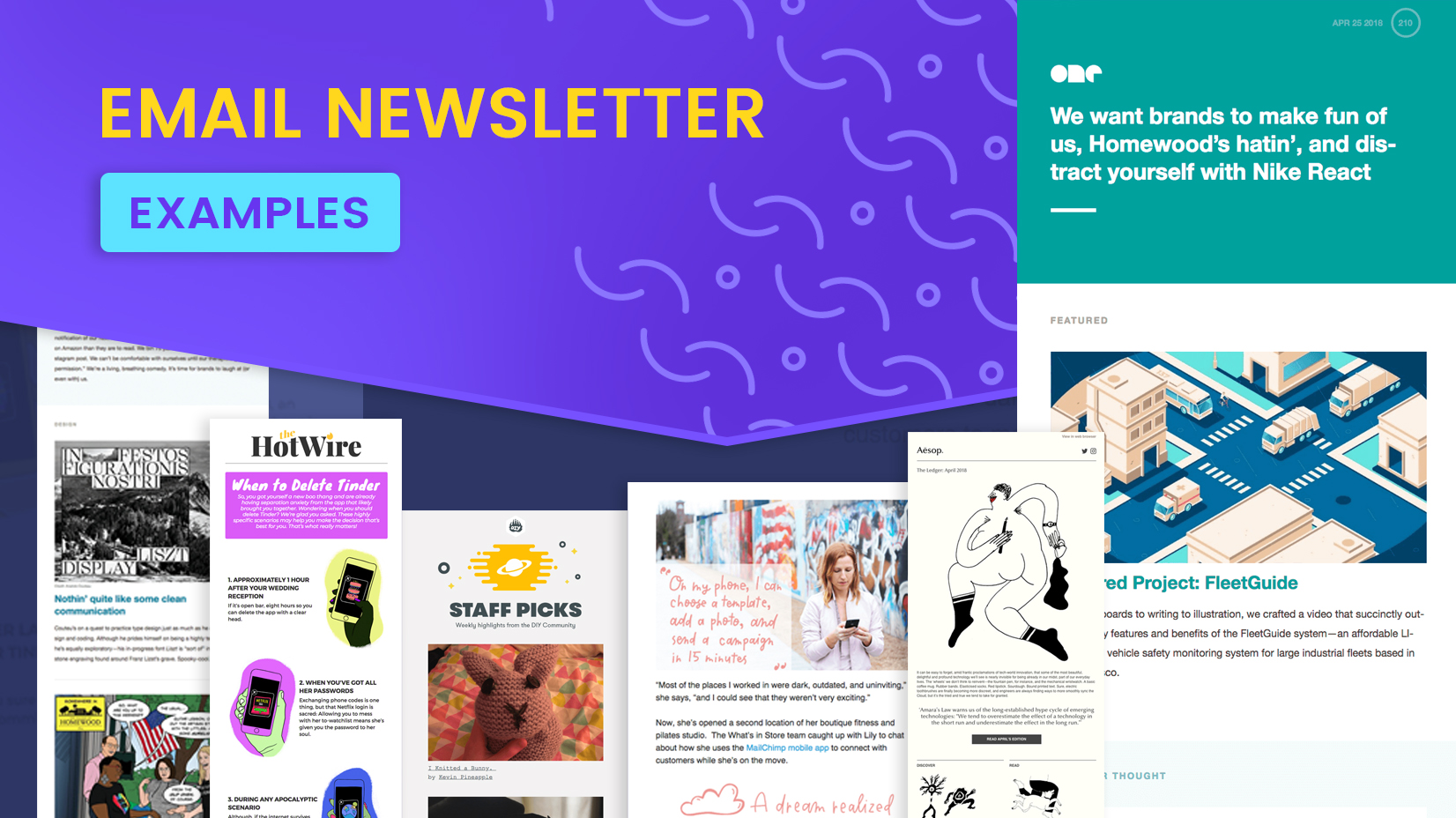
How to Build a Technical Analysis Newsletter: A Professional Framework
Building a technical analysis newsletter requires a rigorous blend of market discipline, data visualization proficiency, and consistent editorial standards. Success depends on delivering actionable, chart-based insights that help your...
Building a technical analysis newsletter requires a rigorous blend of market discipline, data visualization proficiency, and consistent editorial standards. Success depends on delivering actionable, chart-based insights that help your subscribers navigate market trends, volatility, and price action while maintaining a professional distance from speculative noise.
Contents
To build a high-quality technical analysis (TA) newsletter, you must first define your specific niche, such as equities, commodities, or cryptocurrency, and select a reliable data provider for your charting software. Success involves establishing a standardized template for every issue, ensuring technical indicators are explained clearly, and strictly adhering to a publishing schedule. You will also need to navigate regulatory considerations regarding financial advice and build a distribution strategy that prioritizes high-signal content over hyperbole.
Establishing Your Analytical Framework
Before you write your first issue, you must establish a repeatable methodology. A technical analysis newsletter is valued for its consistency; subscribers should know exactly what to expect when they open your email.
Choosing Your Technical Toolkit
Your choice of charting software and data feed is the foundation of your newsletter. Industry-standard platforms like TradingView or Bloomberg Terminal are common for retail and professional analysts, respectively. When choosing, consider:
- Data Reliability: Ensure the feed includes real-time or delayed data that matches the liquidity of the assets you cover.
- Visual Clarity: Your charts must be exportable in high resolution. Avoid cluttered indicators; a clean chart with well-marked support and resistance levels is often more valuable than one layered with dozens of lagging indicators.
- Annotation Capabilities: You will need tools to draw trendlines, Fibonacci retracements, and volume profiles that are easy for readers to interpret.
Defining Your Edge
The market is saturated with generic commentary. To succeed in 2026, your newsletter must provide a unique perspective. This does not mean guessing market direction; it means applying a consistent framework. Decide whether you are a trend follower, a mean-reversion analyst, or a volume-price action specialist. Document your methodology so you can explain your "Why" to your audience. If you use Relative Strength Index (RSI) to identify overbought conditions, clarify the parameters (e.g., standard 14-day settings) so your readers can replicate your analysis.
Operational Workflow for Newsletter Production
A professional newsletter follows a structured pipeline: data gathering, analysis, visual preparation, and drafting.
- Selection: Choose 3–5 assets to analyze each week. Avoid covering too many, as this dilutes the depth of your insight.
- Chart Construction: Apply your indicators. Mark key levels (S/R) and note significant volume anomalies.
- Drafting the Narrative: Write the "Analysis" section. Frame your commentary around the price structure, not personal opinion. Use objective language: "If price breaks above X, the next resistance is at Y" rather than "I think the market will go up."
- Review: Ensure that the charts accurately reflect the levels discussed in the text. Cross-reference the dates and prices to avoid inaccuracies.
| Component | Purpose | Frequency |
|---|---|---|
| Market Overview | Summary of broad indices | Every issue |
| Asset Spotlight | Deep dive into specific tickers | 2–3 per issue |
| Educational Corner | Explaining a technical concept | Rotating |
| Risk Management | Reminders on position sizing | Every issue |
Managing Regulatory and Ethical Constraints
As an analyst, you must be transparent about the nature of your content. Most jurisdictions have strict rules governing "investment advice." If your newsletter provides general market information, you must distinguish it from personalized financial advice.
Include a clear disclaimer at the bottom of every email. State that your analysis is for educational and informational purposes only and does not constitute a recommendation to buy or sell securities. In 2026, regulatory bodies remain focused on the transparency of financial influencers; keep a record of your disclaimers and ensure they are prominent. If you hold positions in the assets you analyze, you are ethically obligated—and often legally required—to disclose those holdings. Full disclosure builds trust and protects your brand from accusations of bias.
Distribution and Audience Engagement
The growth of your newsletter depends on building a community that values technical discipline.
Content Strategy
Focus on high-signal content. Avoid sensationalist headlines or "guaranteed" price targets. Instead, focus on scenarios. When a reader learns how you identified a breakout, they become a more loyal subscriber.
Technical Delivery
Use a dedicated email service provider (ESP) that supports high-resolution image embedding. Your charts are your primary product; if they appear blurry or distorted, the value of the newsletter drops. Test your email templates on both desktop and mobile devices to ensure that charts and text maintain their formatting.
Growth Tactics
- Educational Content: Offer a free guide on how to read your charts.
- Consistency: Send your newsletter at the same time each week. Readers appreciate reliability, especially when volatile markets make timely updates critical.
- Feedback Loops: Periodically ask your audience which assets they want to see covered. This increases engagement and ensures your output remains relevant to your subscribers' portfolios.
Common Pitfalls to Avoid
- Over-analyzing: Do not try to analyze every single movement. Focus on structural changes in price.
- Ignoring Risk Management: A technical analyst who ignores position sizing and stop-loss placement is neglecting the most important aspect of trading. Always reinforce that technical analysis is a tool for probability, not certainty.
- Complexity Trap: Adding too many indicators will confuse your readers. Stick to a "less is more" approach. If an indicator does not clearly confirm a trend or a level, remove it.
Frequently Asked Questions
Is it necessary to have professional certifications to write a technical analysis newsletter? While credentials such as the Chartered Market Technician (CMT) designation add significant credibility, they are not strictly required for independent publishing. However, having formal training helps ensure your methodology is sound and aligns with recognized industry standards.
How do I handle market predictions that turn out to be incorrect? Never double down on a failed trade. Own the miss, explain where the structural breakdown occurred, and pivot to the next opportunity. Transparency regarding errors establishes you as a credible analyst who understands that technical analysis is about managing probabilities, not predicting the future with 100% accuracy.
What is the best way to handle subscriber feedback? Monitor your open and click-through rates to see which assets generate the most interest. If you receive specific questions about technical setups, consider using the "Educational Corner" of your next issue to address the concept, rather than providing one-on-one advice.
How often should I update my methodology? Review your strategy annually. Market regimes change; what worked in a low-volatility environment may not perform as well in a high-volatility one. Adapt your indicators to the current market environment while maintaining the core principles of your analysis.
Next Steps for Launch
To begin, finalize your niche by selecting the asset classes you understand best. Create a pilot issue covering the current week’s market activity, ensuring you have documented your methodology. Set up a professional email infrastructure, confirm your legal disclaimers with a qualified professional, and establish a recurring schedule. By prioritizing chart clarity, consistent methodology, and transparent disclosures, you will establish a sustainable and professional technical analysis newsletter.
Image Gallery