Jennifer Lopez on the Cover of Vanity Fair: A Legacy of Cultural Iconography
Jennifer Lopez has appeared on the cover of Vanity Fair multiple times throughout her career, with her most definitive solo covers appearing in 1999, 2001, 2011, and the dual 2017 cover with Alex Rodriguez. These appearances serve as p...
Jennifer Lopez has appeared on the cover of Vanity Fair multiple times throughout her career, with her most definitive solo covers appearing in 1999, 2001, 2011, and the dual 2017 cover with Alex Rodriguez. These appearances serve as professional milestones that chronicle her evolution from a rising movie star to a global multi-hyphenate mogul and cultural icon.
Contents
For over three decades, Vanity Fair has served as the definitive chronicle of American celebrity, and few figures have navigated its glossy pages with as much consistency or impact as Jennifer Lopez. Often referred to by her moniker, J.Lo, her relationship with the magazine is more than just a series of photo shoots; it is a visual and narrative record of her resilience, her romantic public image, and her unmatched business acumen. As of 2026, looking back at these covers provides a masterclass in celebrity branding and the art of the "re-introduction."
The 1999 Breakthrough: "The Age of J.Lo"
The February 1999 cover of Vanity Fair remains one of the most significant moments in Lopez's early career. Photographed by the legendary Annie Leibovitz, this issue arrived at a critical juncture. Lopez had already achieved critical acclaim for her role in Selena (1997) and Out of Sight (1998), but she was on the precipice of launching her debut album, On the 6.
In this cover story, titled "The Age of J.Lo," the magazine positioned her not just as a talented actress, but as a "triple threat" who was about to redefine the entertainment landscape. The imagery was classic Leibovitz—statuesque, powerful, and undeniably glamorous. At the time, the interview addressed the burgeoning "diva" reputation that the media had begun to project onto her, a narrative she would spend much of the next two decades navigating. This cover was the industry’s formal acknowledgment that Lopez was no longer a newcomer; she was a force of nature.
Key Cultural Impacts of the 1999 Cover
- Mainstream Validation: It solidified her status as a "Type A" celebrity, capable of carrying both a film and a fashion narrative.
- The Rise of the Latin Icon: It marked a pivotal moment in the "Latin Explosion" of the late 90s, alongside artists like Ricky Martin and Marc Anthony.
- The Aesthetic Shift: It moved her image away from the "Fly Girl" dancer roots into the realm of high-fashion editorial.
The 2011 "Post-Breakup" Revelation
Perhaps the most emotionally resonant of her Vanity Fair appearances was the September 2011 cover. Photographed by Mario Testino, this issue followed her highly publicized split from husband Marc Anthony. For a celebrity whose personal life has often been as much a part of her brand as her professional work, this interview was a masterstroke in PR and personal vulnerability.
Lopez used the platform to discuss her philosophy on love and the difficulties of balancing a demanding career with motherhood and marriage. The imagery was starkly different from the 1999 shoot; it was softer, sun-drenched, and focused on her resilience. This cover coincided with her career "re-birth" as a judge on American Idol, which introduced her to a whole new generation of fans and softened her public image.
The 2017 Power Couple Era (J-Rod)
In December 2017, Lopez returned to the cover, but this time she shared the spotlight with her then-partner, Alex Rodriguez. Again shot by Mario Testino, the "J-Rod" cover became an instant viral sensation. It depicted a highly curated, sophisticated version of the couple, emphasizing their shared drive, business interests, and blended family life.
The 2017 feature was significant because it moved the narrative away from J.Lo the "performer" and toward J.Lo the "mogul." The article detailed their morning routines, their investment strategies, and their mutual ambition. While the relationship eventually ended, the cover remains a testament to Lopez's ability to utilize Vanity Fair to frame her life stages with cinematic precision.
The 2020 Hollywood Issue and Artistic Longevity
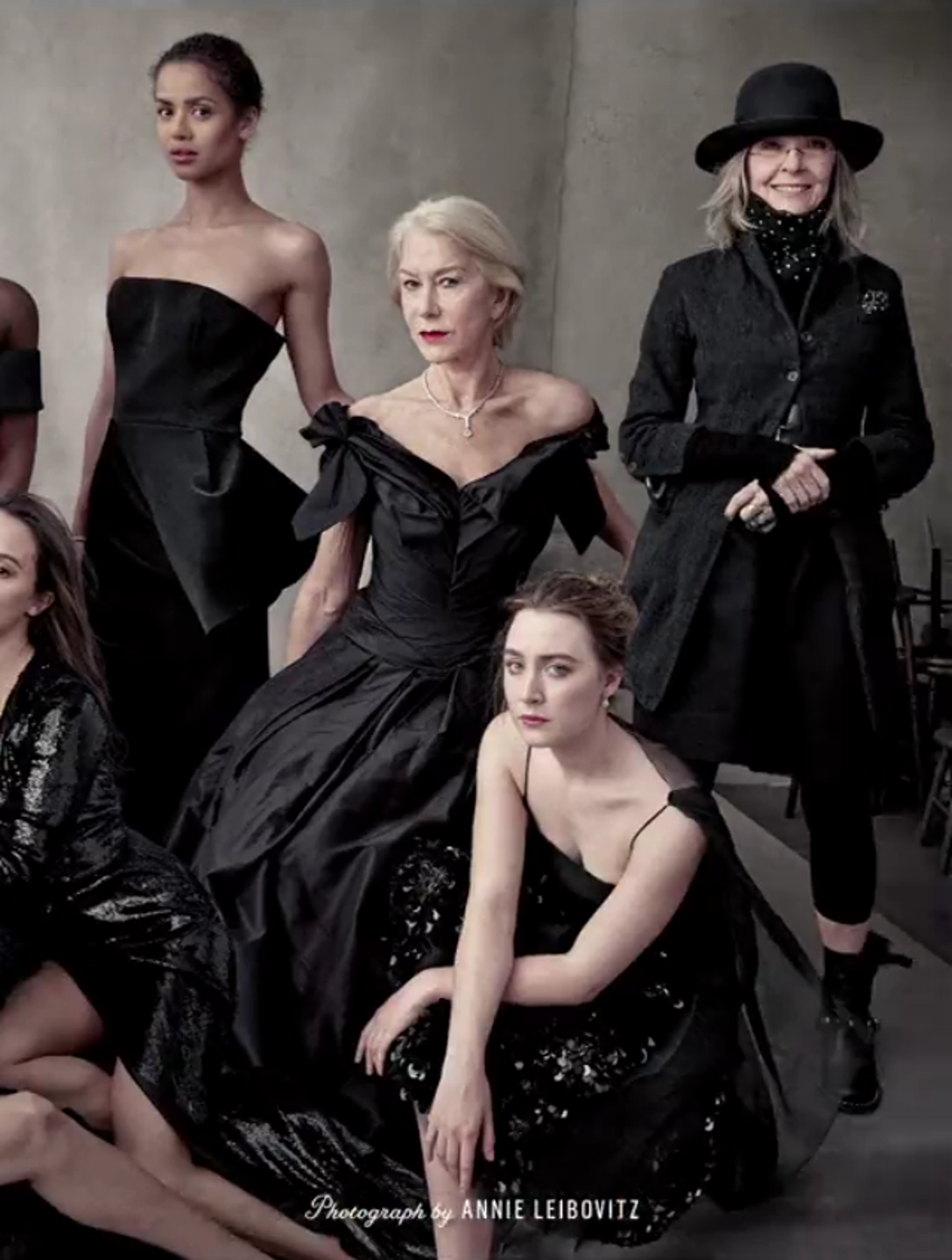
Lopez has also been a staple of the prestigious Vanity Fair "Hollywood Issue," most notably in March 2020. Featured on the cover alongside stars like Eddie Murphy and Renée Zellweger, this appearance followed her critically acclaimed performance in Hustlers.
The 2020 issue was symbolic of her "Oscar-adjacent" era, where her peers and the industry at large finally gave her the acting accolades that many felt were long overdue. The photography, handled by Ethan James Green, took a more avant-garde, artistic approach, moving away from the traditional glamour of previous decades and focusing on the gravitas of a veteran artist.
Comparing the Major Vanity Fair Covers
The following table outlines the progression of Jennifer Lopez's relationship with Vanity Fair, highlighting the shifting themes of each major appearance.
| Year | Month | Photographer | Primary Theme/Context | Cultural Significance |
|---|---|---|---|---|
| 1999 | February | Annie Leibovitz | The "Triple Threat" Debut | Transition from actress to global superstar. |
| 2001 | June | Herb Ritts | Summer Stardom | Peak "J.Lo" era; following The Wedding Planner. |
| 2011 | September | Mario Testino | Resilience and Romance | The "re-introduction" after separating from Marc Anthony. |
| 2017 | December | Mario Testino | The Power Couple / Mogul Status | Highlighting her business savvy and relationship with A-Rod. |
| 2020 | March | Ethan James Green | Artistic Validation | The Hollywood Issue; celebrating her Hustlers success. |
The Artistry Behind the Lens
One cannot discuss Jennifer Lopez’s Vanity Fair covers without acknowledging the photographers. The magazine has consistently paired her with the world’s most renowned image-makers, each bringing a different facet of her personality to the light.
- Annie Leibovitz (1999): Captured the raw, statuesque power of a woman about to conquer multiple industries.
- Herb Ritts (2001): Focused on her classical beauty and the "Golden Age of Hollywood" glamour that Lopez has always emulated.
- Mario Testino (2011, 2017): Brought a sense of warmth, intimacy, and high-society luxury to her shoots. Testino’s work with Lopez often feels like a glimpse into a very expensive, very beautiful private life.
- Ethan James Green (2020): Stripped away the "diva" artifice to show the experienced, seasoned actress beneath the pop star exterior.
Why These Covers Matter for SEO and Brand Legacy
For researchers and fans in 2026, these covers serve as a primary source for understanding celebrity culture in the early 21st century. They are not merely magazines; they are historical records of how we viewed fame, race, and femininity. Lopez’s ability to remain relevant across four different decades of Vanity Fair covers is a feat matched by very few, such as Madonna or Julia Roberts.
From a technical perspective, these covers generate significant "long-tail" search traffic. Fans often search for specific "J.Lo Vanity Fair" eras to find fashion inspiration, makeup references, or to revisit the specific long-form interviews that define her public record.
Frequently Asked Questions
Which is considered the most famous J.Lo Vanity Fair cover?
While the 1999 "Age of J.Lo" cover is the most historically significant for her career trajectory, the 2017 "J-Rod" cover with Alex Rodriguez remains the most discussed in terms of modern social media impact and celebrity branding.
Who has photographed Jennifer Lopez the most for Vanity Fair?
Mario Testino has been a frequent collaborator for her major feature covers, including the pivotal 2011 "post-breakup" issue and the 2017 couple feature. His style is often credited with helping define the "luxury" aspect of the J.Lo brand.
Are these Vanity Fair issues still available for purchase?
Physical copies of vintage Vanity Fair issues featuring Jennifer Lopez are highly collectible and are often found on secondary markets like eBay or through specialty vintage magazine dealers. However, the full interviews and high-resolution photo galleries are typically available to Vanity Fair digital subscribers through their online archive.
Did Jennifer Lopez ever appear on a Vanity Fair cover with her children?
While she has done family-centric shoots for other publications (like People or Vogue), her Vanity Fair covers have traditionally focused on her as an individual artist, a romantic partner, or a member of the Hollywood elite.
What was the main revelation of the 2011 Vanity Fair interview?
In the 2011 interview, Lopez famously stated, "Sometimes it doesn't work—and that's sad. But I remain an eternal optimist about love." This quote became a defining sentiment for her public persona during the 2010s.
Practical Next Steps for Collectors and Fans
If you are looking to source these specific covers for a collection or research project, the following steps are recommended:
- Check the Digital Archive: Use the official Vanity Fair website to access the "VF Archive." This allows you to read the original text of the 1999 and 2011 interviews, which provide deep context into her mindset at those times.
- Verify Authenticity: When buying physical copies (especially the 1999 Leibovitz cover), ensure the "mailing label" area is clean if you are looking for "newsstand quality," as this significantly affects the value.
- Cross-Reference with the "Hollywood Issues": Don't overlook the group covers. The 2020 Hollywood Issue is particularly important for those studying her filmography and her standing among other A-list actors.
Jennifer Lopez’s history with Vanity Fair is a testament to the power of high-end editorial journalism in shaping a star's legacy. Each cover represents a chapter in a story of constant reinvention and enduring relevance.
Image Gallery