The Iconography of the George Clooney Headshot in Modern Media
The George Clooney headshot remains one of the most recognizable and influential visual assets in the global entertainment industry. In 2026, these images serve as the definitive benchmark for "Old Hollywood" charm blended with modern...
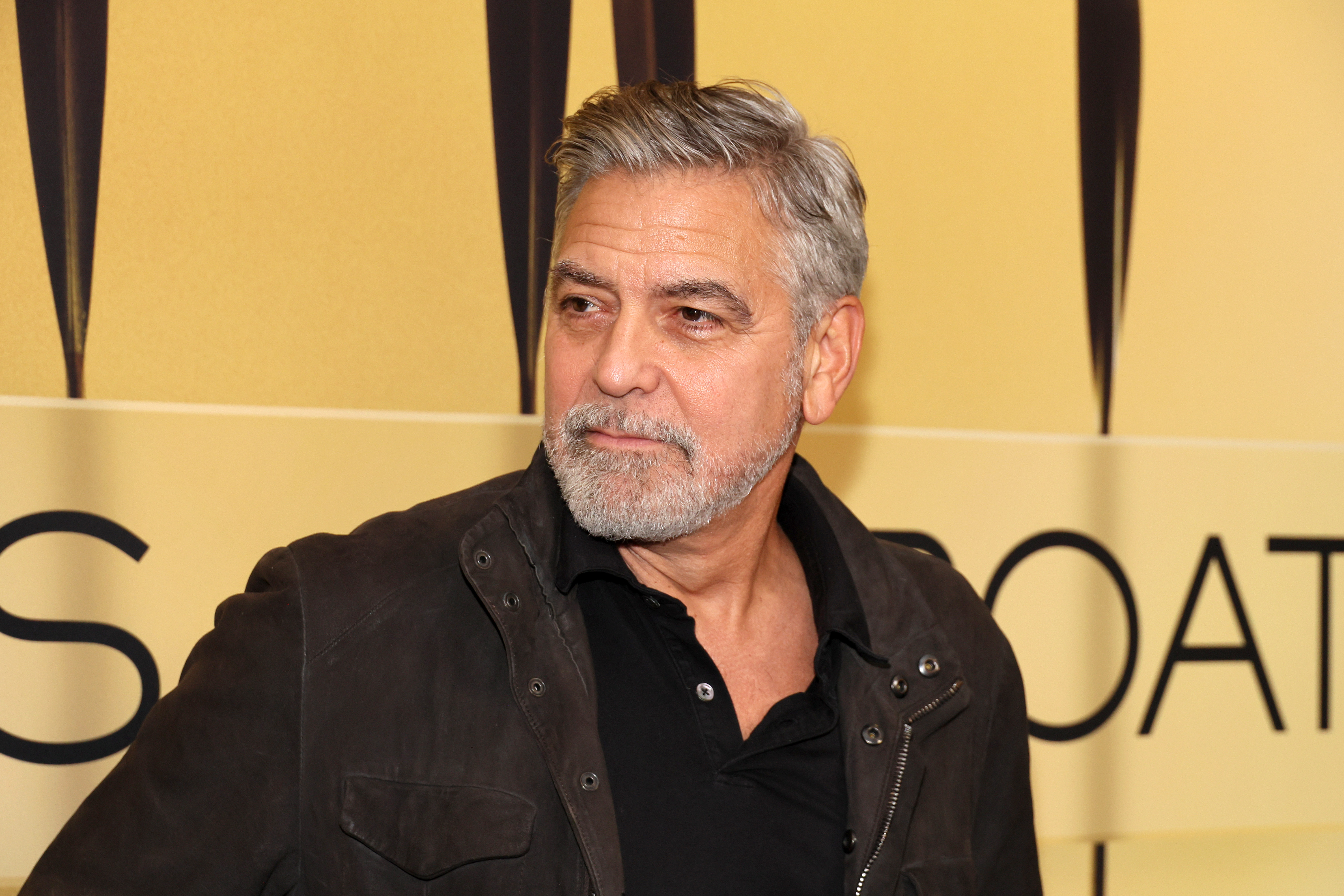
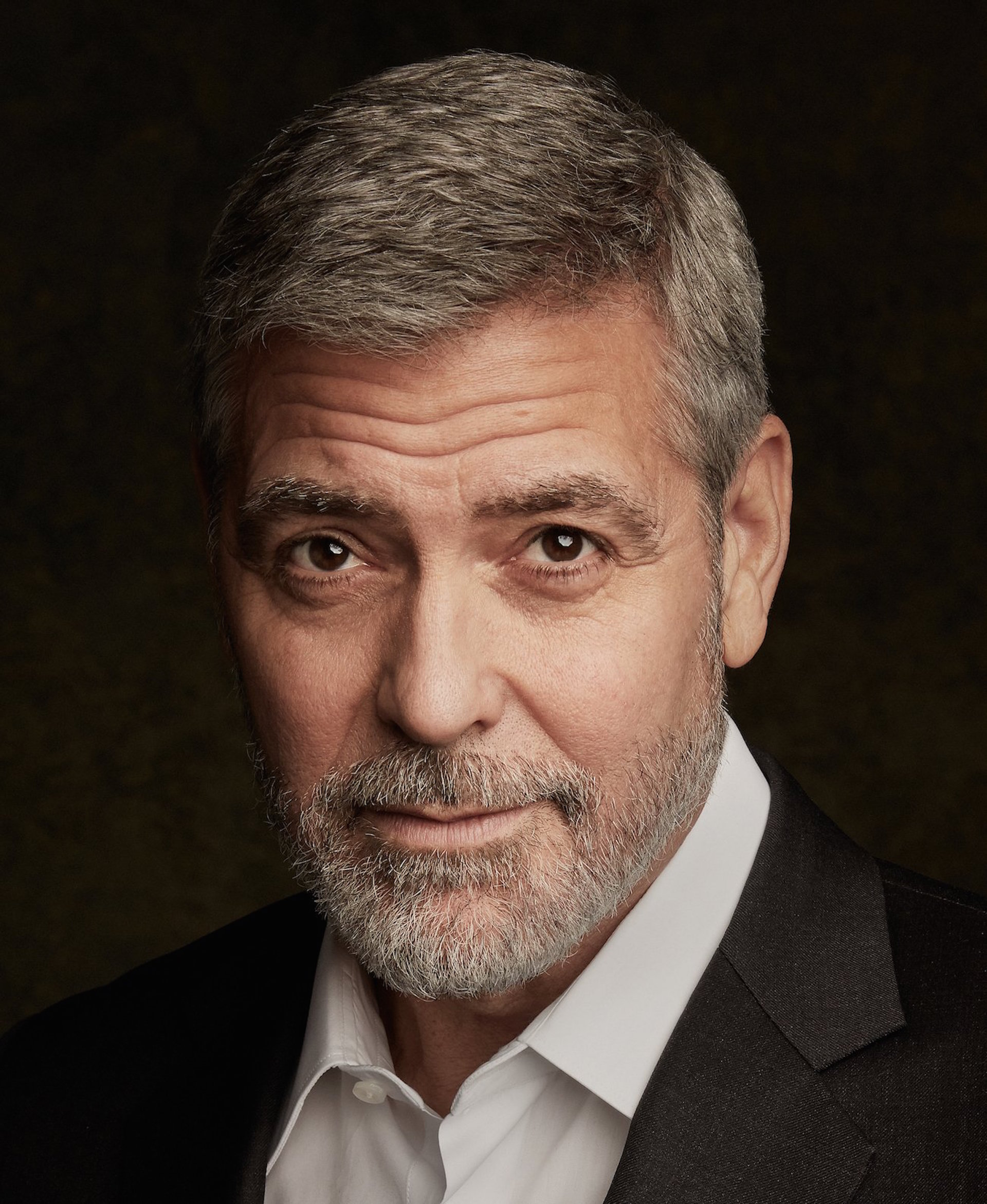
The George Clooney headshot remains one of the most recognizable and influential visual assets in the global entertainment industry. In 2026, these images serve as the definitive benchmark for "Old Hollywood" charm blended with modern professional branding. For media outlets, press agencies, and film historians, the Clooney headshot is a carefully curated tool used to communicate reliability, charisma, and a specific tier of A-list authority that few other actors command.
Contents
The Evolution of the George Clooney Publicity Image
The trajectory of George Clooney’s headshots mirrors the evolution of male celebrity branding over the last four decades. In the early 1990s, during his breakout years on ER, Clooney’s headshots were characterized by the "heartthrob" aesthetic of the era: softer lighting, slightly longer hair, and a more accessible, boyish grin. These images were primarily distributed as physical 8x10 glossies to casting directors and fan magazines.
As he transitioned from television to film superstardom in the late 1990s and early 2000s, the technical nature of his headshots shifted. The lighting became more dramatic, often employing a high-contrast "chiaroscuro" effect that emphasized his facial structure. By the time of Ocean’s Eleven (2001), the Clooney headshot had become a masterclass in minimalism. The focus moved toward a "less is more" approach—neutral backgrounds, impeccable tailoring, and a gaze that suggested both intelligence and humor.
By 2026, the Clooney image has matured into the "Silver Fox" archetype. This phase of his visual branding is perhaps the most significant for media studies because it successfully navigated the transition of aging in the public eye. His current media assets emphasize authenticity; they do not shy away from natural character lines around the eyes, which conveys a sense of seasoned experience and humanitarian weight.
Technical Specifications of a Professional Media Headshot
When media outlets acquire a George Clooney headshot for editorial use, they are looking for specific technical attributes that allow for versatile layout design. High-end celebrity photography is not merely about the subject's appearance; it is about the utility of the image file itself.
Lighting and Composition
Most official Clooney headshots utilize Rembrandt lighting, characterized by a small triangle of light on the shadowed side of the face. This technique adds depth and a sense of "gravitas" to the subject. In the media, this lighting style helps the image stand out on a crowded webpage or a physical magazine rack.
Compositionally, these headshots often follow the Rule of Thirds, but with a specific focus on the "power eye"—placing one of Clooney’s eyes directly on a vertical third line to create an immediate psychological connection with the viewer. The background is almost always out of focus (a shallow depth of field), which ensures that the media consumer’s attention remains entirely on the actor’s expression.
File Requirements and Resolution
In the 2026 media landscape, resolution requirements have reached new heights. Standard headshots are now distributed in ultra-high-definition formats (often exceeding 60 megapixels) to accommodate 8K displays and large-format digital billboards.
- Color Space: Usually distributed in Adobe RGB for print or sRGB for digital platforms.
- Aspect Ratio: Standard 8x10 or 4:5 for traditional press kits, though vertical 9:16 crops are now common for social media integration.
- Metadata: Essential for media tracking, these files include embedded IPTC data containing photographer credits, licensing expiration dates, and usage restrictions.
The Role of the Electronic Press Kit (EPK)
In 2026, the primary vehicle for distributing George Clooney headshots to the media is the Electronic Press Kit (EPK). Unlike the physical folders of the past, modern EPKs are cloud-based, interactive hubs where journalists can download approved assets.
When a new Clooney project is announced—whether it is a film, a directorial effort, or a philanthropic venture—his PR team at companies like PMK•BNC or his own production company, Smokehouse Pictures, updates the available headshots. This ensures that the media does not use outdated photos from ten years ago, which could confuse the branding of his current age and status.
The EPK usually contains three distinct tiers of headshots:
- The Theatrical Headshot: A standard "actor" shot used for trade publications like Variety or The Hollywood Reporter.
- The Character Still: Clooney in costume, used to promote a specific role.
- The Lifestyle/Brand Shot: High-end, often black-and-white images used for luxury endorsements (e.g., Nespresso or Casamigos) or long-form interviews in Esquire or GQ.
Comparative Analysis of Media Imagery Types
Understanding how different images are used is crucial for PR professionals and photographers. The following table breaks down the various "headshot" categories associated with George Clooney in the 2026 media environment.
| Image Category | Primary Use Case | Visual Characteristics | Key Stakeholders |
|---|---|---|---|
| Studio Headshot | Official Press Releases | Clean background, neutral lighting, professional attire. | Publicists, News Editors |
| Character Still | Film/TV Promotion | In-character, specific lighting to match the film's tone. | Studios (e.g., Warner Bros) |
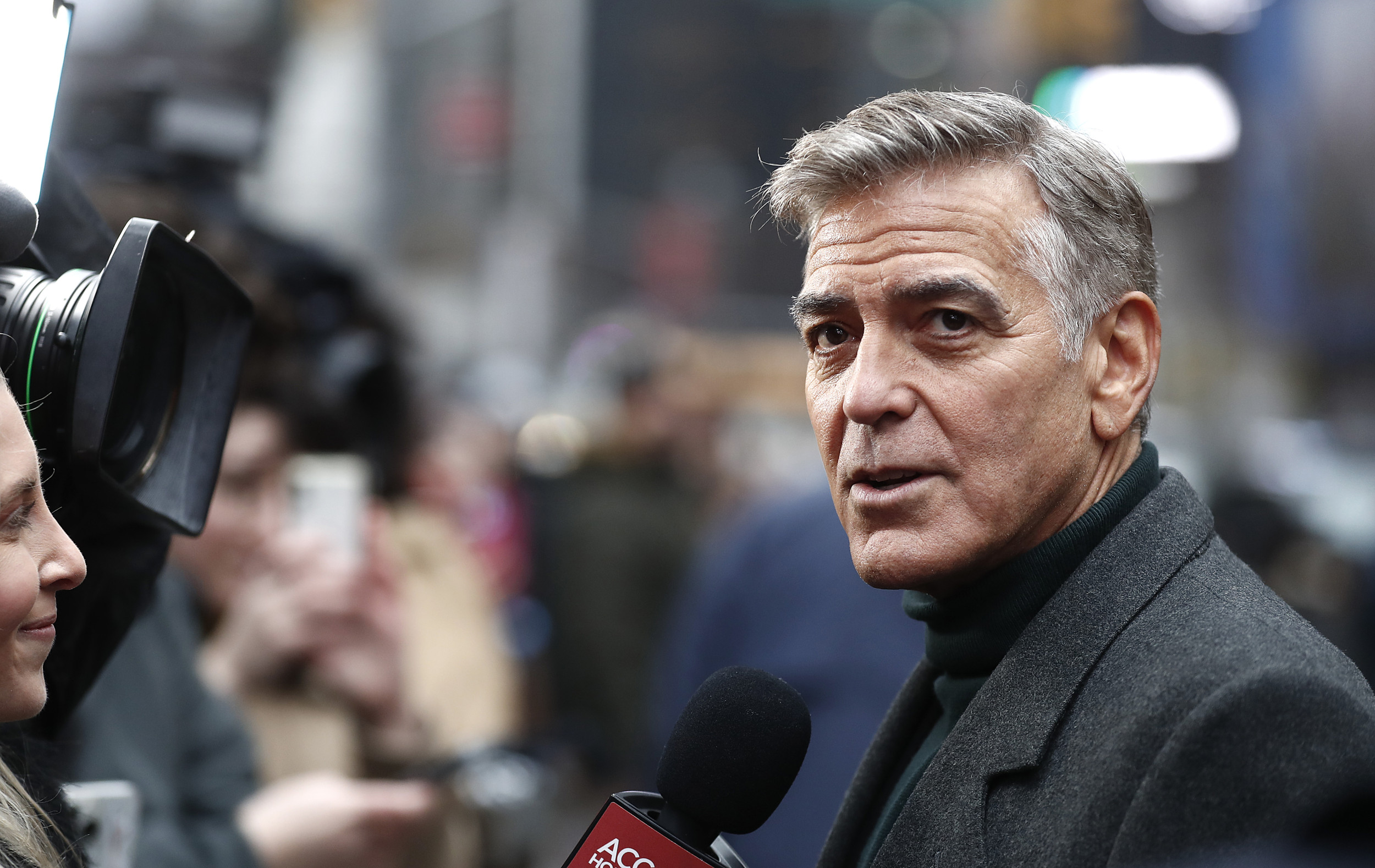
| Red Carpet Candid | Event Coverage | Natural light/flash, environmental background, high energy. | Photojournalists, Getty Images |
| Editorial/Portrait | Magazine Covers | Highly stylized, creative angles, narrative-driven. | Creative Directors, Stylists |
| Commercial/Brand | Product Endorsements | Polished, aspirational, focuses on "The Clooney Lifestyle." | Corporate Marketing Teams |
Licensing and Rights: Navigating Media Usage
A major hurdle for media outlets is the legal complexity of using a George Clooney headshot. These images are rarely in the public domain. Most are owned either by the photographer (e.g., Annie Leibovitz, Herb Ritts, or Sam Jones) or by the production studio that commissioned the shoot.
The Licensing Process
To use a high-quality Clooney headshot in 2026, a media entity must typically follow these steps:
- Source Identification: Finding the image on a reputable wire service like Getty Images, Shutterstock Editorial, or AP Images.
- Rights Negotiation: Determining if the use is "Editorial" (news-related) or "Commercial" (advertising). Commercial use of Clooney’s likeness requires direct permission from his legal representatives and usually involves significant fees.
- Credit Requirements: Almost all licenses require a specific credit line (e.g., "Photo by [Photographer Name]/[Agency]"). Failure to include this can lead to copyright infringement claims.
The Impact of AI on Image Verification
By 2026, the rise of AI-generated imagery has made the "official" headshot even more valuable. Clooney has been a vocal advocate for the protection of an actor's likeness. Consequently, official media headshots now often come with digital watermarks or blockchain-based verification to prove that the image is an authentic photograph and not a deepfake or an AI-generated derivative.
The Psychology of the "Clooney Look" in Media
Why does the media continue to rely so heavily on the Clooney headshot? The answer lies in the concept of Visual Reliability. In a media environment that is often chaotic, Clooney’s image acts as a stabilizing force. His headshots consistently communicate a set of values: sophistication, lack of pretension, and "grown-up" masculinity.
Psychologically, his choice of a "half-smile" (often referred to in photography as the "smize" or a confident smirk) creates a sense of approachability while maintaining a professional distance. This balance makes his headshots perfect for a wide range of stories, from political activism to lighthearted entertainment news.
Common Mistakes in Media Implementation
Even with high-quality assets, media outlets often fail to utilize these headshots effectively. Common errors include:
- Improper Cropping: Cutting off the top of the head or the chin in a way that disrupts the facial symmetry.
- Over-Retouching: In the 2026 era, audiences value "authentic aging." Media outlets that apply too many digital filters to a Clooney headshot often face backlash for making the actor look "plastic."
- Contextual Mismatch: Using a smiling, lighthearted headshot next to a serious news story about his humanitarian work in international conflict zones.
Actionable Guidance for Photographers and PR Teams
For those looking to replicate or manage high-level celebrity headshots, several best practices emerge from the Clooney model:
- Prioritize Eye Contact: The most successful Clooney headshots have the subject looking directly into the lens. This creates an "active" image that engages the reader.
- Invest in Wardrobe: Clooney’s media images almost always feature timeless clothing—crisp white shirts, dark blazers, or simple crew-neck sweaters. This prevents the headshot from looking dated within a few years.
- Control the Narrative: PR teams should ensure that only 3-5 "official" headshots are in circulation at any given time. This creates a cohesive visual identity across all global media platforms.
Frequently Asked Questions
Who are the most frequent photographers of George Clooney's media headshots?
Throughout his career, Clooney has worked with legendary portraitists including Annie Leibovitz, Sam Jones, and Herb Ritts. In recent years, he has also been frequently captured by Martin Schoeller, known for his hyper-detailed "Close Up" series which emphasizes every feature of the face.
Can a small blog use a George Clooney headshot for free?
Generally, no. Unless the image is provided specifically in a press kit for promotional purposes of a specific movie, most headshots require a license. However, many blogs use images under "Fair Use" for transformative commentary, though this is a legal grey area that carries risks.
How has digital technology changed Clooney's headshots by 2026?
By 2026, the primary change is the shift to non-destructive editing and high-dynamic-range (HDR) processing. This allows the images to retain detail in both the brightest highlights and the darkest shadows, making them look lifelike on the latest OLED and MicroLED displays used by consumers.
Why does George Clooney often use black-and-white headshots?
Black-and-white photography strips away the distraction of color and focuses on form, texture, and expression. For Clooney, this reinforces his connection to the "Golden Age of Hollywood" and adds a timeless quality to his media presence, making the images less susceptible to changing fashion trends.
What is the average cost of licensing a Clooney headshot for a major magazine?
Licensing fees vary wildly based on the distribution size and duration of use. For a cover shot on a major international publication, fees can range from $5,000 to over $20,000, depending on the photographer’s contract and the exclusivity of the image.
Next Steps for Media Professionals
To effectively utilize or study the George Clooney headshot in 2026, professionals should focus on source verification. Always obtain images through official studio portals or accredited wire services to ensure legal compliance and the highest possible visual quality. For photographers, studying Clooney’s use of light and his ability to convey character through subtle facial adjustments remains one of the best ways to master the art of the professional portrait.
Image Gallery