Why You Can’t Deposit Cash at 7-Eleven ATMs (and How to Do It Anyway)
Most 7-Eleven ATMs do not accept cash deposits because they are independent, "cash-out" machines managed by third-party providers like FCTI, Inc. instead of full-service banks. To add money to an account at 7-Eleven, you must use the r...
Most 7-Eleven ATMs do not accept cash deposits because they are independent, "cash-out" machines managed by third-party providers like FCTI, Inc. instead of full-service banks. To add money to an account at 7-Eleven, you must use the retail reload service at the checkout counter rather than the ATM.
Contents
Understanding 7-Eleven ATM Limitations in 2026
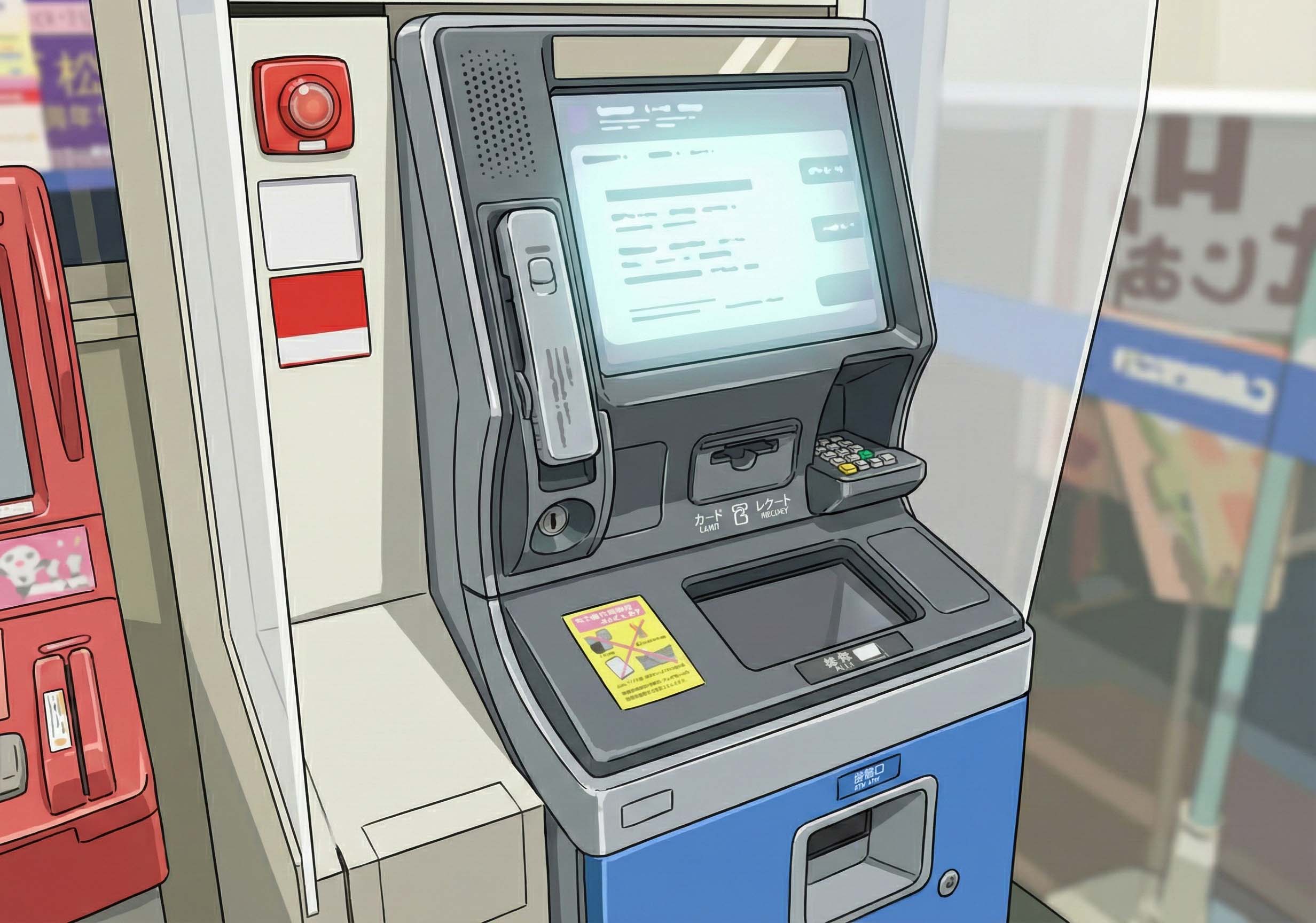
As of 2026, the vast majority of ATMs located within 7-Eleven stores across the United States remain "dispense-only" units. While these machines are highly efficient for withdrawing cash or checking balances, they lack the specialized hardware required to process, scan, and verify physical currency for deposits.
The primary reason for this limitation is the ownership structure of the machines. Most 7-Eleven ATMs are owned and operated by FCTI, Inc. (Financial Consulting & Trading International) or similar independent deployment organizations. Because these companies are not banks, they do not have the infrastructure to "hold" deposits or verify the validity of bills in real-time for a wide range of financial institutions.
For a bank to allow deposits at a 7-Eleven ATM, the machine would need expensive bill-validation technology and a secure logic system that communicates directly with the customer’s specific bank. Furthermore, "cash-in" ATMs require more frequent servicing by armored car companies to empty the machine's vaults, which increases operational costs that 7-Eleven and its partners have traditionally avoided in favor of simpler, withdrawal-focused units.
The Difference Between ATM Deposits and Retail Reloads
Because you cannot physically insert cash into the 7-Eleven ATM, you must distinguish between an ATM deposit and a Retail Reload. Understanding this difference is essential for anyone using digital-only banks or prepaid cards.
- ATM Deposits: These occur when you insert your card into a machine and then feed cash or checks into a slot. This is typically only available at branch-specific ATMs (like those at Chase, Bank of America, or Wells Fargo) or high-end universal deposit machines.
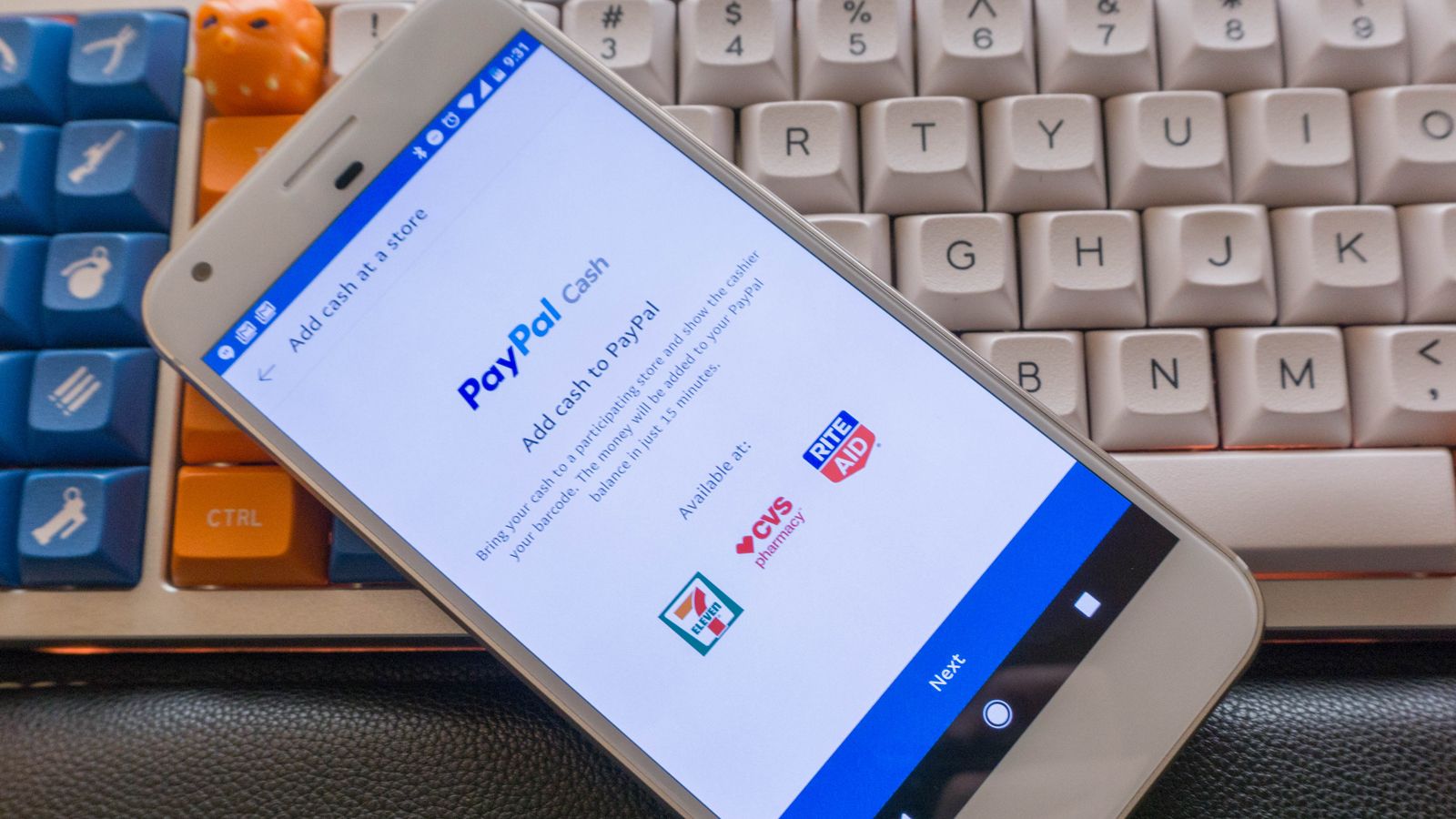
- Retail Reloads (Cash at the Register): This is the alternative offered at 7-Eleven. Instead of using the ATM, you take your cash and your smartphone (or debit card) to the cashier. The cashier scans a barcode or swipes your card, you hand over the cash, and the funds are digitally transferred to your account.
In 2026, 7-Eleven has solidified its role as a major "financial hub" for unbanked and underbanked individuals, but it does so through the point-of-sale (POS) system at the front counter rather than the standalone ATM in the corner.
How to Deposit Cash at 7-Eleven via the Cashier
If you need to get cash into a bank account (like Chime, Varo, or Cash App) while at a 7-Eleven, you must follow the retail reload protocol. This process is generally fast but requires specific steps depending on which financial app you use.
Step 1: Generate a Deposit Code
Open your banking or fintech app and look for an option labeled "Deposit Cash," "Add Paper Money," or "Reload Locations." The app will generate a unique barcode (often a VanillaDirect or Green Dot barcode) specifically for your transaction.
Step 2: Present the Code to the Cashier
Do not go to the ATM. Approach the checkout counter and inform the clerk that you would like to "load cash" or "perform a reload." Present the barcode on your phone screen for the cashier to scan.
Step 3: Hand Over the Cash and Fee
The cashier will scan the code and ask for the amount you wish to deposit. You will also be responsible for a convenience fee (typically ranging from $3.95 to $5.95). Once the transaction is processed, the cashier will provide a paper receipt. Always keep this receipt until the funds appear in your account, as it is your only proof of deposit.
Comparison of Deposit Methods at 7-Eleven
While the ATM is unavailable for deposits, several third-party networks facilitate cash-loading at the register. The following table outlines the most common services compatible with 7-Eleven as of 2026.
| Service Name | Compatible Apps/Banks | Average Fee | Typical Daily Limit |
|---|---|---|---|
| VanillaDirect | Chime, Venmo, PayPal, Dave | $3.95 – $4.95 | $500 - $1,500 |
| Green Dot (Reload @ the Register) | Apple Cash, Walmart MoneyCard | $4.95 – $5.95 | $2,500 |
| 7-Eleven Transact | Transact by 7-Eleven Prepaid Mastercard | Varies by Plan | $2,500 |
| Cash App Paper Money | Cash App | $1.00 - $4.00 | $500 |
| Amazon Cash | Amazon Balance | Free | $500 |
Why "Cash-In" ATMs are Rare in Convenience Stores
It may seem counterintuitive that a store as technologically advanced as 7-Eleven does not upgrade its ATMs to accept deposits. However, several technical and logistical hurdles prevent this from becoming a standard feature.
- Hardware Maintenance: Deposit-taking ATMs are prone to "bill jams" and sensor errors caused by wrinkled or damaged currency. In a high-traffic convenience store, a jammed ATM results in lost revenue and frustrated customers.
- Liquidity and Transit: Most convenience store ATMs are "self-filling" or managed with minimal intervention. If a machine accepts $50,000 in cash deposits, that cash must be physically removed, counted, and transported to a central vault. This increases the frequency of armored car visits, significantly raising the cost of operation.
- Security Risks: Machines that hold large amounts of deposited cash become higher-value targets for theft. Withdrawal-only machines are often kept at lower cash volumes compared to what a busy deposit machine might accumulate over a weekend.
- Network Fragmentation: Since 7-Eleven serves customers from thousands of different banks, the ATM would need to be part of an "inter-bank deposit network." While networks like Allpoint and MoneyPass exist for withdrawals, universal deposit networks are much more complex to manage securely.
Alternatives if You Must Use an ATM for Deposits
If you absolutely require a machine-based deposit rather than a cashier-assisted one, you will likely need to look beyond the 7-Eleven ecosystem.
- Credit Union Shared Branching: Many credit union members can use ATMs at other credit unions to make deposits. Look for the "CO-OP" logo on ATMs.
- Walgreens or CVS (Select Locations): Some competing pharmacy chains have begun installing "Smart ATMs" (often via the Allpoint+ network) that do allow for cash deposits for specific participating banks.
- Capital One Cafés and Targets: If you bank with Capital One, their ATMs located in Target stores or Capital One Cafés are specifically designed to accept cash deposits.
- Traditional Bank Branches: For those with accounts at national banks, the most reliable "no-fee" deposit method remains the branch ATM. These are usually available 24/7 in the lobby or drive-thru.
Troubleshooting Your 7-Eleven Cash Deposit
Since the ATM is not an option, you may encounter issues at the register. Here are the most common problems and how to resolve them:
- "System Down" Errors: Occasionally, the retail reload network (like Green Dot) may be offline. If the cashier cannot scan your barcode, try refreshing the app to generate a new one or visit a different 7-Eleven location nearby.
- Daily Limit Reached: Most fintech apps limit you to $1,000 or $1,500 in cash deposits per 24-hour period. If you are over this limit, the register will reject the transaction.
- Expired Barcodes: For security, many deposit barcodes expire after 15 to 60 minutes. Do not generate the code until you are actually standing in line at the store.
- Card vs. Barcode: Some older 7-Eleven POS systems prefer swiping the physical debit card rather than scanning a barcode. If the scan fails, ask the cashier if they can "swipe for a reload" instead.
Frequently Asked Questions
Can I deposit a check at a 7-Eleven ATM?
No, 7-Eleven ATMs do not have check-imaging scanners. To deposit a check, you should use your bank’s mobile app to take a photo of the check (Mobile Check Deposit) or visit a traditional bank branch.
Does 7-Eleven charge a fee to deposit cash at the register?
Yes, while 7-Eleven itself provides the space and service, the reload networks (VanillaDirect, Green Dot, etc.) charge a convenience fee. This usually ranges from $3.95 to $5.95 per transaction, which is paid at the time of deposit.
Why does the ATM screen say "Deposit" if I can't use it?
Some ATM software is generic. The button for "Deposit" may appear on the screen, but when you press it, the machine will likely display a message stating "Function Not Available" or "This machine does not accept deposits."
Is there a limit to how much cash I can deposit at 7-Eleven?
Yes. Most 7-Eleven locations limit register deposits to between $500 and $1,500 per transaction or per day, depending on the specific store policy and the reload network being used.
How long does it take for the money to show up in my account?
Most retail reloads at 7-Eleven are near-instant. The funds typically appear in your digital wallet or bank account within 10 to 15 minutes, though some banks may hold the funds for up to 30 minutes for verification.
Final Recommendation
If you frequently need to deposit cash and prefer 7-Eleven for its convenience, the most effective strategy is to avoid the ATM entirely. Instead, download your bank's official app and familiarize yourself with their "Cash Deposit" or "Add Money" feature. This will provide you with the necessary barcode to use at the front register. Always confirm the current fee within your app before heading to the store, and ensure you have a valid government-issued ID, as some cashiers may require it for larger cash transactions to comply with anti-money laundering regulations in 2026.
Image Gallery