Understanding Kansas City Workers Compensation Law: A Guide for Employees and Employers
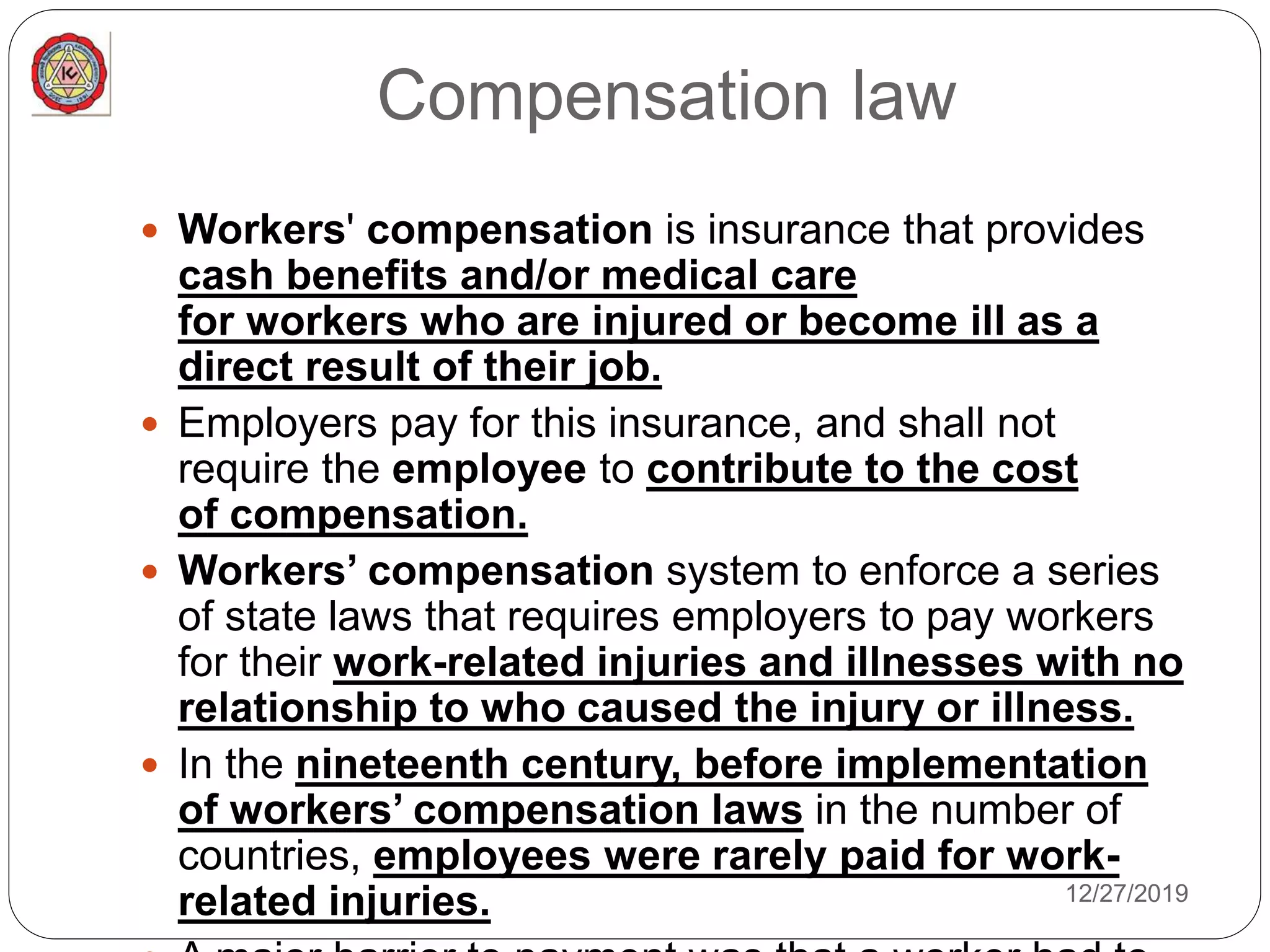
Workers’ compensation is a state-mandated insurance program designed to provide financial, medical, and rehabilitation benefits to employees who suffer work-related injuries or illnesses. In Kansas City, which spans the border between...
Workers’ compensation is a state-mandated insurance program designed to provide financial, medical, and rehabilitation benefits to employees who suffer work-related injuries or illnesses. In Kansas City, which spans the border between Missouri and Kansas, the legal framework is determined by the state in which the employer is based and where the injury occurred. Employees must navigate specific filing deadlines, medical documentation requirements, and insurance carrier protocols to ensure their claims for benefits are processed correctly.
Contents
The Jurisdictional Distinction: Missouri vs. Kansas
Because Kansas City is a bi-state metropolitan area, workers' compensation law is defined by the state where the employment relationship is primarily based. If you work in Kansas City, Missouri, your claim falls under the Missouri Division of Workers' Compensation, while those working in Kansas City, Kansas, fall under the Kansas Department of Labor.
It is a common misconception that geography alone dictates the law; instead, jurisdiction is generally established by where the contract of hire was made, where the principal place of employment is located, or where the injury occurred. Employees should verify which state's statutes apply, as Missouri and Kansas have differing rules regarding independent contractor status, benefit caps, and the "exclusive remedy" doctrine, which prevents employees from suing their employers for negligence if a workers' compensation claim is available.
Core Eligibility Requirements
To qualify for workers' compensation benefits in either state, an individual must meet specific criteria. First, the person must be classified as an employee, not an independent contractor. Employers often misclassify workers to avoid insurance obligations; however, legal tests regarding the "control" of the work performed are used to determine true employment status.
Second, the injury or illness must "arise out of and in the course of employment." This means the injury must occur while the employee is performing duties directly related to their job, or while under the direction of their employer. Examples include:
- Injuries occurring on company premises during working hours.
- Injuries sustained while traveling for business purposes.
- Occupational diseases or repetitive stress injuries (such as carpal tunnel) that develop over time due to specific job tasks.
The Claims Process: Steps to Protect Your Rights
Navigating a claim requires strict adherence to notification and filing timelines. Failing to report an injury within the statutory period—often 30 days in many jurisdictions—can result in the denial of benefits.
1. Immediate Notice
The first step after an injury is to provide written notice to the employer. This creates an official record of the accident. Even if the incident seems minor, failing to document it immediately can lead to complications if the injury worsens over time.
2. Medical Treatment
In most cases, the employer’s insurance carrier has the right to designate the treating physician. Seeking treatment from an unauthorized provider may result in the employee becoming personally responsible for medical bills. Ensure that every medical visit is documented and that the doctor is made aware that the injury is work-related.
3. Filing the Formal Claim
While notifying the employer is the first step, filing a formal claim with the state’s labor department is what triggers the official legal process. This step is necessary to preserve your right to compensation if the insurance carrier denies the claim or refuses to pay for necessary treatments.
Benefits Available Under Workers' Compensation
The goal of the workers' compensation system is to facilitate a return to work while providing a financial safety net. Benefit categories typically include:
- Medical Benefits: Coverage for all necessary and reasonable medical expenses, including surgeries, physical therapy, medications, and diagnostic tests.
- Temporary Total Disability (TTD): Payments provided while the employee is unable to work at all during their recovery.
- Temporary Partial Disability (TPD): Compensation if the employee can return to light-duty work but at a reduced income.
- Permanent Partial/Total Disability (PPD/PTD): Payments if an injury leaves an employee with a permanent physical impairment that limits their future earning capacity.
| Benefit Type | Purpose | Duration/Calculation |
|---|---|---|
| Medical | Covers treatment costs | Until MMI (Maximum Medical Improvement) |
| TTD | Replaces lost wages | Percentage of average weekly wage |
| PPD | Compensates for lasting damage | Based on a schedule of injuries/impairment rating |
| Vocational Rehab | Retraining for new career | Limited to those unable to return to prior job |
Common Challenges and Disputes
Even with clear evidence, claims are often contested. Insurance carriers may argue that a condition is "pre-existing" rather than work-related, or that an employee reached "Maximum Medical Improvement" (MMI) earlier than the employee’s own doctor suggests.
MMI is a critical legal milestone. It signifies the point at which an injury has healed as much as it is expected to, even if the patient has not returned to their pre-injury state. Once MMI is reached, the insurance carrier may attempt to terminate temporary benefits, regardless of whether the employee has secured a new position or reached full recovery.
Frequently Asked Questions
What happens if my employer refuses to file a claim? If an employer refuses to report your injury, you have the right to file a claim directly with the state’s division of workers’ compensation. You do not need the employer's permission to initiate the process.
Can I be fired for filing a workers' compensation claim? Retaliation for filing a valid workers' compensation claim is illegal in both Missouri and Kansas. While an employer can terminate an employee for legitimate reasons unrelated to the claim, they cannot fire you specifically for seeking benefits.
How is my "average weekly wage" calculated? This is typically calculated based on your total gross earnings during the 13 or 52 weeks preceding the injury. This figure determines the amount of your weekly disability benefit checks.
What is the "exclusive remedy" rule? This rule generally prohibits an employee from suing their employer in civil court for work-related injuries. Workers' compensation is intended to be the sole vehicle for recovery, providing limited benefits in exchange for employer immunity from personal injury lawsuits.
Do I need an attorney for my claim? While not required for simple, uncontested claims, legal counsel is often necessary if the insurance carrier denies the injury as work-related, disputes the medical bills, or offers a settlement that does not fully cover the long-term impact of the injury.
Professional Advice Disclaimer
This information is provided for educational purposes and does not constitute formal legal advice. Laws regarding workers' compensation are subject to change, and individual cases depend heavily on specific facts, employment contracts, and insurance policies. If you have been injured at work, you should consult with a qualified attorney or your state’s labor regulatory body to discuss the specifics of your situation and ensure your rights are protected.
Recommended Next Action
If you are currently managing a work-related injury, begin by creating a chronological file. Include the exact date and time of the incident, names of any witnesses, copies of all medical records, and correspondence with your employer or the insurance carrier. Having these documents organized will simplify the process significantly if you need to file a formal claim or contest a denial.
Image Gallery