Understanding the Average Life Insurance for 1 Million in Coverage
Securing $1 million in life insurance coverage is a common goal for individuals seeking to replace a high income, cover a significant mortgage, or provide long-term financial security for dependents. In 2026, the "average" cost for thi...
Securing $1 million in life insurance coverage is a common goal for individuals seeking to replace a high income, cover a significant mortgage, or provide long-term financial security for dependents. In 2026, the "average" cost for this policy is not a single figure but a variable outcome determined by your age, health status, tobacco usage, and the specific type of policy—term or permanent—you select to meet your financial objectives.
Contents
Determining Your Need for a $1 Million Policy
The decision to pursue a $1 million death benefit often stems from a "needs-based" calculation. Rather than guessing an arbitrary number, financial planners typically suggest using the DIME method (Debt, Income, Mortgage, Education) or a simple income multiplier (usually 10 to 15 times your annual salary).
For many families in 2026, $1 million serves as a benchmark for replacing a decade or more of lost earnings. When evaluating if this amount is appropriate for your situation, consider the following:
- Income Replacement: If you earn $100,000 annually, a $1 million policy ensures your family could theoretically maintain their standard of living for ten years without your income.
- Debt Obligations: This amount is often sufficient to pay off a primary residence, student loans, and credit card debt, effectively clearing the financial slate for survivors.
- Future Costs: If you are planning for college tuition for multiple children or long-term care for a dependent, $1 million provides a substantial principal that can be invested to generate future liquidity.
The Influence of Age and Health on Premium Costs
Insurance underwriters evaluate risk by predicting the likelihood of a claim during the term of the policy. Because mortality risk increases with age, the premiums for a $1 million policy fluctuate significantly based on when you apply.
Underwriting Factors
When you apply for a policy, you will undergo a medical underwriting process. This process assesses:
- Biological Age: The younger you are, the lower your risk of developing chronic illnesses that could shorten your life expectancy.
- Medical History: Pre-existing conditions such as hypertension, diabetes, or a history of heart disease will lead to higher premiums or "table ratings," which are surcharges added to the standard rate.
- Lifestyle and Avocations: Dangerous hobbies (such as skydiving or scuba diving) or risky occupations can increase costs.
- Family History: Insurers look at the health of parents and siblings to assess your hereditary risk for specific diseases.
Tobacco and Nicotine Usage
Tobacco use is one of the most significant factors in life insurance pricing. Even in 2026, with the prevalence of various nicotine delivery systems, insurers typically categorize applicants as "Smoker" or "Non-Smoker." A smoker can expect to pay significantly more—often two to four times the premium of a healthy non-smoker of the same age—for the exact same $1 million death benefit.
Term Life vs. Permanent Life Insurance
The "average" cost of a $1 million policy is fundamentally different depending on whether you choose term or permanent coverage.
Term Life Insurance
Term life is designed for temporary needs. You purchase coverage for a specific period (usually 10, 20, or 30 years). If you pass away during the term, the death benefit is paid to your beneficiaries.
- Pros: Highly affordable; the most cost-effective way to secure a large $1 million benefit.
- Cons: No cash value; once the term expires, coverage ends unless you renew at a much higher age-based rate or convert to a permanent policy.
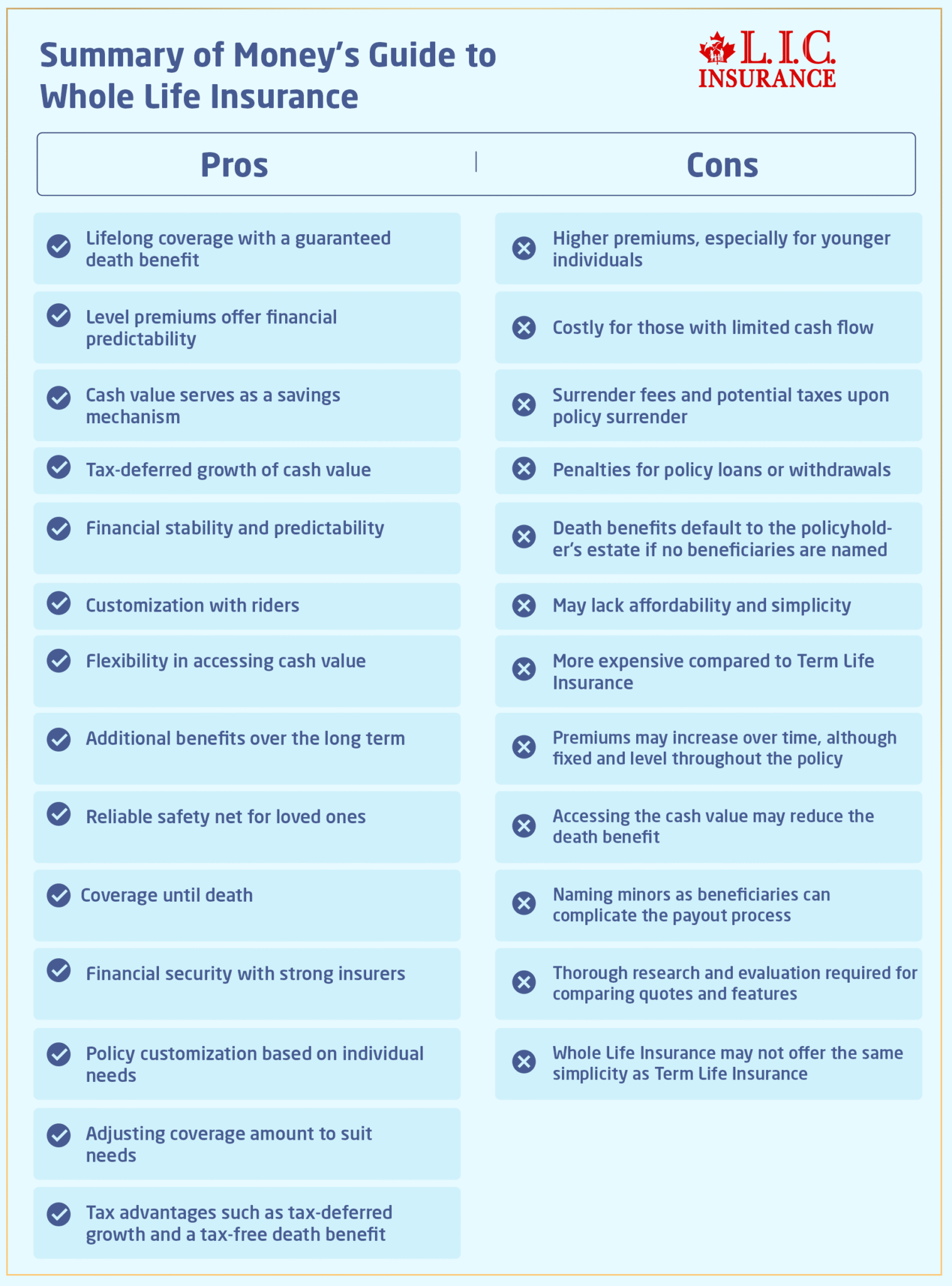
Permanent Life Insurance (Whole or Universal)
Permanent insurance provides coverage for your entire life, provided the premiums are paid. These policies also include a cash-value component that grows over time.
- Pros: Guaranteed death benefit; cash value can be borrowed against or used to pay future premiums.
- Cons: Significantly higher premiums compared to term life; the complexity of the cash-value growth can make these policies harder to manage.
Comparison Table: $1 Million Coverage Characteristics
| Feature | Term Life Insurance | Permanent Life Insurance |
|---|---|---|
| Duration | Specific period (e.g., 20 years) | Lifetime coverage |
| Cost | Low (Level premiums) | High (Often permanent) |
| Cash Value | None | Yes |
| Primary Use | Income/Debt replacement | Estate planning/Legacy |
Evaluating Quotes and Market Variability
In 2026, premium rates are dictated by actuarial tables updated by major carriers. However, these are "filed" rates that vary from company to company. It is common for one insurance carrier to charge 20–30% more than another for the exact same coverage profile.
When reviewing quotes, ensure you are comparing identical products. Look at the "guaranteed" versus "non-guaranteed" elements of the policy. If you are comparing two $1 million term policies, verify that the death benefit remains level for the entire duration and that the premium is fixed.
Common Mistakes When Seeking High-Value Coverage
Many applicants fail to secure the best rates for their $1 million policy due to avoidable errors:
- Underestimating the Coverage Term: If you buy a 10-year term to cover a 30-year mortgage, you will be left uninsured when the debt is still significant. Align your term length with the duration of your longest financial obligation.
- Non-Disclosure: Honesty during the medical exam is vital. If a policy is issued based on undisclosed medical history, the insurer may contest the death benefit claim years later.
- Waiting Too Long: Life insurance prices only go in one direction as you age: up. Locking in a rate in your 30s or 40s is mathematically superior to waiting until your 50s, regardless of current health.
- Ignoring Riders: A $1 million policy is a base. Consider riders like "Accidental Death" or "Waiver of Premium," which add functionality, though they also increase the total cost.
The Application Process
Once you have determined that $1 million is the correct figure, the application process follows a standardized path:
- Needs Assessment: Consult with a licensed broker to verify if $1 million is necessary or if a slightly lower amount would suffice.
- Quote Comparison: Gather quotes from at least three A-rated insurance carriers.
- Application Submission: Complete the detailed questionnaire, which covers medical history and lifestyle.
- Paramedical Exam: Most $1 million applications require a basic health screening (blood pressure, height/weight, blood, and urine samples).
- Underwriting Review: The insurance company assesses your file. This can take anywhere from a few days to several weeks.
- Approval and Policy Issuance: Once approved, you pay the first premium to put the policy into effect.
Frequently Asked Questions
Is $1 million the standard amount for life insurance? No, there is no universal "standard." The appropriate amount depends entirely on your specific financial liabilities, such as mortgage balance, annual income, and family size.
Does a $1 million policy pay out immediately? In most cases, the death benefit is paid to the designated beneficiary shortly after the insurer receives a certified copy of the death certificate and the claim form, typically within 30 to 60 days.
Can I get a $1 million policy without a medical exam? Yes, some carriers offer "no-exam" or "accelerated underwriting" policies for $1 million, though these are usually limited to younger, healthy applicants. Approval is faster, but the premiums may be slightly higher.
Do I have to pay taxes on the $1 million death benefit? Generally, the death benefit from a life insurance policy is received by the beneficiary income-tax-free in the United States. However, if the policy is held within an estate, it may be subject to estate taxes depending on the size of your total estate.
What happens if I cannot afford the premiums on a $1 million policy later on? If you have a term policy, you can simply stop paying, and the coverage will lapse. If you have a permanent policy with cash value, you may be able to use the accumulated value to keep the policy active or reduce the death benefit to lower the cost.
Next Steps
To proceed effectively in 2026, begin by calculating your total financial obligations. Once you have a firm number, contact a licensed, independent life insurance broker who represents multiple carriers. Request side-by-side illustrations for a 20-year term policy versus a universal life policy. By securing a policy while you are in good health, you fix your costs at today’s rates, providing long-term protection for your family regardless of future economic or personal health changes.
Image Gallery