Navigating the Search for a Chapter 11 Bankruptcy Attorney Near You
Finding a qualified Chapter 11 attorney near you requires evaluating local legal specialists who possess deep experience in corporate reorganization, court procedures, and financial restructuring under the United States Bankruptcy Code...
Finding a qualified Chapter 11 attorney near you requires evaluating local legal specialists who possess deep experience in corporate reorganization, court procedures, and financial restructuring under the United States Bankruptcy Code. Because Chapter 11 is complex, costly, and heavily regulated, selecting the right legal counsel is a critical decision that directly influences whether a business successfully reorganizes or faces liquidation.
Contents
Understanding Chapter 11 Bankruptcy
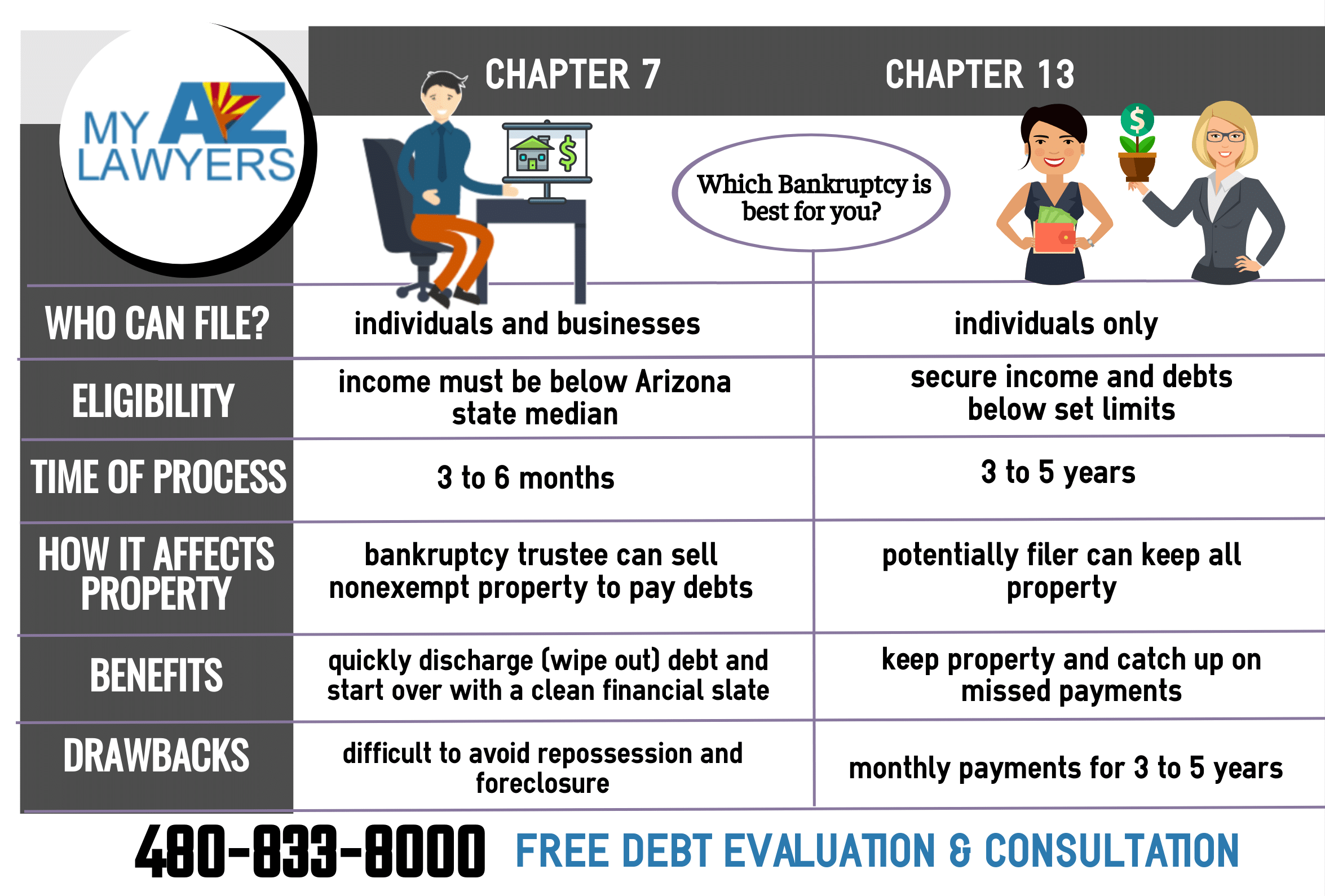
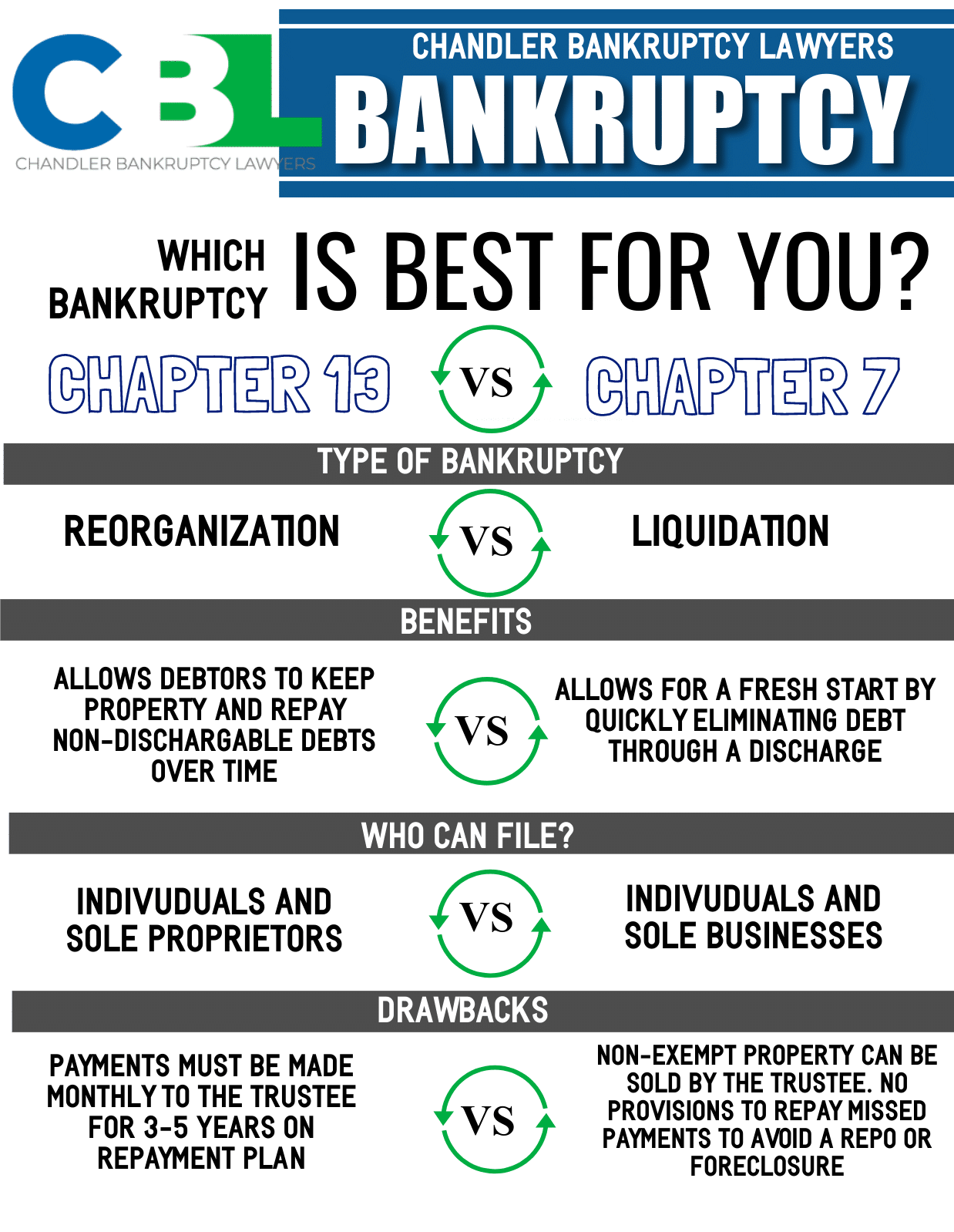
Chapter 11 is a form of bankruptcy that primarily involves the reorganization of a debtor’s business debts, assets, and affairs. Unlike Chapter 7, which involves liquidating assets to pay off creditors, Chapter 11 allows businesses—ranging from sole proprietorships and partnerships to large corporations—to continue operating while they formulate and execute a plan to repay creditors over time.
The primary objective of Chapter 11 is rehabilitation. It provides financially distressed enterprises with a temporary shield from creditor lawsuits, collection calls, and foreclosure actions through an automatic stay. During this breathing spell, management, working alongside experienced legal counsel, can renegotiate contracts, shed burdensome leases, and propose a comprehensive reorganization plan to the bankruptcy court.
However, Chapter 11 is not a simple administrative filing. It is a litigation-heavy, highly adversarial process involving creditors' committees, the Office of the United States Trustee, secured lenders, and bankruptcy judges. Because of these dynamics, attempting to navigate a Chapter 11 proceeding without specialized legal representation is virtually impossible and legally hazardous.
Why Local Representation Matters in Chapter 11
When searching for a reorganization attorney, proximity and local jurisdiction expertise are paramount. Bankruptcy law is federal, governed by Title 11 of the United States Code and the Federal Rules of Bankruptcy Procedure. However, practice is deeply localized.
- Local Rules and Standing Orders: Every federal judicial district has its own local bankruptcy rules, judge-specific guidelines, and standing orders. A local attorney who regularly practices in your specific bankruptcy court understands these unwritten nuances and procedural expectations.
- Familiarity with Trustees and Judges: Experienced local attorneys have professional working relationships with the local U.S. Trustee personnel and understand the tendencies, preferences, and rulings of the bankruptcy judges assigned to that district. This familiarity can streamline hearings and negotiations.
- Regional Economic Insight: Local attorneys often maintain relationships with regional banks, commercial landlords, and local creditors' counsel, which can facilitate smoother negotiations during plan formulation.
Key Criteria for Evaluating Chapter 11 Counsel
Not all bankruptcy attorneys handle Chapter 11 cases. Many consumer bankruptcy attorneys focus exclusively on Chapter 7 or Chapter 13 individual filings. Chapter 11 requires a distinct, highly sophisticated skill set encompassing corporate finance, tax law, commercial litigation, and labor negotiations. When vetting candidates, evaluate the following criteria:
1. Specialized Chapter 11 Experience
Ask prospective attorneys about the volume of Chapter 11 cases they have personally managed. Inquire whether they have represented debtors, creditors' committees, or secured lenders, as perspective from all sides enriches a lawyer's strategic capabilities. Review past cases to see if they involve businesses of a similar size, industry, and financial scope to yours.
2. Industry-Specific Knowledge
A complex manufacturing enterprise faces vastly different restructuring challenges than a commercial real estate holding company or a healthcare provider. Look for an attorney who understands the regulatory frameworks, supply chain dependencies, and operational realities specific to your industry.
3. Fee Structures and Retainers
Chapter 11 legal fees are substantial, subject to bankruptcy court review, and paid out as administrative expenses of the estate. Understand how the firm bills—whether through hourly rates, flat fees for specific milestones, or a hybrid model. Discuss the required initial retainer and how professional fees will be reported to the court.
Where and How to Find Chapter 11 Attorneys Near You
Locating reputable corporate bankruptcy specialists involves utilizing targeted legal directories, professional organizations, and court resources rather than generic search engines.
- The American Bankruptcy Institute (ABI): The ABI is the largest multi-disciplinary bankruptcy organization in the United States. Its member directory is a reliable resource for identifying certified bankruptcy specialists and experienced corporate reorganization practitioners.
- Local and State Bar Associations: State and local bar associations frequently maintain referral services. Look specifically for certified specialists in bankruptcy law where certification programs exist (such as in states like California, Texas, or Florida).
- Federal Court Bar Admissions: You can review public records of the local United States Bankruptcy Court to identify attorneys who frequently appear as counsel of record in recent Chapter 11 filings within your district.
- Peer-Reviewed Legal Directories: Platforms like Martindale-Hubbell, Chambers and Research, and Super Lawyers provide peer-reviewed ratings and professional profiles that highlight attorneys focusing on corporate restructuring.
Comparing Legal Options for Business Financial Distress
Before committing to a Chapter 11 filing and retaining counsel, business owners should understand how Chapter 11 compares to alternative restructuring or liquidation paths. The following table outlines key differences to discuss with your prospective attorney.
| Parameter | Chapter 11 Reorganization | Subchapter V (Small Business) | Chapter 7 Liquidation | Out-of-Court Workout |
|---|---|---|---|---|
| Primary Goal | Business rehabilitation and debt restructuring | Streamlined reorganization for small businesses | Complete asset liquidation and business closure | Voluntary debt reduction without court oversight |
| Eligibility | Corporations, partnerships, individuals with high debt | Businesses with total debt under statutory limits | Any business entity or individual | Any debtor with cooperative creditors |
| Control of Operations | Debtor-in-Possession (DIP) retains operational control | Debtor retains control with a specialized trustee oversight | Chapter 7 Trustee takes control and liquidates assets | Management retains full control |
| Cost and Complexity | High cost, extensive reporting, lengthy timeline | Lower cost and faster timeline than standard Chapter 11 | Moderate cost, relatively fast resolution | Lowest cost, highly dependent on consensus |
| Creditor Approval | Requires formal voting and court confirmation | Simplified confirmation process without absolute priority rule | Creditors share proceeds per statutory priority | Requires 100% agreement from participating creditors |
Preparing for Your Initial Consultation
When you secure an initial consultation with a prospective Chapter 11 attorney, you must come prepared to present a transparent, realistic picture of your company's financial health. Time is often of the essence when facing foreclosure, eviction, or aggressive creditor enforcement.
Organize the following documents and data points prior to the meeting:
- Current Financial Statements: Profit and loss statements, balance sheets, and cash flow statements for the past two to three years, plus year-to-date reports.
- Schedule of Assets and Liabilities: A comprehensive list of all corporate assets (real estate, equipment, accounts receivable, intellectual property) and all liabilities (secured loans, unsecured trade debt, tax obligations, pending litigation).
- Tax Returns: Federal and state business tax returns for the last three fiscal years.
- List of Major Creditors: Names, contact information, and outstanding balance amounts for your top ten unsecured creditors and all secured lenders.
- Corporate Governance Documents: Articles of incorporation, bylaws, operating agreements, and documentation regarding current ownership structure and authorization to file bankruptcy.
Frequently Asked Questions
What is the difference between standard Chapter 11 and Subchapter V?
Subchapter V is a specialized, streamlined pathway within Chapter 11 created by the Small Business Reorganization Act (SBRA) and adjusted by subsequent economic legislation. It is designed for smaller business debtors, significantly reducing administrative expenses, eliminating the mandatory creditors' committee in most cases, and allowing business owners to retain equity without facing the rigid "absolute priority rule" that governs standard Chapter 11 cases.
How much does a Chapter 11 attorney cost?
Chapter 11 legal fees vary widely based on the complexity of the case, geographic location, and the size of the debtor's capital structure. Retainers often range from tens of thousands to over one hundred thousand dollars for complex corporate cases. All professional fees paid out of the bankruptcy estate must be reviewed and approved by the bankruptcy court to ensure they are reasonable and necessary.
Can my business keep operating during a Chapter 11 case?
Yes. In most Chapter 11 cases, the business continues to operate as a "Debtor-in-Possession" (DIP). Management retains day-to-day control of operations, enters into ordinary-course contracts, and manages employees, but does so under the fiduciary oversight of the bankruptcy court and the U.S. Trustee.
What is an automatic stay and when does it take effect?
The automatic stay is an injunction that arises immediately upon the filing of a bankruptcy petition under Section 362 of the Bankruptcy Code. It legally halts nearly all collection efforts, lawsuits, foreclosures, and repossessions against the debtor, providing immediate relief and time to formulate a reorganization plan.
How long does a Chapter 11 bankruptcy process take?
The timeline varies significantly. While a Subchapter V case may move toward plan confirmation within several months, a complex standard Chapter 11 corporate restructuring can take anywhere from six months to several years, depending on creditor disputes, asset sales, and plan negotiations.
Next Actions and Professional Advice
Finding the right Chapter 11 attorney near you is the foundational step in protecting your enterprise from insolvency. Begin by identifying three certified bankruptcy specialists or reputable commercial restructuring firms within your federal judicial district. Schedule confidential consultations to discuss your financial statements, evaluate your eligibility for standard Chapter 11 or Subchapter V, and verify their courtroom experience before making a formal retention decision.
Disclaimer: This article is for informational purposes only and does not constitute formal legal advice. Bankruptcy laws are complex and subject to change; consult with a licensed attorney in your jurisdiction regarding your specific legal situation.
Image Gallery