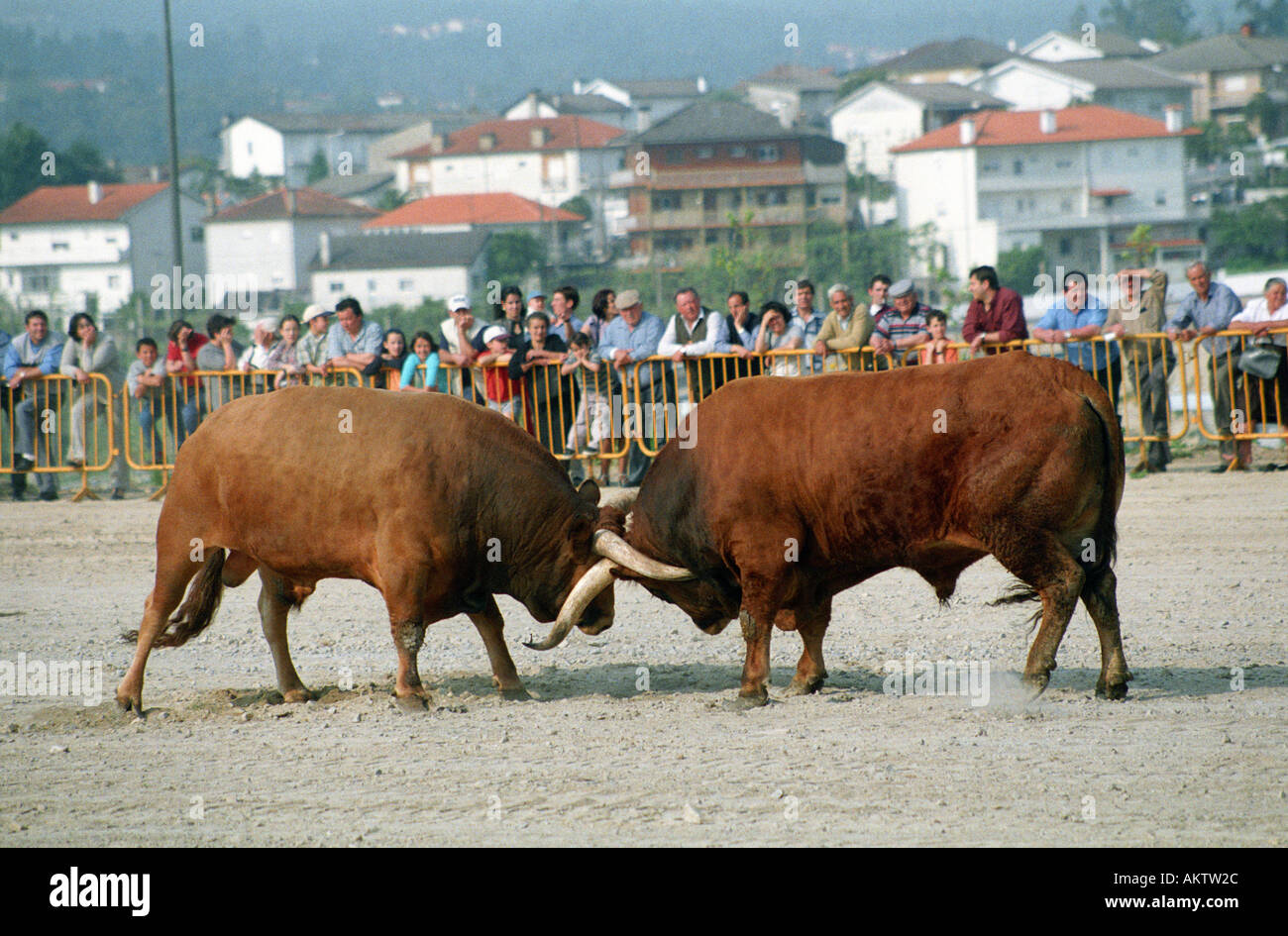
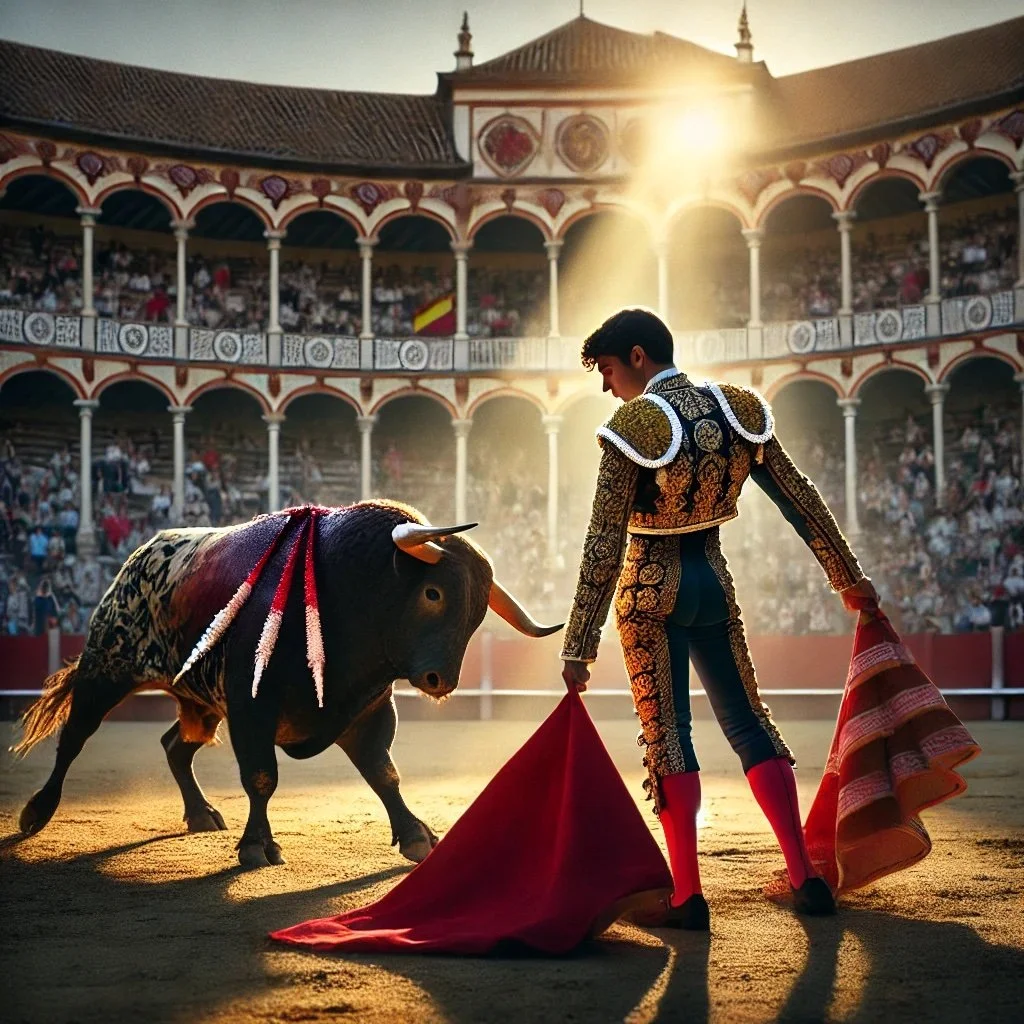
The Debate Over Killing a Bull in Portugal
The debate over killing a bull in Portugal centers on a unique legal and cultural compromise: while traditional bullfighting (tourada) remains legal, actually killing the bull inside the public bullring was banned nationwide in 1928. T...
The debate over killing a bull in Portugal centers on a unique legal and cultural compromise: while traditional bullfighting (tourada) remains legal, actually killing the bull inside the public bullring was banned nationwide in 1928. This tension between historical preservation, animal welfare, and modern European human rights standards creates a polarized national discussion regarding the future of tauromachy in the country.
Contents
Historical Evolution of Portuguese Tauromachy
To understand the contemporary debate over killing a bull in Portugal, one must examine how Portuguese tauromachy diverged from its Spanish counterpart. While Spanish bullfights typically culminate in the public execution (tercio de muerte) of the animal by the matador, Portuguese traditions (touradas à corda and arena spectacles) developed along a different legal and cultural trajectory.
Historically, royal decrees and municipal regulations shaped the arena. The pivotal legislative turning point occurred in 1928 during the dictatorship of António de Oliveira Salazar. Decree-Law No. 15:392 prohibited the killing of bulls inside public arenas, a restriction intended to curb excessive bloodshed and align public spectacles with shifting sensibilities while preserving the mounted equestrian displays (cavaleiros) and the pega—where the forcados unarmed team captures the bull by the horns.
This legislative intervention created a bifurcated Iberian landscape. In Spain, the public death of the bull is considered the structural climax of the performance. In Portugal, the law mandates that the bull leave the arena alive, after which it is either transported back to the ranch for breeding or, historically, sent to a slaughterhouse away from the public gaze.
Legal Framework and Exemptions
The legal status of bullfighting in Portugal is governed by specific national statutes and municipal bylaws, creating an intricate framework that separates public slaughter from traditional performance.
Under Portuguese law, animal cruelty is generally prohibited and punishable by fines or imprisonment. However, historical and cultural traditions (manifestações de interesse cultural) enjoy constitutional and legislative protections. This legal carve-out shields tauromachy from blanket animal welfare bans, framing the activity as an intangible cultural heritage asset.
The Barrancos Exception
The prohibition against killing bulls in the ring contains one notable exception. In 2002, despite national laws, the remote border town of Barrancos enacted local bylaws permitting the public killing of the bull during its annual festival, invoking deep-seated local traditions dating back centuries.
Following a protracted legal and political standoff between local authorities and the national government, a compromise was reached via Law No. 19/2002. This specific statute carved out a narrow exemption allowing the public killing of bulls exclusively in municipalities where such a practice could be documented as an unbroken historical tradition predating the 1928 nationwide ban. Barrancos remains the sole jurisdiction in Portugal where this exception is actively utilized, making it a focal point for both animal rights activists and cultural traditionalists.
Arguments Driving the Modern Debate
The socio-political landscape surrounding the Portuguese bullring is fiercely contested, with distinct factions advocating opposing ethical, economic, and cultural viewpoints.
| Pro-Tradition / Tauromachy Factions | Animal Welfare / Abolitionist Factions |
|---|---|
| • Preservation of intangible cultural heritage and history. | • Opposition to animal suffering and public spectacle violence. |
| • Protection of the endangered Lusitano horse and fighting bull breeds. | • Alignment with modern European human rights and ethics. |
| • Significant rural employment and tourism revenue. | • Economic irrelevance and reliance on diminishing public subsidies. |
The Perspective of Cultural Preservationists
Proponents of the tourada, represented by organizations such as the Associação Nacional de Toureiros and the Pró-Toiro federation, argue that tauromachy is an inseparable pillar of Portuguese identity. They emphasize that the Portuguese style places supreme value on the skill of the equestrian (cavaleiro) and the bravery of the forcados, minimizing the physical trauma inflicted upon the animal compared to foreign variants.
Furthermore, proponents argue that fighting bulls (toiros de lide) live natural, expansive lives in the countryside on protected pastures (montados), contributing to biodiversity and the preservation of rural ecosystems. From this viewpoint, restricting or banning bullfighting would threaten the economic viability of these specialized ranches and erase centuries of equestrian tradition.
The Perspective of Animal Welfare Advocates
Conversely, animal rights groups—including ANIMAL, Almimal, and various international NGOs—argue that the absence of a public death does not eliminate animal cruelty. They point out that bulls still endure severe physical stress, painful punctures from barbed darts (bandarilhas), and psychological terror during the arena performance before being removed for slaughter.
Abolitionists reject the justification of tradition, asserting that cultural practices must evolve alongside modern ethical standards. They highlight declining attendance figures, shrinking television broadcasts, and the withdrawal of municipal support in various urban centers as evidence that society is moving past blood sports. Critics also challenge the economic arguments, pointing to studies suggesting that state and municipal subsidies artificially sustain an industry that lacks broad consumer demand.
Economic and Social Impact
The economic footprint of the debate over killing a bull in Portugal is a frequent subject of contention in parliamentary discussions and municipal budget hearings.
- Tourism and Regional Commerce: Supporters claim that festivals featuring bullfighting draw regional tourism, supporting local hospitality, hotels, and artisanal trades, particularly in the Ribatejo and Alentejo regions.
- Direct Subsidies: Critics scrutinize the allocation of public funds, including European Union agricultural subsidies received by fighting-bull breeders and municipal grants used to maintain arena infrastructure.
- Shifting Demographics: Polling and public engagement indicate a generational divide, with younger urban demographics demonstrating significantly lower interest in attending bullfights compared to older rural populations.
Frequently Asked Questions
Is it legal to kill a bull in a public arena in Portugal?
No, killing a bull inside a public bullring has been illegal nationwide since 1928, with the sole historical exception of the municipality of Barrancos under specific traditional bylaws.
What happens to the bull after a Portuguese bullfight?
After the performance concludes in the ring, the bull is captured, treated by veterinarians for its injuries, and transported away from the public arena, typically to be slaughtered in a commercial facility or, in rare cases, returned to the ranch for breeding.
What is the role of the forcados in Portuguese tauromachy?
The forcados are a group of eight unarmed men who perform the pega, a traditional display of courage where they provoke the bull and physically wrestle it to a standstill to subdue it without weapons.
Do European Union funds support bullfighting in Portugal?
While direct EU agricultural subsidies are paid to landowners and livestock breeders for maintaining pastures and preserving endangered breeds like the Lusitano and fighting bull, the EU does not directly subsidize the staging of bullfights.
How does Portuguese bullfighting differ from Spanish bullfighting?
The primary difference is that Spanish matadors kill the bull inside the arena as the culmination of the fight, whereas Portuguese law forbids killing the bull in front of the audience, emphasizing mounted horoscopy and unarmed teamwork instead.
Next Actions and Outlook
For observers, researchers, and travelers navigating the cultural landscape of Portugal, understanding the nuances of this debate requires looking beyond polarized rhetoric. While the 1928 ban on public execution distinguishes Portuguese tauromachy from its neighbors, the underlying ethical questions regarding animal use in entertainment remain unresolved. Legislative proposals to ban state funding, eliminate tax exemptions, or restrict minors from attending events continue to cycle through the Portuguese Parliament (Assembleia da República), ensuring that the future of the arena remains a contested frontier between heritage protection and animal rights.
Image Gallery