Decoding the Lyric "I Changed the Lock on My Front Door": Emotional Metaphors and Musical Contexts
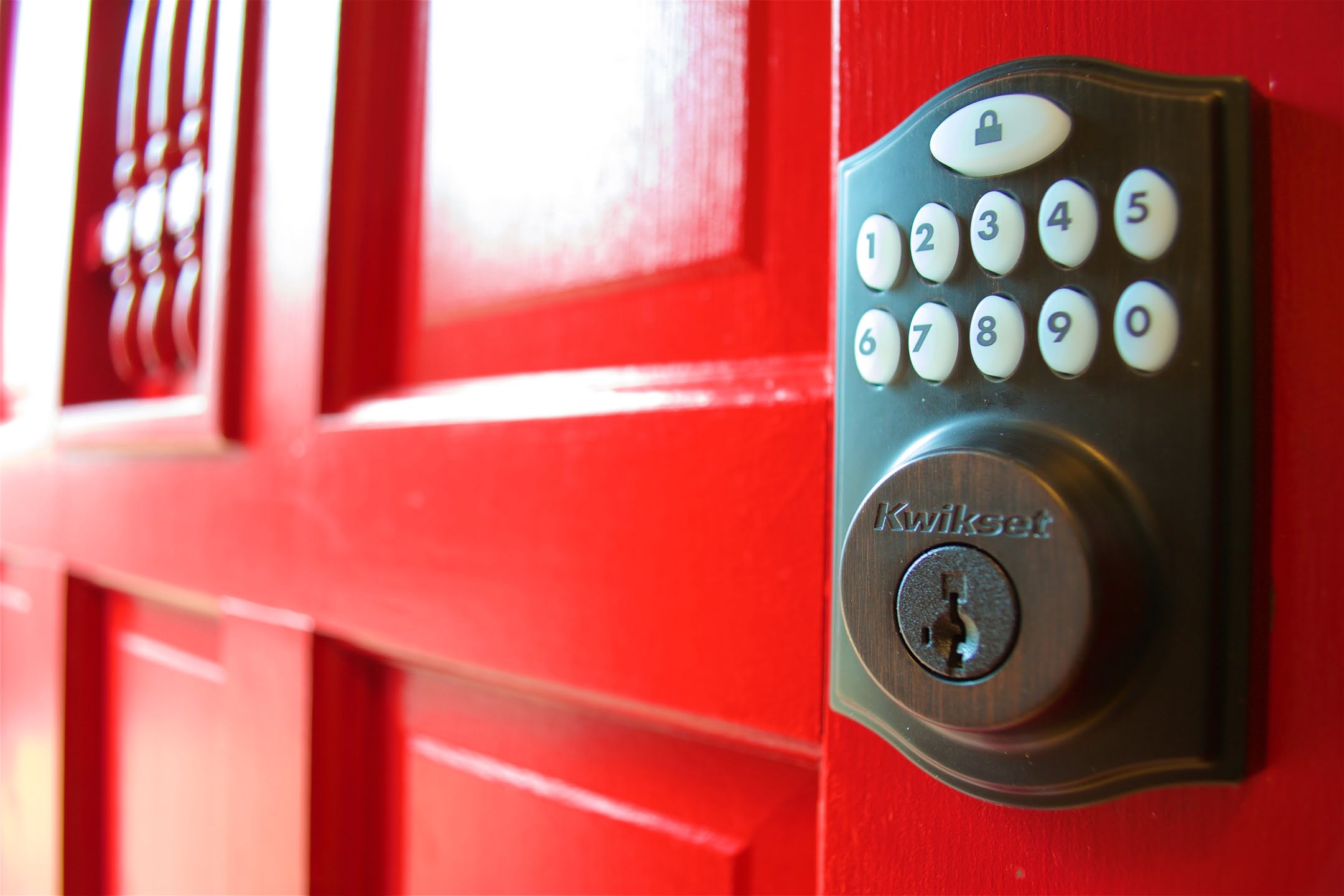
The lyric line "I changed the lock on my front door" functions as a powerful metaphor for personal boundaries, emotional self-preservation, and the formal termination of a relationship. Rather than a literal home improvement task, the...
The lyric line "I changed the lock on my front door" functions as a powerful metaphor for personal boundaries, emotional self-preservation, and the formal termination of a relationship. Rather than a literal home improvement task, the phrase typically signifies a deliberate psychological shift where an individual denies someone else physical and emotional access to their personal space.
Contents
Understanding song lyrics requires looking at how artists use everyday objects to explain complex emotional landscapes. Physical actions like changing a lock translate abstract feelings of betrayal, independence, and closure into clear, relatable images. This article explores the linguistic, psychological, and thematic meanings behind this specific lyrical motif across contemporary songwriting.
The Psychology of Access: Physical Boundaries as Emotional Metaphors
In popular music, the home frequently represents the self, the heart, or a shared relational space. When a songwriter introduces home security hardware into a lyric, they are utilizing architectural metaphors to describe internal states. A door is designed for passage—it can open to welcome connection or close to enforce safety. By changing the lock, the narrator takes back control over who crosses that threshold.
This act highlights a transition from vulnerability to protection. In the context of a breakup or a toxic dynamic, allowing someone continued access often keeps old wounds open. Changing the lock signals that the negotiation period is over. It establishes a unilateral boundary that does not require the other person’s consent or understanding. Listeners connect with this imagery because it externalizes a private decision, turning an invisible emotional boundary into a concrete, undeniable barrier.
Common Lyrical Themes Associated with Home Security Metaphors
Songwriters rely on domestic objects because they are universally understood. When applied to interpersonal conflict, security-related lyrics usually point to specific narrative arcs:
- Irrevocable Finality: Unlike packing a bag, which can be unpacked, changing a lock requires effort, intent, and expense, signaling that reconciliation is off the table.
- Restoration of Agency: After experiencing manipulation or emotional intrusion, taking physical steps to secure a living space helps restore a sense of personal power.
- The Death of Hospitality: A home that was once open and welcoming to a partner becomes heavily fortified, emphasizing that trust has been completely broken.
Analyzing Contexts: Breakups, Independence, and Self-Preservation
To fully understand the meaning of a lyric involving a changed lock, one must examine the surrounding verses. The emotional weight of the action shifts depending on whether the narrator feels grief, anger, relief, or exhaustion.
The Breakup Anthem and Empowerment
In upbeat pop or rock tracks, changing the lock is often framed as an act of liberation. The narrator has moved past the crying stage and transitioned into self-reliance. Here, the lyric acts as a declaration of independence. It tells the listener that the protagonist no longer depends on their former partner for validation, safety, or happiness. The act is empowering because it replaces passive victimhood with active defense.
The Melancholy of Final Closure
Conversely, in slower ballads or acoustic tracks, the same action can carry deep sorrow. The narrator might hate that it came to this point, recognizing that changing the lock is necessary for survival, even if it hurts. In these settings, the lyric underscores the tragedy of lost intimacy. It highlights the grief of locking someone out not out of pure malice, but out of absolute necessity to protect one's mental health.
Comparison of Emotional Drivers Behind Door and Lock Lyrics
Different musical genres and emotional tones use domestic security imagery in distinct ways. The table below outlines how the context changes the meaning of the phrase.
| Emotional Tone | Primary Intent | Narrative Outcome | Typical Musical Style |
|---|---|---|---|
| Empowerment | Reclaiming personal agency and space | The ex-partner is permanently shut out; the protagonist moves on. | Upbeat Pop, Dance-Pop, Anthemic Rock |
| Grief/Heartbreak | Enforcing painful boundaries for survival | Reluctant separation; sadness over the loss of shared trust. | Indie Folk, Slow Ballad, R&B |
| Vindictiveness | Retaliation and public assertion of control | Dramatic fallout; theatrical display of power dynamics. | Hip-Hop, High-Energy Pop |
Frequently Asked Questions
Why do songwriters use physical objects like locks in breakup songs?
Physical objects give abstract emotions concrete form. Listeners can easily picture a key no longer working, which makes the psychological feeling of being shut out or shutting someone out much more immediate and vivid than standard emotional descriptions.
Is "I changed the lock on my front door" a direct reference to a specific famous song?
While variations of this line appear in multiple independent songwriting catalogs and folk traditions to signify moving on after a failed relationship, it functions primarily as a universal idiom within the broader genre of breakup anthems rather than belonging exclusively to a single mainstream track.
What does a locked door symbolize in literature and music?
A locked door symbolizes boundaries, secrets, safety, and exclusion. In relational contexts, it represents the boundary where intimacy ends and self-preservation begins, signaling that access is no longer a given.
How does changing a lock differ lyrically from packing bags?
Packing bags focuses on the departure of the other person, which can sometimes feel temporary or mutual. Changing the lock focuses on the retention and securing of space by the person left behind, representing a proactive refusal to allow future entry.
Conclusion and Next Action
When analyzing lyrics about changing a front door lock, look beyond the literal carpentry and examine the emotional architecture of the song. Pay attention to the tone, tempo, and surrounding narrative clues to determine whether the act represents triumphant independence or sorrowful self-defense. For a deeper appreciation of the track, listen closely to how the instrumentation builds during the lines leading up to the mention of boundaries, as musical arrangements often mirror the emotional tightening of a secured space.
Image Gallery