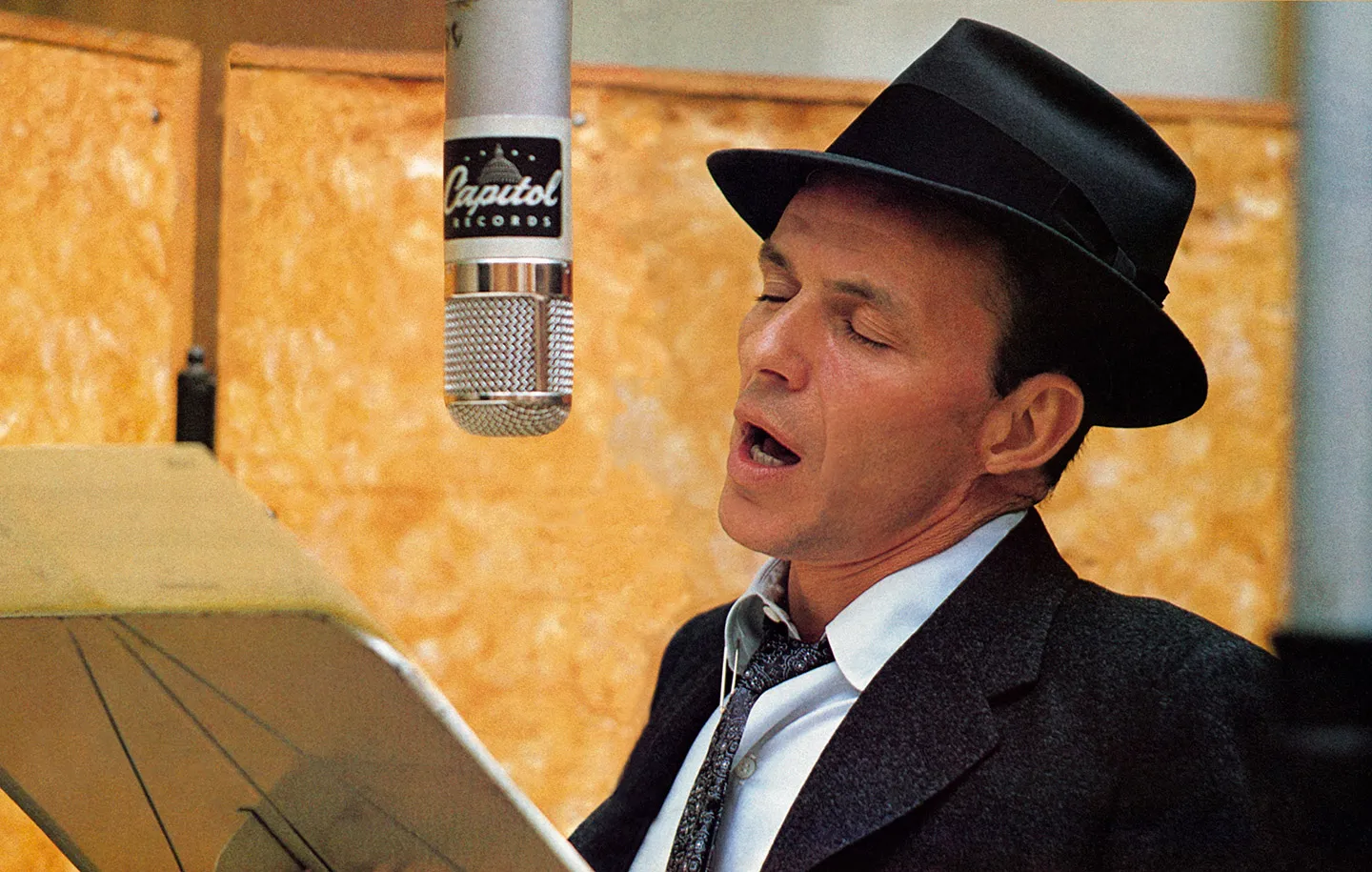
The Story Behind Sinatra La Father and His Influence
The phrase "Sinatra la father" often surfaces in cross-cultural digital discussions to describe the foundational archetype, patriarchal presence, and stylistic gravity modeled by legendary American entertainer Frank Sinatra, examining...
The phrase "Sinatra la father" often surfaces in cross-cultural digital discussions to describe the foundational archetype, patriarchal presence, and stylistic gravity modeled by legendary American entertainer Frank Sinatra, examining how his persona transcended mid-century music to become a blueprint for modern cool.
Contents
To understand the cultural resonance of Frank Sinatra—frequently mythologized as a godfather of modern entertainment, lifestyle, and attitude—one must look beyond his definitive catalog of recordings. His journey from a Hoboken neighborhood to the apex of global celebrity established a blueprint for how performers manage their careers, shape public perception, and project authority. This examination explores the historical trajectory of Sinatra’s rise, the structural elements of his influence on subsequent generations of artists, and the enduring legacy of the persona often referred to in modern vernacular as the ultimate patriarch of style.
The Origins of a Cultural Patriarch
Frank Sinatra’s ascent began in working-class Hoboken, New Jersey, during the Great Depression. Born to Italian immigrant parents, his early life was shaped by the ethnic enclaves of the Northeast and the gritty realities of industrial America. These formative years instilled a relentless drive and an acute understanding of the working-class audiences who would eventually make him a pop culture icon.
Unlike many of his contemporaries who relied strictly on arranged band arrangements or traditional vocal coaching, Sinatra approached singing with an actor’s sensibility. Influenced by the phrasing of big band instrumentalists like Tommy Dorsey and the dramatic delivery of classic Italian opera, he dismantled the traditional, rigid constraints of big band singing. He brought a conversational intimacy to the microphone, transforming popular songs into deeply personal confessions.
This stylistic shift was not merely musical; it was psychological. By presenting himself as vulnerable yet fiercely self-determined, Sinatra forged an immediate, visceral connection with listeners. This foundation established the psychological archetype of the self-made man who answers to no one—a core component of the "father" or patriarchal archetype associated with his name in cultural analyses.
Constructing the Persona: Independence and the Rat Pack
A critical turning point in Sinatra’s career occurred in the 1950s following a well-documented professional slump. His reinvention as an Academy Award-winning actor in From Here to Eternity (1953) and his subsequent partnership with Capitol Records marked the birth of the definitive Sinatra aesthetic: sharp tailoring, late-night camaraderie, and unyielding autonomy.
The Independence Movement
In 1960, Sinatra executed a masterstroke of music industry independence by founding Reprise Records. By refusing to remain a standard-contract employee under major label executives, he set a precedent for artists seeking ownership of their masters and creative control over their output. This structural disruption anticipated the modern artist-entrepreneur model by decades, positioning him as an industry patriarch who demanded financial and artistic sovereignty.
The Cultural Impact of the Rat Pack
Through his leadership of the Rat Pack—alongside Dean Martin, Sammy Davis Jr., Peter Lawford, and Joey Bishop—Sinatra codified a specific brand of masculine leisure and cool detachment. Their Las Vegas residencies during the peak of the civil rights era and the height of the Cold War projected a cosmopolitan illusion of effortless control. This collective persona reshaped American nightlife, entertainment production, and consumer culture, cementing Sinatra at the center of a powerful social hierarchy.
| Era / Milestone | Key Professional Action | Cultural & Industry Impact |
|---|---|---|
| 1940s (Big Band & Swoon) | Solo breakout from Tommy Dorsey; mobilization of bobby-soxer fandom. | Invented the modern pop idol phenomenon and mass teenage hysteria. |
| 1950s (Capitol & Oscar) | Transition to gritty acting roles and conceptual albums at Capitol. | Proved that a pop singer could achieve high-art critical acclaim and cinematic gravitas. |
| 1960s (Reprise & Las Vegas) | Founding of Reprise Records; cultural dominance in cinema and live shows. | Established artist ownership precedents and defined the mid-century modern aesthetic. |
Musical Innovations and Vocal Delivery
Beyond his cultural footprint, Sinatra’s technical contributions to vocal performance remain a cornerstone of his influence. He treated the microphone not merely as a sound reinforcement tool, but as an intimate instrument capable of capturing micro-nuances in breath, phrasing, and emotional resonance.
He pioneered the concept of the "concept album," turning collections of songs into cohesive narrative journeys centered on themes of heartbreak, loneliness, late-night contemplation, and romantic optimism. Arrangers like Nelson Riddle, Gordon Jenkins, and Billy May built lush, cinematic orchestrations around his voice, creating a standard for pop-orchestral collaboration that endures in contemporary jazz and pop production. Subsequent generations of vocalists—from Michael Bublé to Harry Connick Jr. and Seth MacFarlane—continue to draw directly from the technical phrasing and swagger pioneered during these sessions.
The Patriarchal Archetype in Modern Media
The moniker "Sinatra la father" or references to his patriarchal influence often emerge in discussions concerning how modern media views authority, style, and cool. Sinatra projected an image of absolute control over his environment, even amidst personal turbulence and public scrutiny.
This archetype has heavily influenced cinematic depictions of organized crime, corporate leadership, and urban independence. Directors like Martin Scorsese and Francis Ford Coppola frequently draw upon the aesthetic of mid-century Italian-American assimilation, public swagger, and private vulnerability that Sinatra personified. In this context, he serves as a cultural ancestor for a lineage of characters who balance traditional machismo with refined sophistication.
Common Misconceptions About the Sinatra Legacy
Discussions surrounding Sinatra’s influence frequently drift into oversimplification, occasionally obscuring the calculated labor behind his effortless public image.
- The Myth of Natural Talent Alone: While blessed with extraordinary vocal instincts, Sinatra was a relentless perfectionist who rehearsed endlessly, scrutinized arrangements down to the single measure, and studied classical and jazz vocalists with academic rigor.
- The Monolithic Persona: Pop culture often reduces him strictly to a tough-talking mob-adjacent crooner, ignoring his substantial philanthropic efforts, his progressive social stances during the desegregation of Las Vegas showrooms, and his vulnerable, introspective recordings about profound melancholy.
- Instant Commercial Dominance: His career experienced catastrophic commercial and critical valleys in the late 1940s and early 1950s, making his subsequent mid-century reinvention an impressive feat of brand restructuring rather than an unbroken upward trajectory.
Frequently Asked Questions
What does the cultural term "Sinatra la father" signify in modern discussions?
It refers to the foundational influence of Frank Sinatra as a patriarchal archetype of style, independence, and cool. It highlights how his career choices and public persona established the modern template for artistic autonomy and masculine presentation.
How did Frank Sinatra change the music industry for future artists?
By breaking away from major record labels to found Reprise Records in 1960, Sinatra demonstrated that recording artists could successfully demand creative control, financial equity, and ownership of their master recordings, paving the way for the modern artist-run label model.
What were the primary musical characteristics of Sinatra's vocal style?
Sinatra combined the lyrical phrasing of big band horn players with dramatic, narrative-driven acting techniques. He approached standard pop songs with conversational intimacy, precise diction, and deep emotional resonance, transforming standard tunes into personal storytelling.
How did the Rat Pack contribute to Sinatra's enduring legacy?
The Rat Pack performances in Las Vegas and films like Ocean's 11 merged live entertainment with high-end cosmopolitan leisure. This collaboration amplified Sinatra's cultural dominance, cementing his status as the center of an influential social and creative circle.
Are there direct modern successors to Sinatra's musical style?
While many contemporary traditional pop and jazz vocalists study his phrasing and orchestrations, his unique combination of gritty working-class roots, cinematic acting gravitas, and absolute industry autonomy makes his specific trajectory difficult to replicate identically in the modern media landscape.
Practical Recommendations for Exploring Sinatra's Influence
For researchers, musicians, and cultural historians seeking to fully understand the depth of Sinatra’s impact, a structured approach to his primary works is essential:
- Examine the Capitol Concept Albums: Listen to In the Wee Small Hours (1955) and Songs for Swingin' Lovers! (1956) to experience the apex of his vocal phrasing and collaboration with arranger Nelson Riddle.
- Review His Cinematic Work: Watch From Here to Eternity (1953) and The Man with the Golden Arm (1955) to observe how his dramatic acting skills informed his musical delivery and solidified his cultural footprint.
- Study Industry Milestones: Research the formation of Reprise Records to understand the business mechanics behind artist independence and ownership in the mid-20th-century music industry.
Image Gallery