Understanding the Dandadan Anime: Plot, Themes, and Production
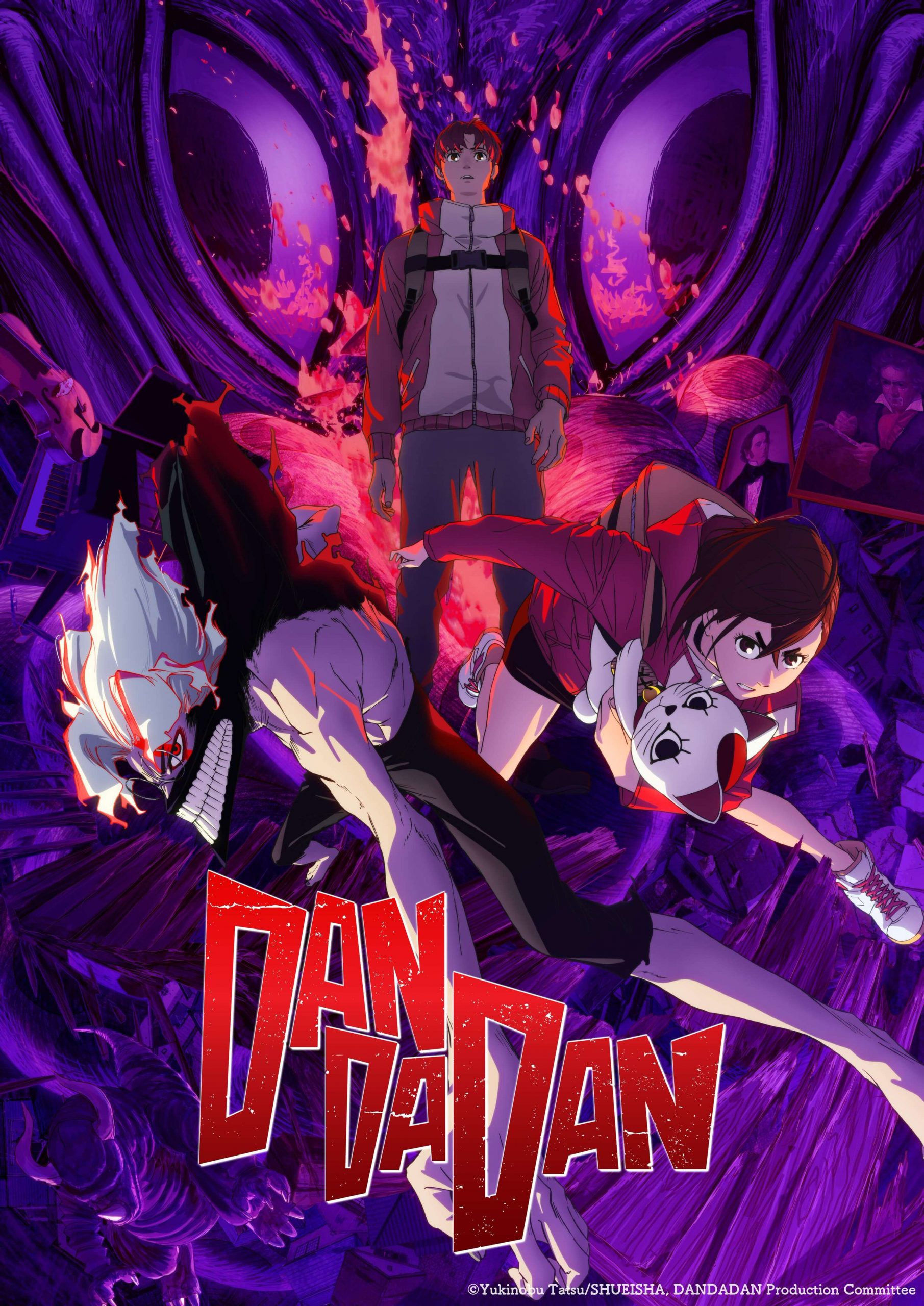
The Dandadan anime adaptation is a genre-defying spectacle that blends supernatural horror, science fiction, and high-school romance into a cohesive, high-energy narrative. Produced by Science SARU, it follows two teenagers—Momo Ayase...
The Dandadan anime adaptation is a genre-defying spectacle that blends supernatural horror, science fiction, and high-school romance into a cohesive, high-energy narrative. Produced by Science SARU, it follows two teenagers—Momo Ayase and Ken "Okarun" Takakura—as they navigate a world where both ghosts and aliens are terrifyingly real.
Contents
The Narrative Foundation: Ghosts vs. Aliens
At the core of understanding Dandadan is the fundamental conflict between two types of "unexplained" phenomena: the occult (ghosts and spirits) and the extraterrestrial (aliens and UFOs). The story begins with a clash of beliefs. Momo Ayase, raised by a spirit medium grandmother, firmly believes in ghosts but scoffs at the idea of aliens. Conversely, Ken Takakura (whom Momo nicknames "Okarun") is an occult enthusiast who believes in aliens but is skeptical of the spirit world.
To prove each other wrong, they visit locations famous for sightings of the opposite's obsession. Momo goes to a hospital known for UFO sightings, while Okarun visits a haunted tunnel. This inciting incident leads to both characters being proven right—and cursed. Okarun is possessed by the Turbo Granny, a foul-mouthed spirit that steals his "manhood," while Momo is abducted by Serpoians, aliens who seek to harvest human reproductive organs.
This bizarre, often raunchy premise serves as the catalyst for a series of high-stakes battles. The narrative evolution moves from simple survival to a complex mission to recover Okarun’s missing parts, all while defending their town from increasingly grotesque threats. The brilliance of the writing lies in how it balances these absurdities with genuine character growth and emotional stakes.
Character Dynamics and Relationship Arc
While the action and horror elements provide the spectacle, the relationship between Momo and Okarun is the emotional engine of the series.
Momo Ayase: The Confident Protector
Momo is not a typical "damsel in distress." As the granddaughter of the powerful medium Seiko Ayase, she possesses latent psychic abilities that awaken during her encounter with the Serpoians. She is protective, assertive, and initially judgmental, but her character deepens as she learns to appreciate Okarun’s sincerity and bravery. Her design reflects a "gyaru" aesthetic, but her personality is grounded in a fierce loyalty to her family and friends.
Ken "Okarun" Takakura: The Vulnerable Hero
Okarun begins as a social outcast with no friends, finding solace only in his research on aliens. His transformation throughout the series is physical and psychological. When he uses the Turbo Granny's power, he undergoes a "transformation" that grants him immense speed and strength, but at a cost to his stamina and mental state. His journey is one of gaining self-confidence and learning to rely on others, specifically Momo.
Supporting Cast and Antagonists
The series excels at turning enemies into allies. The Turbo Granny, initially a terrifying antagonist, eventually becomes a reluctant (and diminutive) houseguest who provides exposition and comedic relief. Other characters, like Aira Shiratori and Jiji (Enjoji), introduce complicated romantic rivalries and new supernatural threats, such as the Acrobatic Silky and the Evil Eye.
The Visual Identity of Science SARU
A major factor in understanding why Dandadan stands out in the 2026 anime landscape is its production house, Science SARU. Known for their fluid, often experimental animation style (seen in Devilman Crybaby and Keep Your Hands Off Eizouken!), the studio was the perfect choice to handle the chaotic energy of Yukinobu Tatsu’s original manga.
The animation emphasizes "distorted perspective" and "exaggerated kinesis." When Okarun moves at high speeds, the background often blurs into psychedelic streaks, capturing the disorientation of his supernatural powers. The character designs remain faithful to the manga's detailed linework while allowing for the "rubber-hose" flexibility needed for the show's frequent comedic beats.
Furthermore, the color palette shifts dynamically based on the threat. Alien encounters are often bathed in sterile, neon greens and blues, emphasizing their cold, technological nature. In contrast, ghost encounters utilize deep reds, purples, and ink-like blacks to evoke traditional Japanese horror aesthetics. This visual distinction helps viewers immediately identify the "faction" of the current antagonist.
Genre-Blending: Horror, Comedy, and Romance
Dandadan is notoriously difficult to categorize because it refuses to stick to one genre for more than a few minutes.
- Body Horror: The series does not shy away from the grotesque. Alien abductions involve medical horror and invasive procedures, while ghosts often manifest as distorted, fleshy monstrosities.
- Absurdist Comedy: Much of the humor is derived from the sheer "weirdness" of the situations. Whether it is a giant flatwoods monster or a ghost that wants to play tag, the show leans into the ridiculousness of its premise.
- Coming-of-Age Romance: Despite the chaos, the blossoming romance between Momo and Okarun is handled with surprising delicacy. Their awkward interactions and mutual pining provide a relatable anchor in an otherwise surreal world.
Comparing the Forces: Aliens vs. Yokai
To better understand the threats Momo and Okarun face, it is helpful to categorize the recurring antagonists seen throughout the first season and beyond.
| Entity Type | Primary Motivation | Common Characteristics | Notable Examples |
|---|---|---|---|
| Extraterrestrials | Biological research and reproduction | High-tech weaponry, hive-mind logic, sterile appearance | Serpoians, Flatwoods Monster, Mantis Shrimp |
| Yokai / Ghosts | Grudges, territorial defense, or lost desires | Curses, physical transformation, spiritual manifestation | Turbo Granny, Acrobatic Silky, Reiko Kashima |
| Cryptids | Predatory instinct or mystery | Primal behavior, physical prowess, elusive nature | Nessie, Tsuchinoko |
Technical Excellence: Sound and Music
The auditory experience of Dandadan is as important as its visuals. The soundtrack, composed by Kensuke Ushio (who also worked on Chainsaw Man), blends electronic dance music with traditional Japanese instruments. This "techno-occult" fusion mirrors the show's central theme of sci-fi meeting spirituality.
The sound design also utilizes silence effectively. In horror-heavy scenes, the absence of music heightens the tension before a sudden, loud supernatural outburst. The voice acting, particularly the chemistry between the leads, captures the fast-paced "manzai-style" banter that defines the characters' daily lives.
Cultural Context and the "New Gen" Shonen
By 2026, Dandadan has solidified its place as a leader of the "New Gen" Shonen Jump+ titles. Much like Chainsaw Man or Jigokuraku (Hell's Paradise), it pushes the boundaries of what is acceptable in a shonen demographic. It deals with mature themes, including social isolation, sexual harassment (as a plot point for alien motivations), and grief, but it always returns to the core shonen values of friendship and perseverance.
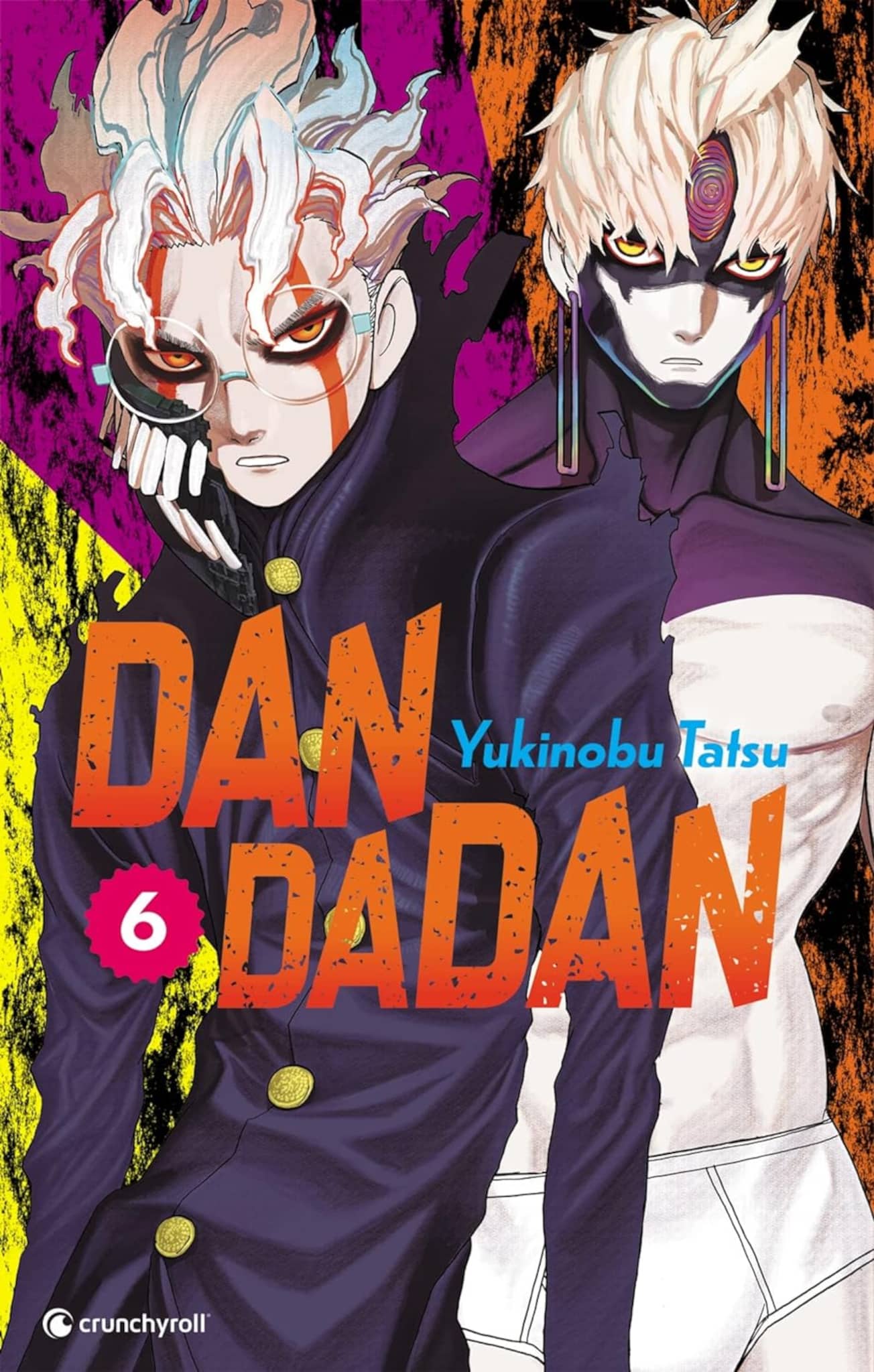
The creator, Yukinobu Tatsu, previously worked as an assistant to Tatsuki Fujimoto (Chainsaw Man). This lineage is evident in the manga’s cinematic paneling and "weird fiction" sensibilities, which the anime adaptation preserves through its high-frame-rate action sequences and unconventional pacing.
Frequently Asked Questions
Is Dandadan a horror anime?
Yes, but it is not exclusively horror. It utilizes horror tropes—such as jump scares, gore, and unsettling creature designs—but these are often subverted by comedy or resolved through high-octane action. It is better described as a "supernatural action-comedy" with strong horror elements.
Do I need to read the manga before watching the anime?
While the anime is a faithful adaptation, reading the manga offers a different appreciation for Yukinobu Tatsu’s intricate art style. However, the anime is designed to be a standalone experience that covers the narrative beats clearly, making the manga optional for understanding the core plot.
What is the significance of the title "Dandadan"?
The title is somewhat enigmatic. Within the context of the story, it refers to a rhythmic or ritualistic sound, but it also serves as a catchy, punchy name that reflects the high-energy, percussive nature of the series. It doesn't have a direct English translation but is often associated with the "beat" of the story's progression.
Is there a lot of fan service in the show?
The show contains "ecchi" or suggestive elements, particularly in the beginning where the Serpoian aliens discuss human reproduction. However, these elements are usually played for "cringe" comedy or body horror rather than titillation. As the series progresses, the focus shifts more toward character action and romantic development.
Where does the first season end in the story?
The first season typically covers the initial introduction of the main duo, the Turbo Granny arc, and the Acrobatic Silky arc, culminating in a significant shift in the group dynamic as more supernatural users are introduced to the cast.
Final Recommendation
To fully appreciate the Dandadan anime, viewers should approach it with an open mind regarding genre boundaries. It is a series that rewards attention to detail, particularly in how it weaves urban legends into its overarching plot. For those looking for the next step after finishing the anime, exploring the official Shonen Jump+ digital platform provides access to the latest chapters of the manga, which continue to expand the lore of the Serpoians and the deeper history of the Ayase family.
Image Gallery