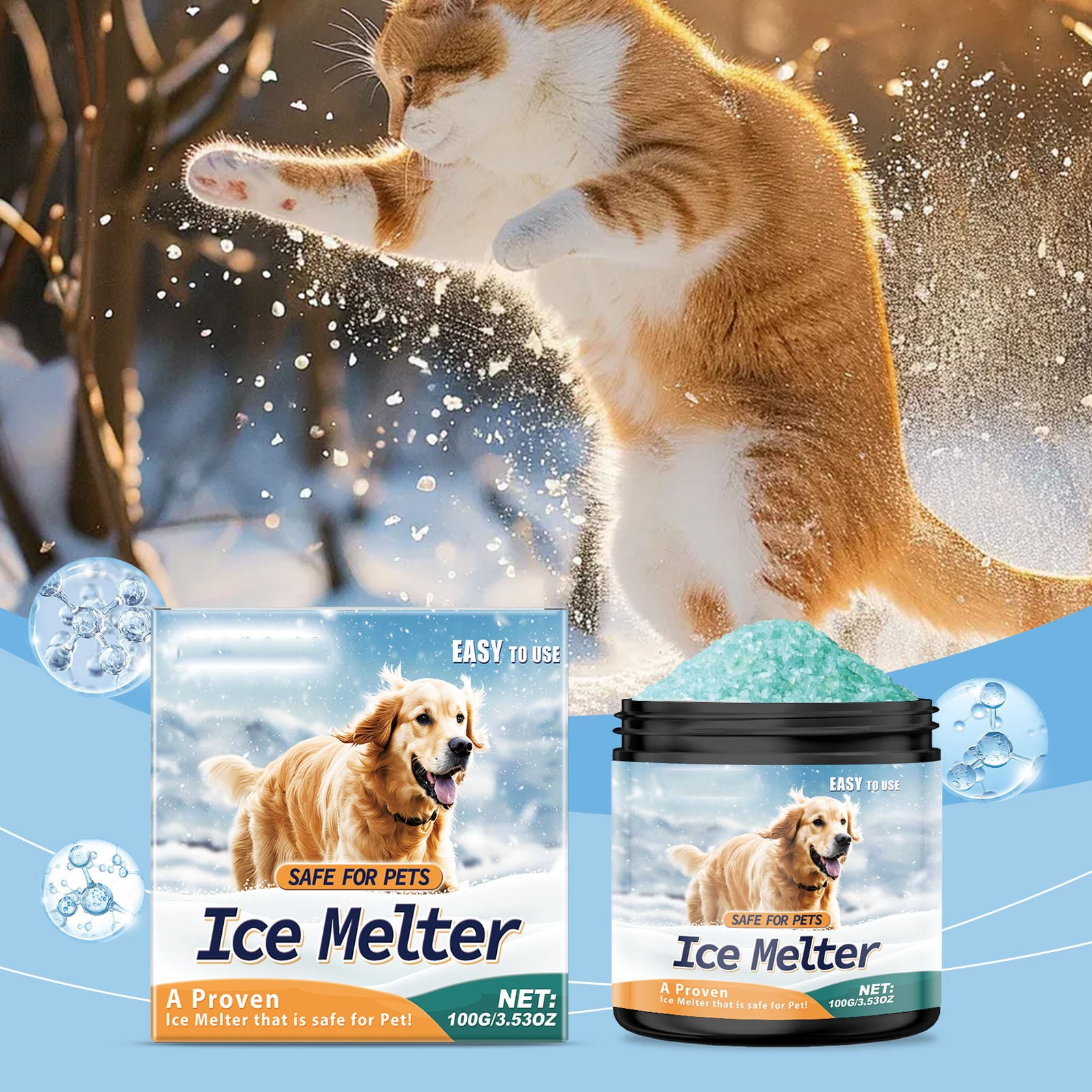
Choosing Pet Safe Ice Melt for Winter Safety
When winter brings freezing temperatures, snow, and ice, clearing walkways and driveways becomes essential for preventing slips and falls. However, traditional rock salt and chemical de-icers can pose severe health and safety risks to...
When winter brings freezing temperatures, snow, and ice, clearing walkways and driveways becomes essential for preventing slips and falls. However, traditional rock salt and chemical de-icers can pose severe health and safety risks to dogs, cats, and local wildlife. Selecting a truly pet-safe ice melt safeguards your animals from painful paw burns, gastrointestinal distress, and long-term systemic health issues while keeping your property ice-free.
Contents
Understanding the Hazards of Traditional Ice Melt
Traditional de-icing products rely heavily on sodium chloride, calcium chloride, magnesium chloride, and potassium chloride. While these compounds lower the freezing point of water effectively, they are chemically harsh. When snow and ice melt, they create a brine that coats sidewalks, streets, and lawns. Pets walking through these areas absorb the chemicals directly through their paw pads or ingest them later during grooming.
The primary dangers of standard ice melt include:
- Chemical Burns and Irritation: High-concentration salts strip moisture from paw pads, causing severe dryness, cracking, chemical burns, and bleeding.
- Gastrointestinal Distress: Dogs and cats instinctively lick their paws after walking outside. Ingesting chemical residues can cause drooling, vomiting, diarrhea, and abdominal pain.
- Systemic Toxicity: If ingested in large quantities, certain chloride compounds—particularly calcium chloride and sodium chloride—can lead to electrolyte imbalances, hypernatremia (high blood sodium), neurological symptoms, and even cardiac arrest.
- Environmental and Surface Damage: Beyond pet safety, traditional salts corrode concrete, damage asphalt, and leach into soil, killing surrounding lawns, shrubs, and trees.
Recognizing these risks highlights the necessity of choosing specialized, pet-friendly alternatives that melt ice effectively without introducing toxic compounds into your home environment.
Key Ingredients in Pet-Safe Ice Melt Formulas
To properly evaluate a product, you must look past marketing terms like "pet friendly" and examine the ingredient panel. True pet-safe ice melts generally avoid or minimize sodium, calcium, and magnesium chlorides, substituting them with gentler compounds.
Urea
Urea is a common component in agricultural fertilizers and is sometimes used as a mild de-icer. It is less irritating to paw pads than rock salt. However, urea has a lower effective temperature range (generally effective down to about 15°F to 20°F) and can release nitrogen runoff into nearby waterways, which may promote excessive algae growth in ponds and streams.
Calcium Magnesium Acetate (CMA)
CMA is widely considered one of the safest commercial de-icers for pets, concrete, and vegetation. Instead of melting ice through corrosive chemical reactions, CMA works by changing the physical properties of snow and ice, preventing them from bonding to pavement. It is non-corrosive to metals, safe for concrete, and exhibits very low toxicity in animals. Its primary drawback is cost and slower melting action at extremely low temperatures.
Potassium Chloride
While potassium chloride is a salt, it is less harsh than sodium or calcium chloride and is even used as a dietary supplement. It works well down to about 12°F to 15°F. However, high ingestions can still cause hyperkalemia (elevated potassium levels), so pet owners should still exercise caution.
Proprietary Plant-Based and Glycol Blends
Many modern pet-safe formulations utilize modified sugars, starches, or agricultural by-products (such as beet juice or corn steep liquor) mixed with CMA or magnesium chloride to lower freezing points safely. These organic additives increase the viscosity of the brine, helping it cling to surfaces and melt ice at lower temperatures while remaining non-toxic if licked off paws.
Comparing De-Icing Formulations
Choosing the right product requires balancing melting performance, surface safety, and animal health considerations. The following table compares common de-icing agents based on their safety profile and operational limits.
| Ice Melt Compound | Pet Safety Level | Concrete Safety | Lowest Effective Temp | Environmental Impact |
|---|---|---|---|---|
| Rock Salt (Sodium Chloride) | Low (High risk of paw burns and toxicity) | Low (Causes spalling and pitting) | 20°F (-6°C) | High (Salinizes soil, damages plants) |
| Calcium Chloride | Low (Exothermic reaction causes severe burns) | Very Low (Aggressive corrosion) | -25°F (-32°C) | Moderate to High |
| Magnesium Chloride | Moderate (Can cause mild to moderate GI distress) | Moderate | 5°F (-15°C) | Moderate |
| Potassium Chloride | Moderate (Safe in small amounts; risk of hyperkalemia) | Moderate | 12°F (-11°C) | Low to Moderate |
| Calcium Magnesium Acetate (CMA) | High (Non-toxic, minimal irritation) | High (Non-corrosive) | 20°F (-6°C) | Low (Biodegradable, safe for plants) |
| Urea | High to Moderate | High | 15°F (-9°C) | Moderate (Nitrogen runoff) |
Evaluating Product Labels and Marketing Claims
The regulatory landscape surrounding pet products can be ambiguous. The term "pet safe" is not always strictly regulated by government agencies for de-icers, meaning manufacturers can sometimes apply the label to products that are simply less harmful than rock salt rather than completely non-toxic.
When shopping for winter safety supplies, keep these evaluation steps in mind:
- Read the Full Ingredient Disclosure: Look for manufacturers that openly list 100% of their ingredients. Avoid products that display vague phrases like "proprietary chloride blend" without specifying the base compounds.
- Check for Independent Certifications: Look for seals from reputable independent organizations, such as the USDA Certified Biobased product label or endorsements from humane societies and veterinary associations.
- Assess Grain Size and Texture: Sharp, jagged crystals can lodge between paw pads and cause physical abrasions. Softer, rounded granules or liquid sprays minimize mechanical injury to sensitive paws.
Best Practices for Winter Pet Safety
Even when using a certified pet-safe ice melt, taking proactive measures ensures your dog or cat remains protected throughout the winter season.
- Wipe Paws After Every Walk: Keep a towel or pet-safe cleansing wipes by the front door. Promptly wiping your pet's paws removes residual slush, ice melt particles, and street grime before they can lick them.
- Inspect Paw Pads Regularly: Check your pet's paws frequently for redness, cracking, swelling, or signs of discomfort during walks. Applying a veterinary-approved paw balm or wax creates a protective barrier against moisture and cold.
- Use Booties for Sensitive Pets: If your dog tolerates them, rubber or fabric winter booties provide a complete physical barrier against ice, snow, and chemical residues.
- Store Products Securely: Store bags and containers of ice melt in elevated, tightly sealed bins out of reach of pets. Ingesting large amounts of concentrated de-icer directly from the bag can lead to severe medical emergencies.
- Shovel Promptly: Whenever possible, physically remove snow and slush with a shovel before applying ice melt. Using less product reduces chemical exposure and protects your landscaping.
Frequently Asked Questions
Is any ice melt 100% safe for pets?
No commercial ice melt is entirely risk-free if consumed in massive quantities, but products made primarily from Calcium Magnesium Acetate (CMA) or specialized plant-based compounds offer a very high safety profile. They lack the caustic, burning properties of sodium and calcium chloride, making them vastly safer for paw contact and minor ingestion.
Can I use ordinary table salt or rock salt if I dilute it?
Diluting rock salt does not eliminate its chemical composition. Sodium chloride remains abrasive and toxic to pets regardless of dilution. Furthermore, diluted salt can still refreeze into a harmful brine layer, making it an inadequate choice for households with animals.
How do I treat my dog's paws if they come into contact with toxic ice melt?
Immediately wash your dog's paws with lukewarm water and mild pet shampoo to remove all chemical residue, then dry them thoroughly. If your dog shows signs of severe irritation, blistering, excessive drooling, lethargy, or vomiting, contact your veterinarian immediately.
Are natural alternatives like sand or kitty litter effective?
Sand, cat litter, and wood ash do not melt ice, but they provide excellent traction on slippery surfaces. Many pet owners mix sand or non-clumping kitty litter with pet-safe ice melts to reduce the total amount of chemical de-icer required while instantly improving walking safety.
Conclusion and Next Action
Choosing the right pet-safe ice melt requires looking past vague marketing labels to verify active ingredients such as Calcium Magnesium Acetate (CMA) or plant-based compounds. By prioritizing formulas that avoid harsh chloride salts, you protect your pets from painful paw burns and systemic toxicity while keeping your walkways clear. Inspect your current winter supplies today, replace harsh rock salt with a verified pet-friendly alternative, and set up a paw-cleaning station by your entryway to ensure a safe winter for the whole household.
Image Gallery