Why the Nebraska Tourism Slogan Matters for Visitors
The Nebraska tourism slogan matters because it uses radical honesty to filter for travelers who value authenticity over spectacle. By acknowledging that the state is not a traditional "bucket list" destination, it builds trust and help...
The Nebraska tourism slogan matters because it uses radical honesty to filter for travelers who value authenticity over spectacle. By acknowledging that the state is not a traditional "bucket list" destination, it builds trust and helps visitors find unique, uncrowded experiences that align with a slower, more intentional pace of travel.
Contents
The Evolution of "Honestly, It’s Not for Everyone"
To understand why this slogan matters to a visitor in 2026, one must first understand the landscape of destination marketing prior to its 2018 launch. For decades, Nebraska attempted to compete with its neighbors by highlighting traditional beauty—rolling hills, sunsets, and water features. However, internal research by the Nebraska Tourism Commission consistently showed that Nebraska was ranked as the "least likely to visit" state in the U.S. Potential travelers viewed the state as a flat, boring "flyover" region with nothing to offer.
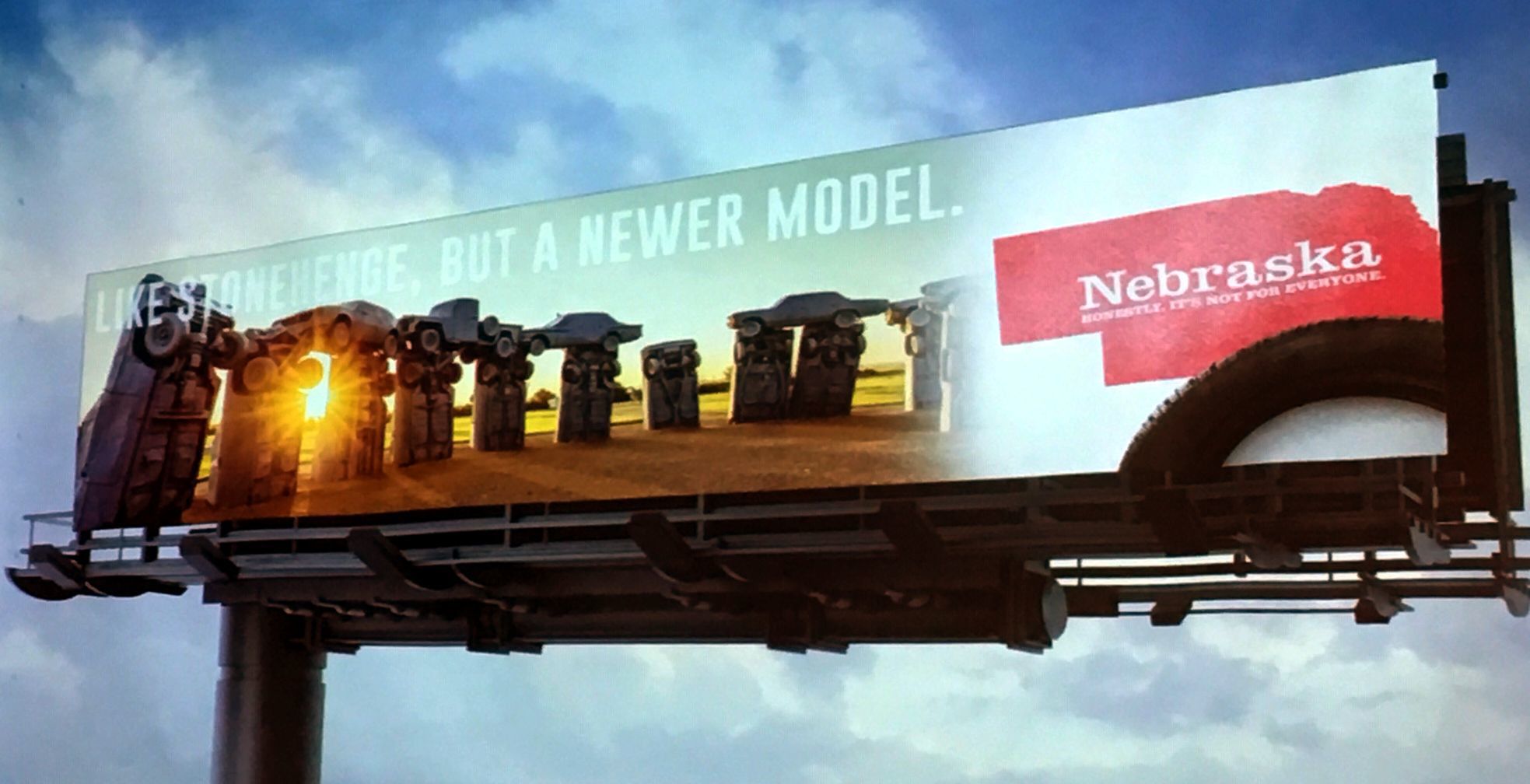
The shift to "Nebraska. Honestly, it’s not for everyone" was a calculated risk aimed at dismantling these stereotypes by leaning into them. Created by the agency Vladimir Jones, the campaign used self-deprecating humor and stark imagery. For a visitor, this shift was revolutionary because it moved away from the "aspirational" (and often deceptive) style of travel ads toward a "transparent" model. It acknowledged that if you are looking for high-altitude mountain peaks or neon-lit metropolitan hubs, Nebraska will likely disappoint you.
By 2026, this approach has become a case study in effective niche marketing. It matters to visitors because it sets a baseline of integrity. When a state is honest about what it isn't, travelers are more inclined to believe what the state claims it is—a place of quiet beauty, profound solitude, and genuine hospitality.
Authenticity as a Filter: Who is Nebraska For?
The slogan serves as a sophisticated filter. In a world where social media often "filters" destinations to look more vibrant or exciting than they are in reality, Nebraska’s branding acts as a refreshing counter-narrative. For the modern visitor, this matters because it assists in the decision-making process by identifying the specific "vibe" of the journey.
The Anti-Tourist Trap Appeal
Many modern travelers suffer from "over-tourism" fatigue. Popular destinations like Yellowstone or the Grand Canyon are often crowded, expensive, and heavily commercialized. Nebraska’s slogan signals a different kind of experience. It tells the visitor that they will not find long lines, overpriced souvenir shops, or manufactured "attractions." Instead, they will find the Sandhills, the largest stabilized sand dune formation in the Western Hemisphere, and the vast, unpeopled stretches of the Ogallala Aquifer region.
Value for the Niche Traveler
The "not for everyone" qualifier specifically targets the following types of visitors:
- The Agritourist: Those interested in the "Silicon Prairie" and the massive scale of American beef and corn production.
- The Wildlife Enthusiast: Specifically those coming for the annual Sandhill Crane migration, where over 500,000 birds descend upon the Platte River valley—a spectacle that is globally significant but requires a taste for rugged, outdoor observation.
- The Road-Tripper: Travelers who find beauty in the "Big Sky" and the rhythmic geometry of the Great Plains.
- The Stargazer: With some of the lowest light pollution in the lower 48 states, regions like Merritt Reservoir State Park offer views of the Milky Way that are increasingly rare.
Managing Expectations in the Age of Over-Saturation
Expectation management is perhaps the most practical reason the slogan matters. Travel disappointment usually stems from a gap between marketing promises and reality. By lowering the "spectacle" bar, Nebraska ensures that the actual visitor experience exceeds expectations.
In 2026, travel costs remain a significant consideration for families and solo adventurers. Choosing a destination is an investment of time and capital. Nebraska’s slogan acts as a "buyer beware" that actually protects the consumer. It prevents the "wrong" visitor from wasting their vacation days in a place they won't enjoy, while simultaneously validating the "right" visitor's choice.
Furthermore, this branding encourages a specific mindset: curiosity. When a visitor is told a place isn't for everyone, the natural human response is to wonder if it might be for them. It transforms a trip to Nebraska from a passive drive-through into an active exploration. Visitors arrive looking for the "hidden" reasons why the state is special, rather than waiting for a landmark to jump out at them.
The Psychological Impact of Self-Deprecating Branding
Psychologically, the slogan builds an immediate rapport between the state and the visitor. In marketing, this is known as the "Stealing Thunder" technique—by being the first to admit your own weaknesses, you gain the authority to speak on your strengths.
When Nebraska shows a picture of a flat field with the caption "Another day of disappointing sunsets (just kidding)," it builds a sense of shared humor. It suggests that Nebraskans are down-to-earth, unpretentious, and perhaps a bit subversive. For a visitor, this translates to the social atmosphere of the state. It suggests that the people you meet in a diner in Valentine or a brewery in Omaha will be just as honest and welcoming as the ads.
This matters because travel is increasingly about "connection" rather than "consumption." Visitors want to feel like they are seeing the "real" version of a place. Nebraska’s slogan promises that the version of the state you see in the brochure is exactly the version you will see on the ground.
Comparing Regional Tourism Approaches (2026 Context)
To see the value of Nebraska's approach, it is helpful to compare it with the branding of neighboring states in the Great Plains and Midwest.
| State | Primary Slogan Concept | Target Audience Intent | Visitor Experience Vibe |
|---|---|---|---|
| Nebraska | "Honestly, it’s not for everyone" | Radical authenticity and niche exploration | Quiet, uncrowded, and self-discovered |
| South Dakota | "Great Faces, Great Places" | Monument-driven tourism (Mt. Rushmore) | Iconic, family-oriented, and educational |
| Kansas | "To the Stars" | Pioneer spirit and historical progress | Historical, agricultural, and expansive |
| Iowa | "Freedom to Flourish" | Quality of life and community growth | Community-focused, pastoral, and stable |
| Colorado | "Come To Life" | High-octane adventure and scenic grandeur | Energetic, mountain-focused, and premium |
As shown in the table, Nebraska is the only state in its peer group that uses a "subtractive" marketing strategy. While others emphasize what they have, Nebraska emphasizes the exclusivity of taste required to appreciate it. This makes the visitor feel like a connoisseur of travel rather than just another tourist.
Hidden Gems that Prove the Slogan Right
The slogan "matters" because it points visitors toward specific types of sites that require a certain appreciation for the understated. For those who "get it," the following locations represent the pinnacle of the Nebraska experience:
- Toadstool Geologic Park: Located in the Oglala National Grassland, this area features bizarre rock formations that resemble giant toadstools. It is rugged, remote, and offers no "resort" amenities—fitting the "not for everyone" mantra perfectly.
- Carhenge: A quirky, industrial replica of Stonehenge made of vintage automobiles near Alliance. It captures the dry, eccentric humor of the state.
- Monowi: The only incorporated village in the U.S. with a population of one (Elsie Eiler). It represents the extreme rurality and resilience that define the state’s character.
- Chimney Rock: An iconic landmark of the Oregon Trail. While historically significant, it is a singular spire in a vast landscape, rewarding those who find beauty in historical echoes rather than modern theme parks.
FAQs About Nebraska's Tourism Slogan
Has the slogan been successful in increasing tourism?
Yes. Since the launch of the "Honestly, it’s not for everyone" campaign, Nebraska has seen a significant increase in lodging tax revenue and tourism spending. In the first year alone, the state reported a high return on investment (ROI), with the campaign generating millions in earned media coverage due to its viral nature. By 2026, it remains one of the most recognized and successful examples of "ugly" or "honest" branding in the travel industry.
Why did Nebraska decide to use humor instead of traditional scenery?
Market research indicated that traditional scenery ads were not moving the needle for Nebraska because people didn't believe the state possessed unique scenery. By using humor, the Nebraska Tourism Commission was able to break through the "noise" of travel advertising. Humor allows the state to address the "boring" stereotype head-on, effectively neutralising it and inviting the visitor to see the humor—and the reality—for themselves.
Does the slogan ever offend residents or potential visitors?
Initially, there was some pushback from residents who felt the slogan was too negative. However, as the campaign's success became evident through increased visitor numbers and positive national press, local sentiment shifted. Most Nebraskans now embrace the slogan as a badge of honor, representing their "no-nonsense" attitude. Potential visitors who are "offended" by the slogan are precisely the audience the state is trying to filter out—those who prefer polished, traditional tourism.
What should a first-time visitor expect if they "accept" the slogan's challenge?
Visitors should expect long drives, immense horizons, and a lack of traditional "tourist traps." However, they should also expect high-quality regional food (particularly beef), exceptionally friendly locals, and a sense of peace that is hard to find in more popular destinations. It is a destination for "slow travel"—where the goal is the journey and the quiet observation of the landscape.
Is the slogan still relevant in 2026?
The slogan is more relevant than ever in 2026. As global travel becomes more homogenized and crowded, the value of a destination that "isn't for everyone" has increased. Travelers are looking for "the last frontier" of authentic Americana, and Nebraska’s branding positions the state as exactly that. It has moved from a trendy campaign to a foundational identity for the state's travel industry.
Final Recommendation for the 2026 Traveler
If you are planning a trip through the American Midwest, pay close attention to the Nebraska tourism slogan. It is not just a marketing gimmick; it is a service to the visitor. Use it as a guide to your own travel preferences. If you find the slogan intriguing or funny, you are likely the exact person who will find beauty in the Sandhills or the Platte River. If you find it discouraging, the slogan has done its job—saving you from a trip that wouldn't suit your style. For those who choose to visit, lean into the "not for everyone" philosophy: turn off the GPS, take the backroads, and enjoy the rare luxury of a place that isn't trying to be anything but itself.
Image Gallery