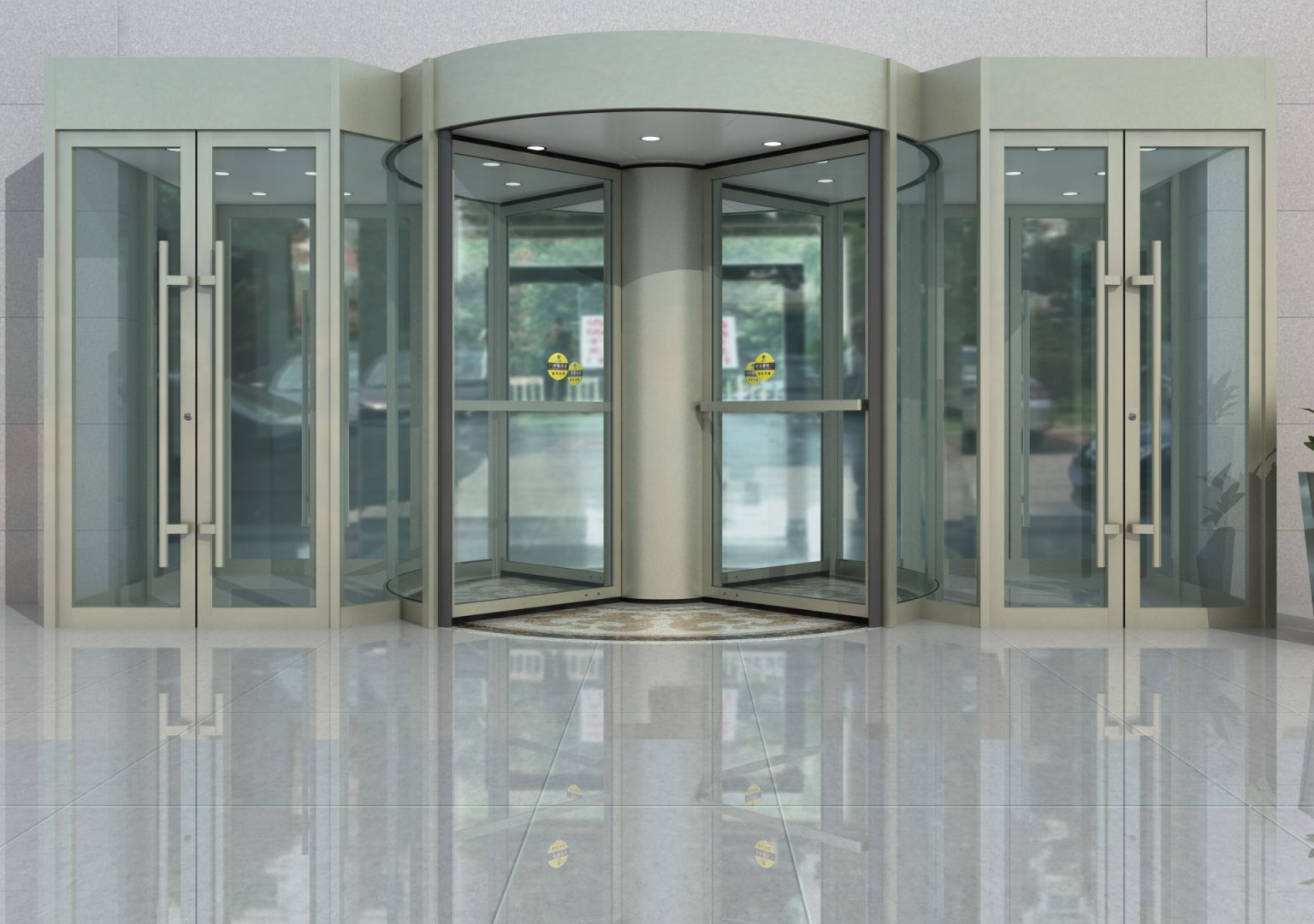
Why Kendell Doors Matter for Your Business: Security, Compliance, and Longevity
Kendell Doors provide essential specialized infrastructure that ensures business continuity, legal compliance, and physical security. By offering "total opening solutions"—integrating frames, doors, and hardware—Kendell mitigates the r...
Kendell Doors provide essential specialized infrastructure that ensures business continuity, legal compliance, and physical security. By offering "total opening solutions"—integrating frames, doors, and hardware—Kendell mitigates the risks of structural failure, unauthorized access, and fire code violations, which are critical for protecting high-traffic commercial assets and maintaining operational safety in 2026.
Contents
Every commercial facility is defined by its points of entry and egress. While a door might seem like a simple architectural element, in a business environment, it is a complex assembly that must balance conflicting requirements: it must be strong enough to deter intruders but easy enough for a child to open in an emergency; it must be aesthetically pleasing to clients but durable enough to withstand thousands of cycles of use every month. This is why professional-grade solutions from providers like Kendell Doors & Hardware, Inc. are foundational to modern business operations.
The "Total Opening" Philosophy
The primary reason Kendell Doors matter for your business is their commitment to the Total Opening concept. In the commercial construction industry, an "opening" is not just the door itself. It is a system comprising the frame, the door slab, the hinges, the locking mechanism, the closer, the seals, and often, electronic access control components.
When these components are sourced piecemeal from different manufacturers, compatibility issues frequently arise. A door might be too heavy for its hinges, or a strike plate might not align perfectly with a latch bolt. These minor misalignments lead to "door drag," latching failures, and accelerated wear. Kendell’s approach ensures that every component is engineered to work as a single unit. For a business, this translates to lower maintenance costs and the elimination of "nuisance calls" for doors that won't stay closed or are difficult to lock.
Durability and Material Science in Commercial Openings
Business environments demand a level of durability that residential products cannot provide. Kendell specializes in materials designed for high-traffic and high-abuse environments.
Hollow Metal Doors and Frames
For back-of-house areas, warehouses, and high-security zones, hollow metal doors are the industry standard. These are typically constructed from reinforced steel sheets and insulated with polystyrene or honeycomb cores. In 2026, the thermal efficiency of these doors has become a significant factor in reducing a building's carbon footprint. Kendell provides metal openings that meet stringent ANSI/SDI (Steel Door Institute) standards, ensuring they can withstand forced entry attempts and decades of heavy use without warping.
Architectural Wood Doors
For offices, hospitality settings, and healthcare facilities, the aesthetic of wood is often preferred. However, commercial wood doors are significantly different from home interiors. They feature solid cores—often particleboard, stave lumber, or mineral cores—to provide sound dampening and fire resistance. Kendell’s architectural wood options allow businesses to maintain a high-end brand image while meeting the structural requirements of a commercial building.
Integrated Security and Access Control
In the current landscape of 2026, physical security is inextricably linked to digital infrastructure. A door is no longer just a physical barrier; it is a data point in a building's security network. Kendell Doors matter because they bridge the gap between traditional hardware and modern electronic access control (EAC).
Businesses today require more than just a brass key. They need:
- Electrified Hardware: Locks that can be triggered remotely or via a credential reader.
- Audit Trails: The ability to see exactly who entered a specific room and at what time.
- Scheduled Access: Automatically locking and unlocking doors based on business hours.
- Integration with Fire Alarms: Ensuring that security doors automatically fail-safe (unlock) during a fire event to allow for emergency egress.
Kendell’s expertise in hardware ensures that these electronic components are integrated seamlessly into the door prep. This prevents the "aftermarket look" of wires running across the face of a door and ensures that the hardware remains compliant with both security protocols and life-safety codes.
Compliance: The Legal and Safety Mandate
For any business owner, the legal implications of door selection are immense. Building codes are not suggestions; they are federal and local requirements that carry heavy penalties for non-compliance.
ADA Accessibility
The Americans with Disabilities Act (ADA) sets strict guidelines for door width, threshold height, and the amount of force required to open a door. A door that is too heavy or a closer that is set too tight can result in lawsuits and fines. Kendell provides hardware—such as low-energy power operators—that ensures every individual can access your business safely and legally. Information on these standards can be verified through the official ADA Standards for Accessible Design.
Fire and Life Safety Codes
Fire-rated doors are designed to compartmentalize smoke and flames, providing occupants time to escape and protecting the building’s structure. These doors must be inspected annually under NFPA 80 standards. Kendell’s fire-rated assemblies are tested to withstand fire for specific durations (20, 45, 60, or 90 minutes). Using the wrong hardware on a fire door voids its rating, which can lead to insurance denials and catastrophic liability in the event of a fire. The National Fire Protection Association (NFPA) provides the framework for these essential safety requirements.
Economic Impact and Operational Maintenance
The initial cost of a high-quality commercial door system is often higher than a generic alternative, but the Total Cost of Ownership (TCO) is significantly lower. Cheap hardware fails early. A standard "Grade 3" residential lock is rated for about 200,000 cycles, whereas a "Grade 1" commercial lock, supplied by specialists like Kendell, is tested for over 1,000,000 cycles.
For a business with high foot traffic, a Grade 3 lock might fail in six months, requiring a locksmith visit and a replacement part. A Grade 1 lock could last ten years. When multiplied across dozens of openings in a facility, the savings in maintenance labor and hardware replacement are substantial. Furthermore, Kendell’s focus on Key Control Systems helps businesses manage their "mechanical footprint," ensuring that keys cannot be easily duplicated at a local hardware store, thereby reducing the need for frequent re-keying.
Comparison of Opening Solutions
The following table illustrates the differences between standard retail-grade solutions and the professional-grade systems provided by Kendell.
| Feature | Retail/Residential Grade | Kendell Commercial Grade | Business Impact |
|---|---|---|---|
| Cycle Rating | 100k - 200k cycles | 1M - 5M+ cycles | Reduces replacement frequency and downtime. |
| Fire Rating | Rarely rated | 20 to 180 minutes | Critical for code compliance and life safety. |
| Security | Standard pin/tumbler | High-security/Restricted keyway | Prevents unauthorized key duplication. |
| Accessibility | Limited compliance | Full ADA/ANSI A117.1 | Avoids legal liability and accessibility fines. |
| Integration | Standalone mechanical | Integrated Electronic Access (EAC) | Enables remote management and audit trails. |
| Material | Lightweight wood/thin steel | Heavy-duty steel / Solid core wood | Resists forced entry and environmental wear. |
Why the Partner Matters as Much as the Product
Choosing Kendell is not just about buying a door; it is about engaging with a consultant who understands the complexities of the Division 08 (Openings) and Division 28 (Electronic Safety and Security) specifications.
During the design phase, Kendell’s team works with architects to ensure that the hardware specified is appropriate for the room's function. In the construction phase, they manage the logistics of "pre-installing" hardware, which saves time on the job site and ensures that the door arrives ready to hang. For a business, this means a faster move-in date and fewer delays during the final building inspection.
Frequently Asked Questions
What is a "Total Opening Solution" and why does my business need it?
A total opening solution is a comprehensive approach where the door, frame, and hardware are treated as a single, integrated system rather than separate parts. For a business, this ensures that everything fits perfectly, functions reliably under high use, and meets all local building and fire codes. It eliminates the compatibility issues that often lead to security gaps or mechanical failures.
Can Kendell Doors help with my building's energy efficiency?
Yes. Commercial doors are a significant source of energy loss. Kendell provides thermally broken frames and insulated door cores that prevent heat transfer. In 2026, with energy costs and sustainability regulations increasing, high-performance openings are essential for reducing HVAC load and meeting LEED or other green building certifications.
How often do commercial doors need to be inspected?
According to NFPA 80, fire-rated door assemblies must be inspected at least once every year. These inspections verify that the door self-closes, latches properly, and has no missing or broken parts. Regular maintenance and inspections provided by experts help businesses avoid costly fines and ensure the safety of employees and customers.
What is the difference between fail-safe and fail-secure hardware?
This is a critical distinction for business security. Fail-safe hardware unlocks when power is lost, allowing people to exit freely (essential for fire safety). Fail-secure hardware remains locked when power is lost, keeping the building secure (common for exterior doors). Kendell ensures that your building uses the correct type for each opening to balance security needs with life-safety requirements.
Does Kendell provide specialty doors for specific industries?
Yes. Depending on the business type, you may need acoustic (STC-rated) doors for privacy, lead-lined doors for healthcare/X-ray rooms, or blast-resistant doors for high-risk industrial facilities. Kendell sources these specialty products to meet specific technical requirements that standard doors cannot satisfy.
Final Recommendation
For businesses looking to secure their physical assets and ensure long-term operational efficiency, the choice of doors should never be an afterthought. Investing in Kendell Doors means prioritizing quality, security, and compliance.
If you are currently managing a facility or planning a new commercial project in 2026, your next action should be to conduct a "Hardware Audit." Identify high-traffic openings that are currently showing signs of wear, such as dragging, slamming, or difficulty in locking. Contacting a professional consultant to replace these with integrated, commercial-grade systems will safeguard your business against future liability, security breaches, and unnecessary maintenance expenses.
Image Gallery