How the OJ Simpson Estate Settlement Unfolds: A Legal and Financial Overview
The settlement of the O.J. Simpson estate is a complex probate process involving the management of remaining assets, the satisfaction of outstanding legal judgments—specifically the 1997 civil court wrongful death verdict—and the overs...
The settlement of the O.J. Simpson estate is a complex probate process involving the management of remaining assets, the satisfaction of outstanding legal judgments—specifically the 1997 civil court wrongful death verdict—and the oversight of court-appointed executors. Because the estate’s liabilities significantly outweigh its verifiable liquid assets, the process centers on debt prioritization and the enforcement of creditor claims within the California probate system.
Contents
Understanding the Probate Landscape of the Simpson Estate
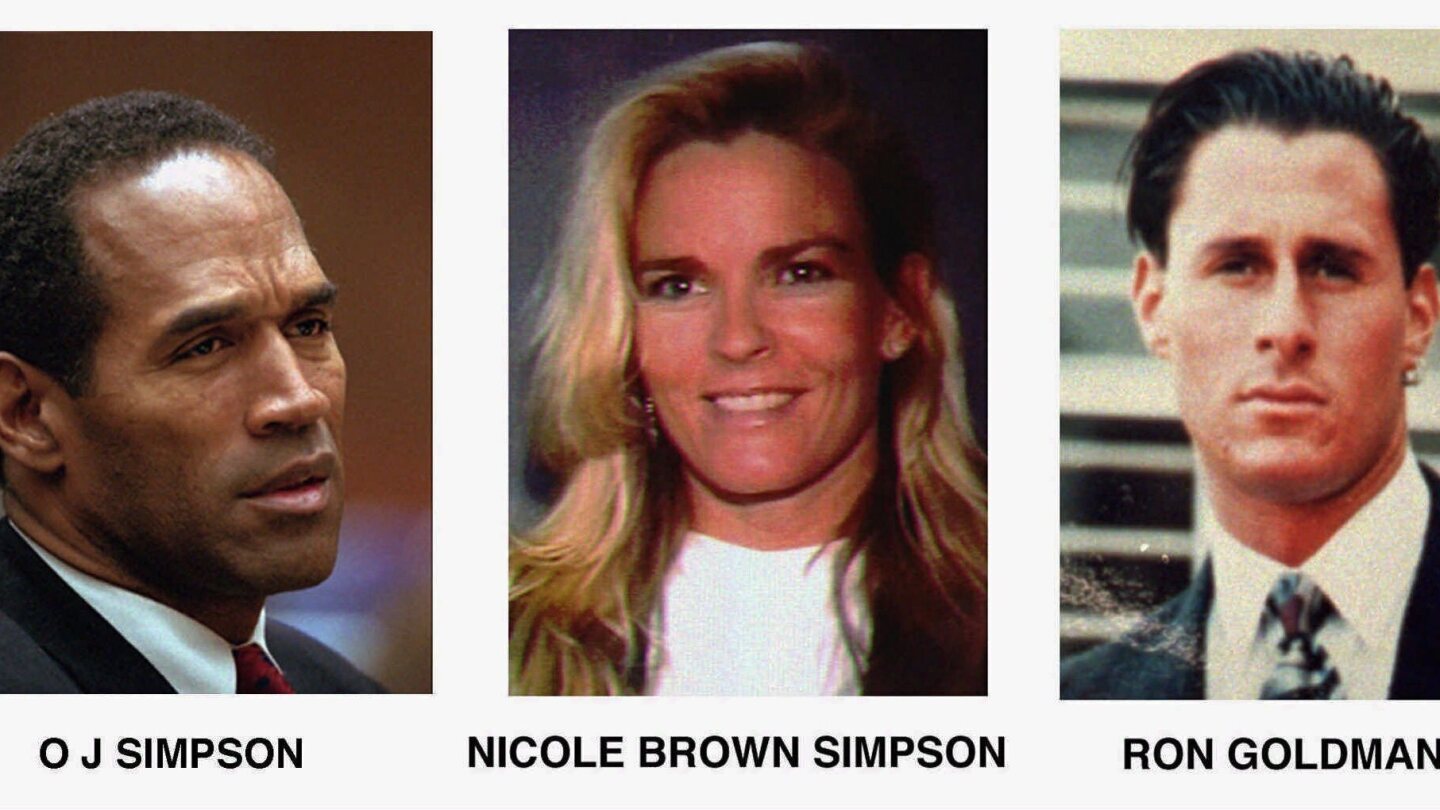
When an individual passes away, their assets and debts enter the probate process—a court-supervised procedure that ensures the distribution of property and the fulfillment of valid claims against the deceased. In the case of O.J. Simpson, who passed away in 2024, the process is complicated by the shadow of the 1997 civil court judgment. A jury found Simpson liable for the deaths of Nicole Brown Simpson and Ronald Goldman, awarding a massive monetary judgment to the victims' families.
Under California law, as in many jurisdictions, probate is not merely about transferring property to heirs; it is fundamentally about settling accounts. Creditors, including those holding court-ordered judgments, have a formal window to file claims against the estate. The "unfolding" of this settlement is defined by the executor’s duty to identify, inventory, and liquidate assets while defending the estate against—or negotiating with—those creditors.
The Role of the Executor and Court Oversight
The executor of an estate is a fiduciary, meaning they are legally obligated to act in the best interest of the estate’s beneficiaries and creditors. In this matter, the executor must navigate the competing interests of potential heirs and the persistent legal claims of the Goldman and Brown families.
The probate court serves as the ultimate arbiter. If there are disputes regarding the valuation of assets or the validity of a creditor’s claim, these matters are litigated before a probate judge. By 2026, much of the initial "discovery" phase of the estate—identifying exactly what Simpson owned—has transitioned into the administration phase. This involves:
- Inventorying Assets: Locating bank accounts, real estate interests, intellectual property (such as rights to Simpson’s life story or likeness), and personal property.
- Appraisal: Assigning a fair market value to these assets.
- Notice to Creditors: Formally publishing notice of the death to allow all potential creditors to step forward.
- Distribution Plan: Proposing how remaining funds will be allocated after administrative costs and priority debts are paid.
The Impact of the 1997 Civil Judgment
The most significant factor in the O.J. Simpson estate settlement is the existing judgment from the 1997 civil trial. Initially set at $33.5 million, the judgment grew significantly over the decades due to the accrual of post-judgment interest. Because this debt was never fully satisfied during Simpson’s lifetime, it remains a primary obligation of the estate.
In California, judgment creditors hold a specific legal standing. They do not merely wait for a payout; they actively monitor the probate proceedings to ensure that no assets are diverted or concealed. For the families of the victims, this estate is the final venue for seeking the compensation awarded to them by the court. The enforcement of this debt is a primary driver of the complexity and duration of the estate’s administration.
Asset Liquidation and Valuation Challenges
Valuing the estate of a high-profile public figure presents unique hurdles. While traditional assets like cash and real estate are straightforward to appraise, "intangible" assets are more volatile. These include:
- Likeness Rights: The commercial value of a name and image is often subjective and can fluctuate based on public perception and media interest.
- Memorabilia: Items previously associated with the 1994 criminal case or Simpson’s football career have historically been targets of seizure by creditors.
- Ongoing Income Streams: Any residual income from intellectual property or licensing must be accounted for and redirected to the estate.
The table below outlines the hierarchy of claims typically managed during probate settlements of this nature.
| Claim Category | Priority Status | Description |
|---|---|---|
| Administrative Costs | 1 (Highest) | Fees for executors, attorneys, and court filing costs. |
| Secured Debts | 2 | Debts tied to specific assets, such as mortgages or liens. |
| Judgment Debts | 3 | Civil court awards, such as the 1997 wrongful death judgment. |
| Unsecured Debts | 4 | General debts like credit cards or medical bills. |
| Beneficiary Distributions | 5 (Lowest) | The remaining assets passed to heirs after all debts are cleared. |
Common Challenges in High-Stakes Probate
Probate in cases involving massive, long-standing judgments is rarely smooth. Common obstacles that can stall the unfolding of the settlement include:
- Valuation Disputes: If the executor undervalues an asset, creditors will likely challenge that appraisal to ensure the maximum possible recovery for their claims.
- Tracing Hidden Assets: Creditors may file petitions to discover whether assets were transferred to third parties or trusts in the years leading up to the death, attempting to "claw back" those items into the estate.
- Insolvency Issues: If the total value of valid claims exceeds the total value of assets, the estate is considered "insolvent." In this scenario, the court dictates a pro-rata distribution, which often results in beneficiaries receiving nothing.
The 2026 Outlook: Where the Process Stands
As of 2026, the administration of the estate is focused on the final accounting. Most liquid assets have been identified, and the litigation surrounding the priority of claims is largely settled. The core question is no longer "what is in the estate," but rather the execution of the final distribution plan.
For heirs and creditors alike, the conclusion of the probate process is the formal "Closing of the Estate." Once the judge approves the final report, the executor is discharged, and the remaining assets are transferred according to the court’s order. If assets are insufficient to cover the full judgment, the legal obligation generally ends there, as a decedent’s estate is not required to "create" money to pay off debts beyond what the estate currently holds.
Frequently Asked Questions (FAQ)
1. Can the 1997 civil judgment be inherited by the heirs? No. Generally, heirs do not inherit the personal debts of the deceased. The debt is settled only from the assets held within the estate. If the estate is insolvent, the creditors cannot pursue the heirs personally for the balance.
2. How long does an estate settlement like this typically take? While simple estates can close in months, complex estates with ongoing litigation, high-value intellectual property, and active judgment creditors can take several years. The 2026 timeframe reflects a standard progression for a high-profile, contested estate.
3. Who pays the executor’s legal fees? The executor’s fees and the costs of the estate’s legal counsel are paid from the assets of the estate itself. These are considered "administrative expenses" and typically take priority over payments to creditors or beneficiaries.
4. Can the victims' families influence the distribution? They participate as creditors. Their influence is limited to the legal rights afforded to judgment creditors, which includes the right to examine the estate's inventory and challenge the valuation of assets to ensure the estate is not being managed to intentionally minimize their recovery.
5. What happens to the memorabilia? Any items of value, including memorabilia, are considered assets of the estate. They must be appraised and, if necessary, sold to satisfy the estate's obligations to creditors.
Final Next Steps for Interested Parties
For those tracking the outcome, the most reliable source of information is the public probate docket maintained by the California Superior Court. Interested parties can request copies of the final distribution petition once it is filed. The conclusion of this process marks the end of a decades-long legal saga, effectively closing the chapter on the 1997 wrongful death litigation through the formal mechanism of probate administration.
Image Gallery