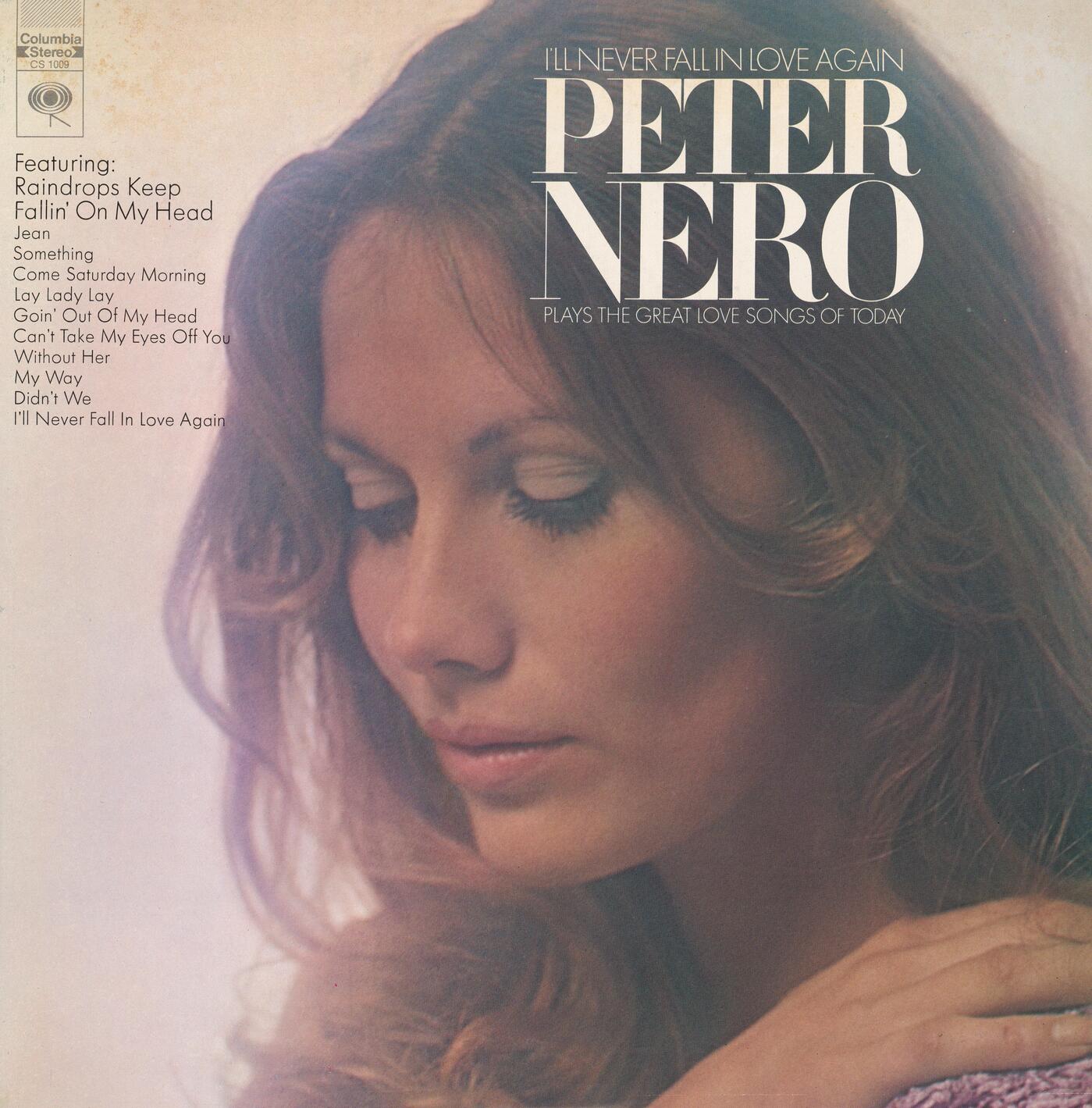
Analyzing the Net Worth of Peter Nero: A Musical Legacy
Peter Nero, the acclaimed American pianist and conductor who passed away in 2023, maintained a career spanning over six decades, leaving behind a complex financial legacy tied to his professional achievements, orchestral leadership, an...
Peter Nero, the acclaimed American pianist and conductor who passed away in 2023, maintained a career spanning over six decades, leaving behind a complex financial legacy tied to his professional achievements, orchestral leadership, and extensive discography. While precise personal accounting for his net worth in 2023 remains private, estimates typically fall between $1 million and $5 million, reflecting a lifetime of high-profile performances, record sales, and long-standing administrative roles in the arts.
Contents
The Professional Trajectory of Peter Nero
Born Bernard Nierow in 1934, the musician who would become Peter Nero established himself early as a prodigy of both jazz and classical piano. His career was defined by a unique ability to bridge the gap between "pops" orchestral music and traditional jazz improvisation. This versatility allowed him to capture a wide audience, leading to significant commercial success during the 1960s and 1970s.
His financial standing was significantly bolstered by his association with RCA Victor, where he released numerous hit albums, including his debut Piano Forte, which earned him a Grammy Award for Best New Artist in 1962. Throughout the mid-20th century, recorded music was a primary driver of wealth for artists of his caliber, as physical record sales, radio airplay, and television appearances provided a recurring stream of royalties. Unlike modern streaming models, the music industry of the 1960s and 70s rewarded successful recording artists with substantial upfront payments and long-term mechanical royalties, which contributed to the foundational capital that would support him throughout his later years.
The Philly Pops Era and Long-Term Earnings
Perhaps the most significant component of Peter Nero’s professional life was his tenure as the founding music director of the Philly Pops. Starting in 1979, he held this position for over three decades, stepping down in 2013. This role provided a consistent, high-level professional income, distinct from the volatility of touring as a freelance concert pianist.
As an orchestral director, Nero’s compensation was multifaceted:
- Base Salary: As the face and leader of a major American pops orchestra, he commanded a competitive salary commensurate with executive positions in the nonprofit arts sector.
- Performance Fees: Beyond his salary, conductors and featured performers often negotiate fees for specific concert series or special events.
- Endorsements and Commissions: Throughout his career, Nero lent his name to various musical initiatives and collaborated with corporate sponsors who supported the symphony, which often carried private honorariums.
While nonprofit orchestral leadership is not typically associated with extreme billionaire-tier wealth, it provides a stable upper-middle-class to high-net-worth income profile. The longevity of his role at the Philly Pops suggests that his financial planning was likely rooted in consistent, long-term employment rather than the high-risk, high-reward nature of independent pop music stardom.
Understanding Net Worth in the Context of Classical Musicians
When calculating the net worth of a career artist like Peter Nero, it is critical to distinguish between liquid capital and asset valuation. For performers of his generation, wealth was typically tied to several specific asset classes:
- Intellectual Property (IP): The royalty rights to a discography spanning fifty-plus years remain a valuable, albeit fluctuating, asset. These rights often transition to estate management after a musician's passing.
- Real Estate Holdings: Long-term residents of major metropolitan areas often see significant appreciation in their primary residences. Peter Nero’s long-standing connection to the Philadelphia area suggests that real estate equity likely formed a core portion of his total net worth.
- Investments and Pensions: Most musicians who held formal roles with major institutions like the Philly Pops were beneficiaries of organized retirement structures. Unlike freelancers, Nero’s employment status allowed for structured financial growth through pension schemes and institutional investment vehicles.
Comparative Financial Profiles
To better understand the scale of earnings for a musician of Nero's tenure, consider the following comparison of typical financial drivers for artists of the mid-20th century versus current industry standards.
| Financial Source | Mid-20th Century (Nero Era) | Modern Equivalent (Streaming Era) |
|---|---|---|
| Primary Revenue | Physical Record Sales | Streaming Royalties / Touring |
| Royalty Structure | High per-unit mechanical royalty | Micro-payments per stream |
| Institutional Pay | Salary + Benefits + Pension | Contract-based / Freelance |
| Market Access | Limited by label distribution | Global access via internet |
Limitations and Factors Affecting Accuracy
Estimating the net worth of a public figure like Peter Nero involves navigating a lack of publicly filed financial statements. Because Nero was not a corporate executive required to file SEC disclosures, and he did not operate a public company, all net worth figures circulating in 2023 were estimations based on public records, property tax assessments, and historical career earnings.
Readers should exercise caution regarding sources that report definitive figures. Variations in reporting often arise from:
- Unaccounted Liabilities: Outstanding debts, mortgage obligations, or business expenses associated with production companies are often missing from public estimates.
- Estate Transfers: Following his death in 2023, the valuation of his estate involves complex legal processes. The distribution of his assets to heirs or charitable foundations may significantly change the reported "net worth" of his persona, though this does not reflect his wealth while living.
- Historical Currency Adjustment: Financial assessments must account for inflation. $1 million earned in 1970 represents vastly different purchasing power than $1 million in 2023.
Frequently Asked Questions
What does "net worth" actually signify for a musician? Net worth represents the total value of an individual's assets (cash, investments, property, intellectual property) minus their total liabilities (mortgages, loans, outstanding debts). For musicians, the most difficult asset to value accurately is their catalog of recorded music.
Did Peter Nero earn wealth from sources outside of music? While music was the primary source of his fame and income, successful musicians often diversify their portfolios through real estate and long-term financial investments. There is no public record of Nero being involved in large-scale corporate entrepreneurship outside the arts.
How is a musician's estate handled after death? Upon death, an individual's assets are managed by an executor according to their last will and testament. In the case of musicians, this includes managing the rights to their music, image, and any remaining real estate or personal effects.
Why are net worth estimates often conflicting? Estimates often differ because they rely on different methodologies. Some analysts focus solely on liquid assets, while others attempt to capitalize future royalty streams. Without internal access to tax returns, these figures remain speculative.
Is it possible to find Peter Nero’s exact financial data? Unless an estate audit or a public court filing related to his will becomes a matter of public record, his exact financial status remains private. The figures cited in biographical summaries are analytical estimates, not audited financial statements.
Next Actions for Research
If you are researching Peter Nero’s legacy for the purpose of music history or estate analysis, focus on primary records rather than speculative net worth trackers. Public records from the Philadelphia probate court (if relevant to his estate) or official repositories of his musical catalog through performance rights organizations (such as ASCAP or BMI) can provide clearer insight into his professional earnings and the ongoing value of his intellectual property. For those interested in his music, exploring the catalog held by Sony/RCA provides the most accurate view of his commercial output over his career.
Image Gallery