Clinton Health Access Initiative: An Organizational Overview
The Clinton Health Access Initiative (CHAI) is a global health organization that operates by partnering with governments, multilateral institutions, and private sector entities to strengthen health systems in low- and middle-income cou...
The Clinton Health Access Initiative (CHAI) is a global health organization that operates by partnering with governments, multilateral institutions, and private sector entities to strengthen health systems in low- and middle-income countries. Originally founded as a project of the William J. Clinton Foundation to address the HIV/AIDS epidemic, CHAI has since expanded its mission to combat a diverse range of infectious diseases, maternal and child health challenges, and chronic conditions through market-shaping and supply chain optimization.
Contents
Historical Foundations and Evolution
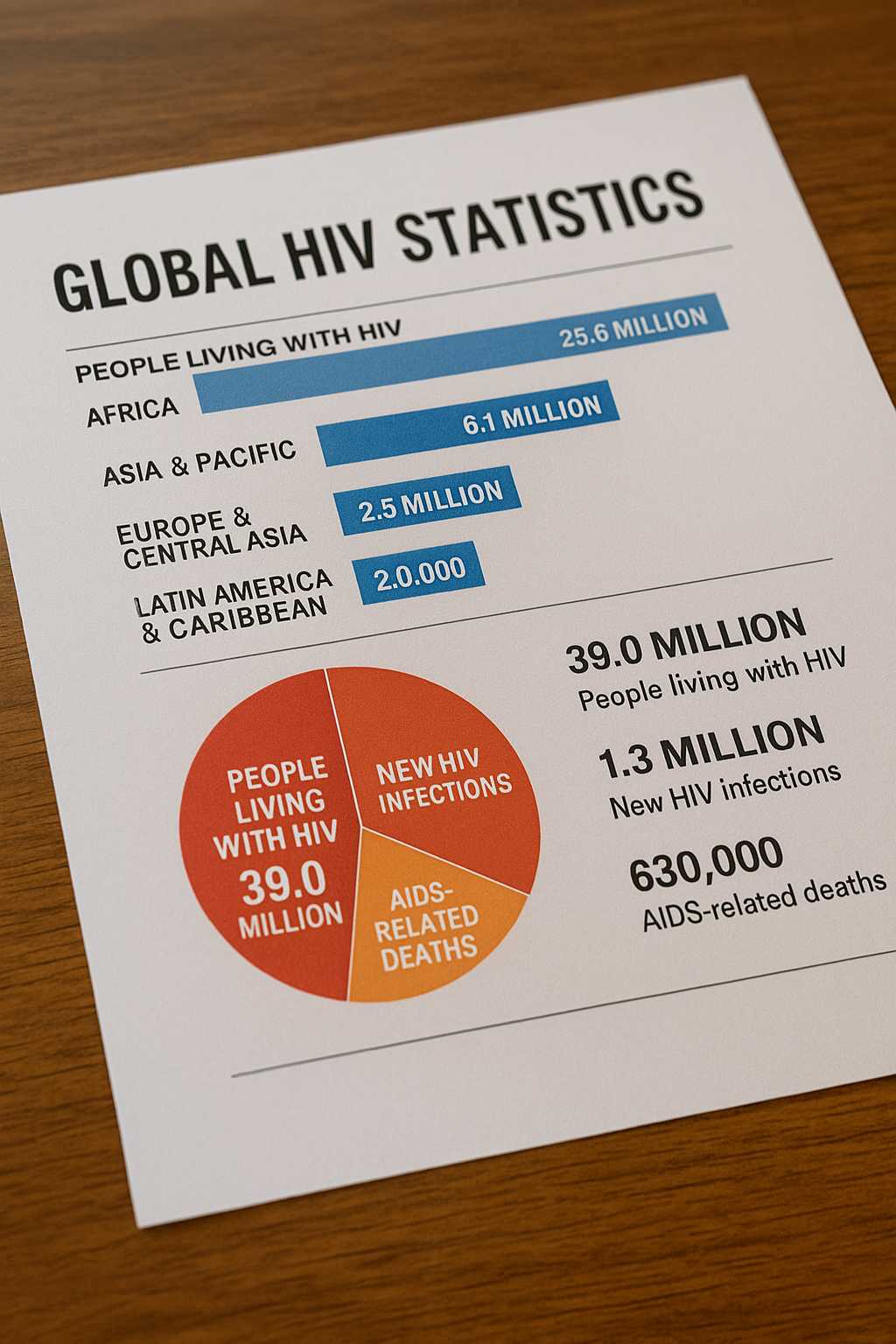
The organization was established in 2002 as the Clinton HIV/AIDS Initiative. At the time, the global landscape for antiretroviral therapy (ART) was defined by prohibitively high costs and severe logistical barriers in developing nations, particularly within Sub-Saharan Africa. The primary objective was to catalyze the market for HIV medications, reducing the cost of treatment so that national health systems could afford to scale up care.
By negotiating directly with generic pharmaceutical manufacturers, the organization achieved significant price reductions for HIV/AIDS drugs. These early successes provided a blueprint for the "market-shaping" model that remains a core competency of the organization today. In 2010, the initiative spun off from the Clinton Foundation to become an independent non-profit organization, formally rebranding as the Clinton Health Access Initiative (CHAI) to reflect its broader mandate to address global health inequities beyond the HIV/AIDS sector.
Core Operational Methodology
CHAI’s influence in global health is predicated on a distinct operational model. Rather than functioning primarily as a donor or a direct service provider, CHAI embeds staff within government ministries and health departments. This "embedded assistance" approach allows the organization to provide technical expertise where it is most needed, helping local authorities manage their own supply chains, health financing, and diagnostic capabilities.
Market-Shaping and Procurement
One of the most consequential functions of the organization is its work in market-shaping. By aggregating demand across multiple countries, CHAI creates more predictable markets for manufacturers of essential medicines, vaccines, and diagnostic equipment. This increased certainty allows manufacturers to invest in production scale, which subsequently drives down prices. The following table illustrates the categories of impact that result from these market-shaping interventions.
| Impact Category | Objective | Mechanism |
|---|---|---|
| Commodity Pricing | Lowering costs | Volume aggregation and transparent competition |
| Supply Chain | Reducing stock-outs | Advanced inventory management software and logistics training |
| Diagnostic Access | Early detection | Negotiating lower prices for PCR testing and rapid diagnostic tests |
| Scale-up | Expanding coverage | Technical assistance in national health policy rollout |
Technical Assistance to Governments
The organization maintains a significant footprint by deploying experts in epidemiology, economics, supply chain management, and clinical practice. These individuals assist partner governments in navigating complex regulatory environments, developing multi-year health strategies, and ensuring that international funding is allocated to high-impact interventions. This support is intended to be sustainable, aiming to build the internal capacity of health ministries so that they can manage operations independently over time.
Disease Areas and Strategic Focus
While the organization maintains its foundational expertise in HIV/AIDS, its current strategic focus is multidimensional. The expansion of its scope is a response to the shifting burden of disease in the countries where it operates.
HIV and Infectious Diseases
HIV/AIDS remains a critical pillar of CHAI’s portfolio. Work in this sector includes improving access to pediatric HIV formulations, which were historically difficult to procure and administer. Furthermore, the organization is deeply involved in malaria eradication programs, focusing on vector control and the deployment of rapid diagnostic tests (RDTs) to ensure that fever-related illnesses are correctly diagnosed and treated.
Maternal, Newborn, and Child Health (MNCH)
The organization addresses preventable causes of mortality in mothers and children by focusing on high-impact interventions such as immunization, the treatment of pneumonia, and the management of diarrhea. By optimizing the "cold chain"—the logistics system required to keep vaccines at the correct temperature—CHAI helps ensure that life-saving immunizations reach remote populations.
Sexual and Reproductive Health
Access to reproductive health services is a fundamental component of the organization’s strategy to improve long-term health outcomes. By working to increase the availability of high-quality, affordable contraceptive methods, CHAI supports the empowerment of women and the reduction of maternal mortality rates. This work involves identifying barriers to access, such as regulatory hurdles or inefficient distribution networks, and implementing data-driven solutions.
Challenges and Operational Limitations
The scope of work undertaken by the organization is immense, and it operates within environments characterized by political instability, fragile infrastructure, and limited fiscal resources. These factors introduce inherent risks to programmatic success.
- Reliance on External Funding: As an organization that relies on a mix of philanthropic, governmental, and multilateral grants, CHAI’s ability to sustain long-term commitments is tethered to the global funding climate. Shifts in donor priorities can impact the longevity of specific programs.
- Complex Regulatory Landscapes: Working in partnership with governments necessitates navigating bureaucracy. Changes in government leadership or policy priorities can occasionally result in delays or shifts in project objectives.
- Infrastructure Constraints: In many regions, the physical delivery of medicine is hampered by inadequate road networks, unreliable electricity for cold-storage facilities, and a lack of trained medical personnel. Technical assistance is often limited by the speed at which local systems can absorb and implement improvements.
Frequently Asked Questions
Is the Clinton Health Access Initiative still part of the Clinton Foundation?
No, the organization became an independent legal entity in 2010. While it maintains a shared history and collaborative spirit with the foundation, it functions as an autonomous non-profit organization with its own governance structure.
Does CHAI provide medical services directly to patients?
Generally, no. CHAI operates through a model of technical assistance. It works behind the scenes with governments and public health systems to improve the efficiency, quality, and reach of medical services, rather than managing clinics or treating patients directly.
How is the organization funded?
The organization is primarily funded through a combination of grants from international donors, multilateral agencies, foundations, and governments. These funds are specifically earmarked for various global health programs, including those targeting HIV/AIDS, malaria, and maternal health.
What does "market-shaping" mean in this context?
Market-shaping refers to the practice of intervening in the marketplace for essential medicines to make them more affordable and accessible. This is achieved by working with suppliers to lower production costs and by coordinating with governments to ensure that there is consistent demand for these products.
Can individuals or private companies contribute to CHAI?
CHAI typically collaborates with large-scale institutional partners. However, interested parties may review the organization’s official financial disclosures and partnership guidelines on their website to understand how they engage with the private sector and philanthropic donors.
Where does the organization operate?
CHAI operates in dozens of countries across Africa, Asia, and Latin America. The specific locations are selected based on the burden of disease and the capacity for the organization to provide meaningful technical assistance that creates measurable health improvements.
Next Steps and Further Engagement
For stakeholders, public health professionals, or researchers looking to verify data or explore partnership opportunities, the primary resource is the organization's official website. It provides granular reporting on specific country programs, impact metrics, and recent publications.
To stay informed about the organization's progress, stakeholders should monitor the annual reports released by the organization, which detail the financial health and operational milestones achieved each fiscal year. Those seeking to engage with specific initiatives—such as vaccine procurement or diagnostic distribution—should look for the "Partners" or "Contact Us" sections of their official portal to identify the appropriate department for institutional inquiries.
Image Gallery