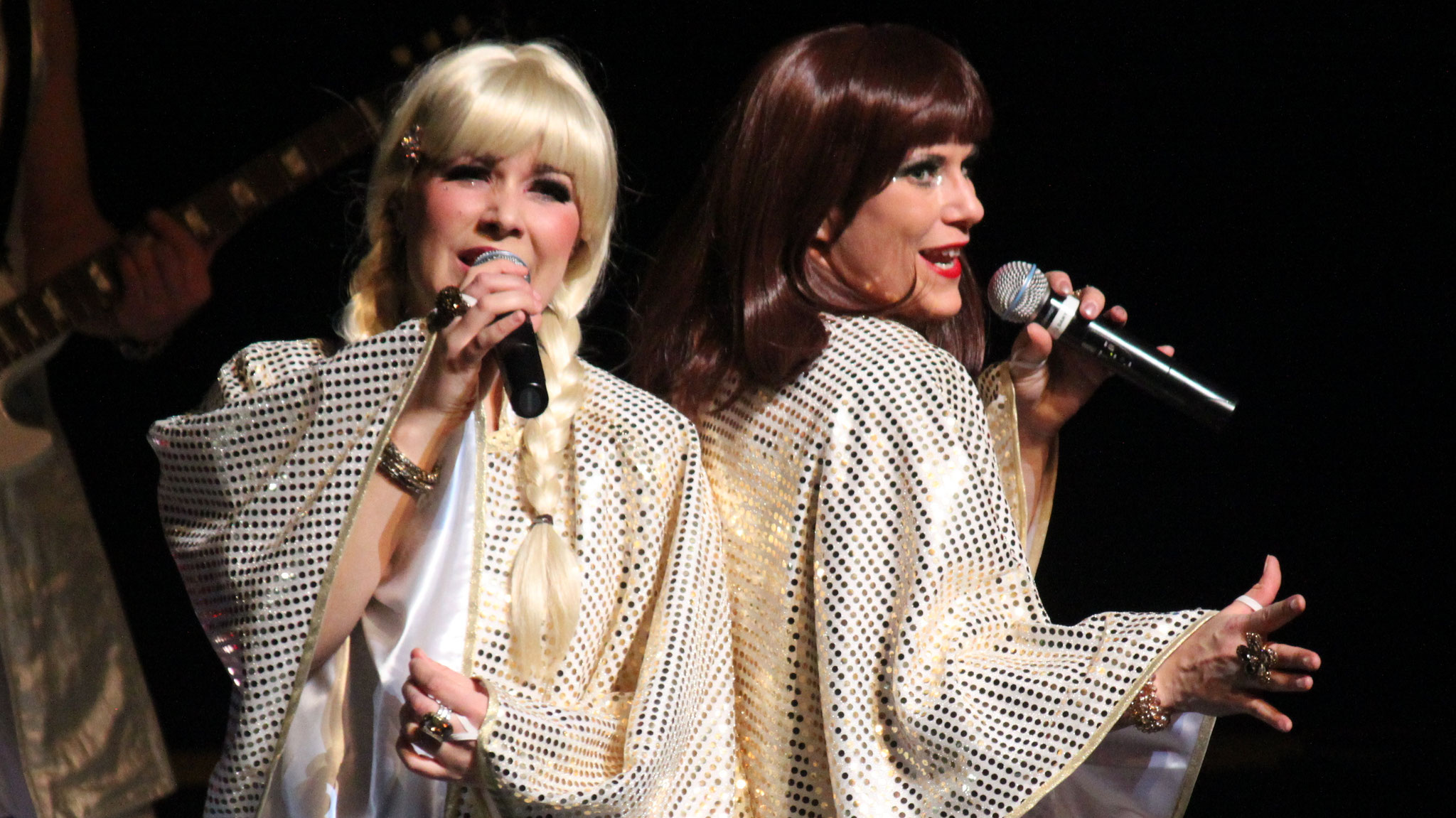
ABBA Today: Pictures and Visual Documentation in a Modern Context
The visual identity of ABBA in 2026 is defined by a sophisticated duality: the preservation of iconic 1970s aesthetics and the integration of cutting-edge digital avatars. While fans continue to seek archival footage, the modern contex...
The visual identity of ABBA in 2026 is defined by a sophisticated duality: the preservation of iconic 1970s aesthetics and the integration of cutting-edge digital avatars. While fans continue to seek archival footage, the modern context of ABBA pictures is dominated by the hyper-realistic "ABBAtar" performances from the Voyage residency in London, bridging the gap between historical legacy and contemporary technological innovation.
Contents
The Evolution of ABBA’s Visual Legacy
ABBA’s visual history is one of the most documented narratives in pop music. From the flamboyant costumes of the Eurovision era to the subdued, sophisticated portraiture of their later recording sessions, the band’s images have served as a barometer for shifting cultural trends. In the modern context of 2026, these pictures are no longer static memories; they have become foundational assets for digital reconstruction.
For the modern observer, the "ABBA picture" has bifurcated into two distinct categories. The first is the archival photograph—film-grain imagery from 1974–1982 that documents the band’s meteoric rise. These images are frequently restored, color-corrected, and digitized to meet modern high-definition standards. The second category consists of the digital representations created for the ABBA Voyage concert experience. These motion-captured, computer-generated versions of Agnetha Fältskog, Björn Ulvaeus, Benny Andersson, and Anni-Frid Lyngstad represent the band as they appeared in 1979, allowing audiences to interact with the "modern" image of their younger selves.
Digital Avatars: The Modern Visual Standard
The most significant shift in how ABBA is perceived visually is the reliance on motion capture technology. Unlike traditional photography, which captures a singular, frozen moment in time, the imagery utilized in the Voyage residency is dynamic. By using high-performance motion capture, the team behind ABBA’s modern visual presence successfully bypassed the limitations of physical aging, allowing the band members to perform in a virtual space while maintaining the visual integrity of their peak creative years.
This approach has set a new benchmark for how legacy acts can maintain a "modern" presence. When individuals search for "ABBA today pictures," they are often met with a mix of promotional photography for the Voyage project and candid press photos of the members in their current, elderly state. This creates a fascinating psychological contrast: the audience is simultaneously invited to remember the band in their prime via the digital avatars and acknowledge the band as human beings in the present day.
Navigating the Archival vs. Contemporary Divide
For collectors, researchers, and fans, the distinction between authentic photography and contemporary digital rendering is critical. In the digital marketplace of 2026, there is a high demand for original press kits, concert photography, and behind-the-scenes film stills.
| Image Category | Technical Nature | Primary Use Case |
|---|---|---|
| Archival Film/Print | Analog/Negative-based | Historical documentation, media archives |
| Digitally Restored | Post-processed/AI-enhanced | Commercial licensing, high-res prints |
| Voyage Avatars | 3D Motion Capture/CGI | Concert performance, promotional video |
| Modern Portraiture | Contemporary Digital Photography | Editorial press, interviews, candid appearances |
The verification of these images often requires careful attention to the source. Official documentation provided by Polar Music or Universal Music Group serves as the primary standard for authenticity. When sourcing pictures for professional projects, it is imperative to distinguish between public domain, copyright-protected legacy assets, and the proprietary digital assets created by Industrial Light & Magic for the Voyage production.
Practical Guidance: Accessing ABBA Imagery
If you are looking for specific visual documentation of ABBA for academic or professional use, follow a structured approach to ensure the correct rights and file formats:
- Identify the Intent: Are you sourcing historical evidence, or are you looking for contemporary likenesses of the members?
- Consult Official Repositories: Direct your search toward the ABBA The Museum archives or official band channels. These sources provide the most reliable metadata regarding the date and context of the image.
- Check Licensing Requirements: Most high-quality images of ABBA are strictly copyright-protected. Before using any image in a public-facing digital or print project, secure the necessary usage rights through the official rights holders.
- Distinguish Between Eras: Be wary of AI-generated content or fan-made edits. Always verify the source of an image to ensure it is not a "deepfake" or a stylized fan interpretation, as these have become increasingly prevalent in 2026.
The Role of High-Definition Restoration
The shift to 4K and 8K display standards has compelled rights holders to invest in the systematic restoration of 1970s and 80s concert footage and photography. This is not merely an aesthetic choice; it is a technical necessity to keep the band’s imagery relevant in the modern streaming ecosystem. Restorations now involve complex grain-reduction algorithms and color grading that align with modern screen technology without stripping away the organic feel of the original analog photography. This careful balance ensures that the "modern context" of ABBA is one of reverence rather than total transformation.
Frequently Asked Questions
Are the "ABBA today" pictures official or fan-made? Both exist. Official pictures released by the band’s management or associated media partners (e.g., the Voyage residency press team) are clearly identified by professional branding. Fan-made content often lacks this provenance and should not be used as primary evidence.
Where can I find the highest quality photos of the band from their peak years? The most reliable source for high-resolution, historically accurate imagery is the official ABBA website and the archives curated by ABBA The Museum in Stockholm. They maintain strict standards for archival scans of original negatives.
Can I legally use pictures of ABBA for my own website? Generally, no. All photography of the band members, whether from the 1970s or recent years, is protected under copyright law. You must obtain explicit permission or a license from the copyright holder to reproduce these images on any platform.
What is the difference between "Voyage" images and modern portraiture? "Voyage" images consist of digital assets, CGI avatars, and stage stills from the residency. Modern portraiture refers to recent, traditional photography of the members in their present-day lives. The former is a technological reproduction; the latter is a photographic record of their current reality.
How does motion capture affect the way we view the band today? Motion capture allows for a "frozen" representation of the band’s peak performance era, meaning that modern viewers can engage with a version of the band that does not age, creating a unique synthesis of history and current technology.
Next Steps for Enthusiasts and Researchers
For those aiming to deepen their understanding of ABBA’s visual identity, the most practical step is to visit the ABBA The Museum digital archives. If you are conducting research or professional content creation, prioritize the use of verified archival sources over third-party, non-verified aggregators. By focusing on official media channels, you ensure that the visuals you encounter—and potentially use—are historically accurate and legally cleared. Maintaining this standard is the only way to preserve the legacy of the band in an era where digital manipulation is becoming increasingly difficult to distinguish from reality.
Image Gallery