How Much Term Life Insurance in Pembroke, Ontario Really Costs in 2026
In 2026, term life insurance in Pembroke, Ontario, typically costs between $25 and $150 per month for most healthy adults seeking $500,000 in coverage. Your specific premium depends on your age, smoking status, and term length, though...
In 2026, term life insurance in Pembroke, Ontario, typically costs between $25 and $150 per month for most healthy adults seeking $500,000 in coverage. Your specific premium depends on your age, smoking status, and term length, though Pembroke residents often benefit from stable provincial rate structures and localized underwriting considerations.
Contents
Understanding Term Life Insurance in the Pembroke Market
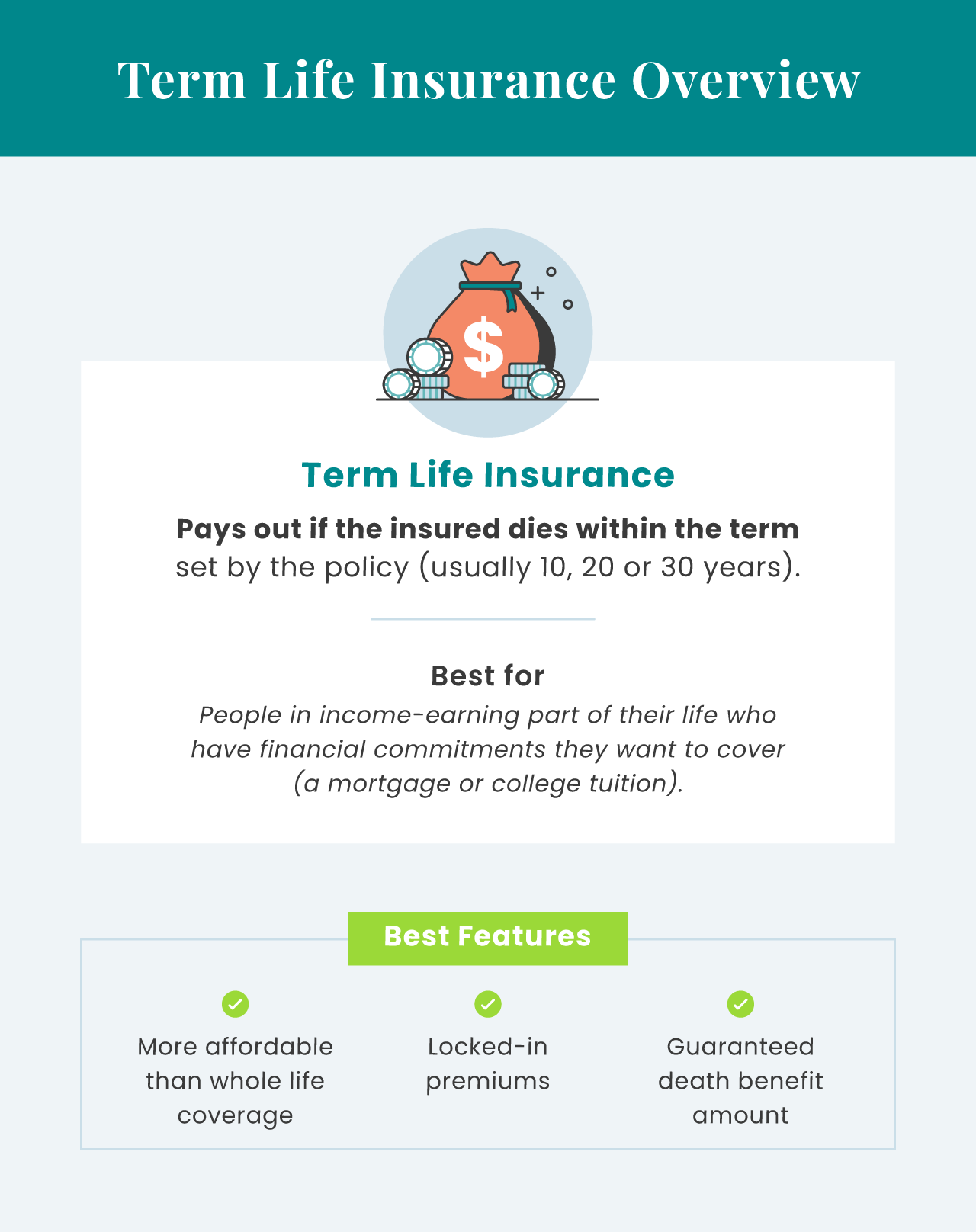
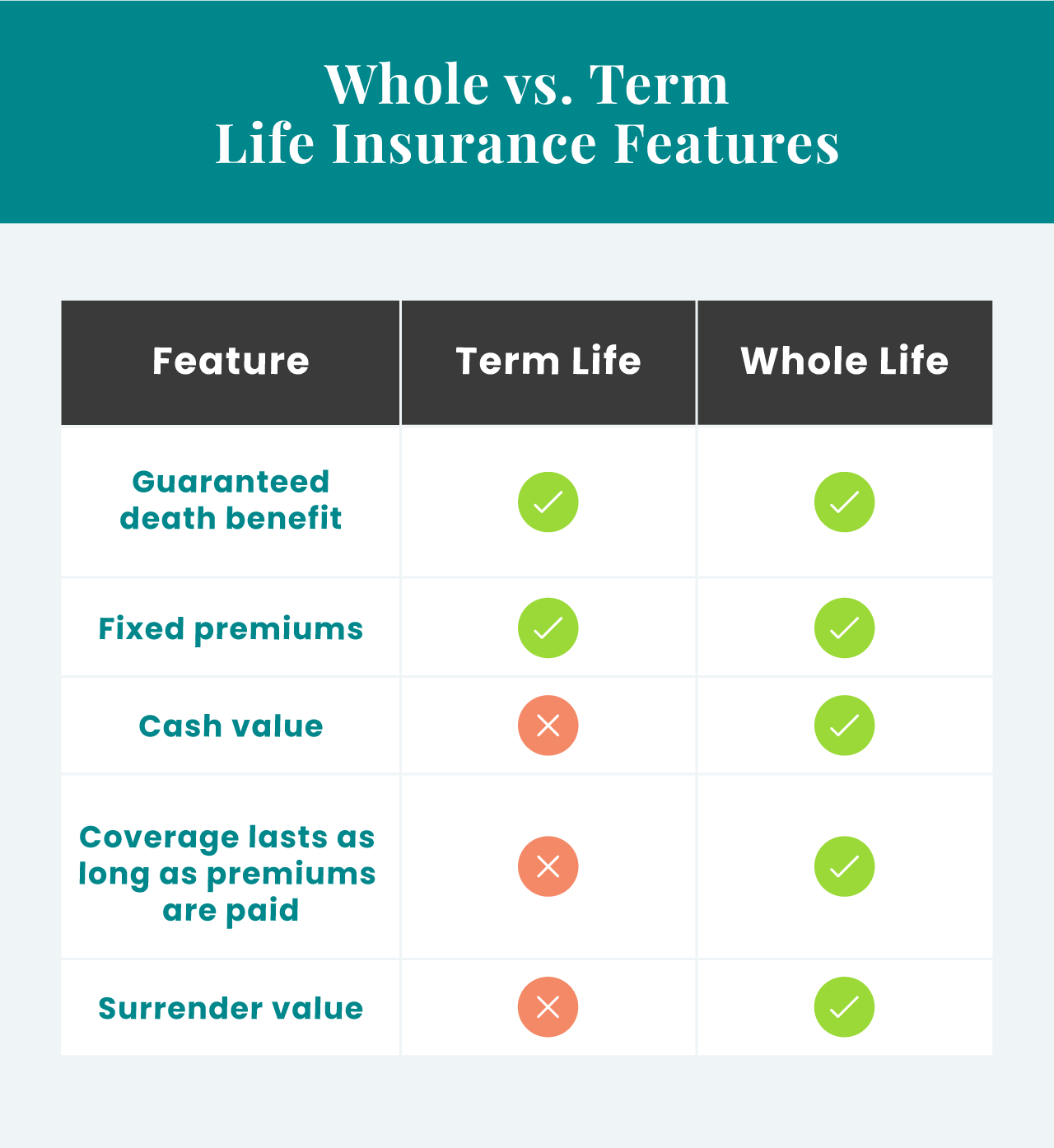
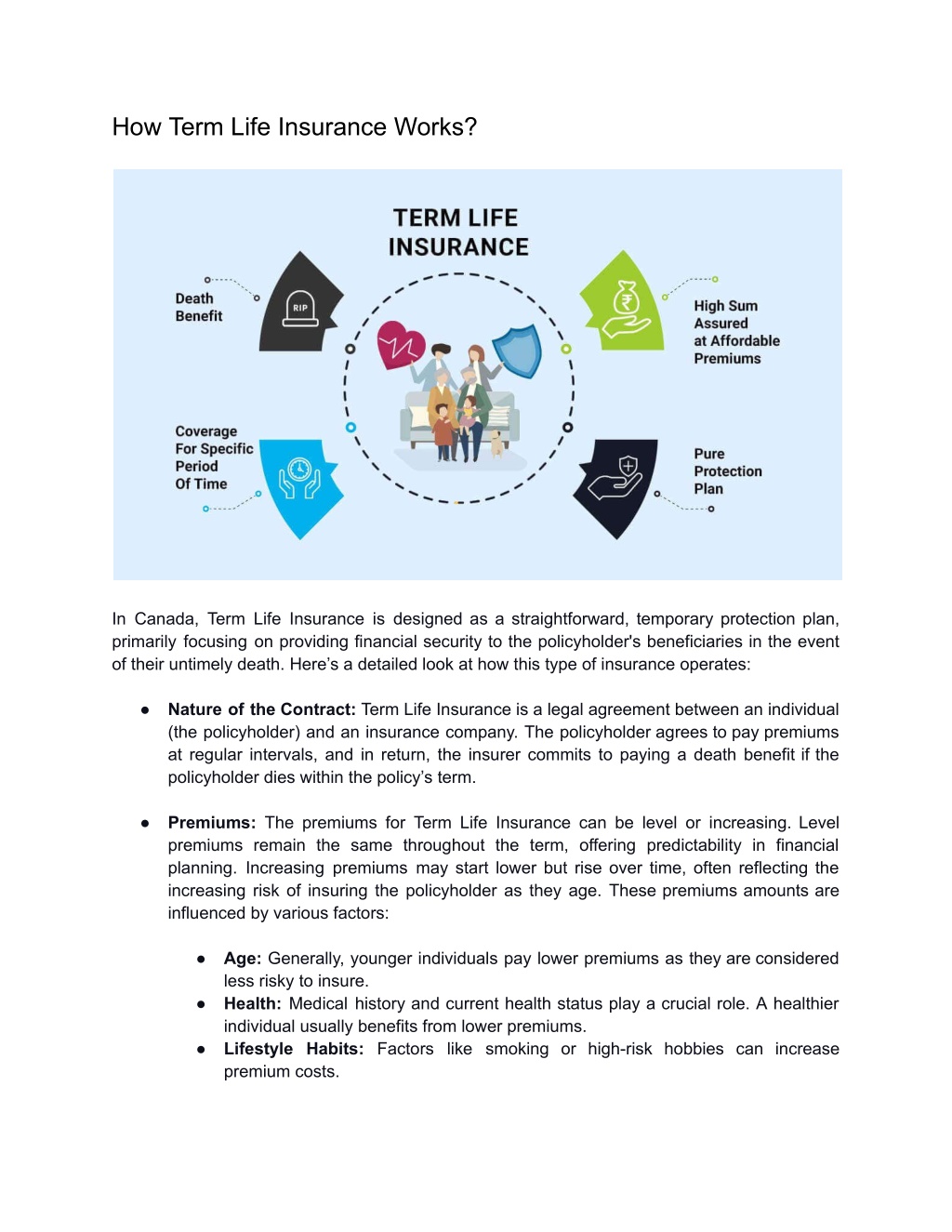
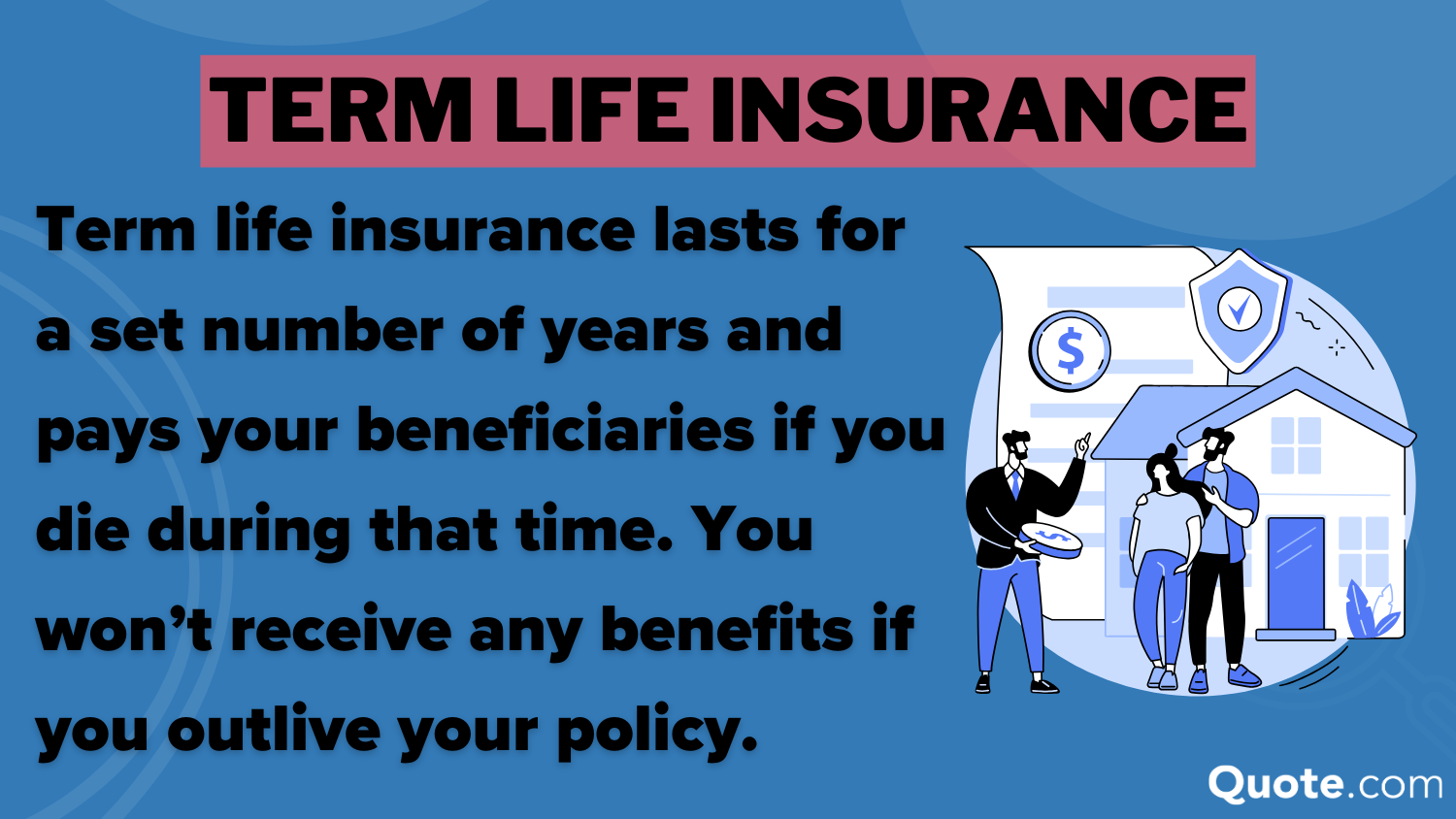
Term life insurance is the most straightforward and cost-effective form of life insurance available to residents of the Ottawa Valley. Unlike permanent policies, which provide coverage for your entire life and include a cash value component, term insurance covers you for a specific "term"—usually 10, 20, or 30 years. If the insured individual passes away during this window, the beneficiaries receive a tax-free death benefit.
For families in Pembroke, this type of insurance is primarily used as a financial safety net. It is designed to cover specific, time-sensitive debts such as a mortgage on a home near the Muskrat River, the cost of post-secondary education for children, or the loss of a primary income. Because it lacks the investment component of whole life insurance, the "real cost" is significantly lower, making it the preferred choice for those who want maximum protection for minimum monthly outlay.
In 2026, the Pembroke market remains competitive. While the city itself is smaller than major hubs like Ottawa or Toronto, residents have access to the same major Canadian insurers. The real cost is dictated not by your postal code alone, but by how your lifestyle and health profile align with actuarial tables used across Ontario.
Primary Factors That Determine Your Premium in 2026
When evaluating what term coverage really costs, it is essential to understand that insurance companies are in the business of assessing risk. Several key variables will move your premium up or down.
Age and Health Status
Age is the single most influential factor. Every year you wait to lock in a term policy, the cost increases. In 2026, a 30-year-old applying for a 20-year term might pay roughly $30 a month, whereas a 50-year-old applying for the same policy could see rates closer to $110.
Health status is evaluated through a process called underwriting. This involves a review of your medical history, current prescriptions, and often a paramedical exam. In Pembroke, these exams are frequently conducted by mobile health professionals who visit your home or office. If you have well-managed high blood pressure or cholesterol, you may still qualify for "Standard" or even "Preferred" rates. However, chronic conditions or a high Body Mass Index (BMI) will result in "rated" policies, which can increase the cost by 25% to 100%.
Smoking and Lifestyle Choices
Smoking remains a massive cost driver. In 2026, smokers in Pembroke can expect to pay two to three times more than non-smokers for the exact same coverage. This includes not just traditional cigarettes, but also vaping and certain cannabis products, depending on the insurer's specific guidelines.
Lifestyle factors also include high-risk hobbies or occupations. Given Pembroke’s proximity to Garrison Petawawa, many applicants are members of the Canadian Armed Forces. While most term policies cover military personnel, certain deployments or high-risk specialties (like search and rescue or explosives handling) might require a "flat extra" fee or specific exclusions, which adds to the real cost.
Coverage Amount and Term Length
The math is simple: more coverage and longer terms cost more. A $1,000,000 policy will cost more than a $250,000 policy, though not four times as much. There is a "base fee" associated with every policy, so increasing your coverage often results in a lower cost-per-thousand-dollars of protection.
The term length also dictates the price. A 10-year term is the cheapest because the insurance company is only taking a risk on your life for a short period. A 30-year term is more expensive because it covers you into an older age where the statistical likelihood of a claim is higher.
Estimated Monthly Costs for Term Life Insurance in Pembroke (2026)
The following table provides estimated monthly premiums for a 20-year term policy with $500,000 in coverage for healthy, non-smoking individuals in the Pembroke area.
| Age | Gender | Smoking Status | Estimated Monthly Premium (CAD) |
|---|---|---|---|
| 25 | Male | Non-Smoker | $22.50 – $28.00 |
| 25 | Female | Non-Smoker | $18.00 – $23.00 |
| 35 | Male | Non-Smoker | $32.00 – $40.00 |
| 35 | Female | Non-Smoker | $26.00 – $33.00 |
| 45 | Male | Non-Smoker | $65.00 – $85.00 |
| 45 | Female | Non-Smoker | $52.00 – $70.00 |
| 55 | Male | Non-Smoker | $165.00 – $210.00 |
| 55 | Female | Non-Smoker | $125.00 – $160.00 |
Note: These are estimates based on 2026 market trends. Actual quotes require a formal application and underwriting.
The Impact of Inflation and the 2026 Economic Climate
By 2026, the "real cost" of insurance must also be viewed through the lens of purchasing power. Inflation in the mid-2020s has affected how much $500,000 can actually accomplish for a grieving family.
When Pembroke residents ask what insurance "really costs," they should consider if their coverage amount is still sufficient. A policy taken out in 2016 for $300,000 might have covered a local mortgage and years of expenses; in 2026, that same $300,000 might only cover the mortgage balance due to rising property values in Renfrew County. Consequently, the "cost" of being underinsured is often higher than the cost of increasing your premium by $10 or $20 a month to secure a higher death benefit.
Furthermore, many insurers in 2026 have shifted toward digital-first underwriting. This means that for residents in rural areas or smaller cities like Pembroke, the "cost" in terms of time and effort has decreased. "No-medical" or "simplified issue" policies have become more competitively priced, allowing healthy individuals to skip the blood tests and nurse visits entirely, though these policies still carry a slight premium over fully underwritten ones.
Local Considerations: Pembroke and Renfrew County
Geography plays a subtle role in life insurance. While the base rates are provincial, local environmental and social factors are sometimes considered during the "Big Data" portion of modern underwriting.
- Access to Healthcare: Pembroke is served by the Pembroke Regional Hospital. In 2026, underwriters look favorably upon applicants who have regular check-ups with a family physician. Residents who utilize local clinics for preventative care often have better-documented medical histories, which leads to faster approvals and more accurate (often lower) pricing.
- Occupational Risks: Beyond the military influence of Petawawa, Pembroke has a history in forestry and manufacturing. If you work in a high-risk sector, such as heavy machinery operation in a mill or long-haul trucking along Highway 17, insurers will evaluate your daily safety risks.
- Regional Mortality Trends: Insurance companies track mortality data by region. Renfrew County’s data regarding lifestyle-related illnesses (like heart disease or respiratory issues) influences how aggressively companies price their products in the region.
Renewable and Convertible Features: The Hidden Costs
When evaluating a quote, Pembroke residents must look at more than just the initial monthly payment. Two features significantly impact the long-term cost:
Renewability: Most term policies are "renewable." This means that at the end of your 20-year term, you can keep the coverage without a medical exam. However, the cost will jump—often by 500% or more. The "real cost" of a policy you plan to keep for 40 years is much higher if you buy two 20-year terms rather than one 40-year term or a permanent policy.
Convertibility: This allows you to change your term policy into a permanent policy (like Whole Life) without proving you are still healthy. In 2026, this is a vital feature for Pembroke families. If you develop a health condition during your term, the ability to convert ensures you remain insured for life, even if you become otherwise uninsurable. While this feature is often "free" (included in the premium), choosing a policy without it can be a costly mistake later in life.
Common Mistakes That Increase Your Real Costs
Many people in the Ottawa Valley end up paying more than necessary for life insurance due to a few common errors:
- Buying Mortgage Insurance from a Bank: Often, residents at local credit unions or banks are offered mortgage life insurance. This is usually more expensive than a private term policy. With bank insurance, the benefit decreases as your mortgage goes down, but your premium stays the same. With a private term policy, the benefit stays level, and you (not the bank) own the policy.
- Waiting Too Long: As the table above shows, waiting from age 35 to age 45 more than doubles your premium. The "cost of delay" is a literal financial penalty.
- Overlooking Group Benefits: Many Pembroke employers offer group life insurance. While this is often "free" or low-cost, it is rarely enough coverage and usually disappears if you leave your job. Relying solely on group coverage can lead to a situation where you are 55, unemployed, and facing the high costs shown in the $165+ range for a new policy.
Frequently Asked Questions
Is life insurance more expensive in Pembroke than in Ottawa?
Generally, no. Life insurance rates are regulated at the provincial level in Ontario. The base rate for a 40-year-old in Pembroke will be the same as for a 40-year-old in Ottawa with the same insurance company. However, the availability of local medical examiners for the underwriting process can sometimes influence the speed and ease of getting the lowest "preferred" rates.
Can I get term life insurance if I work at Garrison Petawawa?
Yes. Most Canadian insurers provide term life insurance to military members. However, it is crucial to disclose your military status and any upcoming deployments. In 2026, most standard policies cover accidental death during service, but specific combat-related exclusions may apply depending on the current global landscape.
Does the cost of term life insurance change every year?
No. One of the primary benefits of a term policy is that the premium is "guaranteed level." If you sign up for a 20-year term at $35 per month, your price will remain $35 per month for the entire 20 years, regardless of changes in your health or the economy.
What is the cheapest way to buy term insurance in Pembroke?
The most cost-effective method is to work with an independent broker who can compare multiple companies. Because no single insurer is the cheapest for everyone, a broker can match your specific health profile (e.g., a history of asthma or a family history of heart disease) with the company that views that specific risk most leniently.
Should I choose a 10-year or 20-year term?
This depends on your debt obligations. If you have a 25-year mortgage on a home in the Laurentian Valley, a 10-year term will leave you unprotected for the final 15 years of your loan. While the 10-year term is cheaper today, buying a new policy in 10 years when you are older will likely cost significantly more than if you had simply locked in a 20-year or 30-year rate today.
Final Recommendation for Pembroke Residents
To find out what term coverage really costs for your specific situation in 2026, the best next step is to calculate your total financial obligations—including mortgage balance, remaining years of income replacement, and future tuition costs. Once you have a target coverage amount, contact an independent insurance broker who serves the Renfrew County area.
By comparing quotes from at least five different major insurers and opting for a fully underwritten policy (if you are in good health), you can secure the lowest possible rate. Always ensure your policy includes a conversion rider, providing you with long-term flexibility as your financial needs evolve in the years toward 2040 and beyond.
Image Gallery