Mars Petcare in Kansas City, MO: Operations, Careers, and Regional Impact
Mars Petcare operates a significant manufacturing and logistics hub in the Kansas City, MO metropolitan area, anchored by its facility in North Kansas City. As a primary contributor to the Kansas City Animal Health Corridor, the compan...
Mars Petcare operates a significant manufacturing and logistics hub in the Kansas City, MO metropolitan area, anchored by its facility in North Kansas City. As a primary contributor to the Kansas City Animal Health Corridor, the company focuses on pet nutrition production, supply chain optimization, and regional distribution for world-renowned brands like Pedigree and Iams.
Contents
The Strategic Presence of Mars Petcare in Kansas City
As of 2026, Mars Petcare remains a titan in the pet nutrition industry, and its Kansas City operations serve as a vital pulse point for North American distribution. The company’s presence in Missouri is not incidental; it is a calculated alignment with the Kansas City Animal Health Corridor, a region stretching from Manhattan, Kansas, to Columbia, Missouri. This corridor represents the largest concentration of animal health interests in the world, accounting for more than half of total global animal health sales.
The Kansas City, MO facility, located specifically in North Kansas City (NKC), is a high-output manufacturing site. While Mars maintains other regional assets—including a major innovation center in nearby Topeka, KS—the Missouri side of the line is heavily focused on the complex logistics and precision manufacturing required to meet the dietary needs of millions of pets. The facility utilizes advanced extrusion technologies and high-speed packaging lines to produce a variety of dry pet foods and treats.
Operating in Kansas City allows Mars Petcare to leverage a unique logistical advantage. The city’s position at the intersection of major interstate highways (I-35, I-70, and I-29) and its status as a major rail hub provide the company with unparalleled access to raw materials and efficient routes for finished product delivery. This infrastructure is essential for maintaining the "just-in-time" supply chain models that define modern pet food retail.
The North Kansas City Manufacturing Facility
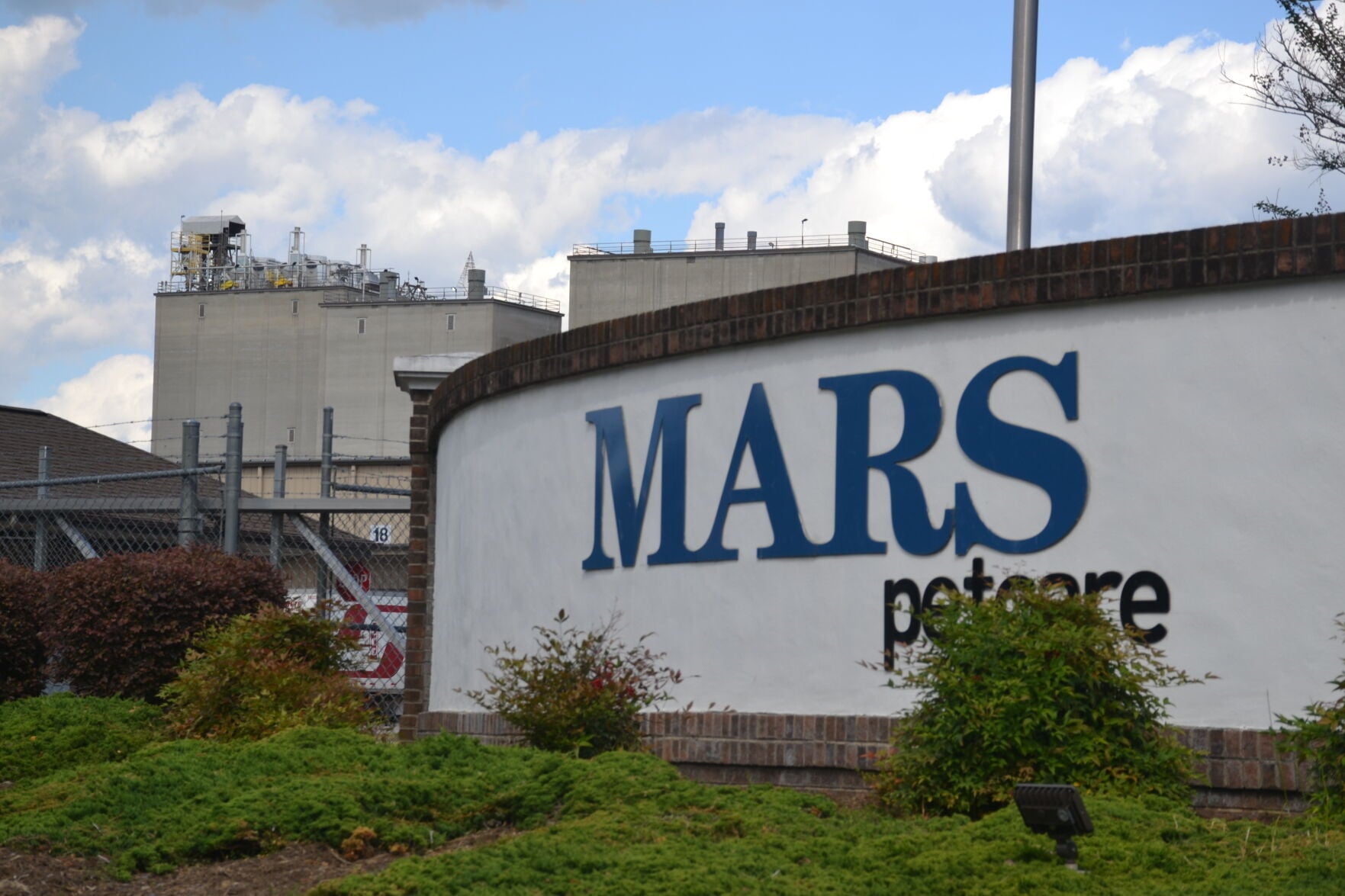
The Mars Petcare facility at 1310 E 14th Ave, North Kansas City, MO is a cornerstone of the local industrial landscape. In 2026, this site continues to emphasize safety, quality, and technical precision. The plant is designed to handle large-scale processing of ingredients, transforming high-quality proteins and grains into scientifically formulated kibble.
Manufacturing pet food at this scale requires strict adherence to food safety protocols that often mirror those found in human food production. The NKC plant operates under the Hazard Analysis and Critical Control Point (HACCP) system and is subject to rigorous inspections by the Food and Drug Administration (FDA) and the Missouri Department of Agriculture. These regulations ensure that every batch of food produced is free from contaminants and meets the nutritional profiles promised on the packaging.
The facility’s layout is optimized for efficiency. From the receiving bays where bulk ingredients arrive via rail or truck to the climate-controlled storage areas for finished goods, every square foot is managed by integrated software systems. These systems track "lot codes," allowing for 100% traceability of every ingredient used in production—a critical capability for maintaining consumer trust and managing any potential quality issues.
Career Opportunities and Workplace Culture in 2026
Mars Petcare is often cited as a top employer in the Kansas City region due to its competitive compensation and unique corporate culture. The company refers to its employees as "Associates," a term reflecting a flattened hierarchy and an emphasis on mutual respect.
Types of Roles Available
Employment at the Kansas City site spans several functional areas, each requiring a different set of technical skills:
- Production and Operations: These roles involve operating the heavy machinery used in extrusion, drying, and coating pet food. Operators must be comfortable with computerized control interfaces and basic mechanical troubleshooting.
- Quality Assurance (QA): QA technicians perform lab tests on raw ingredients and finished kibble to verify protein levels, moisture content, and the absence of pathogens.
- Logistics and Supply Chain: Personnel in this department manage the intricate dance of inbound supplies and outbound shipments, often utilizing sophisticated Warehouse Management Systems (WMS).
- Maintenance and Engineering: These Associates ensure that the facility’s 24/7 operations are not interrupted by mechanical failure, specializing in robotics, PLC (Programmable Logic Controller) programming, and industrial electrical systems.
Associate Benefits and Environment
In 2026, Mars Petcare continues to lead with a benefits package designed to attract top talent in a competitive labor market. This includes not only standard health and retirement benefits but also "pet-centric" perks. Employees often have access to discounted pet insurance, free or subsidized pet food, and at certain office-based locations in the region, pet-friendly workspaces.
The company’s commitment to diversity and inclusion is integrated into its hiring practices. Mars utilizes the "Five Principles"—Quality, Responsibility, Mutuality, Efficiency, and Freedom—as a framework for daily decision-making. This value-driven approach is a significant draw for professionals looking for more than just a paycheck in the manufacturing sector.
Mars Petcare and the Animal Health Corridor
To understand Mars Petcare’s impact in Kansas City, one must understand the Kansas City Animal Health Corridor. This economic ecosystem provides Mars with a specialized talent pool and a network of research partners that few other regions can match.
The synergy within the Corridor allows Mars to collaborate with universities and independent labs on nutritional studies and sustainability initiatives. For example, the proximity to the University of Missouri and Kansas State University provides a pipeline of graduates specializing in veterinary medicine and grain science. This local expertise is vital for the NKC plant when troubleshooting complex nutritional formulations or implementing new manufacturing techniques.
| Facility Feature | Description | Strategic Importance |
|---|---|---|
| Location | North Kansas City, MO (1310 E 14th Ave) | Proximity to major rail and interstate hubs. |
| Primary Brands | Pedigree, Iams, Royal Canin (various) | High-volume production for staple retail brands. |
| Workforce Size | Estimated 200–400 Associates | Significant local tax contributor and employer. |
| Safety Standards | SQF Level 3, HACCP, OSHA VPP | Ensures high-grade product safety and worker protection. |
| Sustainability | Carbon-neutral goals, waste-to-energy | Part of the "Sustainable in a Generation" plan. |
| Key Tech | High-speed extrusion, automated palletizing | Increases throughput and reduces manual labor strain. |
Technological Integration and Sustainability
By 2026, the Kansas City facility has undergone several upgrades to align with Mars Incorporated’s global sustainability goals. The "Sustainable in a Generation" plan aims to reduce the company’s environmental footprint significantly. In the NKC plant, this manifests as optimized energy use in the drying process, which is traditionally the most energy-intensive part of pet food manufacturing.
Automation also plays a larger role than ever before. Collaborative robots (cobots) are frequently used in the packaging and palletizing stages, reducing the risk of repetitive motion injuries for Associates. These technological advancements do not necessarily replace human workers; instead, they shift the demand toward more technically skilled roles capable of managing and maintaining the automated systems.
Water conservation is another focus area. The Kansas City plant has implemented closed-loop cooling systems that minimize water waste during the extrusion process. By reducing both water consumption and wastewater discharge, the facility helps preserve the local watershed while lowering operational costs.
Navigating the Hiring Process at Mars Petcare
For those looking to join the Mars Petcare team in Kansas City, the process is streamlined but rigorous. Most applications are handled through the Mars Careers portal.
- Initial Application: Candidates submit resumes online. The system uses AI-driven screening to match skills with job descriptions.
- Assessment: For technical or manufacturing roles, candidates may be asked to complete a situational judgment test or a basic mechanical aptitude assessment.
- Interviews: Mars often uses behavioral-based interviewing techniques, asking candidates to provide specific examples of how they have demonstrated the Five Principles in past roles.
- Onboarding: Once hired, new Associates undergo extensive safety and quality training before beginning their specific job duties.
The company values longevity and often promotes from within. A machine operator who shows an interest in leadership or specialized maintenance can often access tuition reimbursement or internal certification programs to advance their career without leaving the Kansas City area.
Frequently Asked Questions
Can I buy pet food directly from the Mars Petcare plant in North Kansas City?
No, the North Kansas City facility is a manufacturing and industrial site, not a retail outlet. It is not open to the public for direct sales. However, the products manufactured there are distributed to major retailers, grocery stores, and pet specialty shops throughout the Midwest and beyond.
Does Mars Petcare offer tours of their Kansas City facility?
Public tours are generally not available due to strict safety and biosecurity protocols. As a food manufacturing facility regulated by the FDA, maintaining a sterile and controlled environment is paramount. Occasionally, educational groups or industry partners may be granted access through pre-arranged, high-security clearances.
What are the main brands produced at the KC location?
While production schedules can shift based on market demand, the Kansas City metro facilities primarily support the high-volume dry food lines. This includes major brands such as Pedigree, Iams, and occasionally specialized batches for Royal Canin. Specific SKU production is managed at the corporate level to balance supply across their global network of factories.
Is the Kansas City facility a pet-friendly workplace?
While Mars Petcare is famous for its pet-friendly offices, the manufacturing floor at the North Kansas City plant is a strictly controlled environment where animals are not permitted for safety and hygiene reasons. However, Associate-only areas and local corporate satellite offices in the region often uphold the company's pet-friendly culture where feasible.
How does Mars Petcare contribute to the Kansas City community?
Mars Petcare is active in local philanthropy, often partnering with Kansas City-based animal shelters and food banks. They frequently donate tons of pet food to organizations like Waysided Waifs or the KC Pet Project. Additionally, Associates are encouraged to volunteer through "Mars Volunteer Program" (MVP) hours, which are paid hours dedicated to community service.
What is the minimum age to work at the Kansas City manufacturing plant?
For safety reasons related to the operation of industrial machinery and the handling of materials, the minimum age for most positions at the Mars Petcare manufacturing facility is 18 years old. Certain internships or office roles may have different requirements, but the production floor is restricted to adults with appropriate safety training.
Summary and Next Actions
Mars Petcare in Kansas City, MO, represents a critical intersection of industrial manufacturing and the global animal health economy. For the local community, it provides stable, high-value employment and contributes significantly to the regional tax base. For the company, the Kansas City hub is a logistical necessity that ensures its products reach the shelves of retailers across the central United States with maximum efficiency.
If you are a job seeker, your next step is to monitor the official Mars Careers portal for openings in the North Kansas City area. If you are a business looking to partner with Mars in the Animal Health Corridor, engaging with the Kansas City Area Development Council (KCADC) is the most effective way to enter the local ecosystem. As 2026 progresses, the facility’s role in Mars’s broader sustainability and automation goals will only continue to grow, solidifying its place as a cornerstone of Missouri's industrial sector.
Image Gallery