What to Expect from the Live Action Dora Series
Audiences tuning into the live-action Dora series can expect a reimagined, culturally grounded adventure series that translates the classic animated preschool format into a live-action expedition. The production blends bilingual elemen...
Audiences tuning into the live-action Dora series can expect a reimagined, culturally grounded adventure series that translates the classic animated preschool format into a live-action expedition. The production blends bilingual elements, environmental puzzles, and familiar characters like Boots and Swiper into a narrative tailored for family audiences while keeping core interactive traditions intact.
Contents
Introduction to the Live-Action Dora Adaptation
The transition of beloved animated franchises into live-action formats has become a defining trend across modern entertainment, and the intrepid explorer from the classic educational cartoon is no exception. Bringing a 2D animated preschool icon into a live-action space requires a careful balancing act. Producers must respect the nostalgic elements that generations of viewers grew up with while updating the pacing, visual effects, and storytelling complexity to appeal to contemporary family audiences.
Understanding what to expect from a live-action Dora project involves examining how the source material evolves. The original animated series relied heavily on direct viewer interaction, repetitive phrasing, bright primary colors, and straightforward map-guided quests. In a live-action adaptation, these foundational mechanics must be adapted to fit a narrative world with physical sets, real animal companions created through visual effects, and human actors portraying iconic roles. This transformation affects everything from character design to musical numbers, setting distinct expectations for viewers who remember shouting answers at their living room televisions.
Core Narrative Premise and Setting
Unlike the episodic, morning-cartoon structure of the original television series, live-action adaptations typically adopt a more cohesive narrative arc. While individual episodes or specials may feature distinct quests, the overarching story places a greater emphasis on world-building, lore, and character development.
The setting shifts from a purely abstract, brightly colored cartoon jungle to a grounded yet vibrant environment that mirrors real-world tropical rainforests while retaining a sense of magical realism. Viewers can anticipate a storyline that moves beyond simple destination-reaching to explore environmental stewardship, ancient ruins, and the rich folklore of Latin America. This includes incorporating authentic cultural traditions, mythology, and bilingual dialogue that feels organic to the characters' everyday lives rather than purely educational.
Key Character Dynamics and Casting
A major point of curiosity for fans anticipating the series centers on how classic characters are brought to life.
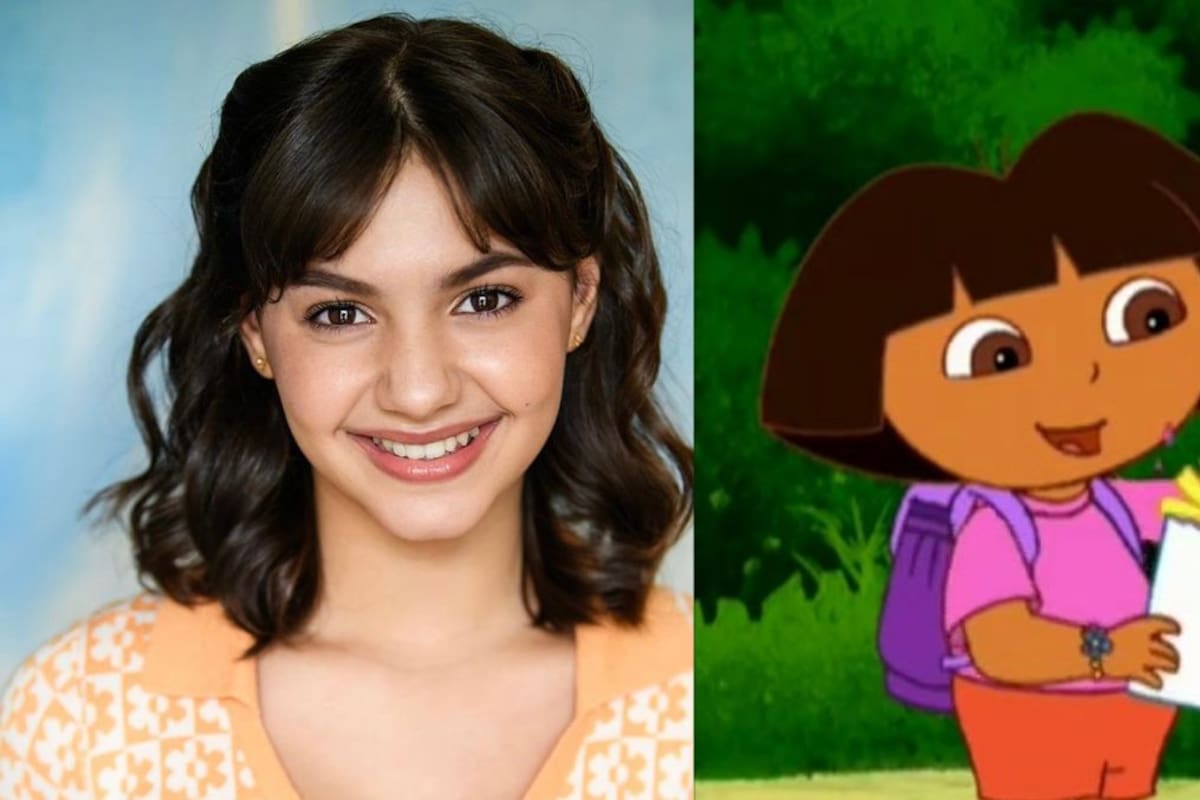
- Dora Marquez: The titular explorer retains her signature adventurous spirit, resourcefulness, and optimism. In the live-action format, her character gains emotional depth, navigating the challenges of adolescence or young-adult exploration while maintaining her trademark resilience.
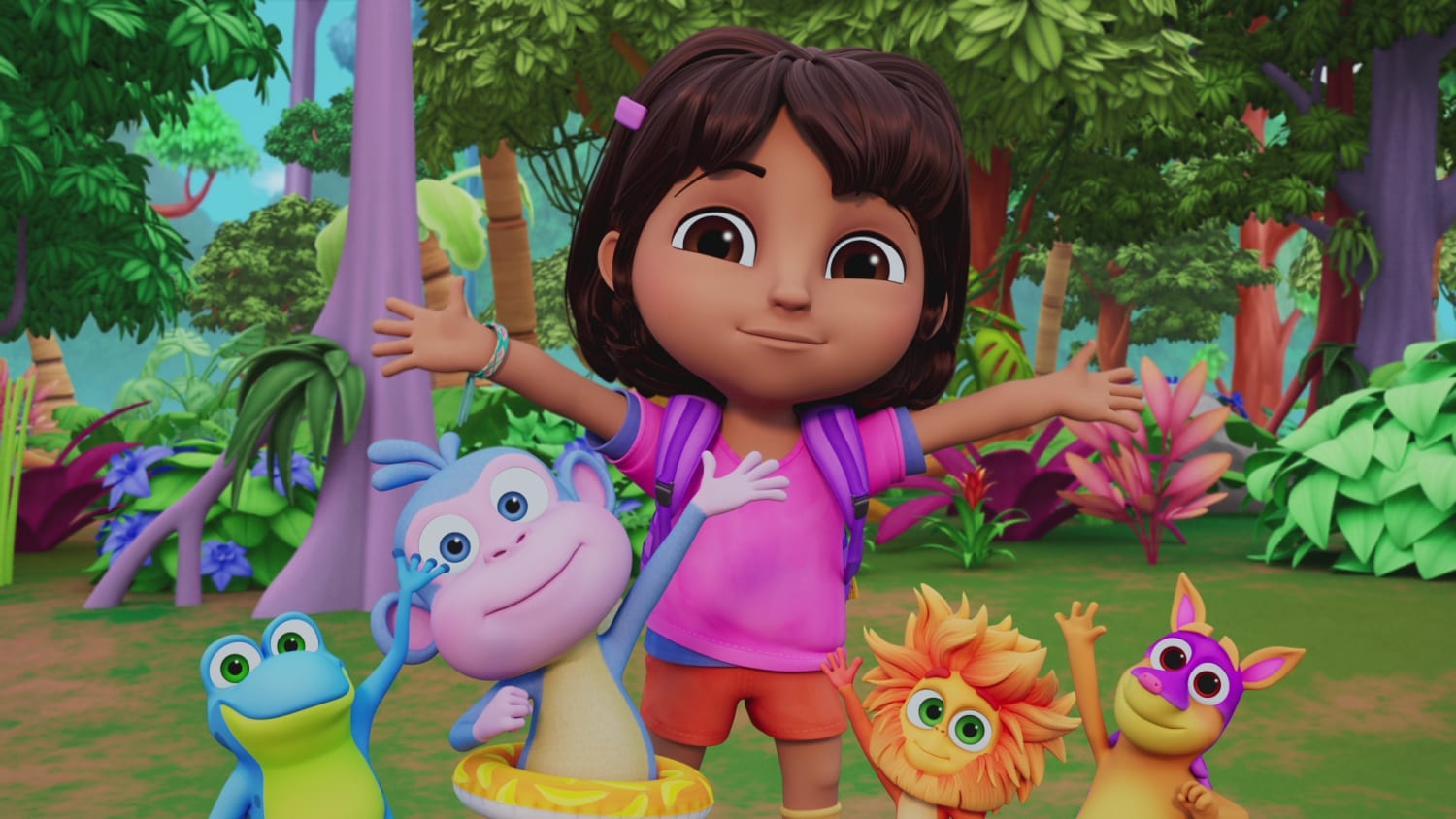
- Boots the Monkey: Executed primarily through computer-generated imagery (CGI), Boots serves as Dora’s primary confidant. Viewers can expect a blend of realistic animal textures with expressive, cartoon-inspired facial animations to preserve his charismatic personality.
- Swiper the Fox: Swiper transitions from a simple cartoon nuisance into a more nuanced antagonist. While his trademark phrase ("Swiper, no swiping!") typically makes an appearance, the adaptation often provides deeper context or humor surrounding his mischievous nature.
- Diego and Familia: Family dynamics play a significant role. Cousins like Diego, along with Mamá and Papá, provide emotional grounding, cultural context, and occasional assistance on expeditions.
Visual Effects and Production Design
Translating a brightly colored cartoon into a live-action medium demands significant reliance on visual effects (VFX) and practical set design. Viewers should expect a cinematic approach to the jungle environments. Rather than relying entirely on green screens, productions frequently utilize a combination of physical forest locations, highly detailed soundstages, and advanced digital matte paintings.
The integration of CGI animals is critical to the success of the adaptation. Characters like Boots, Isa the Iguana, and Benny the Bull require careful rendering to ensure they feel physically present alongside human actors without slipping into the uncanny valley. Additionally, iconic inanimate objects—such as Map and Backpack—undergo creative updates. While Backpack retains its utility, its gadgets and organizational tools may be rendered with modern, practical aesthetics, and Map may feature dynamic, holographic, or tactile navigation elements that nod to its classic animated counterpart.
Interactive Elements and Audience Engagement
One of the defining characteristics of the original franchise is Dora’s habit of breaking the fourth wall to ask the audience for help, whether that means identifying a shape, speaking a foreign word, or pointing out a direction.
In a live-action format, maintaining this interactive heritage is both a creative challenge and an opportunity. While a streaming or broadcast series cannot offer true real-time interactivity like a touchscreen video game, the show honors this tradition by having characters pause, listen, and acknowledge the viewer directly. This meta-awareness preserves the educational and engaging tone that parents and children expect, fostering a participatory viewing experience even within a traditional narrative framework.
Comparison of Animated vs. Live-Action Formats
To understand the stylistic and structural shifts between the original cartoon and its live-action adaptation, consider the following structural breakdown:
| Feature | Original Animated Series | Live-Action Adaptation |
|---|---|---|
| Primary Target Age | Preschoolers (Ages 2–5) | Family / General Audiences (All Ages) |
| Episode Structure | Episodic, formulaic quest per episode | Serialized or standalone narrative arcs with broader stakes |
| Animation / Visuals | 2D digital animation, bright primary colors | Live-action actors, physical sets, and CGI wildlife |
| Interactivity | Direct fourth-wall breaks asking for immediate verbal response | Stylistic nods to audience participation within a narrative flow |
| Music and Language | Simple repeating songs, basic Spanish vocabulary | Expanded musical numbers, natural bilingual dialogue, and cultural instrumentation |
Music, Language, and Cultural Authenticity
Music has always been central to the franchise, from the iconic theme song to triumphant journey tunes. In a live-action series, viewers can expect expanded musical arrangements that incorporate traditional Latin American instruments, contemporary pop production, and catchy refrains. Choreography plays a prominent role, transforming simple cartoon movements into energetic, full-scale musical numbers filmed on location or studio stages.
Language integration is equally vital. The series emphasizes authentic bilingualism, seamlessly weaving Spanish and English together in a manner that reflects modern multilingual households. Rather than treating Spanish vocabulary as isolated educational segments, characters use it naturally in conversation, supported by contextual cues that allow viewers of all language backgrounds to follow along effortlessly.
Common Questions and Practical Viewing Guidance
Will the live-action series be suitable for young children?
While the source material is aimed at preschoolers, live-action adaptations are typically rated for family viewing (often TV-Y7 or PG equivalents depending on the specific platform). They feature slightly higher dramatic stakes, mild peril, and more complex narrative pacing than the 2-minute attention-span format of the original cartoons.
Are original voice actors or creators involved?
Production teams often consult with educational experts and original creators to ensure the core spirit of the character remains intact, though the cast consists of live-action actors rather than voice talent. Cameos from legacy voice actors occasionally occur as a nod to long-time fans.
Where can viewers watch the series?
Distribution varies by specific production, but major family-oriented live-action adaptations typically debut on dedicated streaming services (such as Paramount+) or major broadcast networks associated with the intellectual property holder. Check local streaming availability for the specific title release in your region.
How does the live-action version handle iconic catchphrases?
Fans can expect careful placement of nostalgic touchstones—including "Swiper, no swiping!" and map-reading songs—though they are integrated to fit the more naturalistic dialogue of a live-action script without feeling overly forced.
Conclusion and Next Actions
The live-action Dora series represents a bridge between childhood nostalgia and modern cinematic storytelling. By retaining the core pillars of exploration, bilingual education, and interactive problem-solving while elevating the production scale, visual effects, and narrative depth, the adaptation offers an engaging experience for both legacy fans and new viewers. To prepare for watching, verify streaming platform availability in your region, review age-appropriateness guidelines if watching with very young children, and enjoy stepping back into the jungle with a familiar guide.
Image Gallery