Understanding and Securing the Cheapest Auto Insurance Rates in Louisiana
Finding the cheapest auto insurance rates in Louisiana requires a strategic approach that balances state-mandated coverage requirements with individual risk profiles. Because Louisiana consistently ranks among states with higher averag...
Finding the cheapest auto insurance rates in Louisiana requires a strategic approach that balances state-mandated coverage requirements with individual risk profiles. Because Louisiana consistently ranks among states with higher average premiums due to factors like litigation costs and weather-related risks, consumers must actively manage their policy details, credit-based insurance scores, and shopping habits to secure competitive pricing in 2026.
Contents
The Landscape of Auto Insurance in Louisiana
Louisiana’s auto insurance market is influenced by a unique combination of regulatory oversight and environmental risks. The Louisiana Department of Insurance (LDI) oversees carrier filings, but the actual cost you pay is determined by your specific risk factors. Unlike some states that have moved to restrict the use of credit scores in underwriting, Louisiana allows insurance companies to utilize credit-based insurance scores as one of many variables to predict the likelihood of future claims.
When searching for the lowest premiums, it is essential to distinguish between the state's minimum financial responsibility laws and the actual coverage necessary to protect your personal assets. Louisiana requires drivers to carry liability insurance with minimum limits of 15/30/25, which translates to $15,000 for bodily injury per person, $30,000 for bodily injury per accident, and $25,000 for property damage. While these minimums satisfy legal requirements, they are rarely sufficient in the event of a serious accident, as medical costs and vehicle repairs frequently exceed these amounts.
Key Factors That Influence Your Premium
Insurance carriers assign rates based on actuarial data. Understanding these variables allows you to adjust your profile where possible to qualify for better terms.
- Driving Record: This is arguably the most significant factor. Tickets, at-fault accidents, and DUIs stay on your record for several years and act as a multiplier for your base rate.
- Credit-Based Insurance Score: In Louisiana, your credit history significantly impacts your premium. Drivers with "excellent" credit scores typically pay substantially less than those with "fair" or "poor" ratings.
- Vehicle Type: High-performance, luxury, or vehicles with expensive repair parts and advanced safety technology cost more to insure. Selecting a vehicle with a higher safety rating and lower replacement cost can directly lower your monthly bill.
- Annual Mileage: If you work from home or have a short commute, disclosing this accurately can reduce your risk profile. High-mileage drivers statistically spend more time on the road, increasing the probability of an incident.
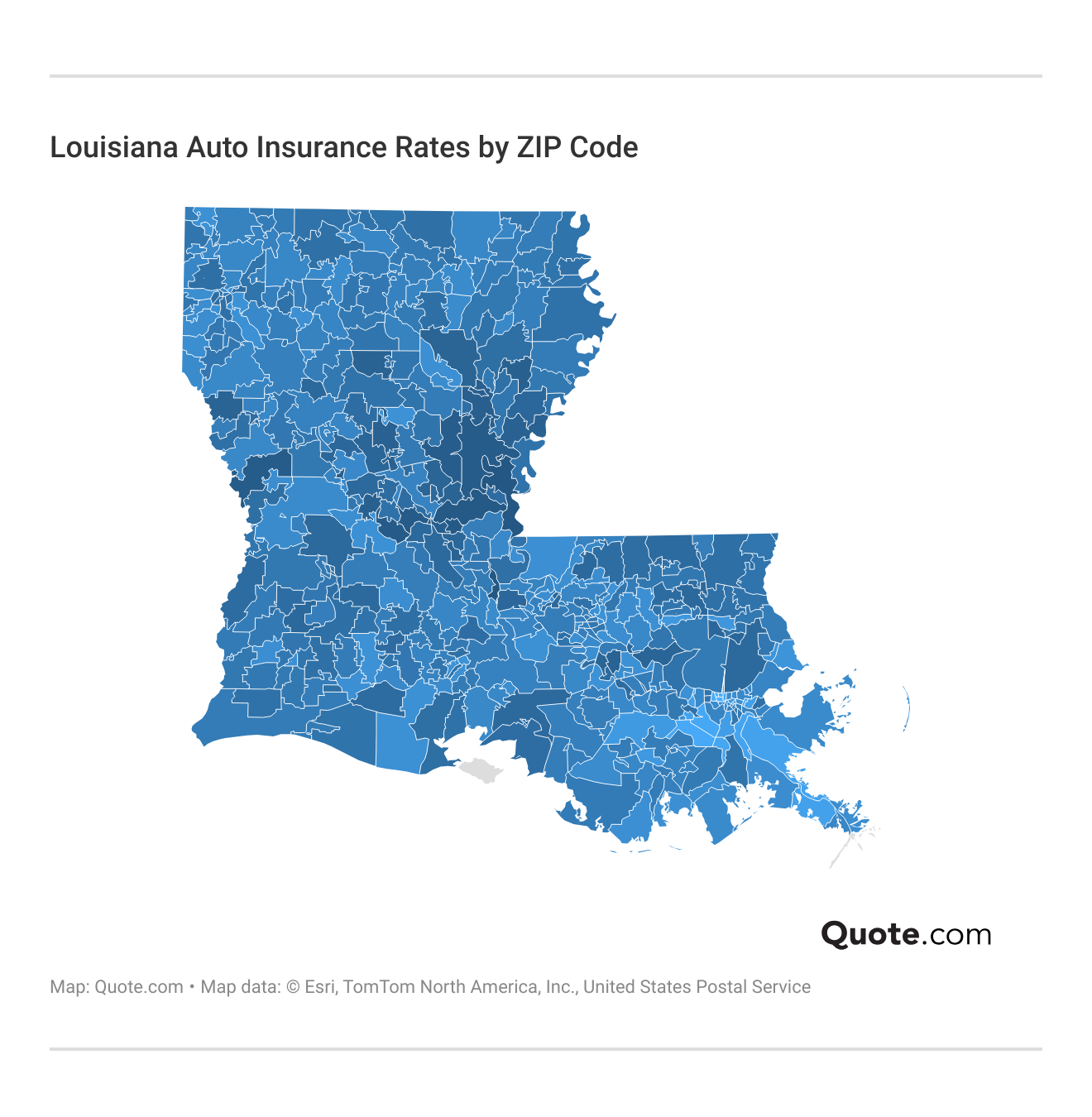
- Location: Living in a densely populated urban area, such as New Orleans or Baton Rouge, generally results in higher rates than living in rural parishes, due to increased traffic congestion and higher crime rates.
Comparing Coverage Levels and Costs
To effectively hunt for the lowest rates, you must compare "apples to apples." When getting quotes, ensure the coverage limits and deductibles are identical across all companies.
| Coverage Type | Purpose | Impact on Premium |
|---|---|---|
| Liability Only | Covers damages to others; meets legal minimums. | Lowest cost, high personal risk. |
| Full Coverage | Liability + Comprehensive + Collision. | Higher cost, protects your vehicle. |
| High Deductible | Shifts repair costs to you in an accident. | Lowers monthly premium. |
| Low Deductible | Carrier covers more of the repair cost. | Increases monthly premium. |
Strategic Steps to Lower Your Premium
Reducing your insurance costs is not just about choosing the cheapest provider; it is about optimizing your entire profile.
- Bundle Your Policies: If you own a home, condo, or rent, buying your auto insurance from the same carrier often triggers a "multiline" discount. This is one of the most effective ways to lower the bottom-line cost.
- Raise Your Deductible: If you have an emergency fund, raising your collision and comprehensive deductible from $500 to $1,000 or $2,000 can result in immediate monthly savings. Ensure you can realistically afford to pay that amount if a claim occurs.
- Inquire About Group Discounts: Many insurance companies offer lower rates for employees of specific companies, members of professional organizations, or alumni associations.
- Maintain Continuous Coverage: Lapses in coverage are viewed as high-risk behavior by underwriters. Even if you sell your car, maintaining a non-owner policy can keep your insurance history "clean" and prevent future rate hikes when you purchase a new vehicle.
- Review Your Policy Annually: Life events—such as getting married, reaching age 25, or moving to a different parish—can significantly shift your rate. Set a reminder to re-shop your policy at every renewal period.
Understanding Discounts and Deductibles
Beyond standard variables, carriers offer specific discounts that you should verify during the quoting process. Common options include:
- Safe Driver Discount: Requires a clean record for a set number of years.
- Telematics Programs: These involve plugging a device or using a mobile app to track your driving habits. If you drive conservatively, these programs can offer significant discounts.
- Safety Features: Advanced driver-assistance systems (ADAS), anti-theft devices, and passive restraint systems (airbags) can qualify for minor rate reductions.
Legal and Financial Considerations
It is important to note that insurance is a contract of adhesion; the terms are set by the insurer. Before accepting the cheapest quote, review the financial strength and claim-paying history of the provider. A company with the lowest price may have poor customer service or difficult claims processes, which can cost you more in time and legal stress after an accident. You can verify the status and complaint records of insurance companies operating in Louisiana through the Louisiana Department of Insurance website.
Professional Advice Limitation: The information provided here is for educational purposes and does not constitute financial, legal, or professional insurance advice. Insurance regulations and company policies are subject to change. Always consult with a licensed insurance agent or financial advisor before making decisions that affect your financial protection.
Frequently Asked Questions
Does a clean driving record guarantee the lowest rates? While a clean record is the most effective way to lower premiums, it does not guarantee the "lowest" rate because insurers weigh other factors like your credit score, vehicle type, and location. However, a clean record is the baseline prerequisite for the best tier of pricing from most major insurers.
Should I choose the state minimum liability limits? Choosing state minimums is the fastest way to lower your monthly premium, but it carries significant financial risk. If you are found at fault for an accident involving expensive vehicles or severe medical injuries, your assets, including your home and savings, could be targeted in a lawsuit if your insurance limits are exhausted.
How often should I shop for new insurance rates? You should compare rates at least once every 12 months or whenever you have a "life event," such as a move, marriage, or the addition of a new driver to your household. Loyalty to a single carrier rarely results in the best financial outcome over a long period.
Are online quotes accurate? Online quotes are estimates based on the information you provide. They are generally accurate, but the final premium may fluctuate after the carrier verifies your records through a third-party report (e.g., credit check and CLUE report). Always be truthful to avoid a retroactive rate increase or policy cancellation.
Can I get a discount if I drive very little? Yes. If you drive fewer miles than the average driver, many carriers offer "low-mileage" or "pay-per-mile" insurance options. Be prepared to provide an odometer reading to verify your eligibility for these programs.
Next Steps
To secure the most affordable rate today, gather your current policy information, including your VIN and your current coverage limits. Contact three to five reputable, admitted carriers in Louisiana to request quotes with identical coverage levels. If your credit score is low, prioritize carriers known for being more lenient with credit-based underwriting, or focus on improving your score over the next six months to qualify for better rates in the future.
Image Gallery