Understanding What TikTok Is in the Digital Landscape
TikTok occupies a central position in the contemporary digital landscape as a short-form video hosting service that functions as a primary entertainment hub, a powerful social search engine, and a transformative tool for algorithmic co...
TikTok occupies a central position in the contemporary digital landscape as a short-form video hosting service that functions as a primary entertainment hub, a powerful social search engine, and a transformative tool for algorithmic content discovery. Owned by ByteDance, it reshapes how global audiences consume information, engage with brands, and participate in cultural trends through its unique interest-based recommendation system.
Contents
The Structural Evolution of the Platform
TikTok is a social media application that specializes in mobile-first, short-form video content. While it originated from the consolidation of Musical.ly and the Chinese domestic app Douyin, it has matured into a distinct global entity. In the digital landscape of 2026, TikTok operates less as a traditional social network—where connections are built on pre-existing friendship graphs—and more as an "interest graph" platform.
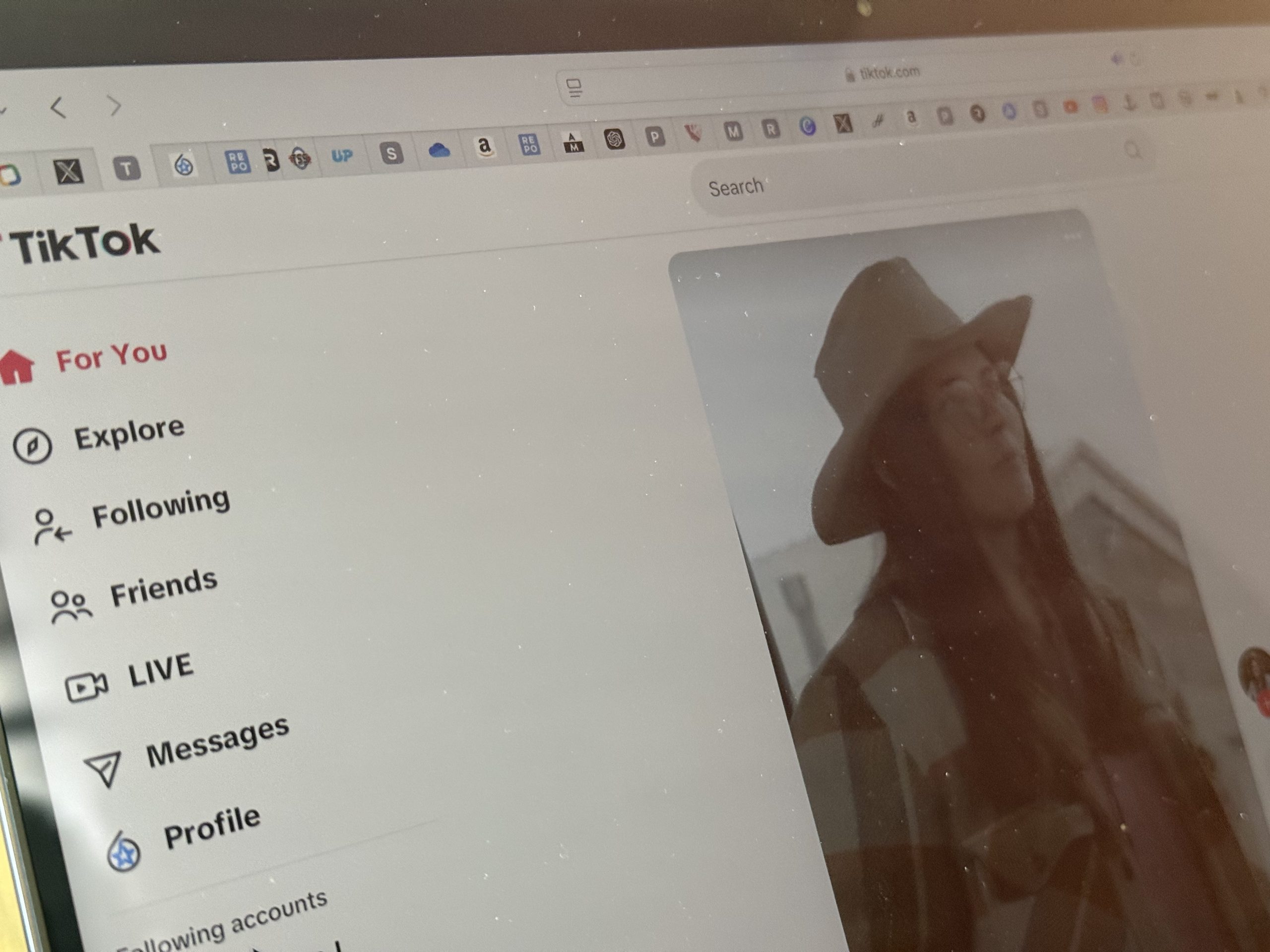
The core of the platform is the "For You" feed (FYF). Unlike legacy platforms that prioritize content from users you follow, TikTok utilizes a machine learning recommendation engine. This engine analyzes dwell time, completion rates, shares, and interactions to serve content that aligns with individual preferences, regardless of the creator's follower count. This mechanism fundamentally lowered the barrier to virality, allowing individual users to reach global audiences without a historical digital footprint.
TikTok as a Search Engine
One of the most significant shifts in the digital landscape is the transition of TikTok from an entertainment platform to a search engine. Younger demographics, particularly Gen Z and Gen Alpha, increasingly favor TikTok’s visual-first results over traditional text-based search engines for queries ranging from restaurant recommendations and product reviews to tutorials and travel planning.
The platform provides an "authenticity-first" search experience. When a user searches for a query on TikTok, they are presented with video evidence—demonstrations, firsthand testimonials, and real-world results—rather than links to potentially optimized blog content. This has forced brands to adopt "TikTok SEO" strategies, focusing on keywords in video captions, text overlays, and audio transcripts to ensure their content surfaces when potential customers search for specific solutions.
The Economic and Cultural Impact
The platform acts as an economic driver for the creator economy and global commerce. The integration of TikTok Shop has merged entertainment with point-of-sale functionality, effectively creating a "shoppertainment" model where the discovery of a product and the checkout process occur within the same interface.
The impact on cultural discourse is equally profound. Trends—whether musical, political, or lifestyle-oriented—often originate on TikTok before migrating to other social networks or traditional media. For businesses, this requires a shift in marketing philosophy. Instead of polished, high-production advertisements, the landscape demands "native" content that feels like a genuine part of the user’s feed. Content that appears overly corporate or "salesy" is frequently rejected by the algorithm due to decreased engagement metrics.
Technical Specifications and User Requirements
To understand TikTok’s role, one must consider the technical architecture that supports its scale. The platform is optimized for mobile playback, favoring a 9:16 vertical aspect ratio. By 2026, the platform has expanded support for longer-form content, though the core engagement remains tethered to high-retention, short-duration segments.
| Feature | Functionality | Strategic Importance |
|---|---|---|
| For You Feed (FYF) | Algorithmic delivery | Primary engine for discovery and virality. |
| TikTok Shop | Native e-commerce | Enables direct conversion within the app. |
| Creative Center | Analytics & Trend Data | Informs content strategy with real-time metrics. |
| TikTok Search | Visual query engine | Essential for discovery and long-tail visibility. |
| Duet/Stitch | Collaborative tools | Facilitates cultural participation and remixing. |
Risks and Platform Governance
The digital landscape also includes the regulatory challenges TikTok faces. As of 2026, the platform operates under a complex set of global data privacy regulations. Users and businesses must be aware that TikTok is subject to jurisdictional data handling policies, which vary by region. Organizations integrating TikTok into their digital strategy often maintain a "platform diversification" policy, recognizing that social media visibility is subject to rapid changes in algorithm policy, regional bans, or shifts in user sentiment.
Safety and moderation remain critical components of the platform's viability. TikTok employs a hybrid of automated AI moderation and human review teams to enforce community guidelines regarding harassment, misinformation, and intellectual property. For businesses, adhering to these guidelines is not merely a compliance task but a prerequisite for maintaining brand reputation and avoiding "shadow-banning" or restricted reach.
Strategic Integration for Businesses
For organizations looking to leverage TikTok, the objective should not be "going viral" but rather "building consistent relevance." The algorithm rewards consistency and topical authority. If an account consistently posts content regarding home improvement, the system learns to categorize that account, eventually serving its content to users who show interest in that specific niche.
Successful integration involves:
- Defining the Niche: Establish clear parameters for the content pillar to assist the algorithm in categorization.
- Prioritizing Native Format: Use internal editing tools and trending audio to ensure the content matches the aesthetic of the platform.
- Optimizing for Search: Use descriptive, keyword-rich captions and ensure the subject matter is clearly audible and visible.
- Iterative Learning: Utilize the platform’s built-in analytics to determine which variables—such as hook style, video duration, or time of posting—correlate with the highest completion rates.
Frequently Asked Questions
How does the TikTok algorithm determine what content to show? The algorithm uses a weighted system based on user behavior. It prioritizes "interest signals" like completion rate (did the user watch until the end?), re-watches, and shares. It deprioritizes content that is immediately skipped. It does not rely on your follower count as heavily as legacy platforms, giving new accounts the same opportunity for reach as established ones.
Can TikTok be used as a primary search engine? Yes, it is increasingly used as a search tool. Users type queries into the search bar to find video reviews, "how-to" guides, and authentic recommendations. It is particularly effective for high-intent queries where seeing the product or process in motion is more valuable than reading a text description.
Is TikTok Shop mandatory for business accounts? It is not mandatory, but it is a core feature for those in the retail or consumer goods space. If your goal is direct conversion, TikTok Shop simplifies the path to purchase by keeping the user inside the app. If your goal is brand awareness or lead generation for services, you may choose to drive traffic to a website via the "link in bio" instead.
What is the difference between an interest graph and a social graph? A social graph, used by platforms like Facebook, focuses on who you know. An interest graph, used by TikTok, focuses on what you like. The interest graph is far more effective at keeping users engaged because it is not limited by your actual social circle; it can find interesting content for you from anywhere in the world.
How do I ensure my content is compliant with platform rules? Review the official Community Guidelines annually. The platform updates its rules regarding AI-generated content, copyright, and safety standards. Generally, avoid misleading claims, copyrighted music for which you do not hold a license (if using a business account), and content that violates safety policies to ensure your account remains in good standing.
Next Steps for Success
To maximize the value of TikTok within your digital strategy, begin by auditing your current content library for segments that can be repurposed into 15–30 second, high-impact clips. Focus on providing value—whether educational or entertaining—without the expectation of immediate sales. Monitor your "Search" analytics in the TikTok Creator Center to see what questions your audience is asking, and produce content that answers those specific questions directly. By treating the platform as a search-driven discovery engine, you position your brand to capture attention before competitors arrive.
Image Gallery