Understanding the Global Scope: How Many People Play Hockey
Determining exactly how many people play hockey globally is complex because participation spans professional leagues, recreational amateur circuits, and informal pond play. Estimates from the International Ice Hockey Federation (IIHF)...
Determining exactly how many people play hockey globally is complex because participation spans professional leagues, recreational amateur circuits, and informal pond play. Estimates from the International Ice Hockey Federation (IIHF) and various national governing bodies indicate that approximately 1.5 to 2 million registered ice hockey players exist worldwide, though the number of casual participants is likely significantly higher.
Contents
Defining the Scope of Hockey Participation
When discussing the number of hockey players, it is essential to distinguish between registered athletes and the wider population of casual participants. The term "hockey" typically refers to ice hockey in most North American and European contexts, though field hockey is an entirely different sport with a far larger global participant base. For the purpose of this analysis, we focus on ice hockey, governed primarily by the IIHF.
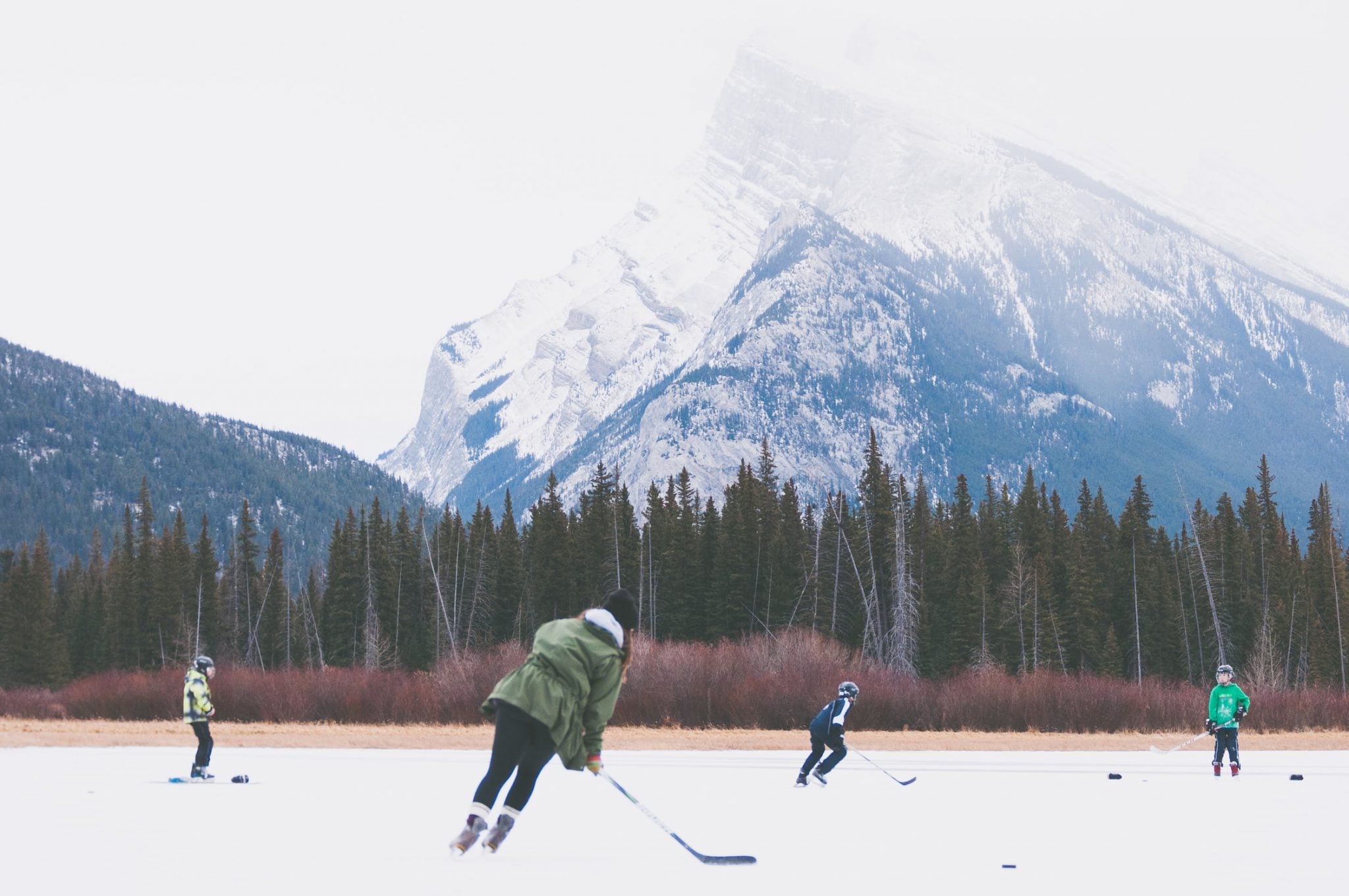
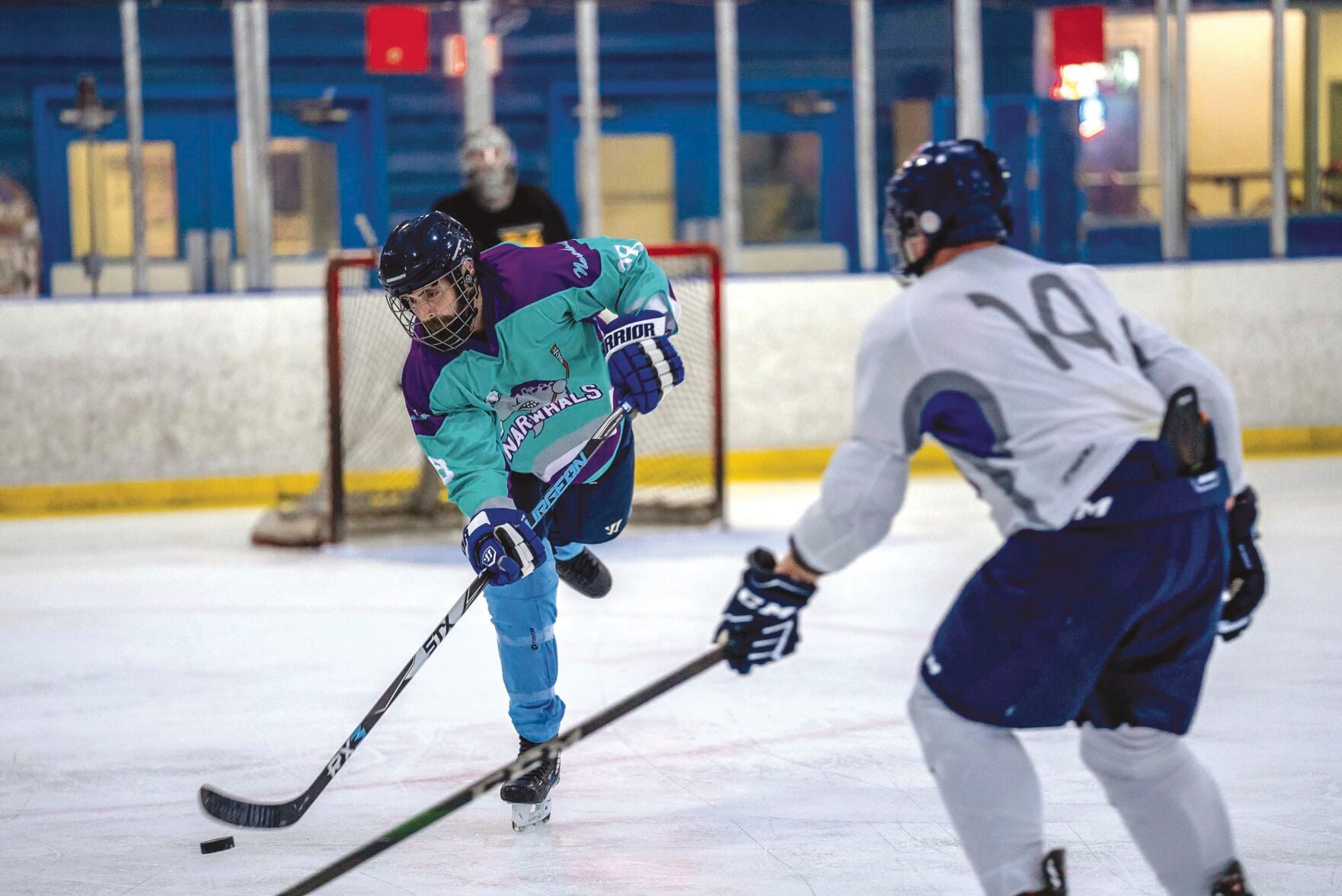
Registered players are those affiliated with an official national association. These individuals possess insurance, participate in sanctioned league games, and often appear in official databases. However, this count ignores millions of people who play "shinny" or recreational pond hockey, as well as those who participate in adult "beer leagues" that may operate under independent insurance structures rather than direct IIHF affiliation.
Regional Distribution of Players
Hockey participation is heavily concentrated in Northern Hemisphere nations where cold climates historically necessitated winter sports. The IIHF records provide the most consistent data, showing that a handful of countries account for the vast majority of the world's organized players.
The "Big Six" Influence
Canada, the United States, Russia, Sweden, Finland, and Czechia—often referred to as the "Big Six"—constitute the backbone of global ice hockey. Canada, due to its cultural history and high per-capita ice rink availability, maintains the highest number of registered players. In many of these nations, the pathway from youth hockey to professional status is institutionalized, ensuring that registration numbers remain relatively stable year-over-year.
Emerging Markets
While traditional powerhouses dominate, the sport has seen steady growth in Central and Southern Europe, as well as parts of Asia. China, in particular, has invested heavily in winter sports infrastructure following the 2022 Winter Olympics, leading to an increase in youth programs. However, conversion from casual interest to registered participation remains a challenge in non-traditional hockey nations, where ice availability and the high cost of equipment act as barriers to entry.
Comparing Global Hockey Participation Segments
To understand the landscape of hockey, it is helpful to categorize participants by their level of involvement. The following table provides an overview of these segments as of 2026.
| Player Segment | Estimated Scope | Defining Characteristics |
|---|---|---|
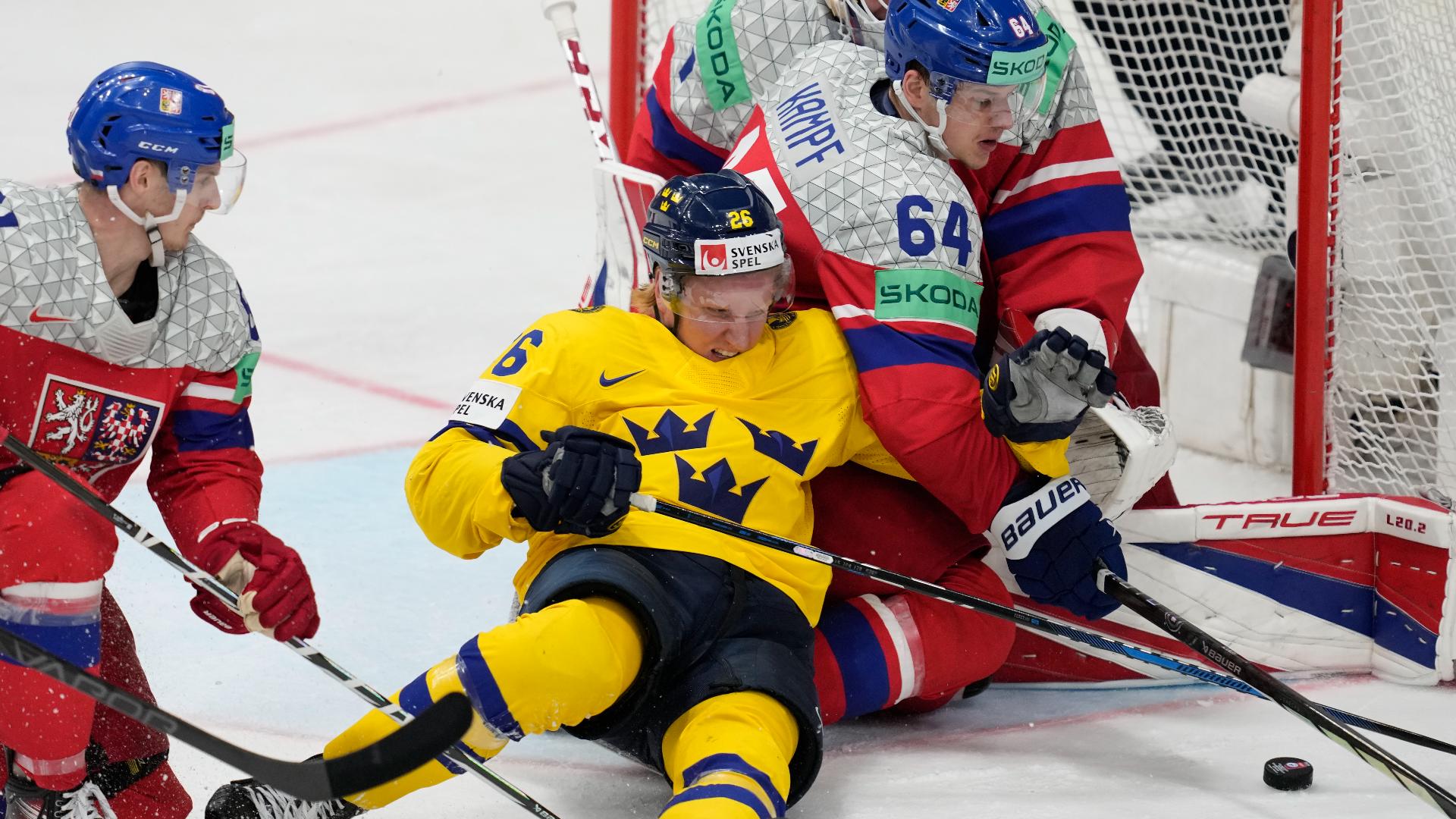
| Elite/Professional | ~5,000–8,000 | Full-time athletes in top-tier global leagues. |
| Junior/Competitive | ~1.5–2 Million | Registered players in age-bracketed leagues. |
| Recreational/Adult | ~2–3 Million | Casual, non-sanctioned, or local league play. |
| Informal/Pond | Data Unavailable | Non-organized, spontaneous local participation. |
Note: Estimates represent best-available aggregated figures from international governing bodies and industry reports.
Factors Influencing Participation Rates
Several structural and economic factors dictate how many people play hockey at any given time. Understanding these variables provides clarity on why growth is localized rather than uniform across the globe.
Access to Infrastructure
The most significant prerequisite for ice hockey is the presence of an indoor ice rink. Unlike sports that can be played on open fields or courts, hockey requires specialized refrigeration and maintenance. Regions with a high density of municipal arenas, such as parts of Ontario, Canada, or Minnesota in the U.S., show significantly higher participation rates than regions where ice time must be rented at high market premiums.
Financial Requirements
Hockey is widely considered one of the most expensive team sports to play. Beyond registration fees, the cost of protective equipment—including skates, pads, helmets, and sticks—can be prohibitive for families. Furthermore, travel hockey teams often require significant expenditures for lodging, transportation, and tournament fees. As of 2026, the rise in the cost of high-performance composite sticks and specialized skates continues to place a ceiling on organic growth in middle-to-lower income demographics.
Professional Pathways and Media Exposure
The popularity of leagues like the National Hockey League (NHL) significantly impacts grassroots participation. In regions where the NHL or high-level local professional leagues have a strong media presence, children are more likely to express interest in the sport. The visibility of role models acts as a catalyst for local program registration, effectively turning viewers into participants.
The Role of Governing Bodies in Data Collection
The IIHF serves as the primary source for standardized statistics on ice hockey participation. Every year, member nations submit data regarding the number of players registered within their respective systems. This data is split into categories: male, female, and junior players.
Because these figures only capture "registered" individuals, they provide a conservative estimate. A player who participates in an unofficial weekly scrimmage at a local arena is not captured in the IIHF registry. Consequently, the true number of people who interact with the sport of hockey is likely several multiples higher than the reported two million registered athletes.
Addressing Barriers to Entry
Growth in hockey participation is currently being addressed through several initiatives. Many national federations have implemented "Learn to Play" programs that provide entry-level gear to children, lowering the initial cost hurdle. Additionally, the development of smaller-scale ice surfaces, such as "rink-in-a-box" installations, has allowed for more accessible local play in areas that lack full-sized indoor facilities.
Despite these efforts, hockey faces competition from other team sports that require less equipment and lower financial commitments. Ensuring the sport's long-term health depends on maintaining a pipeline from casual interest to organized league play, which remains the most reliable way to sustain player counts.
Frequently Asked Questions
Is field hockey counted in these statistics?
No. Field hockey is a separate sport with different governing bodies, such as the International Hockey Federation (FIH). It is played on turf or grass without skates. When international organizations discuss "hockey" player counts, they distinguish between ice hockey and field hockey to avoid statistical inflation.
Why is it difficult to get an exact number of hockey players?
The difficulty stems from the decentralized nature of recreational hockey. While elite and junior leagues are highly organized, many adult and casual leagues operate independently, meaning they do not report their player rosters to national governing bodies.
Are more people playing hockey now than in previous years?
Growth is inconsistent. While some regions show stable growth due to new rink construction, other areas have seen stagnant numbers due to the high barrier to entry and the increasing competition for time and money from other youth sports.
Does "registered player" status include professional athletes?
Yes. Professional athletes typically maintain their registration status through their respective national associations, even if their professional teams operate as independent businesses.
How does climate change affect the number of people playing hockey?
Climate change has reduced the frequency and quality of natural ice, which historically served as the entry point for many players. As natural pond hockey becomes less viable, the sport becomes entirely reliant on expensive artificial indoor facilities, which can limit geographic expansion.
Recommendation for New Participants
If you are interested in joining the hockey community, the best first step is to contact your local municipal rink or regional ice hockey association. Most areas host "Learn to Play" clinics, which provide a low-pressure environment for beginners. Rather than purchasing a full set of equipment immediately, check if the local facility offers gear rental or starter kits. This allows you to experience the sport’s demands firsthand before making a significant financial investment in personal equipment.
Image Gallery