Why Apple Card Cash Back Wins Over Miles for Everyday Spending
Choosing between liquid cash back and travel miles comes down to guaranteed dollar value versus speculative reward potential. For the majority of cardholders, Apple Card points in the form of Daily Cash win over traditional travel mile...
Choosing between liquid cash back and travel miles comes down to guaranteed dollar value versus speculative reward potential. For the majority of cardholders, Apple Card points in the form of Daily Cash win over traditional travel miles by eliminating annual fees, eliminating point devaluation risks, offering immediate high-yield interest compounding, and delivering effortless 2% returns across everyday Apple Pay transactions.
Contents
Understanding the Core Value Proposition: Cash Back vs. Travel Miles
The debate between cash-back credit cards and travel reward programs has shifted dramatically. Historically, point-based travel cards dominated credit card discussions because savvy consumers could leverage airline transfer partners to achieve redemption values exceeding two cents per point. However, as travel programs introduce dynamic pricing models and devalue miles, the predictability of direct cash back has become increasingly superior for everyday spending.
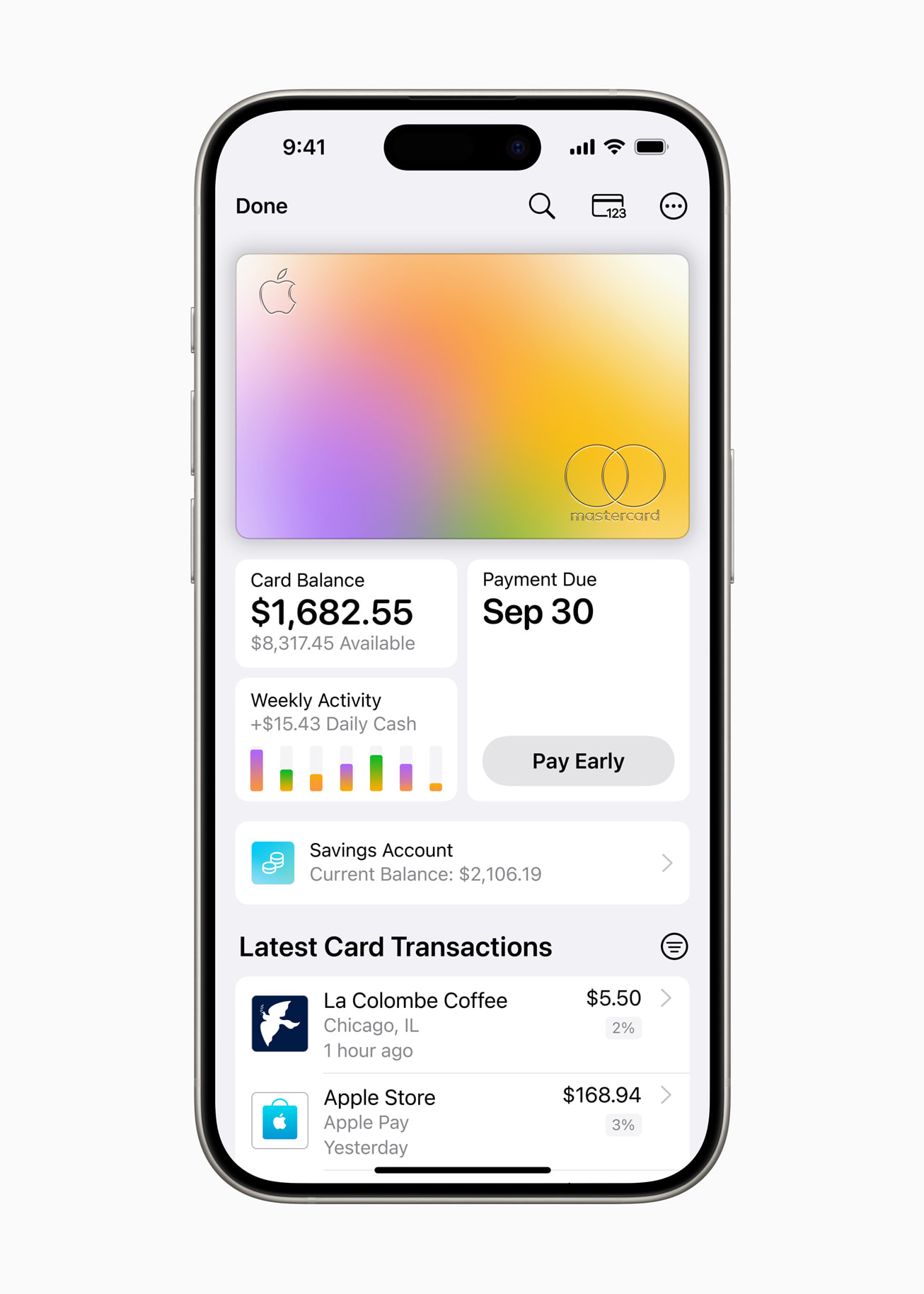
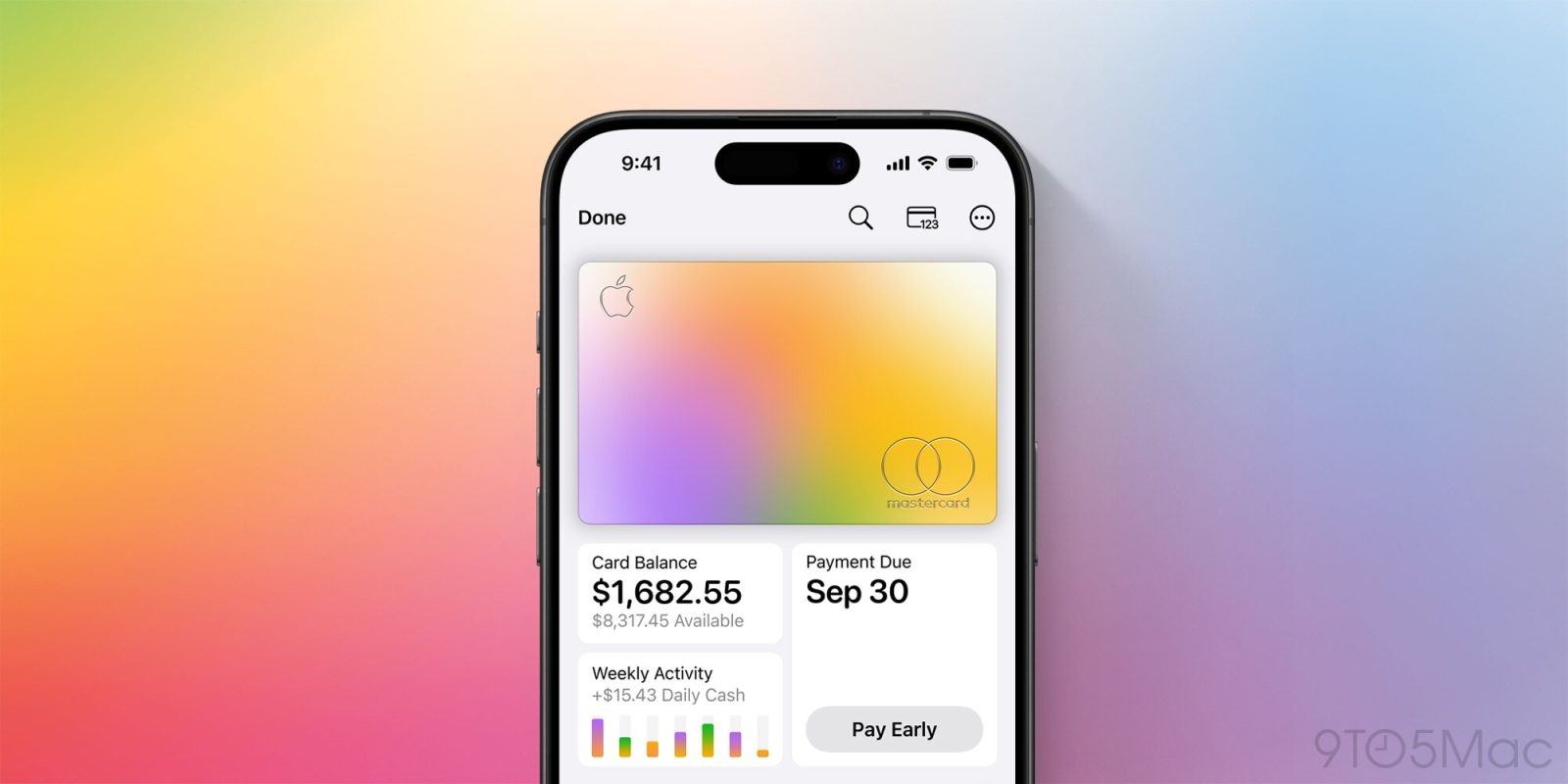
The Apple Card operates on a direct cash-back structure known as Daily Cash. Rather than accumulating proprietary points that sit in an account until a minimum redemption threshold is met, Apple Card credits cash back into your account daily.
The baseline reward structure delivers:
- 3% Daily Cash: Purchases made directly with Apple (including Apple Stores, apple.com, the App Store, and Apple subscriptions) plus select partner merchants when using Apple Pay (such as Nike, Uber, Uber Eats, Walgreens, Panera Bread, Exxon, Mobil, and Booking.com).
- 2% Daily Cash: Any purchase made anywhere Apple Pay is accepted, across all retail, dining, transit, and online merchants.
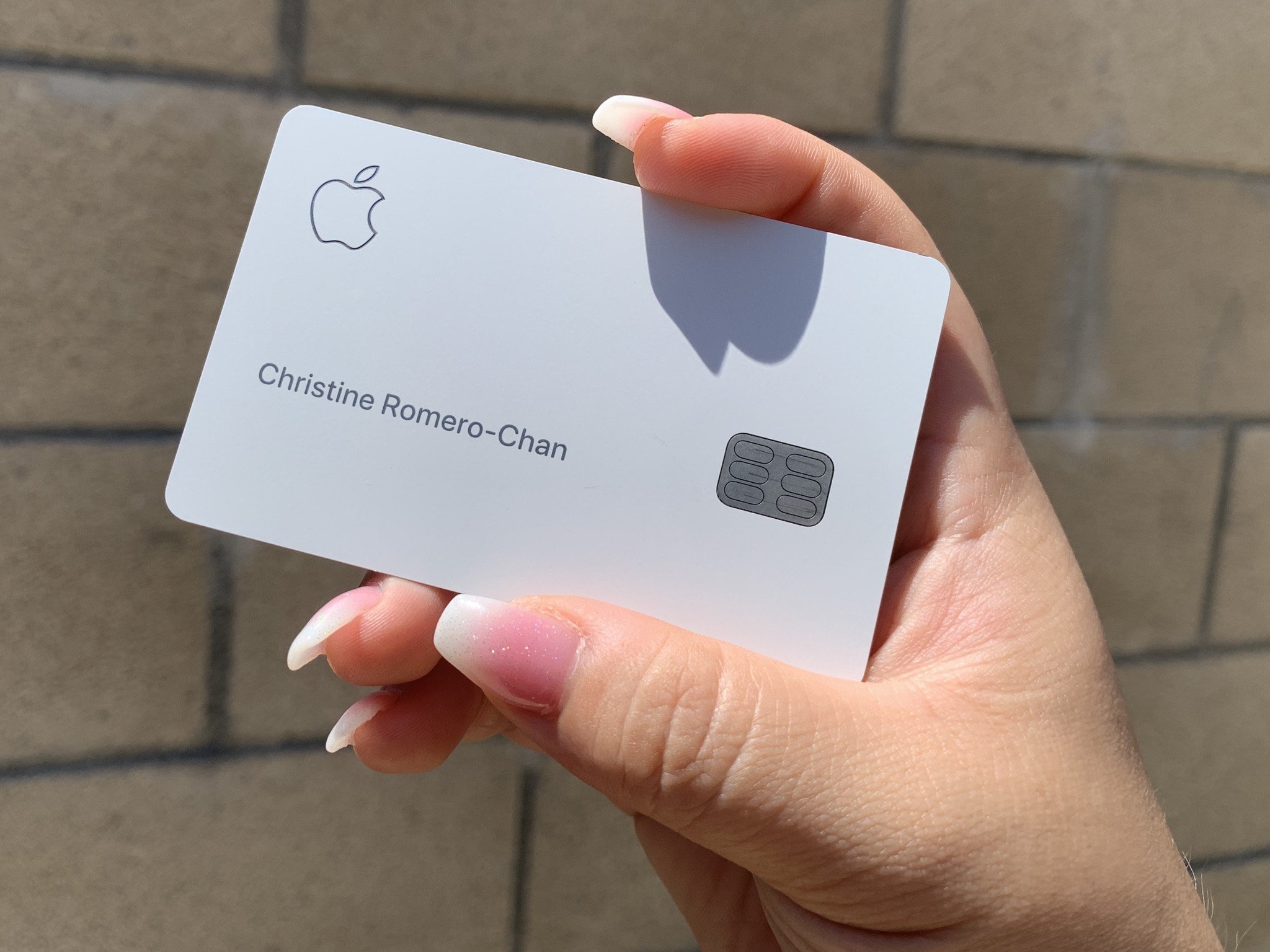
- 1% Daily Cash: Purchases made using the physical titanium card or standard card number at merchants that do not support contactless payments.
Unlike traditional points programs that obscure redemption values behind complex conversion charts, one dollar of Daily Cash equals exactly one U.S. dollar. This transparency removes the mental tax of tracking point balances, blackout dates, and expiration windows.
5 Key Reasons Cash Back Defeats Travel Miles for the Average Consumer
While frequent international business-class travelers can occasionally unlock outsized value from airline miles, the mathematical reality for the average household heavily favors cash back.
| APPLE CARD CASH BACK | TRAVEL MILES CARDS |
|---|---|
| Zero Annual Fee | $95 - $695 Annual Fees |
| Paid Daily into High-Yield Savings | Illiquid until Redeemed |
| Guaranteed 1 Cent per Dollar | Dynamic Devaluation Risk |
| Zero Friction / No Blackout Dates | Complex Transfer Protocols |
1. Zero Annual Fees vs. Premium Card Overheads
The most immediate advantage of the Apple Card over premium travel cards is the cost of ownership. Popular travel cards carry annual fees ranging from $95 to $695 per year.
To break even on a $550 annual fee travel card, an individual must earn at least $550 worth of net value from statement credits, lounge access, or travel redemptions before generating actual profit. If an individual spends $15,000 annually on a card with a $550 fee, their net return is drastically eroded by that fixed cost. The Apple Card charges zero annual fees, zero foreign transaction fees, zero late fees, and zero over-limit fees, ensuring that 100% of earned rewards represent pure profit from dollar one.
2. Immediate Liquidity and Zero Point Devaluation Risk
Travel miles are an unbacked currency controlled entirely by airlines and hotel chains. Loyalty programs frequently update their award charts without advance notice, initiating sweeping devaluations that instantly reduce the purchasing power of accumulated points. A flight that costs 50,000 miles today might require 75,000 miles next year under dynamic pricing rules.
Cash does not suffer from loyalty program devaluation. A dollar earned in Daily Cash retains full purchasing power across the entire economy. Furthermore, Apple Card transfers Daily Cash into your account every single day. This daily liquidity allows users to immediately reinvest earnings, pay down balances, or deposit cash into interest-bearing accounts.
3. Unlocked Yield Through Integrated Savings Accounts
One of the most powerful features introduced to the Apple Card ecosystem is the optional high-yield Savings account. Cardholders can elect to automatically deposit their Daily Cash directly into an FDIC-insured high-yield savings account managed by Goldman Sachs, earning competitive compound interest.
When travel miles sit idle in an airline account, their real-world purchasing power decays due to inflation. When cash back sits in a high-yield savings account, it compounds daily.
For example, a user who generates $500 in Daily Cash annually and leaves it in an integrated high-yield savings account will see their rewards grow over time through compound yield, effectively creating a passive investment fund from routine card purchases.
4. Ubiquitous Apple Pay Adoption Yields a Baseline 2% Return
Historically, flat-rate cash-back cards offered 1.5% to 2% cash back, but often required using physical cards or managing category rotators. The Apple Card yields 2% on all transactions completed via Apple Pay.
As mobile wallet acceptance near-universally covers major grocery chains, pharmacies, gas stations, restaurants, and digital retailers, obtaining a 2% net yield on general everyday spending requires zero manual optimization. You simply double-click the side button on your iPhone or Apple Watch at checkout.
5. No Award Charts, Blackout Dates, or Transfer Partner Friction
Maximizing travel miles requires navigating significant operational friction:
- Searching for award seat availability months in advance.
- Handling restrictive transfer rules between credit card portals and airline partners.
- Paying out-of-pocket fuel surcharges, taxes, and booking fees on "free" award flights.
- Risking stranded points in transfer partner programs if award availability changes mid-transfer.
Cash back requires zero administrative effort. There are no award charts to memorize, no blackout dates during holiday seasons, and no third-party booking portals required to access your money.
Quantitative Comparison: Apple Card vs. Popular Travel Rewards Cards
To illustrate the mathematical reality, the table below compares the Apple Card against representative mid-tier and premium travel rewards cards based on typical consumer spending patterns, redemption flexibility, and structural fee burdens.
| Feature / Metric | Apple Card | Mid-Tier Travel Card (e.g., $95 Fee Category) | Premium Travel Card (e.g., $395–$695 Fee Category) |
|---|---|---|---|
| Annual Fee | $0 | $95 | $395 – $695 |
| Foreign Transaction Fee | 0% | 0% | 0% |
| Base Earning Rate | 2% (via Apple Pay), 1% (Physical Card) | 1x points per dollar | 1x points per dollar |
| Category Earning Rate | 3% (Apple & select merchants) | 2x–3x on Travel/Dining | 3x–10x on Travel Portals |
| Payout Schedule | Daily | Monthly statement close | Monthly statement close |
| Redemption Flexibility | Direct cash, statement credit, high-yield savings | Travel portal, transfer partners | Travel portal, transfer partners, limited cash (at low valuation) |
| Devaluation Risk | Zero (Fixed monetary value) | High (Airlines adjust award charts arbitrarily) | High (Airlines adjust award charts arbitrarily) |
| Effort Required | None (Automated via Apple Pay) | Moderate (Managing bonus categories & redemptions) | High (Tracking credits, lounge passes, and transfer bonuses) |
Net Value Scenario Breakdown ($20,000 Annual Spend)
Consider an average consumer spending $20,000 annually ($16,000 eligible for Apple Pay/mobile wallet, $4,000 at merchants requiring physical cards):
Apple Card Yield:
- $16,000 spent via Apple Pay at 2% = $320
- $4,000 spent via physical card at 1% = $40
- Total Earned Rewards: $360
- Less Annual Fee ($0): Net Profit = $360
Mid-Tier Travel Card ($95 Fee, Average 1.5x Point Multiplier):
- $20,000 spent at 1.5x points = 30,000 points.
- Redeemed via travel portal at 1.25 cents per point = $375 gross value.
- Less Annual Fee ($95): Net Profit = $280
Premium Travel Card ($550 Fee, Average 2x Point Multiplier):
- $20,000 spent at 2x points = 40,000 points.
- Redeemed at high-tier valuation (1.5 cents per point) = $600 gross value.
- Less Annual Fee ($550): Net Profit = $50 (assuming coupon-book credits are unutilized).
Unless a consumer spends heavily in specific bonus categories or meticulously redeems travel perks to offset high annual fees, the zero-fee, 2% Apple Pay baseline frequently yields higher net dollar returns.
When Do Travel Miles Still Make Sense?
While cash back wins for simplicity and guaranteed value, travel points programs retain a specific niche where they excel.
- WHEN TO CHOOSE CASH VS. MILES
- CHOOSE APPLE CARD CASH BACK IF:
- You prefer zero annual fees and automatic daily earnings.
- You want earnings to build interest in a savings account.
- You do most of your spending via mobile wallets (Apple Pay).
- CHOOSE TRAVEL MILES IF:
- You regularly book international first/business class flights.
- You actively utilize airport lounge access and hotel credits.
- You enjoy spending time optimizing award redemption charts.
- CHOOSE APPLE CARD CASH BACK IF:
- Long-Haul Premium Cabin Redemptions: If your primary goal is flying international First or Business Class, transferring flexible points to foreign airline loyalty programs can yield 2.0 to 5.0 cents per point in nominal value. Cash back cannot match this specific redemption multiplier.
- Unlocking High-Value Travel Benefits: Premium cards often include airport lounge access (such as Centurion or Priority Pass networks), annual hotel statement credits, airport security expedited screening credits (TSA PreCheck/Global Entry), and primary auto rental collision damage coverage. For frequent flyers, these benefits can outweigh the annual fee.
Maximizing the Apple Card Cash Back Strategy
To ensure cash back consistently outperforms point ecosystems, follow these core practices:
1. Enable Automatic High-Yield Savings Transfers
Set your Daily Cash destination to the integrated Apple Savings account within the iPhone Wallet app. This ensures that every cent earned immediately begins accumulating interest rather than sitting idle in a non-interest-bearing checking balance.
2. Prioritize Apple Pay Over Physical Card Usage
The primary driver of Apple Card value is the 2% rate on Apple Pay. Always opt for Apple Pay at checkout on your iPhone, Apple Watch, or online via Safari. Reserve physical card usage only for situations where contactless payments are unavailable, as the physical card yields only 1%.
3. Utilize 3% Merchant Partners
Take advantage of merchants offering 3% Daily Cash when using Apple Pay.
These merchant partnerships include:
- Apple (hardware, digital services, subscriptions)
- Walgreens and Duane Reade
- Uber and Uber Eats
- Nike
- Panera Bread
- Exxon and Mobil gas stations
- Ace Hardware
- Booking.com
4. Treat Cash Back as a Dedicated Investment Strategy
Rather than spending Daily Cash as smaller daily micro-transactions, leave the funds untouched in your savings account to build an emergency fund or seed an external investment account.
Common Pitfalls to Avoid
To maintain the economic advantage of the Apple Card, avoid these common missteps:
- Carrying a Revolving Balance: The interest charges from carrying a credit card balance will quickly wipe out any cash back earned. The Apple Card features an intuitive wheel interface in the Wallet app showing exactly how much interest will be charged based on your payment amount. Always pay the monthly balance in full.
- Over-relying on the Physical Titanium Card: Using the physical titanium card yields only 1% Daily Cash. If a merchant does not accept Apple Pay, consider whether another payment tool offers a higher base rate for non-contactless purchases.
- Assuming Apple Card Replaces Travel Insurance: Unlike some premium credit cards, the Apple Card does not include trip cancellation insurance, travel delay coverage, or primary auto rental insurance. If booking expensive international travel, evaluate whether third-party travel insurance is necessary.
Frequently Asked Questions
Does Apple Card Daily Cash ever expire?
No. Daily Cash accumulated on your Apple Cash card or deposited into your high-yield savings account does not expire. It remains your money indefinitely, regardless of card activity or account status.
Is cash back taxable?
In the United States, cash back earned from credit card purchases is generally treated by the IRS as a purchase discount or rebate rather than taxable income. However, interest earned on your Daily Cash inside the Apple Savings account is subject to income tax and will be reported on Form 1099-INT if it exceeds regulatory thresholds.
How does Apple Card cash back compare to a flat 2% cash back card?
Traditional flat 2% cash-back cards offer 2% regardless of payment method (physical swipe or tap). The Apple Card offers 2% specifically on Apple Pay transactions and 1% on physical card swipes. However, Apple Card provides daily payouts, direct integration with a high-yield savings account, zero fees of any kind, and 3% tier opportunities at select partner merchants.
Can Daily Cash be converted into travel miles?
No. Daily Cash is U.S. currency. It cannot be converted directly into airline miles or hotel points. However, because it is cash, you can use it to purchase any flight, hotel, or travel package on any website without restrictions, blackout dates, or award seat limits.
Does the Apple Card charge foreign transaction fees?
No. The Apple Card does not charge foreign transaction fees when used abroad. However, to maintain the 2% reward rate internationally, the overseas merchant must accept contactless Apple Pay transactions.
Final Verdict and Recommendation
The claim that Apple Card points and Daily Cash win over miles holds true for the vast majority of consumers who value simplicity, liquidity, and guaranteed returns. While travel miles offer high speculative returns for advanced redemption strategists, they come with high annual fees, complex award structures, and persistent risk of point devaluation.
Next Steps for Readers:
- Review your last 12 months of credit card statements to calculate how much you paid in annual fees versus the net monetary value of the points you redeemed.
- If your net return on travel points falls below 2% of your overall spend, consider migrating everyday purchases to Apple Pay with the Apple Card.
- Open the integrated high-yield Savings account within your Wallet app to ensure all incoming Daily Cash automatically compounds at market rates from day one.
Image Gallery