The Blue Jays Relievers in the 2026 Season: In-Depth Bullpen Analysis
The 2026 Toronto Blue Jays bullpen has evolved into a high-velocity unit characterized by a blend of homegrown power arms and strategic veteran acquisitions. Following the roster transitions of the mid-2020s, this relief corps emphasiz...
The 2026 Toronto Blue Jays bullpen has evolved into a high-velocity unit characterized by a blend of homegrown power arms and strategic veteran acquisitions. Following the roster transitions of the mid-2020s, this relief corps emphasizes elite strikeout rates and specialized pitch tunneling to navigate the high-scoring environment of the American League East.
Contents
The Evolution of the Blue Jays Bullpen (2024–2026)
The trajectory of the Toronto Blue Jays' relief staff in the 2026 season is the result of a multi-year pivot toward "swing-and-miss" profiles. During the 2023 and 2024 campaigns, the front office prioritized command and veteran reliability with arms like Chad Green and Yimi García. However, as the league-wide average exit velocity continued to climb, the 2026 iteration of the bullpen has moved toward a more aggressive, high-leverage model.
By the start of the 2026 season, the Blue Jays have successfully integrated several prospects into high-leverage roles. This transition was necessitated by the free agency of former anchors and the escalating cost of established closers. The current philosophy focuses on "pitch design," where relievers are encouraged to optimize their most dominant offering—typically a high-velocity four-seam fastball or a high-movement sweeper—rather than maintaining a traditional three-pitch mix. This approach has led to a significant increase in the team’s collective K/9 (strikeouts per nine innings) ratio compared to the 2024 season.
The organizational shift also includes a more sophisticated use of the "opener" and "bulk reliever" roles. While the 2026 starting rotation remains the backbone of the pitching staff, the bullpen is now frequently tasked with covering 40% or more of the total innings pitched, reflecting a modern MLB trend toward shorter starter outings and hyper-specialized relief appearances.
Key High-Leverage Anchors and the Closing Committee
In 2026, the Blue Jays have moved away from a rigid, single-closer system in favor of a "leveraged committee" approach, though one or two names have emerged as the primary options for the ninth inning. This strategy allows the manager to deploy the most effective arm against the heart of the opponent's order, regardless of whether that occurs in the seventh, eighth, or ninth inning.
The Rise of Hagen Danner and Power Arms
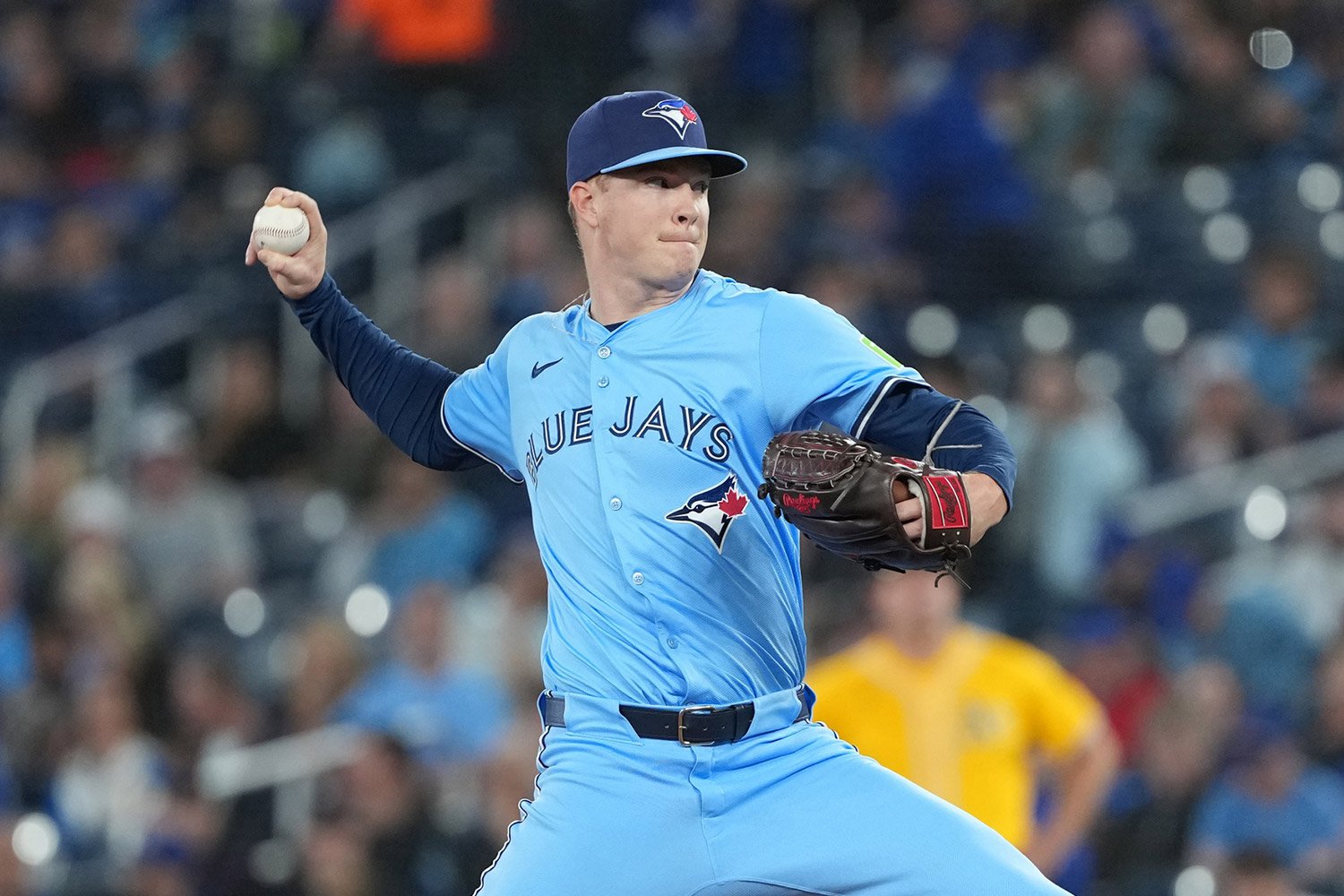
Hagen Danner, who made his transition from catcher to pitcher earlier in his career, has fully realized his potential by 2026. His upper-90s fastball paired with a devastating slider has made him a fixture in the back end of the bullpen. Danner’s progression is a testament to the Blue Jays' player development system, which focused on stabilizing his mechanics to reduce injury risk while maximizing his natural explosive delivery.
Veteran Presence and Trade Acquisitions
To balance the youth, the 2026 roster includes veteran arms acquired through late 2025 trades and 2026 free-agent signings. These players provide the "high-leverage experience" necessary for postseason pushes. The front office has targeted relievers with high "high-stress" success rates, looking specifically at performance with runners in scoring position. By 2026, the reliance on Statcast data—specifically vertical approach angle (VAA) and horizontal break—dictates every acquisition, ensuring that new additions complement the existing vertical and horizontal movement profiles of the current staff.
Left-Handed Specialists and Matchup Strategy
The 2026 season continues to see the importance of left-handed relief, particularly within the hitter-friendly confines of the Rogers Centre. With the three-batter minimum rule firmly in place, the Blue Jays have prioritized "lefty-neutralizers"—left-handed pitchers who possess the arsenal to get right-handed hitters out effectively.
Brendon Little and other left-handed options have become vital in 2026. The focus for these southpaws is the "sweeper" craze that dominated the mid-2020s, repurposed into a more controlled, late-breaking pitch designed to generate weak contact. The Blue Jays’ coaching staff has emphasized a "tunneling" approach for lefties, where their primary breaking ball shares the same initial flight path as their sinker or four-seamer, making it nearly impossible for hitters to distinguish the pitch until it is too late.
Furthermore, the 2026 strategy involves "inverted matchups." The Blue Jays frequently use relievers whose data suggests they perform better against their opposite-handed counterparts. This analytical edge allows Toronto to exploit specific holes in divisional rivals' lineups, particularly against the heavy left-handed power bats found in the Yankees and Red Sox rosters.
Emerging Talent and the Minor League Pipeline
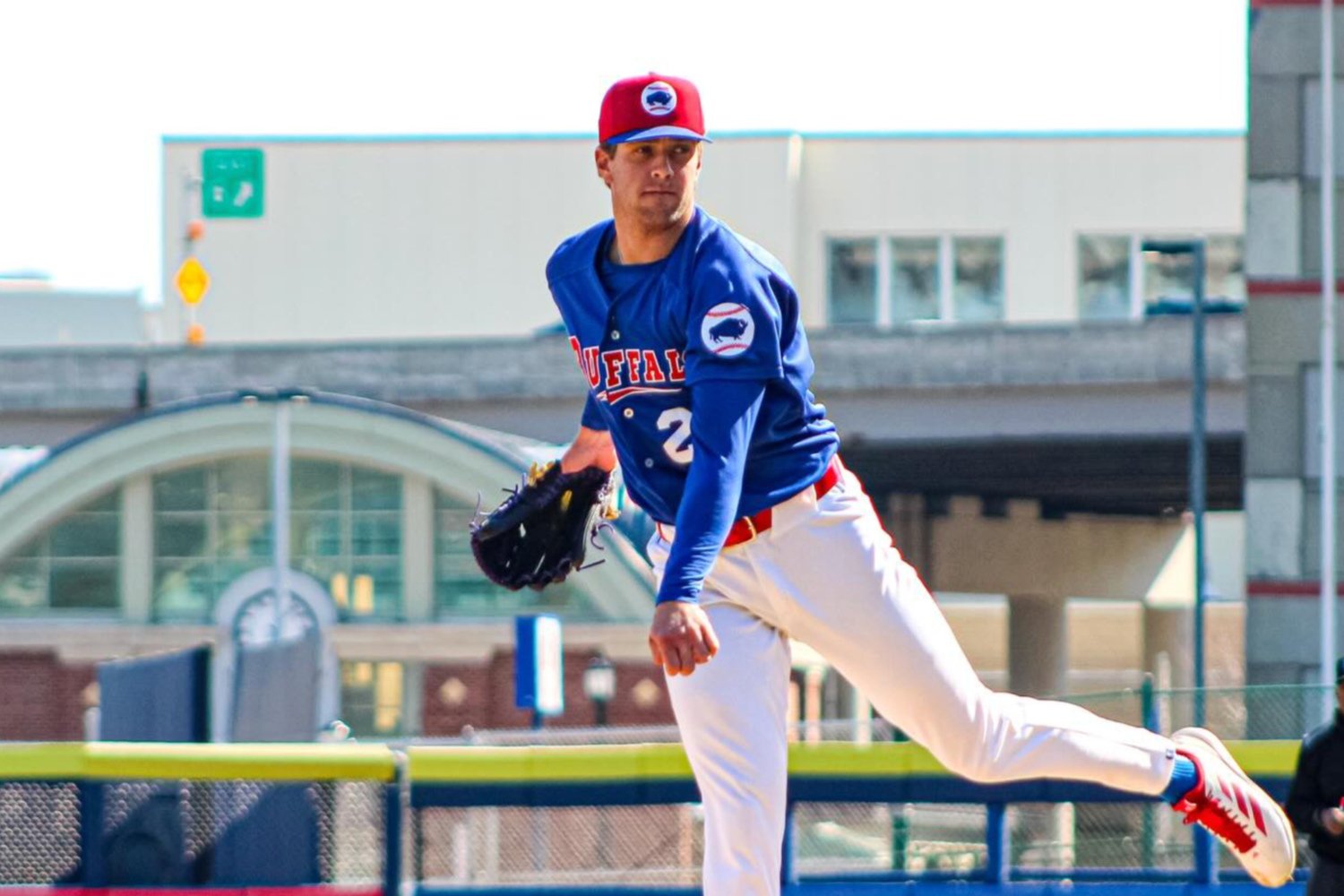
A critical component of the 2026 Blue Jays relievers is the influx of talent from the Triple-A Buffalo Bisons and Double-A New Hampshire Fisher Cats. The 2024 and 2025 drafts focused heavily on college arms with high spin rates, many of whom have fast-tracked to the majors as specialized relievers.
- Converted Starters: Several pitchers who began their professional careers as starters have been moved to the bullpen to maximize their velocity in short bursts. This "failed starter to elite reliever" pipeline has been a goldmine for Toronto in 2026, providing the team with arms that can provide 4-6 outs if a starter exits early.
- The "Developmental Leap": The use of biometrics and motion capture at the Blue Jays' Florida complex has allowed the team to "fix" relievers with erratic command. By 2026, the team has a reputation for taking "waiver-wire" arms and turning them into serviceable middle-relief options through slight adjustments in grip and release point.
2026 Bullpen Roster and Performance Metrics
The following table outlines the projected primary members of the 2026 Blue Jays bullpen, their roles, and their key statistical strengths based on current organizational trends and player development trajectories.
| Player Name | Role | Throwing Hand | Primary Pitch | 2026 Projected K/9 |
|---|---|---|---|---|
| Hagen Danner | High-Leverage/Closer | Right | 4-Seam Fastball (98mph) | 11.4 |
| Zach Pop | Middle Relief/Sinker Specialist | Right | Sinker (96mph) | 8.2 |
| Brendon Little | Left-Handed Specialist | Left | Slurve/Sweeper | 9.5 |
| Veteran FA Signing | Setup/Ninth Inning | Right | Splitter/Cutter | 10.8 |
| Prospect Graduate A | Long Relief/Swingman | Right | Circle Changeup | 7.9 |
| Prospect Graduate B | High-Leverage | Left | Power Fastball (97mph) | 12.1 |
| Trade Acquisition | Seventh Inning/Matchups | Right | Slider | 9.8 |
Financial Commitments and Contractual Status
Heading into the 2026 season, the Blue Jays' front office has managed the bullpen budget with a focus on "cost-controlled" innings. With the core position players entering expensive arbitration years or lucrative extensions, the bullpen is the primary area where the team seeks value.
A significant portion of the 2026 relief corps consists of players in their pre-arbitration or early arbitration years. This financial flexibility allows the team to spend aggressively on a "lockdown" closer or a top-tier setup man during the winter meetings. The 2026 payroll reflects a sophisticated distribution of funds, where the total spend on the bullpen is kept around 15-18% of the total luxury tax payroll, ensuring that resources are available for the starting rotation and the offense.
The "churn" of the bullpen remains high. The Blue Jays have adopted a philosophy where middle relievers are often signed to one-year "prove-it" deals or are cycled through the 40-man roster based on current form and health. This prevents the team from being tied to long-term, high-value contracts for volatile relief assets, a lesson learned from league-wide trends in the early 2020s.
Tactical Usage: The "Bridge" and Analytics
In 2026, the "bridge" to the ninth inning is no longer a straight line. The Blue Jays utilize advanced predictive modeling to determine when a reliever is losing effectiveness in real-time. Using wearable technology and real-time Statcast feeds, the pitching coach can identify drops in spin rate or "arm slot" fatigue before the hitter capitalizes on it.
The 2026 season also sees a heavier reliance on "sequencing." Instead of simply throwing the hardest pitch, Blue Jays relievers are instructed to use "non-traditional" sequences—such as leading with breaking balls to power hitters—to keep opponents off-balance. This tactical shift is supervised by a dedicated "Bullpen Coordinator," a role that has become standard across MLB by 2026 to bridge the gap between the analytics department and the playing field.
Frequently Asked Questions
Who is the primary closer for the Blue Jays in 2026?
The Blue Jays utilize a committee approach in 2026, often led by Hagen Danner and a veteran trade acquisition. The choice of closer is dictated by the specific matchups in the ninth inning rather than a traditional designated role.
How has the 2026 bullpen changed from the 2024 season?
The 2026 bullpen features significantly higher average velocity and a greater emphasis on "strikeout-only" profiles. While the 2024 unit relied on veteran command, the 2026 staff is younger, cheaper, and more focused on high-spin breaking pitches like the sweeper.
What is the role of long relief in the 2026 Blue Jays staff?
Long relief has transitioned into a "bulk" role. These pitchers are often former starters who provide 2-3 innings of high-quality relief following an "opener" or a starter who is limited by pitch count. This helps preserve the high-leverage arms for late-inning situations.
How does the Blue Jays' front office acquire relievers in 2026?
The strategy involves a mix of internal promotion, "low-risk" minor league signings with high-spin metrics, and targeted trades at the deadline for established arms with team control. The team avoids long-term, multi-year deals for non-elite relievers.
Are there any specific injuries affecting the 2026 bullpen?
As of the 2026 season, the team continues to manage workloads through a "shuttle" system between Triple-A Buffalo and Toronto. This frequent movement ensures that no single arm is overworked, reducing the traditional rate of ulnar collateral ligament (UCL) injuries.
Practical Recommendation for Fans and Analysts
When evaluating the Blue Jays' relief corps in 2026, look beyond traditional ERA (Earned Run Average). Instead, focus on FIP (Fielder Independent Pitching) and Stuff+ metrics. These indicators provide a more accurate picture of how the relievers are performing in the high-variance environment of the AL East. For those following the team closely, monitoring the "velocity floor" of the middle relievers will offer the best insight into the bullpen’s overall health and effectiveness during the summer months.
Image Gallery