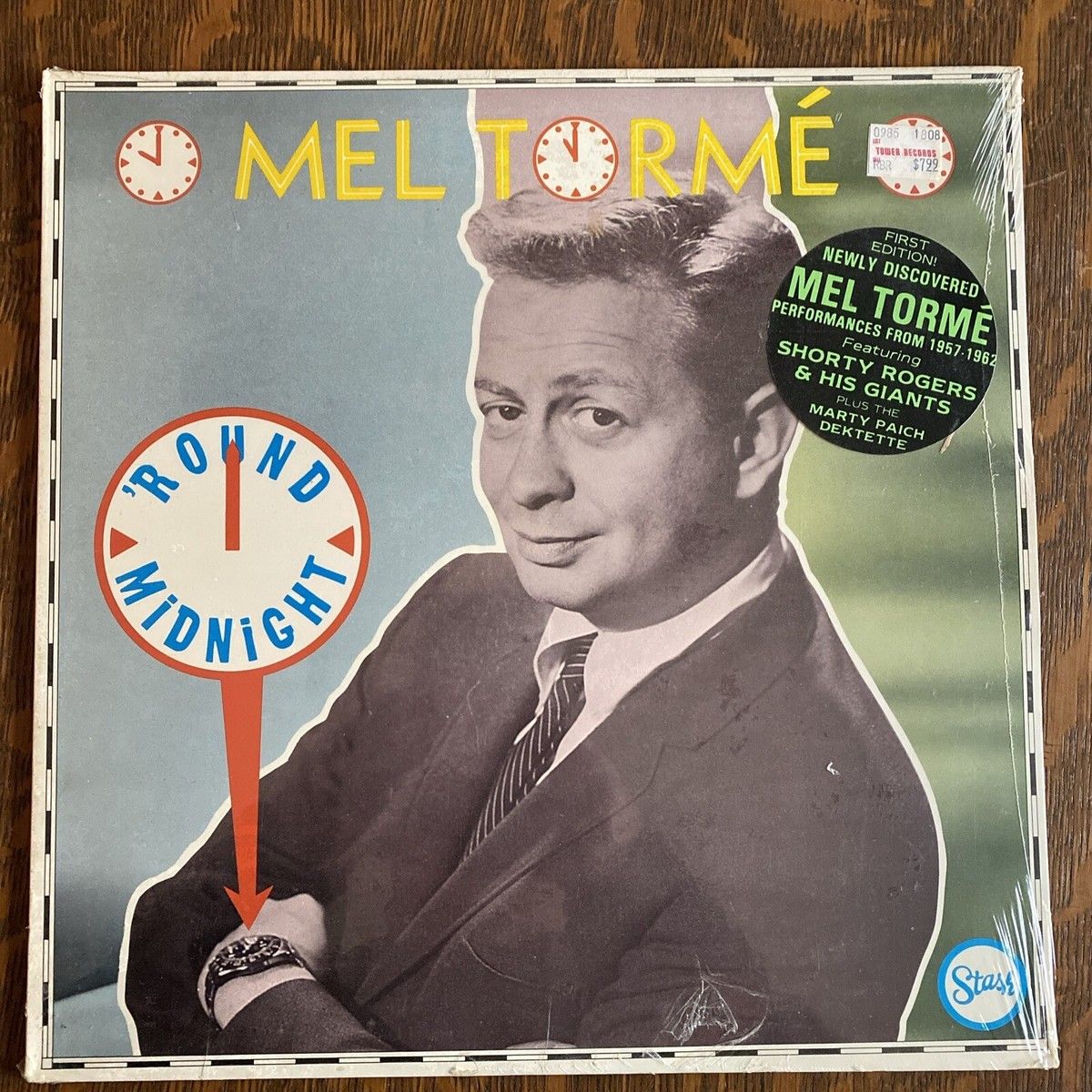
Mel Tormé Net Worth: The Financial Legacy of the Velvet Fog in 2026
At the time of his passing in 1999, Mel Tormé had an estimated net worth of approximately $7 million to $10 million. In 2026, his financial legacy remains substantial, primarily sustained by the enduring royalties of "The Christmas Son...
At the time of his passing in 1999, Mel Tormé had an estimated net worth of approximately $7 million to $10 million. In 2026, his financial legacy remains substantial, primarily sustained by the enduring royalties of "The Christmas Song" and a catalog of over 250 compositions that continue to generate revenue for his estate and heirs.
Contents
Mel Tormé, affectionately known as "The Velvet Fog," was far more than a jazz vocalist. He was a multi-hyphenate talent whose career spanned seven decades, encompassing singing, drumming, composing, arranging, acting, and writing. Understanding the Mel Tormé net worth requires looking past his velvet-toned voice to the shrewd business decisions and prolific creative output that secured his family's financial future.
The Foundation of the Tormé Fortune: "The Christmas Song"
The single most significant contributor to Mel Tormé’s net worth and the ongoing valuation of his estate is "The Christmas Song (Chestnuts Roasting on an Open Fire)." Co-written with Bob Wells in 1945 during a sweltering summer heatwave, the track was intended to be a simple exercise in "staying cool" by thinking of winter themes. Instead, it became a cornerstone of the American songbook.
Royalty Mechanics and Longevity
As a songwriter and composer, Tormé benefited from performance royalties every time the song was played on the radio, streamed, or performed in a public venue. In 2026, with the proliferation of digital streaming platforms and the annual resurgence of holiday music, this single track remains a powerhouse of passive income.
The song has been recorded by thousands of artists, including the definitive version by Nat King Cole. Each of these recordings generates mechanical royalties for the writers' estates. While exact annual figures are rarely made public by private estates, industry analysts estimate that "The Christmas Song" generates hundreds of thousands of dollars in annual royalties, contributing significantly to the multi-million dollar valuation of the Tormé intellectual property portfolio.
Career Earnings: The Prolific Professional
Mel Tormé’s net worth was built on a foundation of relentless work. Unlike many of his contemporaries who saw their fortunes fluctuate with the popularity of jazz, Tormé maintained a consistent and lucrative career by diversifying his income streams.
Live Performances and Nightclub Residencies
Tormé was a staple of the high-end nightclub circuit, particularly in New York and Las Vegas. During the peak of his career in the 1970s and 1980s, he could command top-tier fees for his residencies. His technical proficiency as a "musician’s singer" meant he often traveled with a small group or performed with local symphonies, allowing him to keep overhead costs manageable while delivering a premium show. These live performances were a primary source of liquid cash throughout his life.
Television and Film Revenue
Tormé’s financial portfolio was further bolstered by his work in television and film. He appeared in cult classics like The Big Wheel (1949) and Girls Town (1959), but his most financially significant television era was his resurgence in the 1980s.
His frequent guest appearances on the hit sitcom Night Court, where he played a fictionalized version of himself, introduced him to a younger generation. This "Night Court effect" not only provided direct acting fees but also spurred a resurgence in his record sales and concert attendance, effectively lengthening his earning years well into his 70s.
The Literary and Intellectual Property Portfolio
Beyond music, Tormé was an accomplished author. His bibliography includes several books that contributed to his net worth through advances and ongoing royalties:
- The Other Side of the Rainbow (1970): A candid account of his time working as a musical advisor on The Judy Garland Show. The book was a commercial success and remains a sought-after title for historians of the era.
- It Wasn't All Velvet (1988): His autobiography, which provided a comprehensive look at his life and career, further cementing his brand and generating significant sales.
- Fiction and Biographies: Tormé wrote several other books, including the novel Wynner and a biography of drummer Buddy Rich (Traps, the Drum Wonder).
His status as a published author provided a secondary layer of financial security, ensuring that his income was not solely dependent on his physical ability to perform on stage.
Asset Allocation and Real Estate
At the time of his death, Tormé’s assets included significant real estate holdings. He resided in the upscale Beverly Hills area, where property values have historically appreciated at rates far exceeding the national average.
Classic Car Collection
Tormé was also a noted enthusiast of classic automobiles. His collection included various high-end models, such as Mercedes-Benz and other vintage marques. While often viewed as a hobby, for a person of Tormé’s stature, a well-curated car collection acts as an alternative asset class. In the decades since his passing, the value of such vintage vehicles has skyrocketed, representing a tangible part of the estate’s overall value.
| Revenue Source | Financial Impact | Primary Era |
|---|---|---|
| "The Christmas Song" | High (Perpetual Royalties) | 1945–Present |
| Live Performances | High (Primary Cash Flow) | 1940s–1990s |
| Television (Night Court) | Medium (Brand Resurgence) | 1980s |
| Literary Works | Medium (Advances/Royalties) | 1970s–1990s |
| Beverly Hills Real Estate | High (Asset Appreciation) | 1960s–1999 |
Estate Management and the 2026 Valuation
Following his death in 1999 from complications related to a stroke, his estate passed to his family, including his fifth wife, Ali Severson, and his five children (Tracy, James, Daisy, Melissa, and Anthony). The management of his "Velvet Fog" brand has been handled with care, ensuring that his music remains available on modern formats.
In 2026, the Mel Tormé estate is valued not just by the cash on hand at his time of death, but by the adjusted inflation value and the current market rate for his publishing rights. If the estate were to sell its publishing catalog today, it would likely fetch a price in the mid-to-high eight-figure range, given the perennial nature of his most famous holiday hit.
Factors Influencing Modern Estate Value:
- Streaming Dividends: As jazz sees a resurgence among younger audiophiles (often through "lo-fi" or "vocal jazz" playlists), Tormé's streaming numbers remain healthy.
- Licensing: His music is frequently licensed for use in films, television shows, and commercials, providing lucrative "sync" fees.
- Inflation Adjustment: The $7–$10 million net worth from 1999 would be equivalent to approximately $13–$19 million in 2026, adjusted for standard inflation.
Frequently Asked Questions
Who inherited Mel Tormé's wealth?
Mel Tormé's wealth was primarily inherited by his fifth wife, Ali Severson, and his five children. The estate continues to be managed collectively, with his children often participating in tributes and archival releases that sustain the family's financial interest in his legacy.
How much does "The Christmas Song" make annually?
While exact figures are proprietary, "The Christmas Song" is consistently ranked among the top 10 most-performed holiday songs globally. Estimates suggest the song generates between $400,000 and $700,000 in royalties annually, split between the Tormé and Wells estates.
Was Mel Tormé considered wealthy during the height of his career?
Yes, but his wealth was characterized by steady professional success rather than the "overnight" astronomical wealth seen in modern pop stars. He was part of a generation of entertainers who relied on consistent work across multiple media (radio, film, clubs) to build a lasting fortune.
Did Mel Tormé own his master recordings?
Like many artists of his era, Tormé did not always own his master recordings, which were often held by labels like Capitol, Verve, or Concord. However, as a songwriter, he maintained his publishing rights for many of his compositions, which is a more stable long-term financial asset.
What was Mel Tormé's most profitable decade?
Financially, the 1980s were arguably Tormé's most profitable. This period combined his peak concert fees with significant television exposure and the release of several successful books, all while "The Christmas Song" continued its annual royalty growth.
Final Financial Assessment
The Mel Tormé net worth story is a masterclass in creative diversification. By excelling in music, literature, and television, Tormé ensured that his income was never dependent on a single industry trend. In 2026, his estate stands as a testament to the power of intellectual property; while the physical assets like cars and homes are significant, it is the 40-minute songwriting session in 1945 that continues to provide for his descendants nearly 30 years after his death. For investors and historians alike, Tormé represents the "blue-chip" standard of jazz legacies—reliable, enduring, and perpetually relevant.
Image Gallery