Choosing the Top Rated Vacuum for Pet Hair: A Comprehensive Comparative Overview
Selecting a vacuum cleaner specifically engineered for pet hair requires evaluating suction power, brush roll design, filtration efficiency, and the ease of maintenance. Because pet hair is often lightweight, prone to static, and can b...
Selecting a vacuum cleaner specifically engineered for pet hair requires evaluating suction power, brush roll design, filtration efficiency, and the ease of maintenance. Because pet hair is often lightweight, prone to static, and can become embedded in fabric fibers, the optimal machine must utilize cyclonic technology or specialized seals to prevent clogging while maintaining consistent airflow. This guide compares the primary categories of pet-focused vacuum technology available in 2026 to help you identify the hardware best suited for your specific flooring and pet ownership needs.
Contents
Understanding the Mechanics of Pet Hair Removal
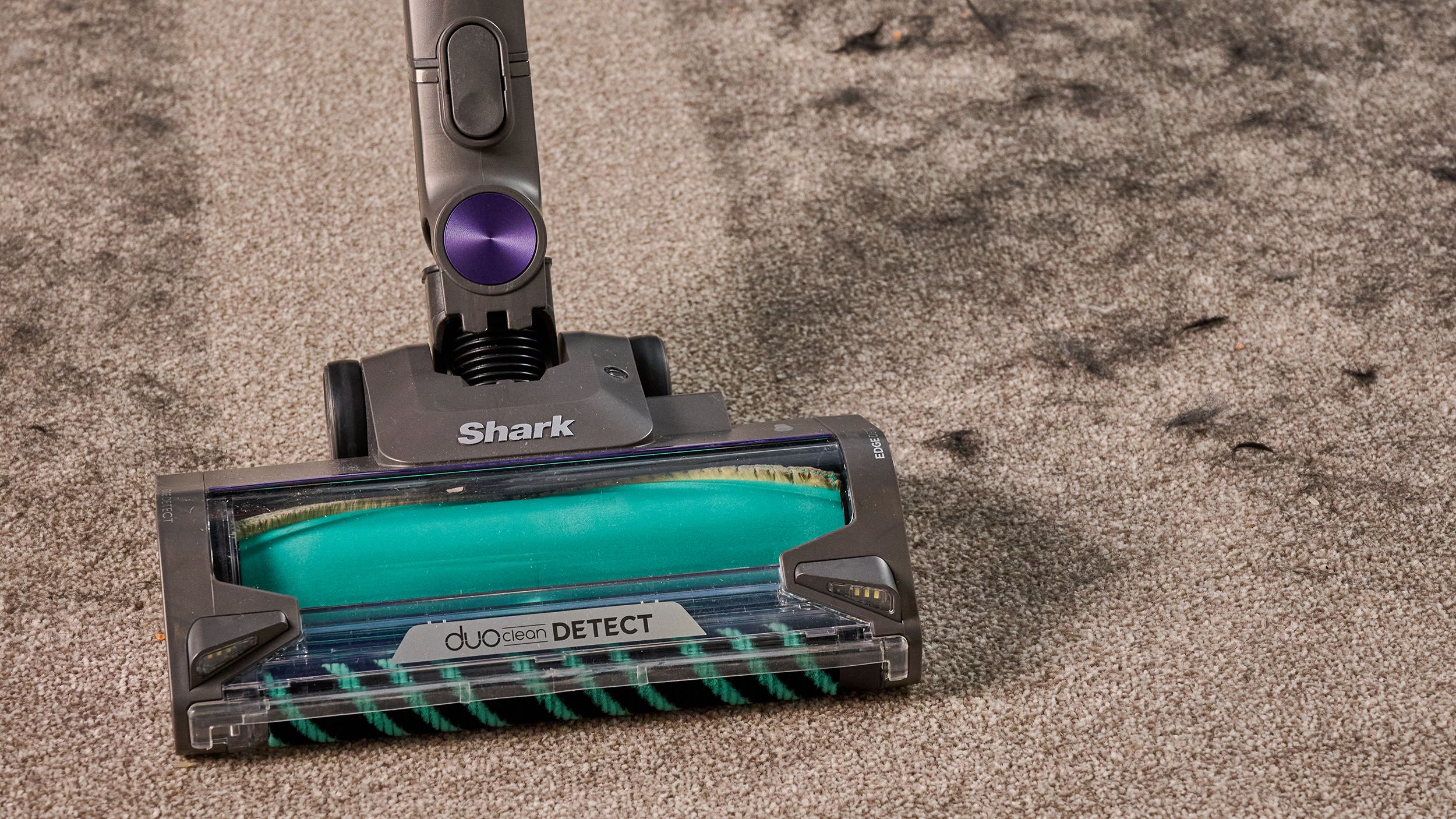
Effective pet hair removal relies on two primary mechanical functions: agitation and suction. Agitation is the process of loosening hair that has woven itself into carpet pile or upholstery fabric. This is typically achieved through a motorized brush roll, often reinforced with stiff bristles or specialized rubber fins designed to prevent hair wrap. Once the hair is agitated, consistent suction must carry it through the intake and into the dust containment system.
For homeowners, the challenge lies in the "tangle factor." Older brush roll designs often become inhibited by long fur, which reduces suction efficiency and may cause the motor to overheat or the belt to fail. Modern vacuums address this through self-cleaning brush rolls, which feature internal blades or specialized textures designed to break down hair into smaller fragments before it reaches the bin.
Comparing Vacuum Form Factors
The choice between vacuum types—upright, canister, and cordless stick—depends largely on the square footage of your home and the types of surfaces present.
Upright Vacuums
Uprights remain the standard for high-volume pet owners. Their larger motors and wide cleaning paths allow for efficient coverage of large carpeted areas. In 2026, the most effective models utilize "sealed system" HEPA (High-Efficiency Particulate Air) filtration, which ensures that dander and micro-allergens captured by the vacuum are not redistributed back into the home environment.
Canister Vacuums
Canisters offer superior maneuverability under furniture. Because the motor and dust bin are housed in a separate unit pulled behind the wand, these machines are typically lighter in the hand. They are ideal for households with a mix of hardwood floors and area rugs, as they often include specialized floor heads that can be switched quickly between surface types.
Cordless Stick Vacuums
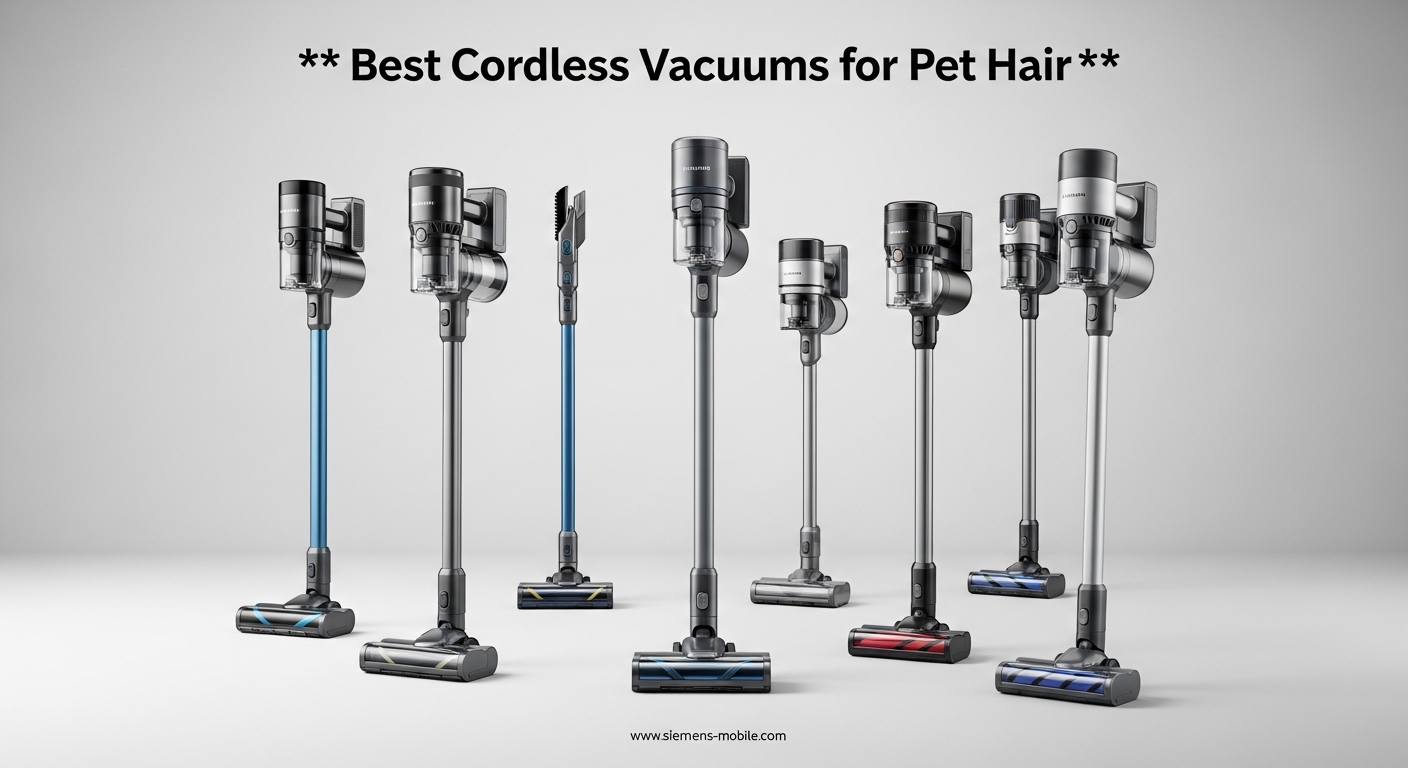
While historically limited by battery life, current-generation cordless sticks have become the preferred choice for quick, daily touch-ups. High-torque motors have closed the performance gap with corded units, though they generally require more frequent bin emptying and battery management for larger homes.
Essential Features Checklist
When evaluating potential purchases, look for these specific engineering milestones:
- HEPA Sealed Filtration: Essential for allergy sufferers. The "sealed" designation is critical, as it indicates the air path is airtight, forcing all suctioned air through the filter.
- Tangle-Free Brush Rolls: Look for designs that use silicone fins or active hair-removal combs to prevent manual cleaning of the roller.
- Versatile Tool Kits: Dedicated pet upholstery tools, often motorized, provide the high-friction contact required to pull hair off curtains, sofas, and pet beds.
- Bin Capacity: If you have multiple shedding pets, prioritize a larger dust capacity to avoid mid-cleaning stops.
Comparative Analysis of Leading Vacuum Technologies
| Feature Type | Upright Vacuums | Cordless Stick Vacuums | Canister Vacuums |
|---|---|---|---|
| Primary Use | Deep carpet cleaning | Daily maintenance | Hard floors & upholstery |
| Suction Strength | High (Consistent) | High (Variable) | High (Consistent) |
| Maneuverability | Moderate | Excellent | High |
| Maintenance | Low (Automatic) | Moderate (Filter care) | Moderate (Hose care) |
| Best For | Large, carpeted homes | Apartments & quick tasks | Multi-surface environments |
Managing Maintenance to Sustain Performance
A common mistake among pet owners is failing to perform regular maintenance, which leads to diminished suction. Even "top-rated" vacuums will fail if the filters are clogged or the brush roll is obstructed.
- Filter Care: Most HEPA filters should be rinsed or replaced every 6 to 12 months. Ensure the filter is completely dry before reinserting it to prevent mold growth.
- Air Path Inspection: Hair and debris can occasionally lodge in the hose or the transition between the head and the bin. A simple visual inspection after heavy cleaning sessions can prevent clogs from becoming permanent.
- Bin Sanitation: Pet hair can harbor bacteria. Periodically washing the dust bin with mild soap and water—and ensuring it is fully dried—prevents the "musty" odor that often characterizes pet-heavy households.
Navigating Common Challenges
The most frequent issue reported by owners is "hair wrap." While modern units are marketed as anti-tangle, heavy shedding breeds (such as Great Pyrenees or Siberian Huskies) may still deposit enough hair to challenge even the most robust systems. In these instances, a two-step process is advised: use a rubber grooming brush on the furniture first to collect the bulk of the hair, then follow up with the vacuum's upholstery tool to catch the remaining fine dander.
Additionally, consider the noise output. High-suction vacuums often produce higher decibel levels. If you have pets that are skittish around loud noises, prioritize models that offer "quiet mode" or lower-power settings for light daily cleaning.
Frequently Asked Questions
Does a vacuum need a special "pet" label to work for hair? Not necessarily, but the "pet" designation usually denotes the inclusion of specific accessories, such as a motorized mini-brush for upholstery and enhanced filtration systems. These additions save you from having to purchase extra attachments separately.
How often should I clean the brush roll? Even with anti-tangle technology, inspect the roll once a month. If you notice a visible decrease in suction or hear a high-pitched whine, check for debris or hair accumulation immediately, as this indicates a blockage that is stressing the motor.
Are bagless vacuums better for pet hair? Bagless systems offer the benefit of seeing when the bin is full and eliminating the recurring cost of bags. However, bagless emptying can release dander into the air. If you are highly sensitive to pet allergens, a sealed bag system is often the superior choice for hygiene.
Can I use a standard vacuum on pet beds? Yes, but use the upholstery tool or a brush attachment rather than the main floor head. The main head's suction can be too strong, potentially pulling the stuffing out of the bed or getting caught in loose seams.
What is the most important spec to check before buying? Look for the "Sealed System" certification. This is the primary indicator that the vacuum is designed to keep dust and allergens trapped inside, which is the most critical factor for maintaining indoor air quality in a home with shedding pets.
Making the Final Decision
When you are ready to invest, weigh the specific layout of your home against your personal tolerance for maintenance. If you have significant carpet coverage, prioritize the longevity and power of a corded upright. If your home is primarily hardwood with high-traffic areas, a high-end cordless stick will provide the convenience necessary to keep up with daily shedding. Always verify the manufacturer's warranty regarding "wear parts" such as belts and brush rolls, as these will be the first components subjected to the strain of pet hair removal. By focusing on sealed filtration and specialized agitation tools, you can ensure that your choice provides a cleaner living environment for both you and your pets.
Image Gallery