The True Origin of Galentine's Day Explained: From Sitcom Joke to Cultural Phenomenon
Galentine’s Day is a modern cultural holiday celebrated on February 13th dedicated to celebrating female friendship, platonic love, and female empowerment. Originally popularized by the fictional television character Leslie Knope in a...
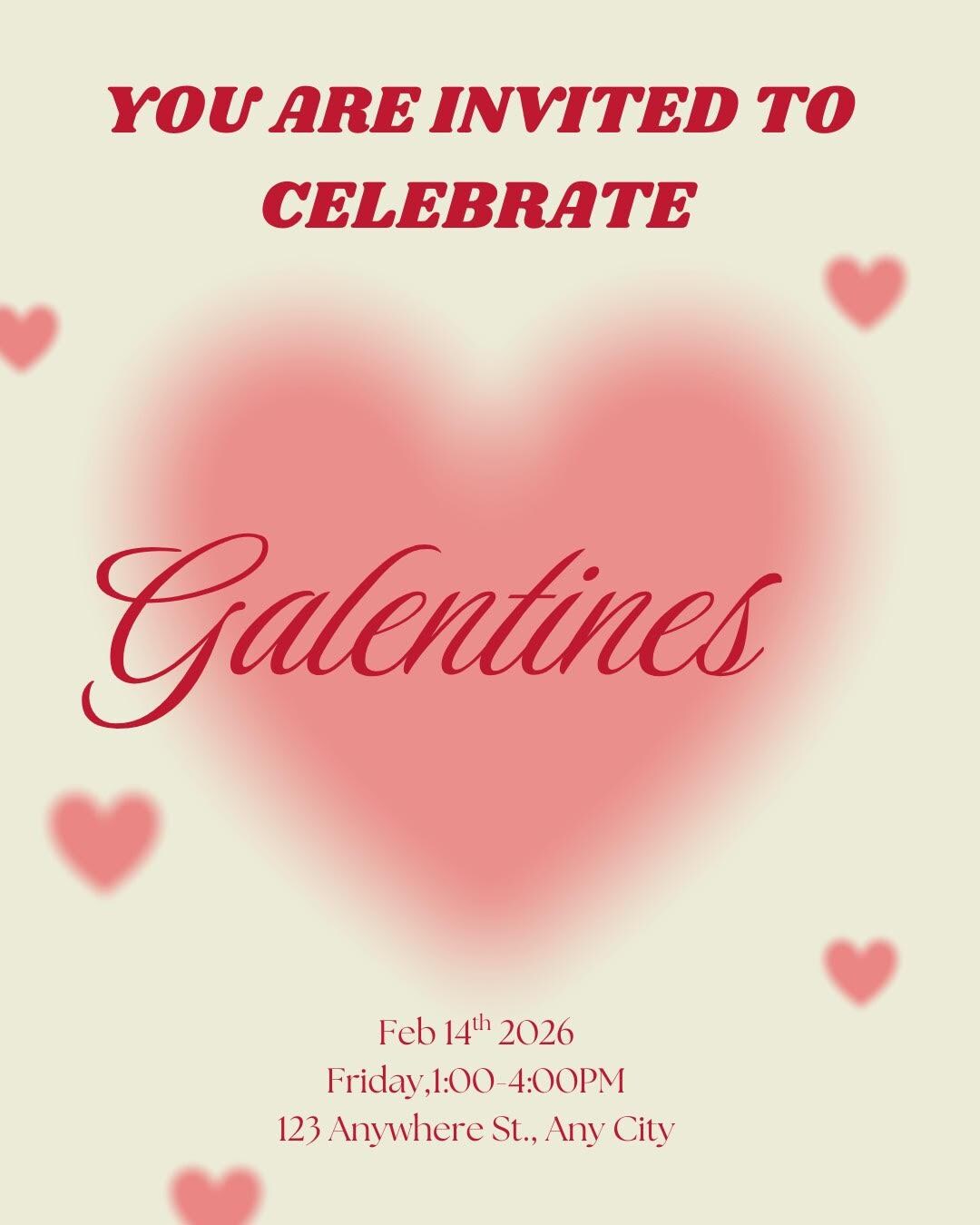
Galentine’s Day is a modern cultural holiday celebrated on February 13th dedicated to celebrating female friendship, platonic love, and female empowerment. Originally popularized by the fictional television character Leslie Knope in a 2010 episode of the NBC comedy series Parks and Recreation, the concept quickly crossed over from television fiction into contemporary mainstream culture, evolving into an annual tradition observed globally through brunches, gift exchanges, and public expressions of gratitude among women.
Contents
Understanding the origin of Galentine's Day requires examining the convergence of television writing, cultural timing, and modern social media marketing. While it feels like an ancient, time-tested tradition to modern observers, its roots are entirely contemporary. This examination explores how a single scripted line on a niche mockumentary sitcom transformed into a multi-million-dollar retail event and a permanent fixture of February calendar celebrations, detailing its creators, its cultural mechanics, and its broader sociological impact.
The Television Root: How Parks and Recreation Invented Galentine's Day
The exact origin of Galentine's Day dates back to February 11, 2010, when season two, episode sixteen of the NBC sitcom Parks and Recreation aired, titled "Galentine's Day." The show, created by Greg Daniels and Michael Schur, followed the eccentric, relentlessly optimistic mid-level bureaucrat Leslie Knope, played by Amy Poehler, working in the fictional town of Pawnee, Indiana.
In the episode, Leslie gathers her closest female friends for a lavish, male-free brunch on February 13th—the day before Valentine’s Day. In a voiceover that defined the holiday for millions, Leslie explains the concept:
"Oh, it's only the best day of the year. Every February 13th, my lady friends and I leave our husbands and our boyfriends at home, and we just come and kick it, breakfast-style. Ladies celebrating ladies."
The script was penned by writer Katie Dippold, who drew inspiration from real-life traditions she shared with her own friends. In interviews, Dippold noted that she and her friends had previously adopted a habit of getting together around Valentine's Day to appreciate one another, and the writers' room decided to formalize this practice for Leslie Knope’s character. The fictional holiday was characterized by specific rituals: consuming enormous quantities of waffles, mimosas, and breakfast foods, handing out meticulously crafted personalized gifts, and reciting glowing praises of friendship.
Cultural Catalysts: Why the Concept Resonated Globally
While television shows frequently invent fictional holidays for comedic effect, very few make the leap from the screen to real-world observance. Galentine's Day succeeded because it filled a noticeable cultural gap regarding how society values platonic relationships compared to romantic ones.
1. The Fatigue of Commercialized Romance
By the late 2000s, Valentine's Day had drawn significant criticism for becoming overly commercialized, heteronormative, and exclusionary toward single people. For individuals who were not in romantic relationships, February 14th often felt alienating. Galentine's Day offered an alternative framework that reframed the mid-February holiday period away from romantic pressure and toward supportive, low-stakes companionship.
2. The Rise of the Empowered Female Collective
The cultural zeitgeist of the early 2010s was beginning to lean heavily into themes of female solidarity, intersectional feminism, and empowerment. Leslie Knope embodied an archetype of unapologetic ambition balanced by deep emotional loyalty to her female peers. Her constant cheerleading of women resonated powerfully with viewers who valued professional and personal support networks.
3. The Power of Quotable Media in the Social Media Era
The timing of Parks and Recreation's run coincided with the rapid expansion of Twitter, Tumblr, and early Instagram. Leslie Knope’s passionate declarations, paired with striking visual cues like waffle towers and personalized mosaic portraits, provided the exact type of shareable, relatable content that digital platforms thrive on. Fans could easily quote the show, adopt the date, and replicate the ritual in their own lives.
Evolution from Television Fiction to Real-World Phenomenon
Following the 2010 broadcast, the term "Galentine's Day" rapidly transitioned from a pop-culture reference into a recognized lexical entry and commercial event.
| Year / Milestone | Cultural Development | Commercial Impact |
|---|---|---|
| 2010 | Airing of Parks and Recreation Season 2, Episode 16. | Introduction of the concept via network television. |
| 2011–2014 | Organic adoption across lifestyle blogs, early Pinterest boards, and Twitter feeds. | Small, independent bakeries and cafes begin hosting themed brunches. |
| 2015–2018 | Mainstream media outlets begin publishing annual "How to Celebrate Galentine's Day" guides. | Major retailers introduce greeting cards, home decor, and apparel explicitly featuring the term. |
| 2020–Present | Widespread cultural integration; observed globally across demographics, spanning generations from Gen Z to Baby Boomers. | Multi-million dollar seasonal retail campaigns, restaurant reservation spikes, and corporate marketing initiatives. |
By the mid-2010s, dictionary publishers and media linguists noted a massive spike in searches for the term every February. Retailers recognized an opportunity to capture consumer spending outside of traditional romantic channels. Greeting card companies began printing cards specifically for female friends, and hospitality venues started offering specialized prix-fixe brunch menus for February 13th.
Commercialization and Modern Observance
As Galentine's Day grew, its commercial footprint expanded exponentially. What started as an intimate gathering of fictional bureaucrats eating waffles in Pawnee transformed into a lucrative retail season.
Today, brands across industries—ranging from cosmetics and apparel to hospitality and food delivery—launch targeted marketing campaigns ahead of February 13th. These campaigns frequently utilize imagery inspired by the original episode: pink-and-red color schemes, breakfast foods, heart motifs, and slogans celebrating female friendship.
Despite its commercialization, the core practices of the holiday remain remarkably consistent with Leslie Knope’s original vision. Modern celebrations typically involve:
- The Shared Meal: Brunch remains the quintessential Galentine's Day activity, centering on comfort foods like waffles, pancakes, and pastries.
- Token Gifts: Participants often exchange small, thoughtful items, such as customized mugs, candles, skincare products, or handmade crafts.
- Verbal Affirmations: A central component of the ritual involves going around the table and expressing specific, sincere appreciation for each friend's qualities and support over the past year.
Sociological Significance: Valuing Platonic Intimacy
Psychologists and sociologists studying modern social structures note that holidays like Galentine's Day serve an important psychological function. In contemporary society, romantic partnerships are often elevated as the primary source of emotional fulfillment, frequently overshadowing the vital role that close friendships play in overall health and well-being.
Research consistently shows that strong social support networks among friends reduce stress, improve mental health, and increase longevity. By carving out a dedicated calendar day to honor platonic bonds, society has created a formalized permission structure for adults—particularly women—to prioritize friendships that might otherwise be neglected amid the demands of careers, families, and romantic relationships.
Furthermore, the holiday provides an inclusive space that transcends marital status, sexual orientation, or age. Unlike Valentine's Day, which historically centers on dyads and romantic validation, Galentine's Day is inherently collective, welcoming single, married, divorced, and partnered individuals alike into a shared circle of mutual care.
Common Misconceptions About Galentine's Day
Because Galentine's Day entered the cultural lexicon so quickly, several misconceptions regarding its history persist.
- Misconception 1: It is an ancient historical holiday. Many casual observers assume Galentine's Day has roots in Victorian traditions or ancient Roman festivals. In reality, it was invented entirely by television writers in 2010.
- Misconception 2: It is exclusively anti-romance. Some critics misinterpret the holiday as a bitter rejection of Valentine's Day or romantic love. However, the original episode portrays Leslie Knope as deeply romantic and supportive of her partner, Ben Wyatt; the holiday is simply additive, designed to celebrate a different, equally important category of love.
- Misconception 3: It is restricted to women. While the name "Galentine's" and its television origin emphasize female friendships, the broader ethos of celebrating platonic, non-romantic love on February 13th has increasingly expanded to include all close friendships, regardless of gender identity.
Frequently Asked Questions
When is Galentine's Day celebrated?
Galentine's Day is celebrated annually on February 13th, exactly one day before Valentine's Day. This specific date was chosen in the original television episode to precede the traditional romantic holiday, allowing friends to gather before dedicating February 14th to romantic partners.
Who invented Galentine's Day?
The holiday was invented by television writer Katie Dippold and popularized by the character Leslie Knope, played by Amy Poehler, in the NBC sitcom Parks and Recreation during an episode that aired in February 2010.
Is Galentine's Day a real, official holiday?
Galentine's Day is a modern cultural observance rather than a public, statutory, or religious holiday. It is not recognized by governments or banks as an official day off, but it is widely recognized culturally and commercially across the globe.
Can men celebrate Galentine's Day?
While the traditional formulation focuses on female friendship ("ladies celebrating ladies"), the underlying spirit of appreciating platonic friends on February 13th is open to anyone. Many people adapt the concept to celebrate close friends of any gender identity, often using inclusive terms like "Palentine's Day."
What are the traditional foods associated with Galentine's Day?
According to the original Parks and Recreation episode, the definitive Galentine's Day food is breakfast—specifically waffles, whipped cream, mimosas, and large quantities of pastries. Modern celebrations often feature brunch spreads, cocktails, and chocolate-themed desserts.
Practical Next Actions for Observing the Day
If you wish to participate in this modern cultural tradition, organizing a gathering requires minimal complexity. Select a date close to February 13th, coordinate a casual or elaborate breakfast-themed menu, and invite your closest friends. The most essential element—staying true to the spirit established by Leslie Knope—is to take intentional time out of your schedule to voice genuine appreciation for the people who support you throughout the year.
Image Gallery