Easy Songs to Play on the Piano Sheet Music
Finding high-quality easy songs to play on the piano sheet music involves selecting arrangements that feature simple rhythms, limited hand movement, and familiar melodies. In 2026, beginners prioritize simplified scores in the key of C...
Finding high-quality easy songs to play on the piano sheet music involves selecting arrangements that feature simple rhythms, limited hand movement, and familiar melodies. In 2026, beginners prioritize simplified scores in the key of C major or G major, often utilizing "Big Note" or "Easy Piano" formats that include fingering numbers to accelerate the learning process and build foundational coordination.
Contents
Understanding Easy Piano Sheet Music Standards
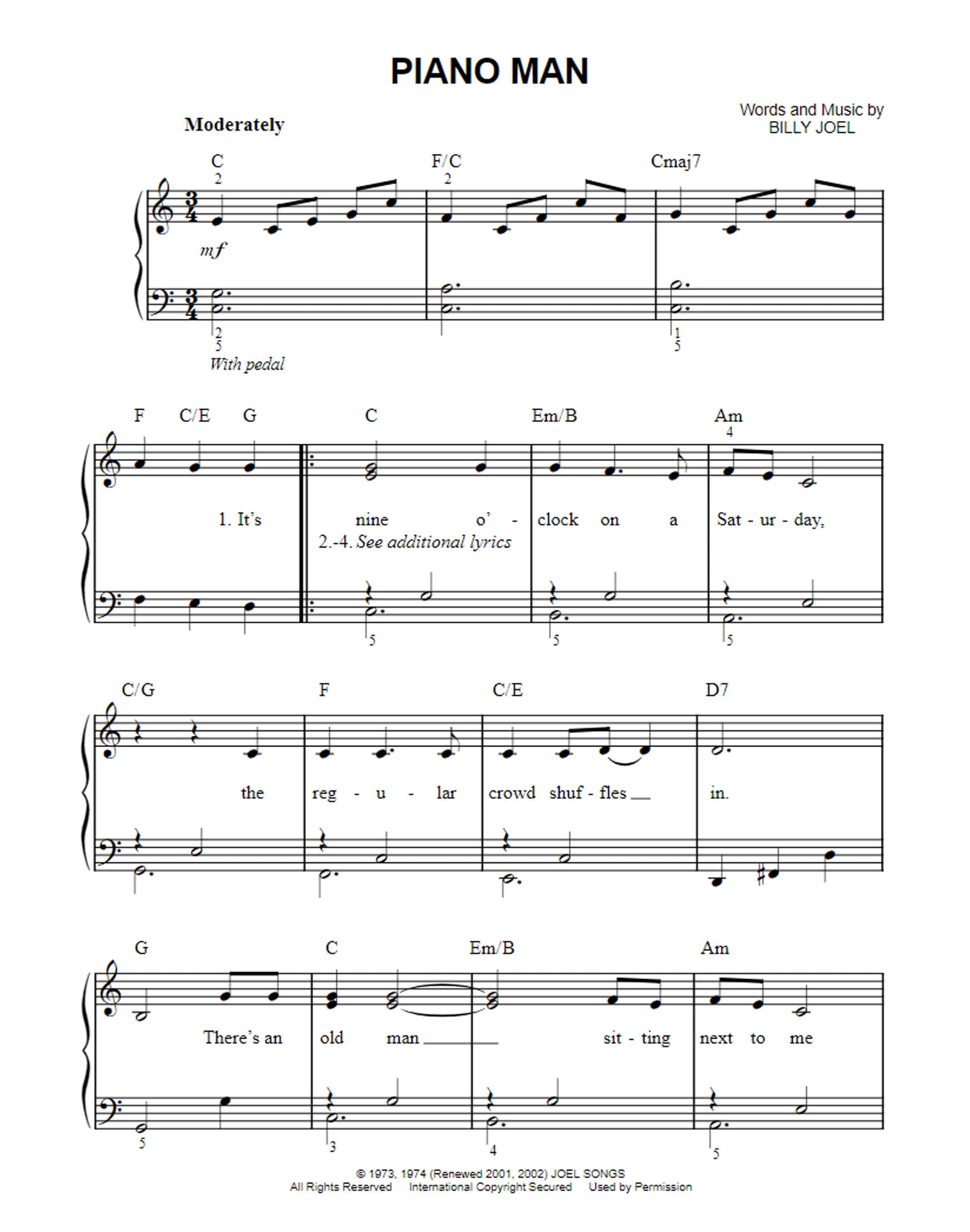
When searching for "easy songs to play on the piano sheet music," it is essential to understand what technically constitutes an "easy" arrangement. Music publishers typically categorize sheet music into levels, such as Pre-Staff, Level 1, and Easy Piano. In 2026, the industry has standardized these levels to help self-taught learners and students find appropriate material without becoming overwhelmed.
Key Signatures and Accidentals
Easy sheet music almost always stays within key signatures with few sharps or flats. The most common keys for beginners are C Major (no sharps or flats), G Major (one sharp: F#), and F Major (one flat: Bb). Avoiding complex accidentals—the sharps and flats found outside the main key—allows the player to focus on finger placement and rhythm rather than navigating the black keys constantly.
Rhythmic Simplicity
Intermediate and advanced music often features syncopation, complex tuplets, and sixteenth notes. Easy piano scores, however, rely heavily on whole notes, half notes, quarter notes, and the occasional eighth note. The time signatures are usually standard 4/4 or 3/4, providing a predictable "pulse" that helps the novice maintain a steady tempo.
Hand Position and Range
A hallmark of beginner sheet music is a limited range. Most easy songs are arranged in a "five-finger pattern," meaning the hand stays in one position on the keyboard for the duration of the piece. This eliminates the need for "thumb-unders" or large leaps across the octaves, which are common hurdles for those just starting their musical journey.
Top 10 Easy Songs to Play on the Piano
The following list represents the most accessible and popular songs for which sheet music is widely available. These pieces have been selected based on their melodic recognizability and the availability of simplified arrangements.
1. "Ode to Joy" by Ludwig van Beethoven
This classic melody from the Ninth Symphony is perhaps the most famous beginner piece in history. The sheet music typically features a repeating five-note melody in the right hand. In 2026, digital versions often include "AlphaNotes," where the letter names are printed inside the note heads, making it an ideal first piece for someone who has not yet mastered staff reading.
2. "Twinkle, Twinkle, Little Star" (Traditional)
While often associated with children, this song is a masterclass in basic intervals. The sheet music uses simple leaps of a fifth and fourth, which are fundamental building blocks for all Western music. It is a perfect exercise for practicing "legato" (smooth) versus "staccato" (short) playing.
3. "Let It Be" by The Beatles
For those interested in pop music, "Let It Be" is highly accessible. Easy piano arrangements often simplify the left hand to single-note bass lines or basic triads (three-note chords). The repetitive nature of the chord progression (C, G, Am, F) allows players to memorize the patterns quickly.
4. "Someone Like You" by Adele
This song is famous for its arpeggiated (broken chord) accompaniment. Simplified sheet music for this track often reduces the left-hand arpeggios to simple block chords, allowing the player to focus on the expressive, soulful melody in the right hand.
5. "Hallelujah" by Leonard Cohen
Known for its 6/8 time signature, "Hallelujah" introduces beginners to a "rolling" rhythm. While 6/8 can sound intimidating, easy arrangements present it as two groups of three beats, making it a great way to learn how to count compound time signatures.
6. "The Pink Panther Theme" by Henry Mancini
This is an excellent choice for learning about "swing" rhythm and chromatics. Even in easy versions, the sheet music retains the iconic "sneaking" feel. It introduces the concept of half-steps (moving to the very next key) in a fun, recognizable context.
7. "Amazing Grace" (Traditional)
This hymn is often arranged in G Major. It is a quintessential piece for practicing the 3/4 "waltz" time. The melody involves slightly larger jumps than "Ode to Joy," encouraging the player to move their hand across the keyboard slightly more while remaining in a beginner-friendly framework.
8. "Happy Birthday to You"
This is arguably the most practical song any pianist can learn. The sheet music is short and utilizes a "dotted rhythm" (long-short), which is a common rhythmic pattern in many genres. Mastering this piece provides immediate social value at gatherings.
9. "Prelude in C Major" by J.S. Bach
While a "classical" masterpiece, the first Prelude from The Well-Tempered Clavier is remarkably accessible. The entire piece consists of broken chords. In 2026, many beginner editions format this as "blocked" chords first to help the student understand the harmony before playing the arpeggios as written.
10. "Clair de Lune" (Simplified) by Claude Debussy
The original version is quite difficult, but "Easy Piano" arrangements of this Impressionist classic are highly popular. These versions simplify the complex rhythms and thick chords into a single-note melody with light accompaniment, allowing beginners to enjoy the ethereal sound of Debussy.
Comparison of Easy Piano Song Characteristics
| Song Title | Primary Key | Time Signature | Difficulty (1-5) | Main Learning Focus |
|---|---|---|---|---|
| Ode to Joy | C Major | 4/4 | 1 | Five-finger position |
| Twinkle Twinkle | C Major | 4/4 | 1 | Basic intervals (4ths/5ths) |
| Let It Be | C Major | 4/4 | 2 | Primary chord progressions |
| Amazing Grace | G Major | 3/4 | 2 | Waltz rhythm and phrasing |
| Hallelujah | C Major | 6/8 | 3 | Compound time signatures |
| The Pink Panther | E Minor | 4/4 | 3 | Chromatics and swing feel |
| Someone Like You | G Major | 4/4 | 2 | Left-hand coordination |
| Happy Birthday | F Major | 3/4 | 2 | Dotted rhythms |
| Prelude in C | C Major | 4/4 | 2 | Continuous arpeggios |
| Clair de Lune (Easy) | C Major | 9/8 (Simp. 3/4) | 3 | Expressive dynamics |
Where to Source Reliable Easy Sheet Music in 2026
Acquiring sheet music has evolved significantly. While physical books remain a staple, digital platforms have become the primary method for sourcing scores.
Reputable Online Databases
- Musicnotes: Offers "Easy Piano" and "Big Note" arrangements for almost every popular song. Their interactive app allows you to transpose the music into a simpler key if the original is too difficult.
- Sheet Music Plus: A massive repository of both digital and physical scores. They often host "Value Packs" for beginners that group easy songs by genre.
- IMSLP (International Music Score Library Project): This is the go-to source for public domain classical music. You can find original beginner methods from the 18th and 19th centuries, such as those by Beyer or Czerny, for free.
- MuseScore: A community-driven platform. While quality varies, many talented arrangers upload simplified versions of modern hits specifically for beginners.
Evaluating Score Quality
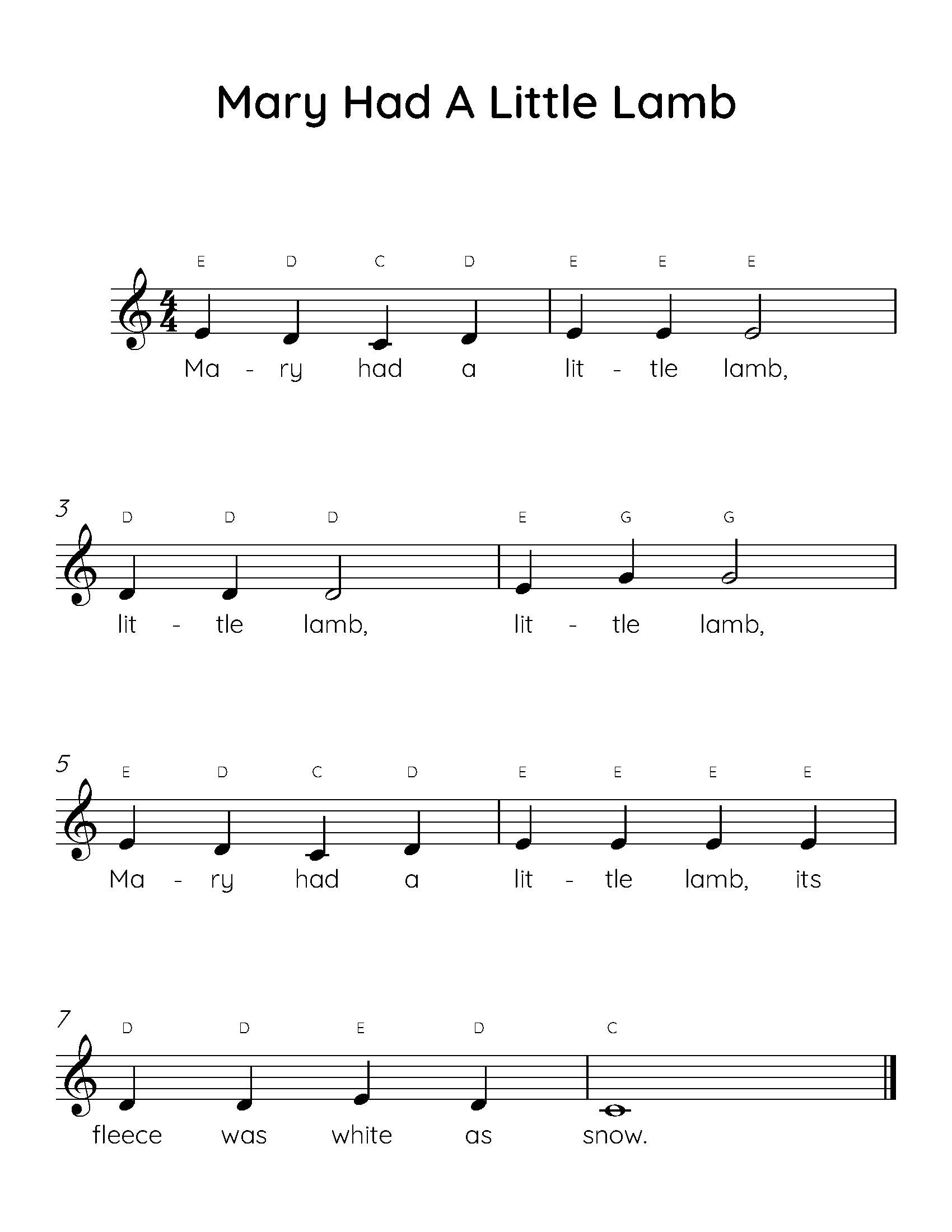
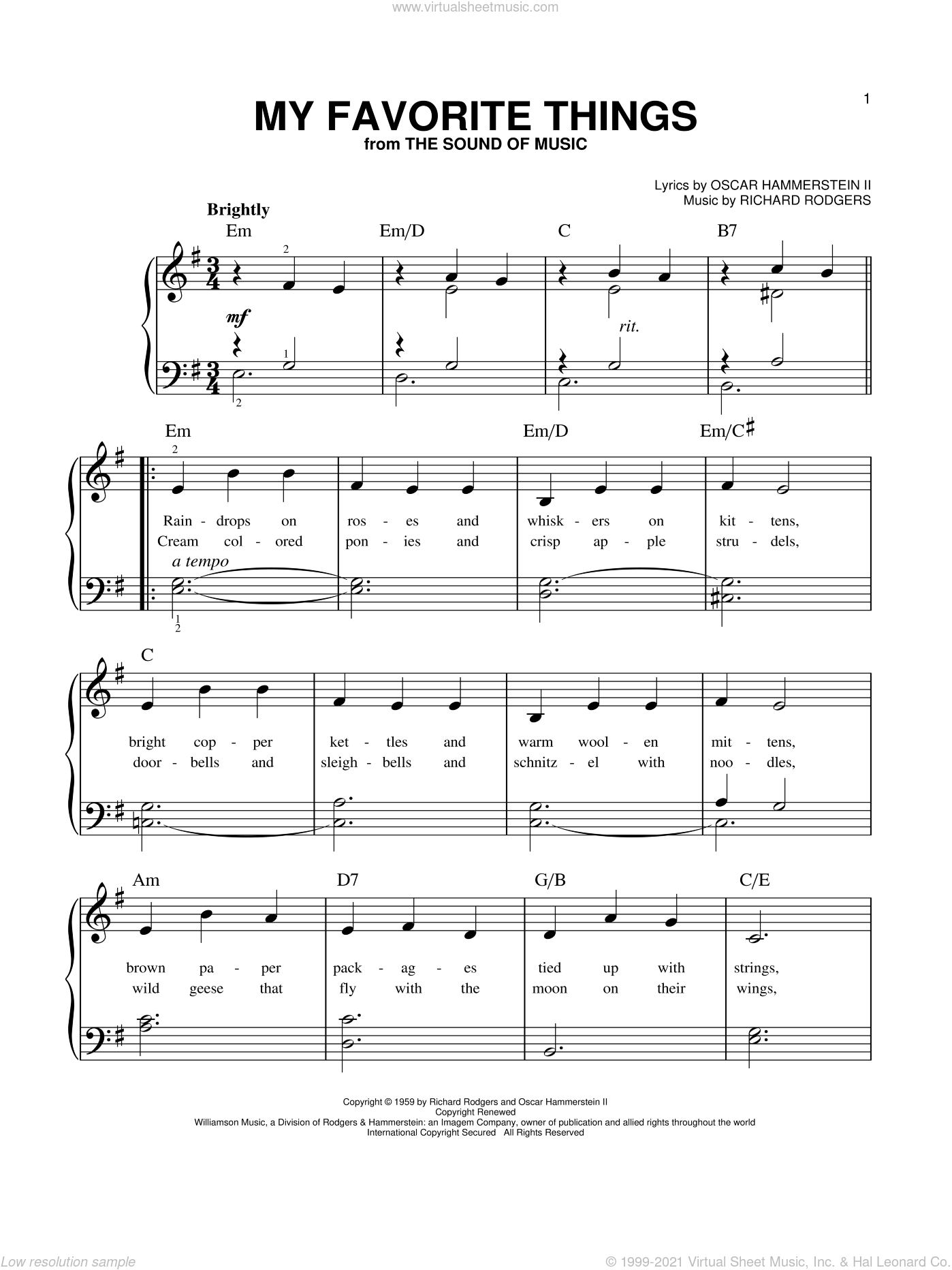
Not all "easy" sheet music is created equal. When browsing, look for scores that include fingering numbers (1 for thumb, 5 for pinky). These are essential for beginners to ensure they aren't using awkward hand positions that could lead to tension or injury. Additionally, check for "clear engraving"—the notes should be large and spaced out, making them easier to read while your eyes are still learning to translate symbols to keys.
Tips for Learning Easy Songs Efficiently
Even with simplified sheet music, the learning process requires a structured approach. Following these steps can reduce frustration and lead to faster mastery.
Separate the Hands
The most common mistake beginners make is trying to play both hands together immediately. Start with the right hand (melody) until you can play it through without hesitation. Then, practice the left hand (accompaniment). Only when both are "on autopilot" should you attempt to combine them at a very slow tempo.
Use a Metronome
Stability is key to musicality. Using a metronome—or a metronome app—ensures that you aren't speeding up during easy parts and slowing down during harder sections. In 2026, many digital sheet music readers have built-in metronomes that can even follow your playing and provide feedback.
Identify Patterns
Music is built on repetition. Look at your sheet music and identify sections that are identical or very similar. Often, a song that looks like four pages of music is actually just one page of ideas repeated with minor variations. Marking these patterns with a pencil (or digital highlighter) makes the piece feel much shorter and more manageable.
Focus on Posture
Playing easy songs is the best time to build good habits. Ensure your bench is at the correct height, your wrists are level (not dipping or arching excessively), and your fingers are curved as if holding a small ball. Good posture prevents the fatigue that often causes beginners to quit.
Common Mistakes When Choosing "Easy" Music
Many learners fall into traps when searching for "easy songs to play on the piano sheet music." Being aware of these can save hours of wasted practice time.
- Choosing "Easy" versions of inherently difficult songs: Some songs, like "Bohemian Rhapsody," are so complex that even an "easy" arrangement might be too much for a true beginner. Start with songs that were simple in their original form.
- Ignoring the Key Signature: You might find a great arrangement of a song you love, but if it's in C# Major (7 sharps), it isn't "easy" for a beginner, regardless of how simplified the melody is.
- Neglecting Sight-Reading: Relying solely on synthesia-style "falling bar" videos rather than sheet music can hinder your long-term growth. Sheet music teaches you the universal language of music, allowing you to eventually play any piece.
- Over-relying on Finger Numbers: While helpful, don't just read the numbers "1, 2, 3." Make sure you are also looking at the notes on the staff so you learn their names and positions.
Frequently Asked Questions
Why is the key of C Major considered the easiest for piano sheet music?
C Major is considered the easiest because it uses only the white keys on the piano. There are no sharps or flats to remember, which simplifies the mental process of translating a note on the staff to a physical key on the keyboard. However, some teachers argue that keys like B Major are "easier" for the hand's natural shape, but for reading sheet music, C Major remains the universal entry point.
Can I learn to play these songs if I don't have a full 88-key piano?
Yes. Most easy songs are arranged within a 61-key or even a 49-key range. Since beginner music rarely utilizes the extreme high or low ends of the piano, a standard keyboard is more than sufficient for learning the songs listed above.
How long does it typically take to learn an "easy" piano song?
For a total beginner, a very simple piece like "Ode to Joy" might take 1–2 weeks of consistent 15-minute daily practice to play fluently. More complex "Easy Piano" arrangements, like a simplified Adele song, might take 3–4 weeks to master both hands together.
Is it better to use printed sheet music or a tablet?
In 2026, both have merits. Tablets (like iPads with apps like ForScore) allow for instant access to thousands of songs and the ability to zoom in on notes. However, physical paper is often better for "deep focus" and allows you to make pencil notations easily without the distraction of notifications or screen glare.
Do I need a teacher to learn easy piano sheet music?
While a teacher is invaluable for correcting technique and posture, it is entirely possible to learn easy songs using self-study methods. In 2026, many sheet music publishers include QR codes on the pages that link to video tutorials, providing a hybrid learning experience for those working solo.
Final Recommendation
For those starting their journey, the best "easy song to play on the piano sheet music" is "Ode to Joy." It provides the perfect balance of melodic satisfaction and technical simplicity. Once you have mastered it, progress to a traditional hymn or a simplified pop ballad to expand your rhythmic understanding. Remember that the goal of easy sheet music is to build confidence; choose songs you genuinely enjoy listening to, as this will keep you motivated during the initial challenges of learning to read music.
Image Gallery