Understanding What Happens After a Semi Wreck in Indiana
When a semi-truck accident occurs in Indiana, the immediate aftermath involves emergency intervention, detailed law enforcement investigation, and complex insurance reporting protocols. Because commercial vehicles are governed by both...
When a semi-truck accident occurs in Indiana, the immediate aftermath involves emergency intervention, detailed law enforcement investigation, and complex insurance reporting protocols. Because commercial vehicles are governed by both state law and federal regulations, the process differs significantly from a typical passenger vehicle crash, often requiring specialized evidence preservation and legal scrutiny to determine liability and manage recovery.
Contents
Immediate Post-Accident Procedures and Emergency Response
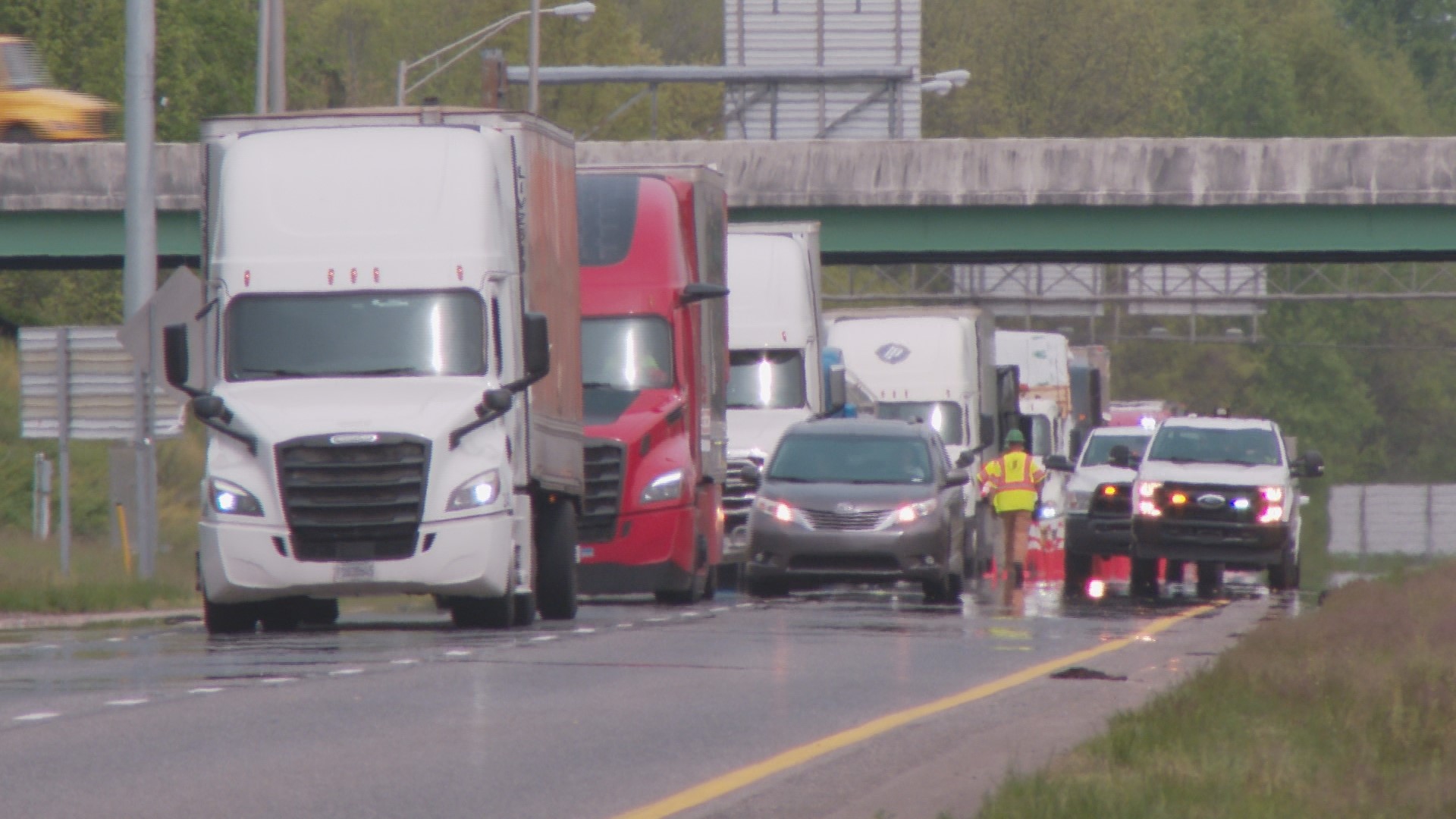
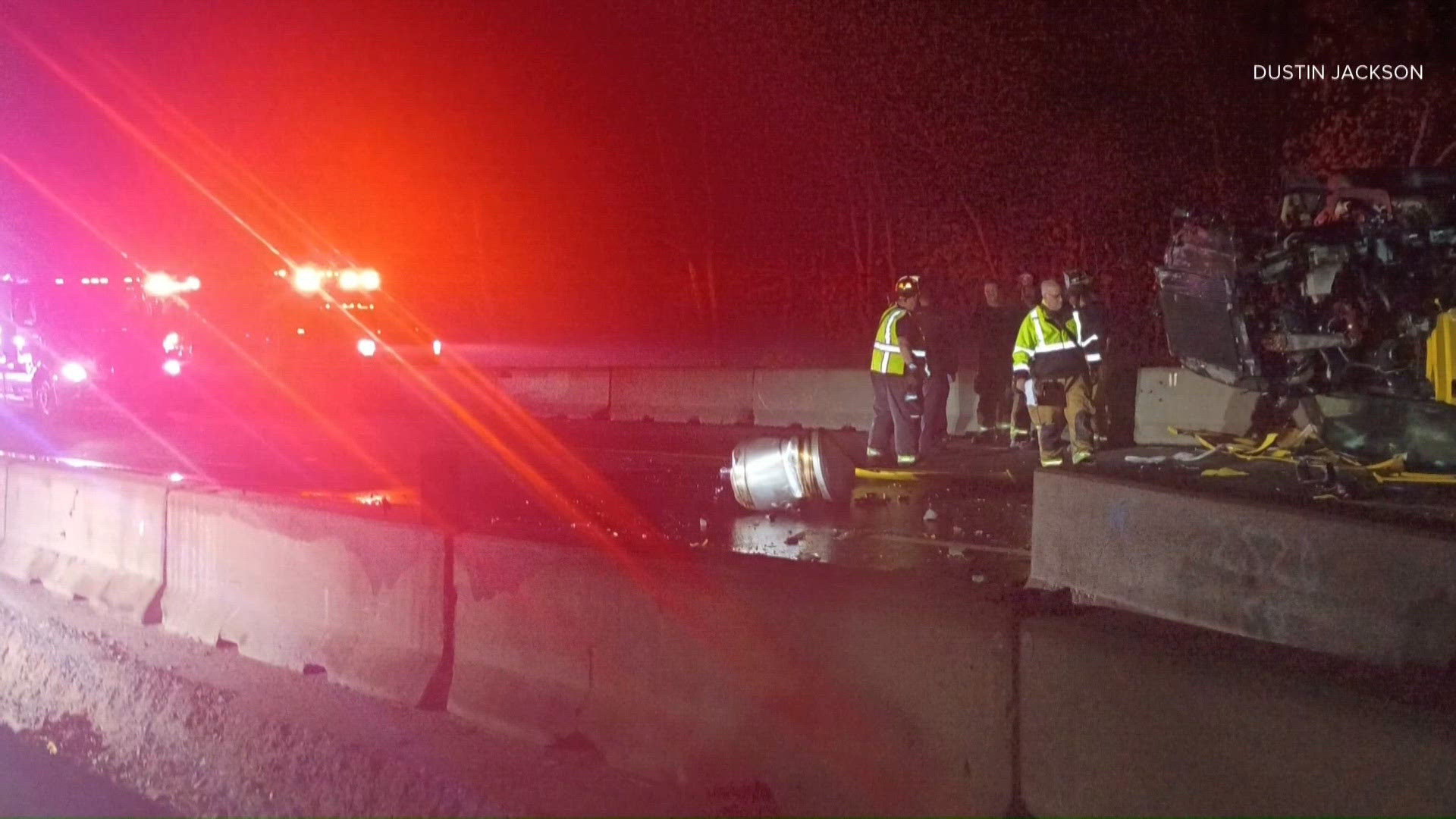
The first moments following a collision with a commercial semi-truck in Indiana are critical for both physical safety and the preservation of evidence. If you are involved in or witness such an accident, the primary focus must always be on emergency medical needs.
- Safety and Emergency Services: Immediately call 911. Indiana State Police often lead the investigation for major accidents involving commercial vehicles, especially those on interstate highways like I-65, I-70, or I-69. Do not leave the scene until authorized by responding officers, unless your health requires immediate transport.
- Law Enforcement Documentation: Unlike minor fender-benders, a semi-truck accident triggers an "Indiana Officer’s Standard Crash Report." This document is the cornerstone of the investigation. Ensure that your account of the event is clearly provided to the responding officer. If you are physically unable to provide a statement, ensure a passenger or witness provides your perspective to the authorities.
- Evidence Collection: While safety remains the priority, collect what you can. This includes taking photos of the vehicles, tire marks, debris, traffic signs, and road conditions. Do not move your vehicle unless instructed by law enforcement to clear the roadway for public safety.
The Role of Federal and State Regulations
Commercial trucking is not governed by local traffic laws alone. Because semi-trucks often operate across state lines, they are subject to the Federal Motor Carrier Safety Administration (FMCSA) regulations. In Indiana, these are supplemented by state-specific requirements under the Indiana Department of Revenue and the Indiana State Police Commercial Vehicle Enforcement Division.
After a major wreck, investigators will look into whether the carrier and driver were compliant with:
- Hours of Service (HOS) Regulations: Truck drivers must adhere to strict limits on driving hours to prevent fatigue. Investigators will examine Electronic Logging Devices (ELDs) to see if the driver exceeded these limits.
- Maintenance Logs: Federal law requires carriers to maintain rigorous inspection and repair records. A failure to perform required maintenance can serve as evidence of negligence.
- Drug and Alcohol Testing: Post-accident testing for the truck driver is often mandatory under federal guidelines following specific thresholds of vehicle damage or injury severity.
Insurance Reporting and Liability Complexity
Determining who is responsible after a semi-truck wreck is rarely straightforward. Commercial policies often involve multiple layers of insurance, including primary liability, excess, and umbrella policies.
In Indiana, insurance companies will immediately dispatch "rapid response" teams to the scene of a significant wreck. Their goal is often to mitigate the carrier’s exposure. They may attempt to contact involved parties early to obtain recorded statements. It is important to understand that you are not legally required to give a recorded statement to the other party's insurance adjuster at the scene or shortly thereafter without legal counsel.
| Factor | Standard Passenger Car Crash | Semi-Truck Collision |
|---|---|---|
| Evidence | Photos and police report | ELD data, maintenance logs, cargo manifests |
| Regulation | State traffic laws | State laws + FMCSA federal regulations |
| Parties | Driver vs. Driver | Driver, Carrier, Broker, Loader, Manufacturer |
| Investigation | Local police | State police/Commercial specialized unit |
The Investigation Phase: Data Recovery
One of the most distinct aspects of a semi-truck accident is the reliance on digital and mechanical data. Modern semi-trucks are equipped with Engine Control Modules (ECMs), often referred to as "black boxes." These devices record speed, braking patterns, and throttle usage in the seconds leading up to a crash.
In Indiana, if a legal dispute arises, attorneys often issue "spoliation letters" to the trucking company. This is a formal legal demand to preserve all evidence, including the ECM data, driver logs, personnel files, and dashcam footage. Without a timely spoliation letter, critical evidence can be lost due to "routine" data overwriting or hardware disposal by the carrier.
Navigating Legal and Medical Recovery
Medical treatment should be your priority following the crash. Indiana law requires that you mitigate your damages, which includes seeking timely medical attention and following your doctor’s prescribed treatment plan.
If you choose to pursue a claim for damages, Indiana follows a "modified comparative fault" system. Under Indiana Code § 34-51-2-6, a person may recover damages only if their percentage of fault is 50% or less. If you are found to be more than 50% at fault, you may be barred from recovery. This makes the determination of liability by police and insurance adjusters particularly high-stakes.
Common Questions Regarding Semi-Truck Wrecks
Who is held liable if the truck driver was an independent contractor? Liability can extend to the trucking company, the shipping broker, or the maintenance facility. Identifying all responsible parties—often referred to as "vicarious liability"—is a standard part of the litigation process in Indiana.
How long do I have to file a claim in Indiana? The statute of limitations for personal injury claims in Indiana is generally two years from the date of the accident under Indiana Code § 34-11-2-4. However, notification requirements for claims against government entities (if a municipal vehicle was involved) can be significantly shorter.
Does a semi-truck accident payout come from the driver or the company? Commercial insurance policies held by the carrier typically provide the coverage. It is rare for an individual driver’s personal insurance to cover a commercial accident.
What is an ELD? An Electronic Logging Device is a piece of hardware connected to the truck's engine that records driving time automatically, ensuring the driver complies with federal hours-of-service mandates.
Should I sign a settlement offer from the truck company immediately? Often, initial settlement offers are calculated before the full extent of medical injuries or future economic losses is known. Consulting with an attorney before signing any releases is standard practice to ensure you do not inadvertently waive your right to future compensation.
Next Steps After an Incident
If you have been involved in a semi-truck accident in Indiana, your immediate actions should involve securing a copy of the official police crash report through the Indiana State Police record portal, documenting all medical expenses, and maintaining a chronological file of all communications with insurance companies. If the accident involved significant property damage or personal injury, consulting with a qualified legal professional experienced in commercial vehicle litigation can help ensure that evidence is preserved and your rights are protected throughout the claims process.
Image Gallery