Navigating the Best Debt Management Plan Options for Financial Relief
A debt management plan (DMP) is a structured repayment strategy administered by a credit counseling agency that helps consumers consolidate unsecured debts—such as credit cards and personal loans—into a single monthly payment, often se...
A debt management plan (DMP) is a structured repayment strategy administered by a credit counseling agency that helps consumers consolidate unsecured debts—such as credit cards and personal loans—into a single monthly payment, often securing reduced interest rates and waived fees. Finding the best debt management plan involves evaluating accredited nonprofit agencies, understanding fee structures, and verifying that creditors participate in the program to ensure sustainable long-term financial recovery.
Contents
For individuals struggling with high-interest unsecured debt, managing multiple minimum monthly payments can quickly become overwhelming. When late fees mount and balances remain stagnant despite steady payments, structured relief mechanisms become necessary. A debt management plan offers an alternative to aggressive debt settlement or bankruptcy by focusing on principal repayment under more manageable terms. Understanding how these plans function, what makes a program reputable, and how to choose the right agency is vital for anyone seeking a structured path out of debt.
Understanding What a Debt Management Plan Is
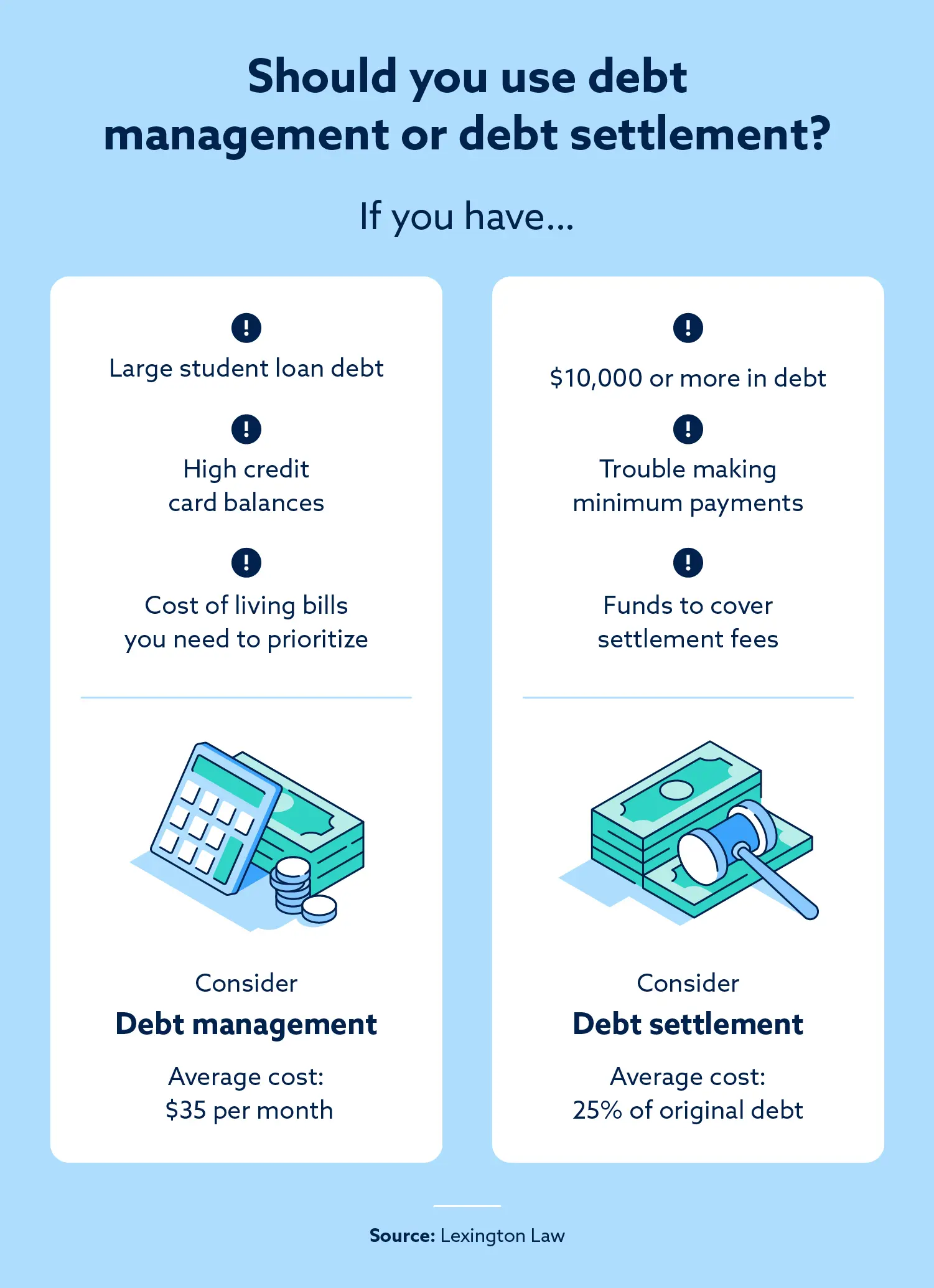
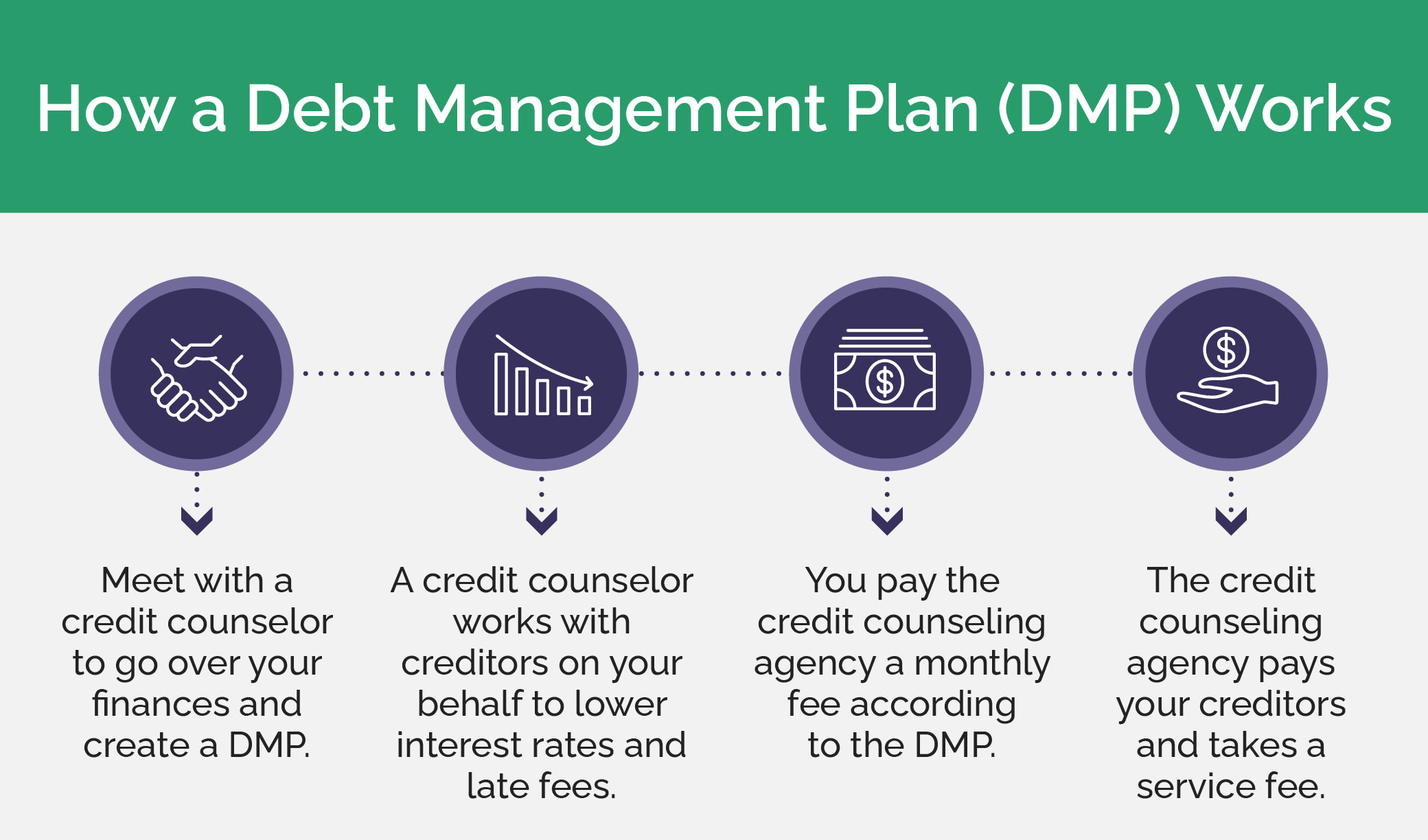
A debt management plan is an agreement between you, your creditors, and a credit counseling agency. Unlike debt settlement, which involves negotiating to pay less than what you owe, a DMP requires you to repay 100% of the principal balance. In exchange, the credit counseling agency negotiates with your creditors to lower interest rates, waive late fees, and stop collection calls.
Under this arrangement, you stop paying your creditors individually and instead make one consolidated monthly payment to the credit counseling agency. The agency then distributes these funds to your creditors according to a pre-arranged schedule. It is important to distinguish DMPs from debt consolidation loans. A DMP does not involve taking out a new loan; rather, it is a repayment service designed to restructure existing debts without altering your credit score negatively through loan acquisition.
Eligibility and Requirements for Enrollment
Not every debt qualifies for a debt management plan, and not every applicant is automatically accepted. DMPs are specifically designed for unsecured debt.
Qualifying Debts
- Credit Cards: The most common form of debt managed under these plans.
- Personal Unsecured Loans: Unsecured signature loans from banks or online lenders.
- Department Store Cards: Retail-specific revolving credit lines.
- Medical Bills: Certain unsecured medical collections may be eligible depending on the agency and creditor policies.
Non-Qualifying Debts
Secured debts—such as mortgages, auto loans, and home equity lines of credit—cannot be included in a standard debt management plan because failure to pay them results in the loss of collateral rather than mere account closure. Furthermore, federal student loans, tax debts, and utility bills typically fall outside the scope of a standard DMP, requiring separate resolution strategies.
To qualify, applicants must demonstrate a steady source of income sufficient to cover the proposed consolidated monthly payment, which is determined during a mandatory initial budget counseling session.
Evaluating Agencies: How to Identify a Reputable Provider
The quality of your experience depends heavily on the credit counseling agency you choose. Because the industry includes both legitimate nonprofit organizations and predatory operations, strict vetting is essential.
Accreditation and Certification
Reputable credit counseling agencies are typically accredited by recognized national bodies such as the National Foundation for Credit Counseling (NFCC) or the Financial Counseling Association of America (FCAA). Additionally, certified credit counselors should hold professional credentials demonstrating training in consumer finance, budgeting, and debt restructuring.
Transparency in Fees
While most legitimate credit counseling agencies are structured as 501(c)(3) nonprofits, they are permitted to charge fees for setting up and administering a debt management plan. These fees are regulated by state laws and typically include a one-time setup fee and a modest monthly maintenance fee. A trustworthy agency will disclose all costs upfront before you sign any agreements. Avoid any organization that demands high upfront fees before rendering services or guarantees specific credit score outcomes.
Comparing Debt Relief Options
Choosing the right strategy requires a clear understanding of how debt management plans compare to alternative debt-relief methods.
| Feature | Debt Management Plan (DMP) | Debt Settlement | Bankruptcy (Chapter 7 / 13) |
|---|---|---|---|
| Principal Owed | Repay 100% of the balance | Negotiate to pay a percentage (e.g., 40-50%) | Discharged or restructured via court |
| Credit Impact | Temporary dip, improves over time | Severe negative impact due to defaults | Long-term severe impact (7 to 10 years) |
| Fees | Low setup and monthly maintenance fees | High percentage fees based on saved debt | Court filing fees and legal representation costs |
| Legal Protection | None; voluntary agreement | None; risk of creditor lawsuits | Automatic stay halts creditor collection actions |
| Duration | Typically 3 to 5 years | Typically 2 to 4 years | 3 to 5 months (Ch. 7) or 3 to 5 years (Ch. 13) |
Financial and Credit Impacts of a Debt Management Plan
Entering a debt management plan involves specific administrative consequences that affect your daily financial life and credit profile.
Impact on Credit Scores
When you enroll in a DMP, participating creditors typically close the enrolled credit card accounts to prevent further accumulation of debt. Closing revolving accounts can temporarily lower your credit score by reducing your overall available credit and shortening your average account age. However, as you consistently make on-time consolidated payments and watch your total debt balances decrease, your payment history—the most significant factor in credit scoring models—begins to improve, leading to long-term credit recovery.
Operational Adjustments
During the course of the plan, you must generally agree not to apply for new lines of credit. This restriction ensures that your income remains dedicated exclusively to liquidating your existing obligations. Certified agencies often require you to complete personal finance education courses as a condition of the plan, helping you build sustainable budgeting habits for the future.
Common Mistakes to Avoid When Choosing a Plan
Navigating the debt management landscape requires vigilance against common pitfalls that can derail your financial recovery.
- Failing to Verify Creditor Participation: Not all creditors participate with every credit counseling agency. Ensure that your specific creditors have active agreements with the agency you select.
- Ignoring State Licensing Requirements: Credit counseling agencies must be licensed to operate in your state of residence. Always verify state registrations through your state attorney general's office or banking department.
- Confusing Settlement with Management: Believing that a DMP reduces your total principal balance is a common misunderstanding. Be certain you can afford the full principal repayment before enrolling.
- Skipping Fine Print on Fees: Review the fee schedule thoroughly to ensure that monthly maintenance fees do not offset the savings gained from reduced interest rates.
Frequently Asked Questions
Will a debt management plan stop collection calls?
Yes. Once your debt management plan is officially established and creditors begin receiving their scheduled disbursements through the agency, collection calls and notices generally cease. Creditors view the structured arrangement as a reliable commitment to repayment.
Can I keep one credit card outside of the plan?
Most agencies require you to enroll all unsecured credit cards, though some permit you to exclude a single card for emergency use. However, keeping cards open or excluding accounts can complicate the negotiation process with creditors who prefer comprehensive participation.
What happens if I miss a monthly payment?
Missing a payment to the credit counseling agency can cause the DMP to fail. If the agency cannot disburse funds as agreed, creditors reserve the right to cancel interest rate concessions, reinstate original penalty fees, and resume aggressive collection actions.
How long does a debt management plan take to complete?
Most structured debt management plans are designed to be completed within three to five years, depending on the total volume of unsecured debt enrolled and your monthly payment capacity.
Are debt management plan fees tax-deductible?
Generally, fees paid to credit counseling agencies for a debt management plan are not tax-deductible as medical or charitable expenses. Consult a certified public accountant or tax professional for guidance specific to your financial situation.
Next Actions and Getting Started
If you have decided that a debt management plan aligns with your financial recovery goals, your immediate next step is to gather your most recent billing statements for all unsecured debts. Calculate your total monthly income and fixed expenses to establish a realistic baseline budget. Next, contact an accredited, nonprofit credit counseling agency recognized by the National Foundation for Credit Counseling (NFCC) or the Financial Counseling Association of America (FCAA) to schedule a confidential, comprehensive financial review. During this session, a certified counselor will analyze your budget, outline your eligibility, and present a customized repayment proposal tailored to your circumstances.
Image Gallery