Understanding Atlanta Airport Runways: A Guide to Hartsfield-Jackson’s Infrastructure
Hartsfield-Jackson Atlanta International Airport (ATL) operates with five parallel runways. These runways are strategically arranged to manage one of the highest volumes of air traffic in the world, allowing for simultaneous arrivals a...
Hartsfield-Jackson Atlanta International Airport (ATL) operates with five parallel runways. These runways are strategically arranged to manage one of the highest volumes of air traffic in the world, allowing for simultaneous arrivals and departures that maintain the airport’s status as a critical global aviation hub.
Contents
The Layout and Configuration of ATL Runways
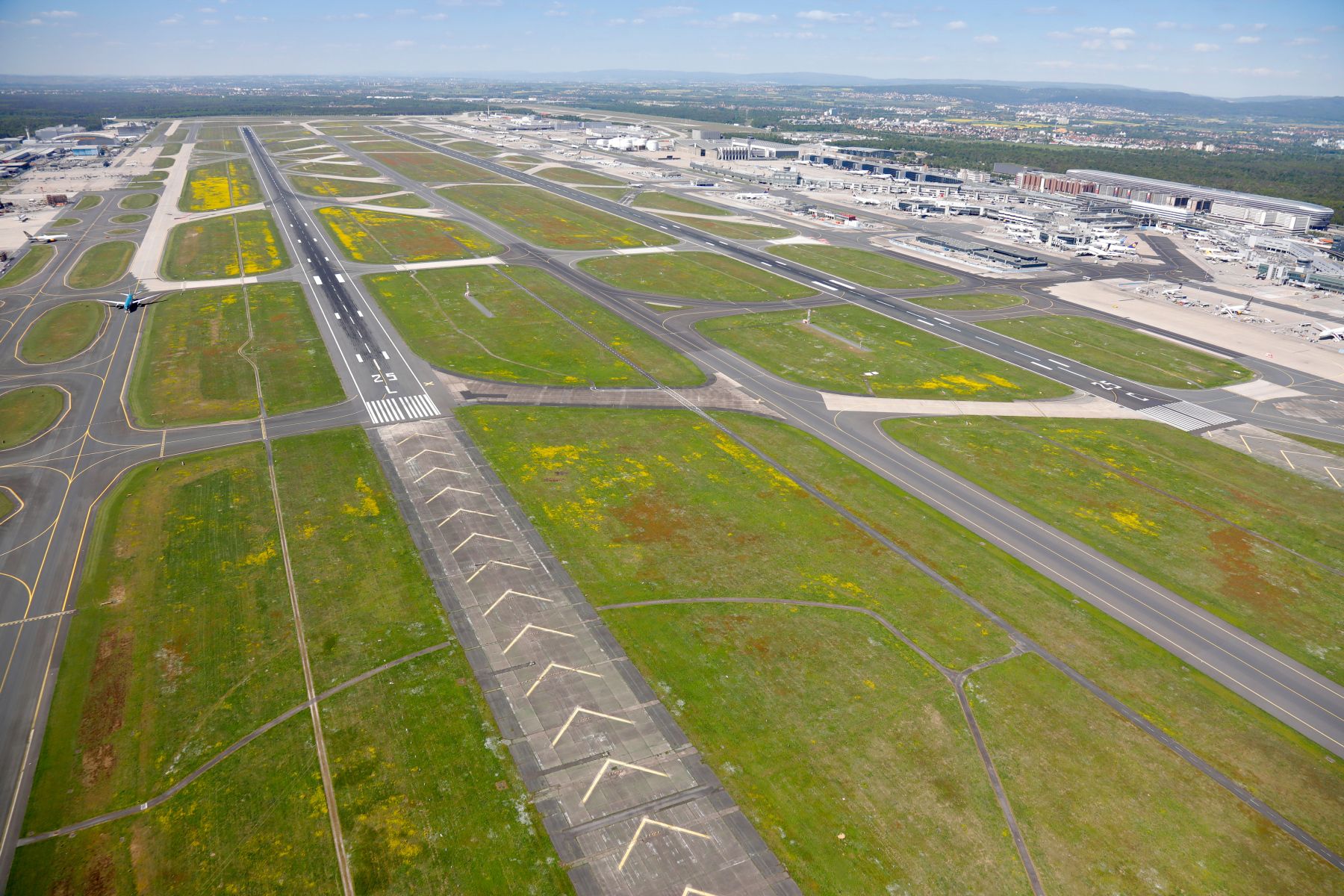
The structural design of the Atlanta airport is a marvel of civil engineering specifically optimized for high-density traffic. Unlike many international airports that feature intersecting runways, which can create points of conflict and limit throughput, Hartsfield-Jackson utilizes a parallel configuration. This design allows for "simultaneous independent operations," meaning multiple aircraft can land or take off at the same time on different runways without compromising safety distances.
The five runways are oriented in an east-west direction, which is ideal for the prevailing wind patterns in the Georgia region. By lining them up side-by-side, the airport air traffic controllers can streamline the flow of inbound and outbound aircraft, significantly reducing the "bottleneck" effect often seen at airports with more complex, crossing layouts.
Specifications of the Five Runways
To understand how these runways function, it is necessary to look at their technical specifications. Each runway is designated by a number corresponding to its magnetic heading, rounded to the nearest ten degrees. Because they are parallel, they share the same primary headings (09 and 27) but are distinguished by directional suffixes (Left, Center, Right).
| Runway Designation | Length (in feet) | Width (in feet) |
|---|---|---|
| 8L/26R | 9,000 | 150 |
| 8R/26L | 10,000 | 150 |
| 9L/27R | 12,390 | 150 |
| 9R/27L | 9,000 | 150 |
| 10/28 | 9,000 | 150 |
Note: Runway 10/28 serves as the fifth runway, added to the southern side of the airport complex to further expand operational capacity.
Why Five Runways are Necessary
The primary reason Hartsfield-Jackson maintains five runways is to support its role as the world’s busiest airport by passenger volume. With a massive throughput of domestic and international flights, the airport must process an immense number of movements per hour.
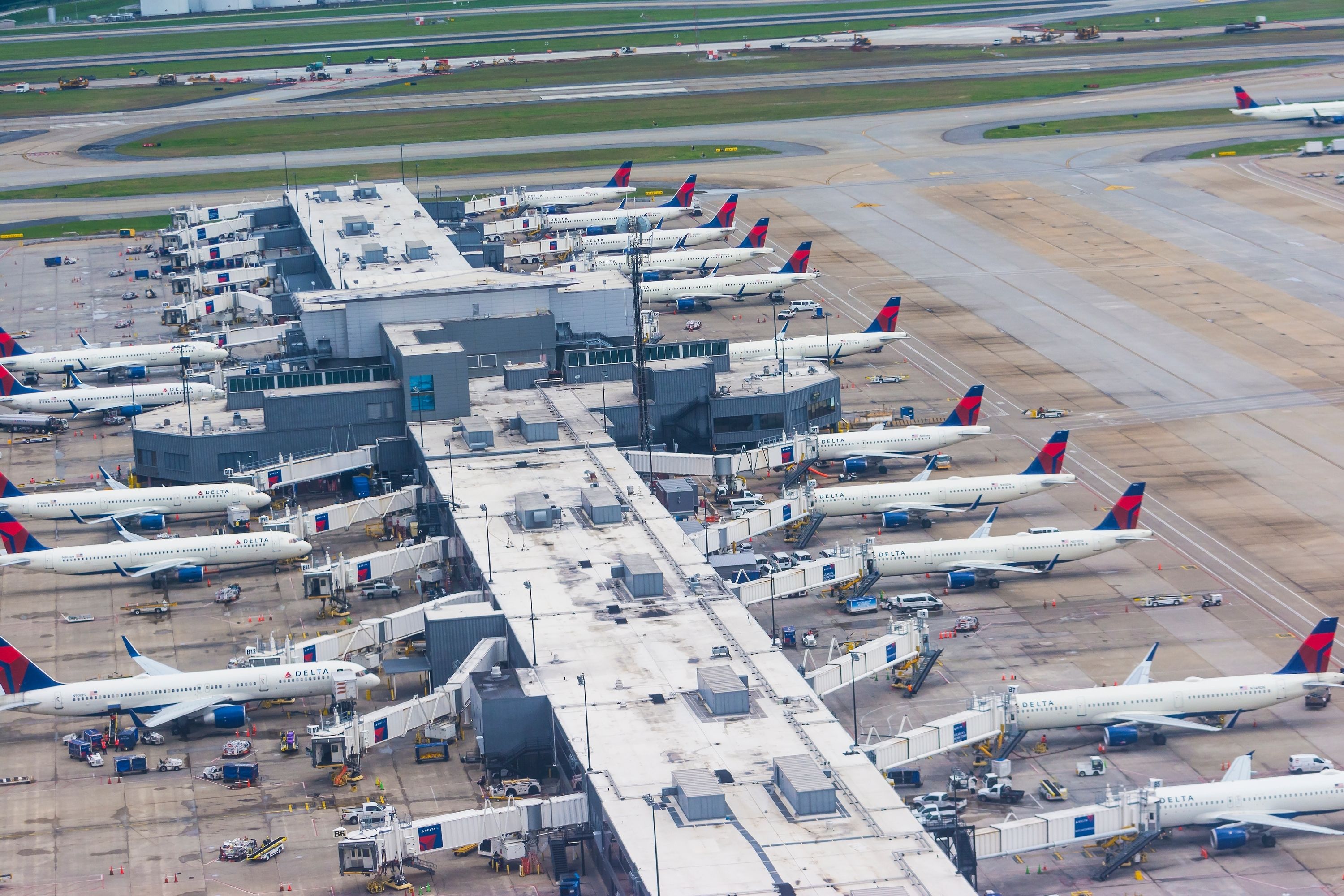
The integration of the fifth runway, completed in 2006, was a significant milestone in the airport's history. It effectively reduced flight delays by allowing for a more efficient "balanced" operation. Before this addition, the airport often faced severe congestion during peak hours, particularly during inclement weather. The fifth runway provided the necessary breathing room to manage the increase in regional jet traffic and the complex scheduling requirements of major carriers like Delta Air Lines, which uses ATL as its primary global hub.
Operational Safety and Air Traffic Control
Managing five parallel runways requires an incredibly sophisticated level of coordination by the Federal Aviation Administration (FAA) air traffic controllers. Because the runways are situated close to one another, the separation requirements for aircraft are stringent. Pilots and ground crews must adhere to precise taxiing instructions to ensure that aircraft entering or exiting the runways do not impede the progress of others.
The airport utilizes advanced radar systems and ground movement monitoring to track every aircraft, vehicle, and piece of equipment on the tarmac. During periods of low visibility, such as heavy fog or storms, the airport utilizes an enhanced taxiway lighting system and automated ground surveillance to prevent runway incursions. These protocols are part of the broader National Airspace System, which prioritizes safety above all else, ensuring that even with five runways operating at capacity, the risk of collision remains statistically negligible.
The Impact of Weather on Runway Utilization
While the five-runway configuration is highly efficient, it is not immune to the laws of physics or meteorology. Atlanta experiences diverse weather conditions throughout the year, including intense summer thunderstorms and occasional winter icing.
When wind directions shift, controllers may need to transition the entire operation from an "east flow" (using headings 09/10) to a "west flow" (using headings 27/28). This transition is a massive logistical undertaking that requires temporary holds on incoming traffic and a coordinated effort to reposition aircraft currently on the ground. Passengers may notice longer taxi times during these transitions, as the entire airport rhythm must be reset to align with the new wind direction.
Maintenance and Runway Longevity
With such high usage, the pavement of ATL’s runways undergoes significant wear and tear. Runway maintenance is a continuous, year-round operation. The airport engineering teams conduct regular inspections to identify surface degradation, such as cracking or "rubber buildup" caused by tires touching down thousands of times per day.
Scheduled maintenance, often performed during overnight hours when flight volume is at its lowest, ensures that the runways remain compliant with safety regulations. If a specific runway requires deeper structural repairs, the airport is fortunate that its five-runway design allows it to take one out of commission for maintenance while the remaining four continue to handle the bulk of the traffic. This redundancy is perhaps the most significant operational advantage of the five-runway layout.
Frequently Asked Questions
Can all five runways be used at the exact same time? Yes, under optimal weather conditions and with specific air traffic control authorization, Hartsfield-Jackson can conduct simultaneous operations across all five runways. However, actual usage depends on wind direction, traffic volume, and the current configuration of the airfield.
Why are the runways numbered 8, 9, 10, 26, 27, and 28? These numbers represent the magnetic compass heading of the runway. For example, a runway heading of 090 degrees is designated as "9." The "L," "R," and "C" suffixes exist to identify parallel runways, such as the Left and Right runways at the 09/27 orientation.
Does the airport plan to add more runways in the future? As of 2026, the current master plan for Hartsfield-Jackson focuses on terminal expansion, gate efficiency, and infrastructure upgrades rather than the addition of new runways. The existing five runways are sufficient for current and projected capacity requirements.
How do pilots know which runway to use? Pilots receive instructions from the Atlanta Tower controllers. Before landing or taking off, flight crews are assigned a specific runway based on the current arrival or departure sequence, the aircraft's gate location, and environmental conditions.
What happens if there is a delay on one runway? Because the runways operate as an integrated system, a delay on one can ripple across the others. Controllers use a "flow management" system to prioritize certain flights, rerouting others or placing them in holding patterns to maintain overall safety and efficiency during the disruption.
Final Recommendation
If you are tracking your flight or planning travel, do not concern yourself with the technical operation of the runways, as air traffic control manages these systems with high precision. For real-time updates regarding your specific flight arrival or departure, always check the official Hartsfield-Jackson website or your airline's mobile application. These platforms provide the most accurate data regarding runway usage and potential weather-related delays.
Image Gallery