How to Choose a Cook Stove Wood Burning System
Choosing the right wood-burning cook stove system requires balancing your home’s heating demands with your culinary expectations and local environmental regulations. To select the ideal system, you must evaluate the stove's British The...
Choosing the right wood-burning cook stove system requires balancing your home’s heating demands with your culinary expectations and local environmental regulations. To select the ideal system, you must evaluate the stove's British Thermal Unit (BTU) output, the firebox and oven dimensions, the material's thermal mass, and compliance with the latest EPA particulate emission standards.
Contents
Understanding the Dual Role of Wood Cook Stoves
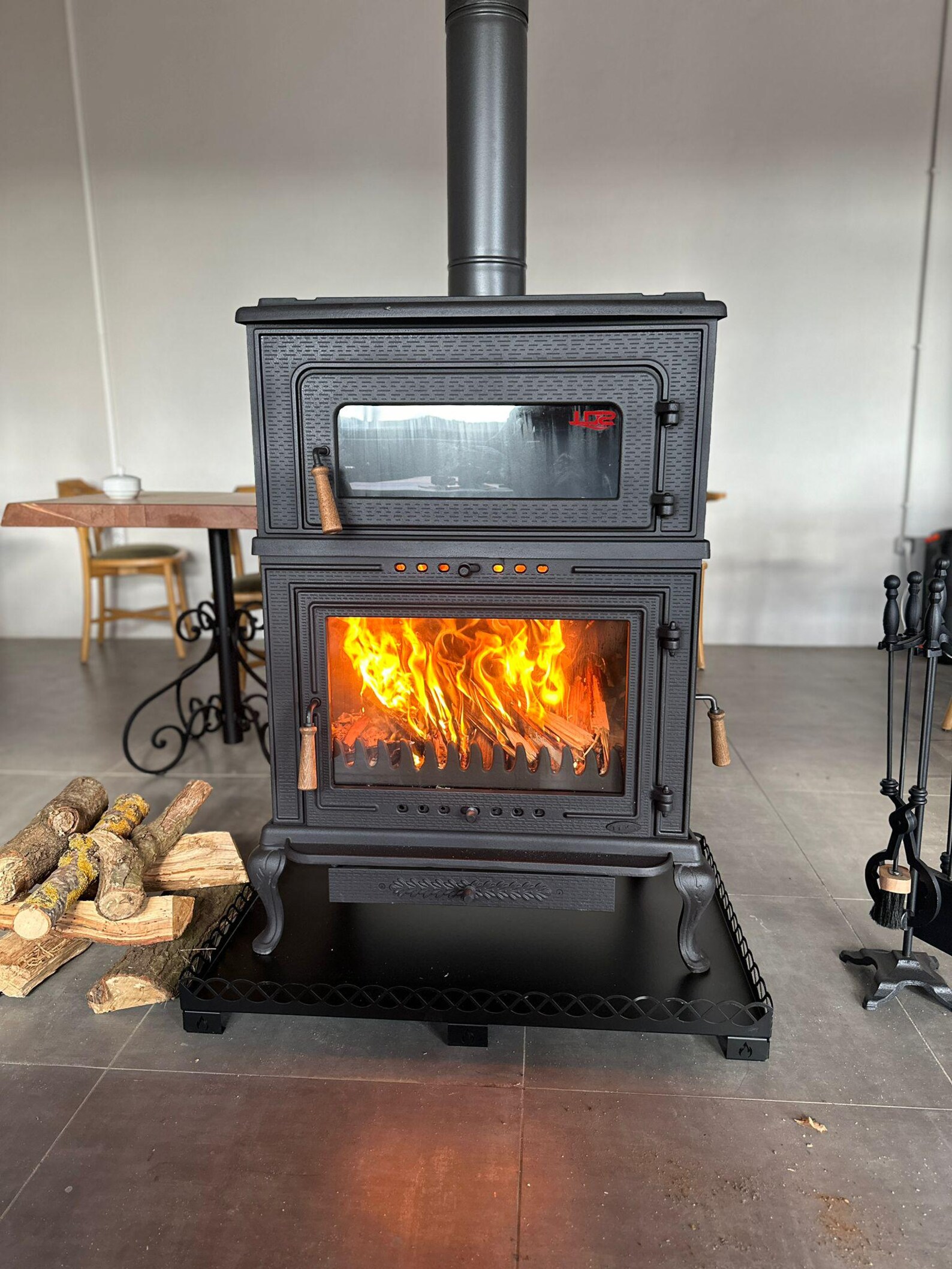
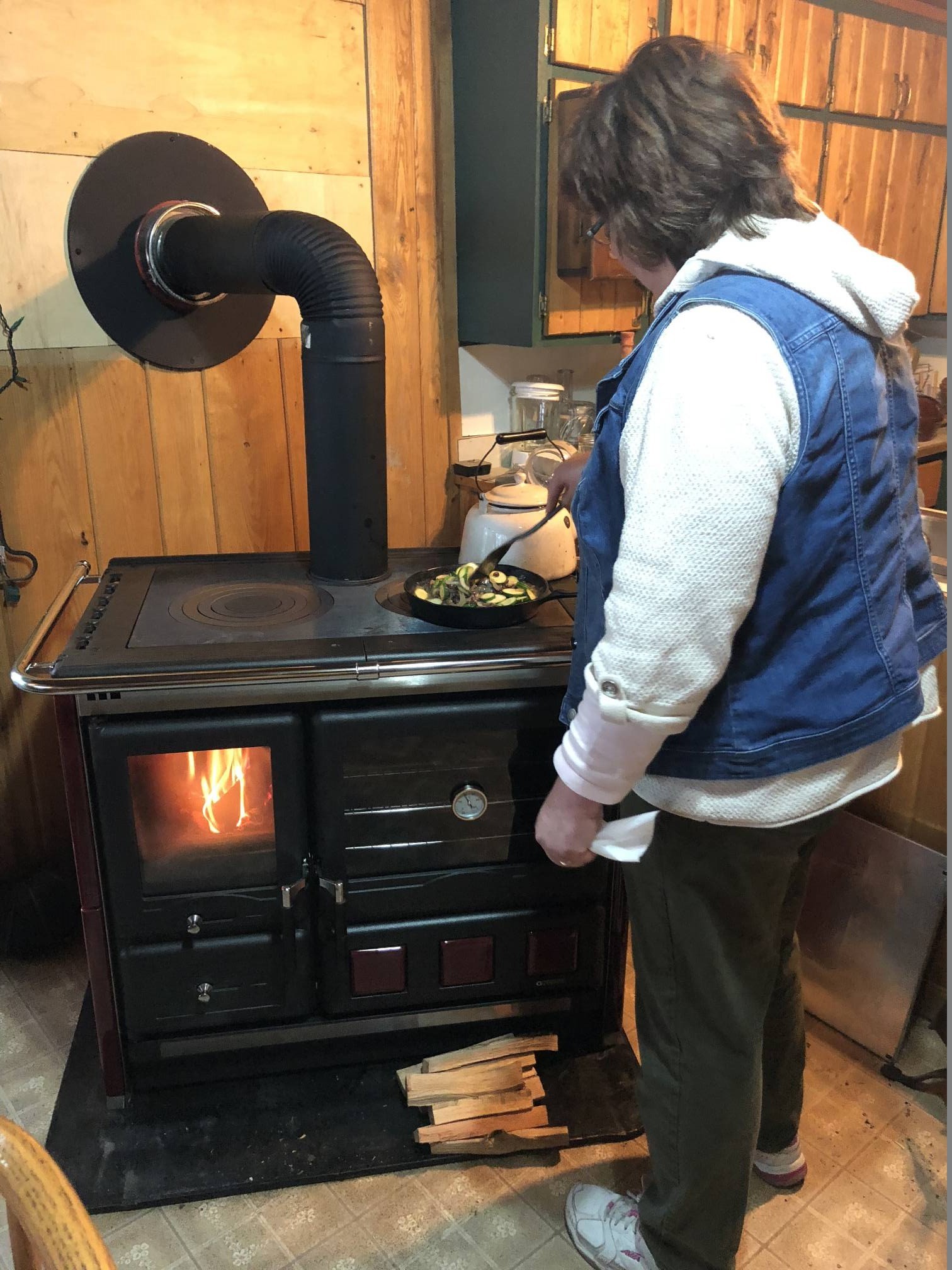
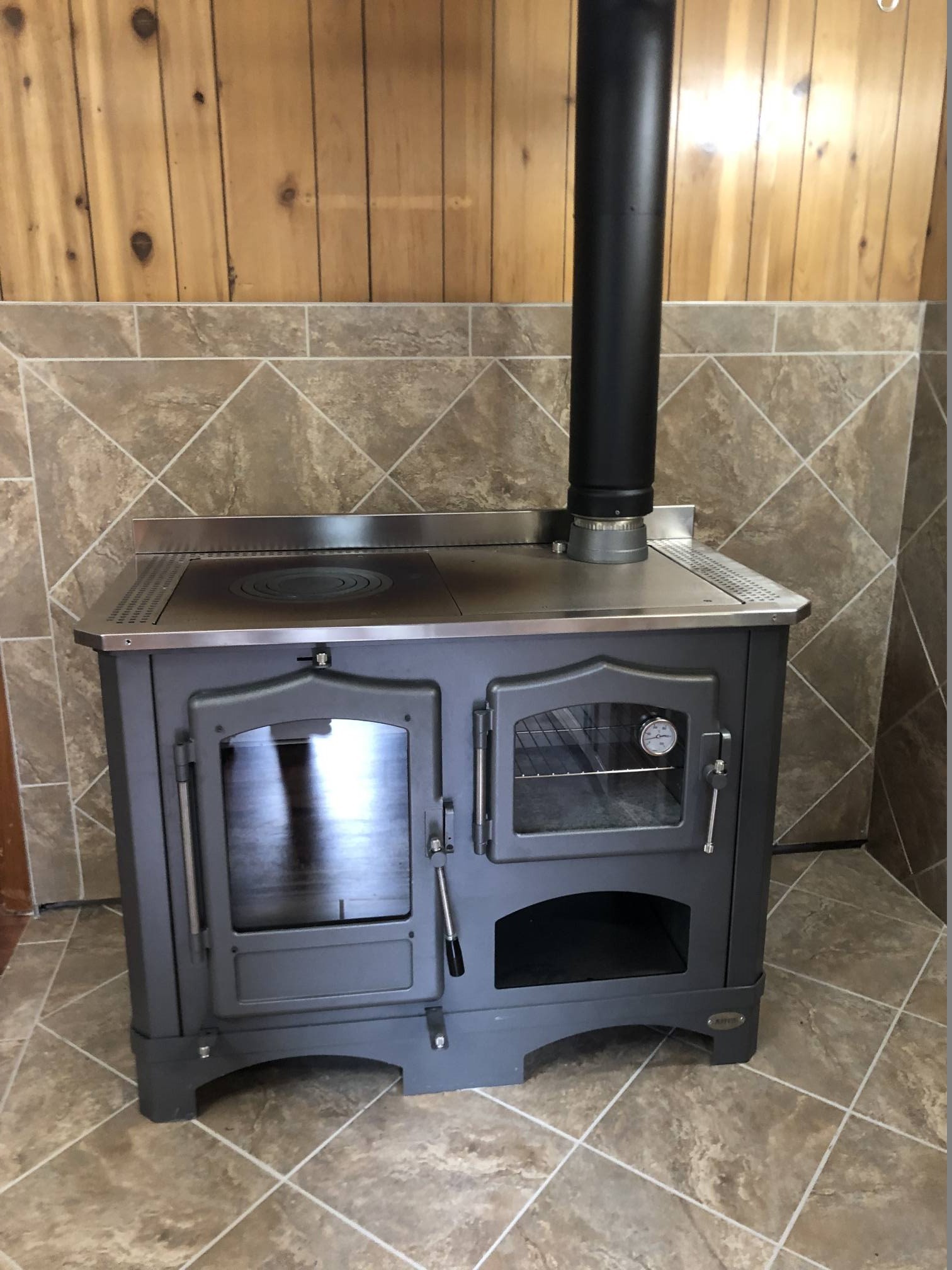
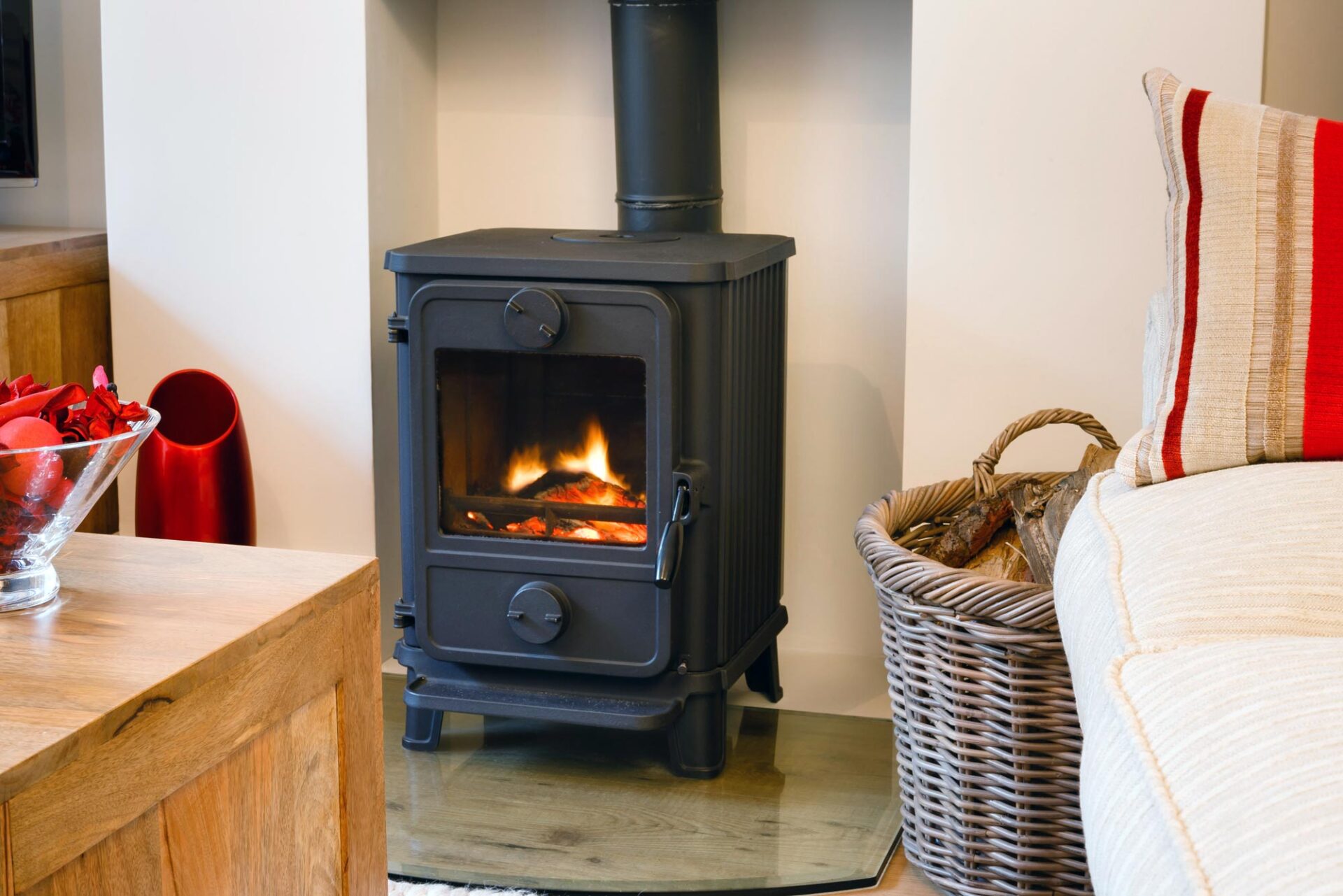
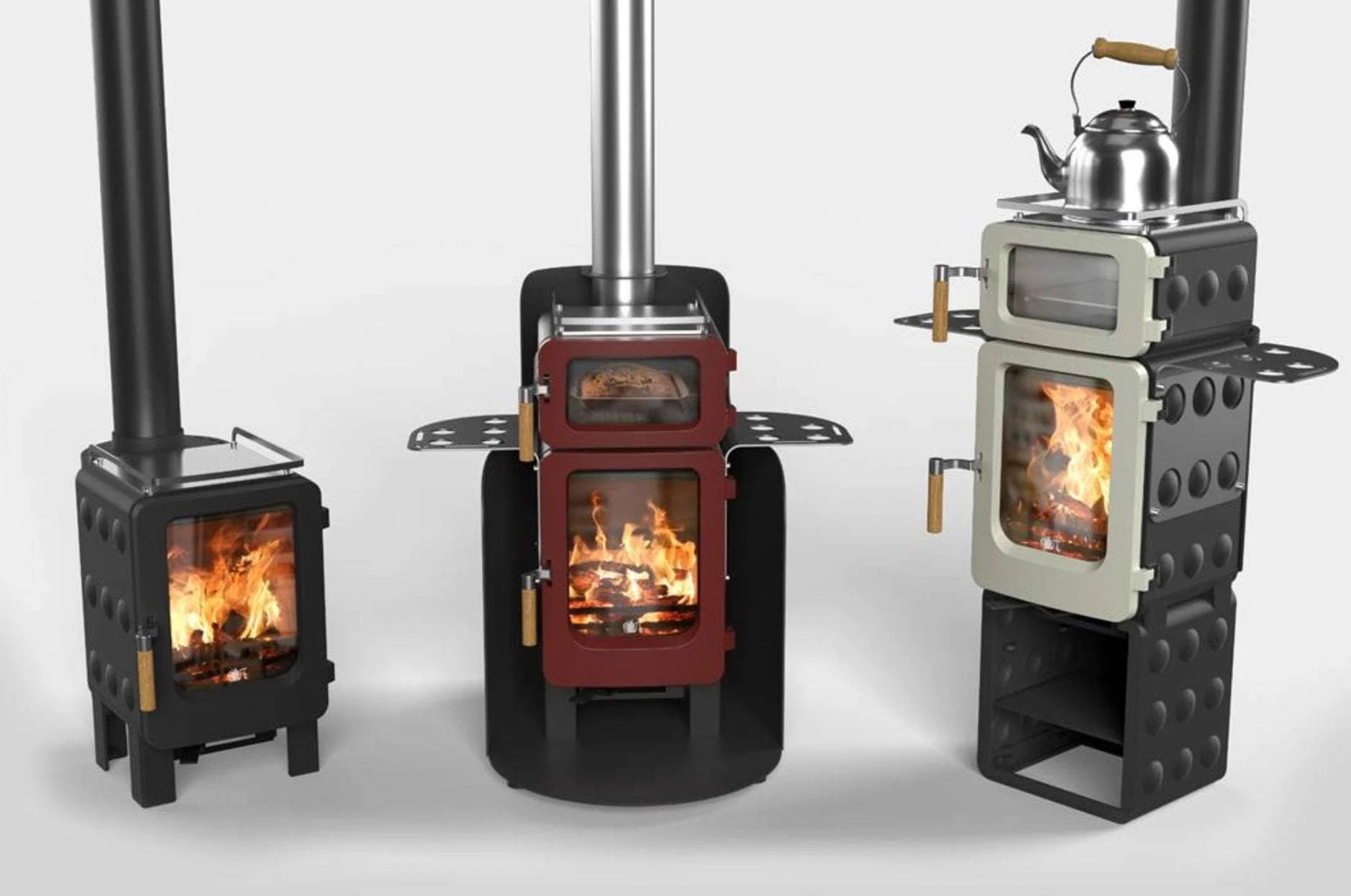
A wood-burning cook stove is a sophisticated piece of engineering designed to perform two distinct functions: space heating and food preparation. Unlike a standard wood stove designed solely for warmth, a cook stove manages heat distribution between a firebox, a large cooktop surface, and an integrated oven. In 2026, modern advancements have significantly bridged the gap between traditional off-grid utility and high-efficiency home heating.
When choosing a system, the first step is determining the primary intent. Is the stove intended to be the sole heat source for a 2,000-square-foot home, or is it a secondary appliance for a kitchen or cabin? This distinction dictates the size of the firebox and the overall footprint of the unit. A stove with a firebox that is too small will require frequent refueling, often every three to four hours, making it an unreliable primary heat source for overnight warmth. Conversely, a massive stove in a small, well-insulated space will lead to overheating, forcing you to run "cool" fires that result in rapid creosote buildup and poor efficiency.
Assessing Heating Capacity and Efficiency Standards
In the current regulatory landscape of 2026, efficiency is no longer optional. Most jurisdictions require stoves to meet strict particulate matter (PM) emission limits, typically below 2.0 grams per hour. When evaluating a system, look for the EPA certification label, which provides verified data on the stove's efficiency percentage.
BTU Output and Square Footage
Heating capacity is measured in BTUs. As a general rule, a stove producing 35,000 to 50,000 BTUs can heat a medium-sized, well-insulated home (1,200 to 1,800 square feet). However, cook stoves are unique because a portion of those BTUs is diverted to the oven and cooktop.
To choose correctly, calculate your home’s heat loss based on insulation quality and climate zone. In colder northern latitudes, you may need a stove with a larger firebox that can accommodate 20-inch logs, providing a longer "burn cycle." The burn cycle is the duration a stove can maintain a meaningful heat output on a single load of wood. Modern "airtight" cook stoves can achieve burn times of 8 to 12 hours, a significant improvement over the 4-hour cycles of antique models.
Efficiency and Secondary Combustion
High-efficiency systems utilize secondary combustion—a process where preheated air is introduced into the top of the firebox to burn off smoke and gases that would otherwise escape up the chimney. This not only provides more heat from less wood but also keeps the oven glass cleaner and reduces the risk of chimney fires. When choosing a system, prioritize those with insulated fireboxes and air-wash systems for the glass doors.
Evaluating Oven Performance and Cooking Features
The "cook" in a wood cook stove relies on the appliance's ability to regulate oven temperatures and provide consistent heat across the cooktop. This is where technical design separates premium systems from entry-level models.
The Oven Bypass Damper
One of the most critical features to look for is a high-quality oven bypass damper. When you first start a fire, the damper is opened to allow smoke to go directly up the chimney, establishing a strong draft. Once the fire is established, you close the damper, forcing the hot gases to circulate around the oven before exiting the flue. Systems with heavy-duty, stainless steel dampers are preferable, as they resist warping under high heat, ensuring a tight seal that maintains precise oven temperatures.
Cooktop Materials
Most cooktops are made of either polished cast iron or heavy-gauge steel. Cast iron is the traditional choice; it has high thermal mass, meaning it stays hot for a long time after the fire dies down. However, it requires seasoning with oil to prevent rust. Some modern systems feature "bullseye" covers—removable concentric rings that allow you to place a pot directly over the flames for high-heat searing.
Oven Volume and Features
Standard wood stove ovens vary significantly in size. If you plan to bake bread or roast large turkeys, look for an oven volume of at least 2.0 cubic feet. Furthermore, check for an integrated thermometer. While many stoves include a thermometer on the oven door, these measure the temperature of the glass or the air near the door; high-end systems often include probe thermometers that provide a more accurate reading of the internal baking environment.
Material Selection: Cast Iron vs. Plate Steel
The durability and heat retention of your stove depend on its construction material. In 2026, the industry is split between traditional cast iron and modern plate steel.
Cast Iron Construction
Cast iron is poured into molds, allowing for ornate designs and thick sections that hold heat exceptionally well. The primary advantage of a cast iron system is its "radiant" heat quality, which feels softer and more consistent. However, cast iron stoves are composed of multiple panels joined with furnace cement. Over years of heating and cooling cycles, this cement can crack, requiring "re-gasketing" or rebuilding to remain airtight.
Plate Steel Construction
Plate steel stoves are made from large sheets of steel welded together. These units are inherently airtight because they have fewer seams. Steel heats up faster than cast iron, which is beneficial for quick morning coffee, but it also cools down faster once the fire goes out. Many modern high-end cook stoves use a hybrid approach: a welded steel body for airtight integrity and cast iron doors and cooktops for durability and heat retention.
Installation Requirements and Safety Clearances
A wood-burning cook stove is not a standalone purchase; it is a system that includes the hearth, the chimney, and the ventilation. Improper installation is the leading cause of poor performance and house fires.
- Floor Protection (The Hearth): Most cook stoves require a non-combustible floor protector that extends 16 to 18 inches in front of the loading door and 8 inches on the sides. The "R-value" (thermal resistance) required for the hearth varies by stove; some modern insulated stoves only require "ember protection," while older designs may require a significant thermal barrier of brick or stone.
- Clearances to Combustibles: Cook stoves radiate heat from all sides. Standard clearances for unlisted stoves can be as high as 36 inches from walls. However, many modern stoves are "listed" with specific testing (such as UL 1482), allowing for reduced clearances—sometimes as low as 6 inches—if heat shields are used.
- The Chimney System: A cook stove requires a dedicated "Class A" insulated chimney. The flue size must match the stove's outlet (usually 6 or 7 inches). An oversized chimney will cause the smoke to cool and stall, leading to "back-puffing" into the room and heavy creosote buildup. According to NFPA 211 standards, the chimney must extend at least 3 feet above the roof and be 2 feet higher than any part of the building within 10 feet.
Comparing Modern Cook Stove Categories
The following table compares the three most common types of wood-burning cook stove systems available in 2026 to help you narrow your choice.
| Feature | Airtight High-Efficiency | Traditional/Antique Style | Hydronic (Boiler) Models |
|---|---|---|---|
| Primary Use | Whole-home heat + baking | Supplemental heat + ambiance | Heat + Hot Water + Cooking |
| EPA Compliance | Fully Certified (<2.0g/hr) | Often Exempt/Lower efficiency | High Efficiency |
| Burn Time | 8 – 12 Hours | 2 – 5 Hours | 6 – 10 Hours |
| Heat Control | Precision air sliders | Slide dampers/manual knobs | Thermostatic controls |
| Fuel Efficiency | Very High (requires less wood) | Moderate to Low | High (captures waste heat) |
| Best For | Daily off-grid living | Occasional cabin use | Large estates/Radiant floors |
Cost Analysis and Return on Investment
Investing in a wood-burning cook stove system in 2026 involves significant upfront costs, but the long-term savings on utility bills can be substantial, especially in regions with high electricity or propane prices.
- Initial Purchase: A quality, EPA-certified wood cook stove typically costs between $4,500 and $9,000.
- Installation: Professional installation, including the chimney system and hearth pad, can add $2,000 to $4,500 to the total.
- Fuel Costs: If you have access to "free" wood from your own property, the ROI is realized within 3 to 5 years. If purchasing seasoned cordwood at 2026 market rates (approximately $350–$500 per cord), the ROI may take 7 to 10 years.
- Maintenance: Expect to spend $200 annually for a professional chimney sweep and $50 every few years for replacement gaskets and firebricks.
Frequently Asked Questions
Can I use a wood cook stove as my only source of hot water?
Yes, many systems can be fitted with a "water jacket" or a stainless steel coil. As the fire burns, water circulates through the coil and into a storage tank via a thermosiphon or a small pump. This can provide ample hot water for a household, though it requires specialized plumbing and pressure-relief valves for safety.
How do I control the oven temperature on a wood stove?
Temperature control is managed through a combination of the oven bypass damper and the primary air intake. To increase heat, you provide more oxygen to the fire; to maintain a steady baking temperature, you use the damper to route heat around the oven box. It takes practice to learn the "lag time" between adjusting the air and seeing the oven temperature move.
Is it difficult to clean a wood cook stove?
Cook stoves require more maintenance than standard wood stoves. Because the smoke is routed around the oven, soot can accumulate in the narrow passages (flue ways). Most cook stoves have "clean-out" doors located under the oven or on the side. These must be opened and scraped clean at least once a month during the heating season to ensure proper draft and oven performance.
Can I burn coal in a wood cook stove?
Only if the stove is specifically designed as a multi-fuel or "coal-burning" model. Coal burns much hotter than wood and requires a heavy cast iron grate with under-fire air. Burning coal in a stove designed only for wood can warp the firebox and void the warranty.
Does a wood cook stove require electricity?
Most standard wood cook stoves are purely mechanical and do not require electricity. This makes them ideal for emergency preparedness. However, some modern models feature optional electric blowers to help circulate room air or digital thermometers that may require batteries or a plug-in.
Final Recommendation for Buyers
Before making a final decision, visit a showroom to see the stove in person. Open the doors to feel the weight of the castings and operate the dampers to ensure they move smoothly without binding. For those living in modern, tightly sealed homes, ensure the system you choose has an Outside Air Kit (OAK). This allows the stove to draw combustion air from outdoors rather than competing with your kitchen exhaust fan, which can cause dangerous back-drafting of carbon monoxide.
If your goal is daily use and primary heating, prioritize an airtight, EPA-certified model with a large firebox. If you are looking for a nostalgic addition to a summer kitchen, a traditional cast iron reproduction may suffice. Regardless of the model, always hire a WETT (Wood Energy Technology Transfer) or CSIA (Chimney Safety Institute of America) certified professional for the installation to ensure your home remains safe and your insurance policy remains valid.
Image Gallery