Tesla Speed: 0-60 MPH Performance Across the 2026 Lineup
Tesla vehicles are defined by their rapid acceleration, a characteristic inherent to electric powertrains that provide instantaneous torque. Across the 2026 model lineup, acceleration times range from the ultra-high performance of the...
Tesla vehicles are defined by their rapid acceleration, a characteristic inherent to electric powertrains that provide instantaneous torque. Across the 2026 model lineup, acceleration times range from the ultra-high performance of the Model S Plaid to the more balanced efficiency of the Model 3 and Model Y variants. While performance can fluctuate based on battery state-of-charge, tire selection, and surface conditions, these figures represent the standard manufacturer-certified capabilities for current production models.
Contents
Understanding Acceleration in Electric Vehicles
The "0-60 mph" metric serves as the industry standard for evaluating the acceleration capabilities of a passenger vehicle. For internal combustion engines, reaching peak torque often requires the engine to climb to a specific RPM range, accompanied by mechanical delays from transmission shifts. Conversely, Tesla’s electric motors produce peak torque the instant the pedal is depressed.
This immediate power delivery results in a distinct physical sensation often described as "instant torque." Because electric motors do not require a multi-speed transmission to manage power bands, the power delivery is linear and uninterrupted. In the 2026 Tesla lineup, software-limited acceleration is often used to differentiate trim levels, meaning the physical hardware might be capable of higher output, but the electronic control unit (ECU) manages the power delivery based on the specific model’s market positioning.
Performance Breakdown by Model
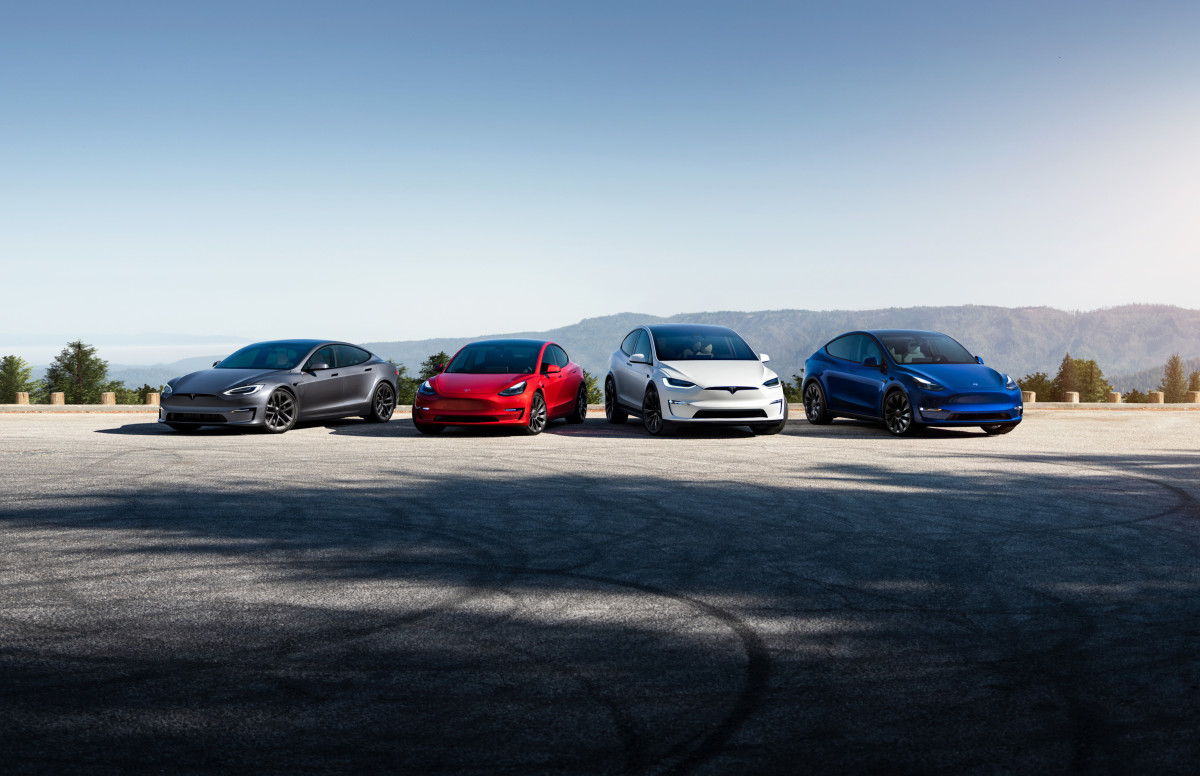
The 2026 lineup consists of the Model 3, Model Y, Model S, and Model X, along with the Cybertruck. Each vehicle utilizes a different motor configuration, ranging from single-motor rear-wheel drive (RWD) to tri-motor all-wheel drive (AWD) systems.
The Flagship: Model S and Model X
The Model S and Model X represent the pinnacle of Tesla’s performance engineering. The Model S Plaid, utilizing a tri-motor setup with carbon-sleeved rotors, remains the fastest-accelerating production vehicle in the lineup. The Model X, while significantly heavier due to its SUV form factor, utilizes the same Plaid powertrain technology to achieve supercar-level acceleration in a utility-focused package.
- Model S Plaid: Engineered for maximum power, it achieves 0-60 mph in 1.99 seconds, though this typically requires a "rollout" subtraction—a industry-standard practice where the clock starts after the vehicle has rolled forward approximately one foot.
- Model S (Dual Motor): Offers a balance between long range and performance, usually hitting the 60 mph mark in roughly 3.1 seconds.
- Model X Plaid: Despite its mass, the tri-motor configuration allows for a 0-60 mph time of 2.5 seconds.
The High-Volume Models: Model 3 and Model Y
The Model 3 and Model Y are designed for broader consumer appeal, focusing on a mix of efficiency, price, and daily-driver performance.
- Model 3 Performance: The top-tier trim for the sedan, focusing on track-ready suspension and high-output motors, achieves 0-60 mph in approximately 2.9 seconds.
- Model 3 Rear-Wheel Drive: The entry-level variant uses a single motor, typically resulting in a 0-60 mph time in the 5.8 to 6.0-second range.
- Model Y Performance: Utilizing a dual-motor AWD system, this variant is tuned for quick response, capable of reaching 60 mph in roughly 3.5 seconds.
- Model Y Long Range: This trim prioritizes energy efficiency and distance, with a 0-60 mph time of approximately 4.8 seconds.
The Cybertruck
The Cybertruck introduces a unique variable due to its steer-by-wire system and structural battery pack. The "Cyberbeast" tri-motor configuration is designed to rival the Model S Plaid in straight-line performance, achieving 0-60 mph in approximately 2.6 seconds. The dual-motor AWD version serves as the mid-range performance option.
Comparative Performance Specifications
The following table summarizes the estimated 0-60 mph times for the core Tesla models. Please note that performance can vary based on wheel size, tire compound, and battery state-of-charge.
| Model | Trim Level | 0-60 mph (Seconds) |
|---|---|---|
| Model S | Plaid | 1.99 |
| Model S | Dual Motor | 3.1 |
| Model X | Plaid | 2.5 |
| Model X | Dual Motor | 3.8 |
| Model 3 | Performance | 2.9 |
| Model 3 | Long Range | 4.2 |
| Model Y | Performance | 3.5 |
| Model Y | Long Range | 4.8 |
| Cybertruck | Cyberbeast | 2.6 |
Factors Influencing Real-World Acceleration
While manufacturer specifications provide a baseline, several variables impact whether a driver can replicate these times in daily conditions.
Battery State-of-Charge (SoC)
Lithium-ion batteries have a "voltage sag" characteristic as they deplete. At a high state of charge (above 80%), the battery can deliver higher peak power to the motors. As the battery level drops (below 20-30%), the Battery Management System (BMS) may restrict current to protect the cells, resulting in noticeably slower acceleration.
Temperature and Battery Conditioning
Electric vehicles perform best when the battery is within its optimal thermal range. If the car has been sitting in extreme cold, the battery may need to be preconditioned—warmed up via the onboard heater—before it can safely provide the full "burst" of power required for peak acceleration. Conversely, extremely high temperatures can also trigger thermal throttling to prevent degradation.
Tire Compound and Surface Traction
Acceleration is limited by the friction between the tire and the road. Tesla’s high-performance models generate immense torque that can easily overcome the traction limits of standard all-season tires. To achieve the advertised 0-60 times, the vehicle must be equipped with high-grip performance tires on a clean, dry surface. Launching on wet, icy, or uneven surfaces will cause the traction control system to intervene, cutting power to prevent wheel slip and inevitably increasing the 0-60 time.
Launch Mode and Technical Prerequisites
For the highest-performance models (Plaid variants), a specific "Launch Mode" is often required to achieve the advertised times. This process usually involves:
- Preparation: Selecting "Drag Strip Mode" via the touchscreen.
- Thermal Management: The vehicle adjusts the battery and motor cooling loops to reach the ideal temperature, which may take several minutes.
- The Launch: Holding the brake pedal firmly while simultaneously depressing the accelerator. The vehicle will then "squat" as the air suspension adjusts, signaling it is ready to launch once the brake is released.
Frequently Asked Questions
Does the 0-60 time change as the battery gets older? Generally, minimal degradation occurs in the motor's performance. However, as battery cells age over many years and thousands of miles, their ability to discharge power rapidly may slightly diminish, which could marginally increase 0-60 times compared to a brand-new vehicle.
Why does my Tesla feel slower when it is cold outside? Cold temperatures increase the internal resistance of the battery cells. The vehicle’s software will naturally restrict power output until the battery reaches its optimal operating temperature, which is why your Tesla might feel "sluggish" on a cold winter morning.
Does carrying passengers or cargo affect 0-60 acceleration? Yes. Adding significant weight requires more energy to overcome inertia. While the difference might be negligible for a single passenger, a fully loaded vehicle or heavy cargo will result in slower acceleration times due to the increased mass the motors must move.
Is it safe to use "Launch Mode" frequently? Frequent use of high-power launch modes places significant stress on the powertrain, suspension components, and tires. While the system is designed to handle these maneuvers, excessive use may lead to premature tire wear and increased mechanical strain on half-shafts and drivetrain components.
Next Steps for Owners
If you are looking to verify your vehicle’s performance, ensure your tires are properly inflated to the manufacturer’s recommended PSI found on the driver-side door pillar. If you intend to utilize launch features, check that your battery is charged above 80% and that the vehicle has had time to warm up. Always perform such tests in a safe, controlled, and legal environment, such as a sanctioned drag strip, to ensure both vehicle safety and compliance with local traffic laws.
Image Gallery