Merry Christmas in Brazil: Traditions, Celebrations, and Cultural Customs
Saying "Merry Christmas in Brazil"—or Feliz Natal—involves much more than just a greeting; it represents a vibrant fusion of Southern Hemisphere summer traditions, deep-rooted religious observances, and a unique blend of Portuguese, Eu...
Saying "Merry Christmas in Brazil"—or Feliz Natal—involves much more than just a greeting; it represents a vibrant fusion of Southern Hemisphere summer traditions, deep-rooted religious observances, and a unique blend of Portuguese, European, and indigenous cultural influences. Because Brazil is in the Southern Hemisphere, Christmas coincides with the peak of summer, transforming the typical winter aesthetic of traditional holiday imagery into a celebration characterized by warm weather, outdoor festivities, and late-night gatherings that often last until the early hours of Christmas Day.
Contents
Understanding the Brazilian Holiday Context
The Christmas season in Brazil is primarily characterized by its social and communal nature. While the official holiday occurs on December 25th, the heart of the celebration takes place on Christmas Eve, known as Véspera de Natal. Most families gather for a grand dinner (Ceia de Natal) on the night of December 24th, continuing the celebration until midnight, when it is common to exchange gifts and toast to the holiday.
Unlike countries where Christmas is synonymous with snow and indoor comfort, Brazil’s climate dictates a festive atmosphere defined by air conditioning, ceiling fans, and refreshing outdoor activities. Despite the heat, many Brazilians maintain European-derived decorations, such as Christmas trees (árvore de Natal) and complex Nativity scenes (presépio), which are considered a hallmark of the season, often tracing their history to the arrival of Franciscan friars in the 17th century.
Essential Traditions of the Ceia de Natal
The Ceia de Natal is the focal point of the holiday. While the menu can vary significantly by region—ranging from the Amazon in the north to the gaucho traditions of the south—several staples remain consistent across the country.
Typical Menu Components
- Perú (Turkey): As with many Western traditions, turkey is the centerpiece. It is often prepared with a variety of local tropical fruits, such as pineapple, peaches, and cherries, reflecting the agricultural abundance of the Brazilian summer.
- Arroz à Grega: A colorful rice dish mixed with raisins, carrots, and peas. This is a standard side dish that appears on almost every festive table.
- Farofa: A toasted cassava flour mixture, often sautéed with bacon, eggs, and onions. It is a quintessential Brazilian accompaniment that adds texture to the holiday meal.
- Bacalhau: Particularly in regions with strong Portuguese heritage, salt cod dishes remain a traditional favorite for the Christmas feast.
- Tropical Fruits: Since December falls during the summer harvest, seasonal fruits like mangoes, melons, and grapes are served as both decoration and dessert.
Timing and Etiquette
Dinner usually begins late, around 9:00 PM or 10:00 PM, and builds toward the midnight mark. The transition from December 24th to December 25th is the primary moment for gift-giving. It is customary for families to exchange gifts immediately after midnight, celebrating the birth of Jesus and the beginning of the holiday day.
The Cultural Significance of the Presépio
In Brazil, the presépio (Nativity scene) holds as much cultural weight as the Christmas tree. The tradition of setting up these dioramas is deeply rooted in Catholic history and remains a significant domestic project. Many families pride themselves on the complexity of their presépio, which often includes not only the central Holy Family but also miniature landscapes of mountains, rivers, and flora, sometimes incorporating local Brazilian fauna.
In some parts of the country, particularly in the Northeast, the Pastoril—a folk performance featuring characters who sing and dance to honor the birth of the Christ child—remains a vibrant part of the Christmas season. These performances serve as a bridge between religious devotion and local musical traditions, highlighting the intersection of faith and regional folklore.
Comparison of Brazilian Holiday Practices
The following table provides a high-level comparison between Brazilian customs and common Northern Hemisphere practices.
| Feature | Brazil (Southern Hemisphere) | Common Northern Hemisphere |
|---|---|---|
| Peak Season | Summer (Warm/Hot) | Winter (Cold/Snowy) |
| Main Event | Christmas Eve (Ceia de Natal) | Christmas Day (Lunch/Dinner) |
| Primary Gift Time | Midnight (December 24/25) | Morning of December 25 |
| Holiday Attire | Lightweight fabrics, casual | Winter coats, sweaters, formal |
| Outdoor Activity | Beach trips, late-night street parties | Indoor gatherings, snow activities |
Papai Noel and the Mythos of Giving
The Brazilian version of Santa Claus is known as Papai Noel. Much like his counterparts in other regions, he is depicted as a kindly figure in a red suit. However, in the context of the Brazilian heat, local advertisements and storytelling often humorously address the irony of Papai Noel wearing heavy fur-trimmed velvet in the 30°C+ temperatures of a Brazilian summer.
Despite the climate, the image of the gift-bringer remains a powerful symbol for children, and the act of shopping for gifts in large shopping centers is a major economic driver in Brazil throughout December. Retailers decorate extensively, and "Christmas lights" are a standard feature of both urban centers and suburban neighborhoods, creating a festive visual environment that offsets the lack of snow.
Practical Considerations for Travelers in 2026
If you are planning to spend the holidays in Brazil in 2026, there are several logistical aspects to consider regarding how local infrastructure operates during this period.
- Business Closures: December 25th is a national public holiday in Brazil. Almost all commercial establishments, banks, and government offices will be closed. Grocery stores typically close early on December 24th.
- Travel Demand: The weeks surrounding Christmas and New Year’s (known as Réveillon) represent the peak domestic tourism season. Expect high demand for flights, buses, and hotels, and plan your bookings at least three to six months in advance.
- Regional Variations: If you visit coastal cities like Rio de Janeiro, be prepared for a festive beach scene. It is common for locals to spend the morning of December 25th at the beach, which serves as a communal extension of the living room.
- Security and Crowds: Major metropolitan areas will see an increase in crowds during the shopping season. As with any high-traffic tourist period, remain vigilant regarding your personal belongings in high-density shopping districts.
Frequently Asked Questions
Is it common to have a Christmas tree in Brazil? Yes, the Christmas tree is ubiquitous in Brazil. While it is artificial due to the lack of native pine forests in many regions, the decoration of trees is a standard practice in homes, malls, and public squares.
What is the significance of the "Amigo Secreto" during the holidays? The Amigo Secreto (Secret Santa) is an essential social tradition in Brazil. It is practiced among friends, colleagues, and extended family throughout the month of December, acting as a prelude to the main gift-giving on Christmas Eve.
Do Brazilians attend church on Christmas? Catholicism remains the largest religious denomination in Brazil, and the Missa do Galo (Midnight Mass) is a widely attended tradition for many families before the late-night dinner begins.
What is the weather like in Brazil during Christmas? December in Brazil is the beginning of the summer season. You should expect high temperatures, frequent sunshine, and occasional heavy afternoon rain showers, especially in tropical regions.
Are there fireworks in Brazil on Christmas? While fireworks are most famously associated with New Year's Eve (Réveillon), it is not uncommon for families to set off smaller pyrotechnics at midnight on Christmas Eve, especially in residential neighborhoods.
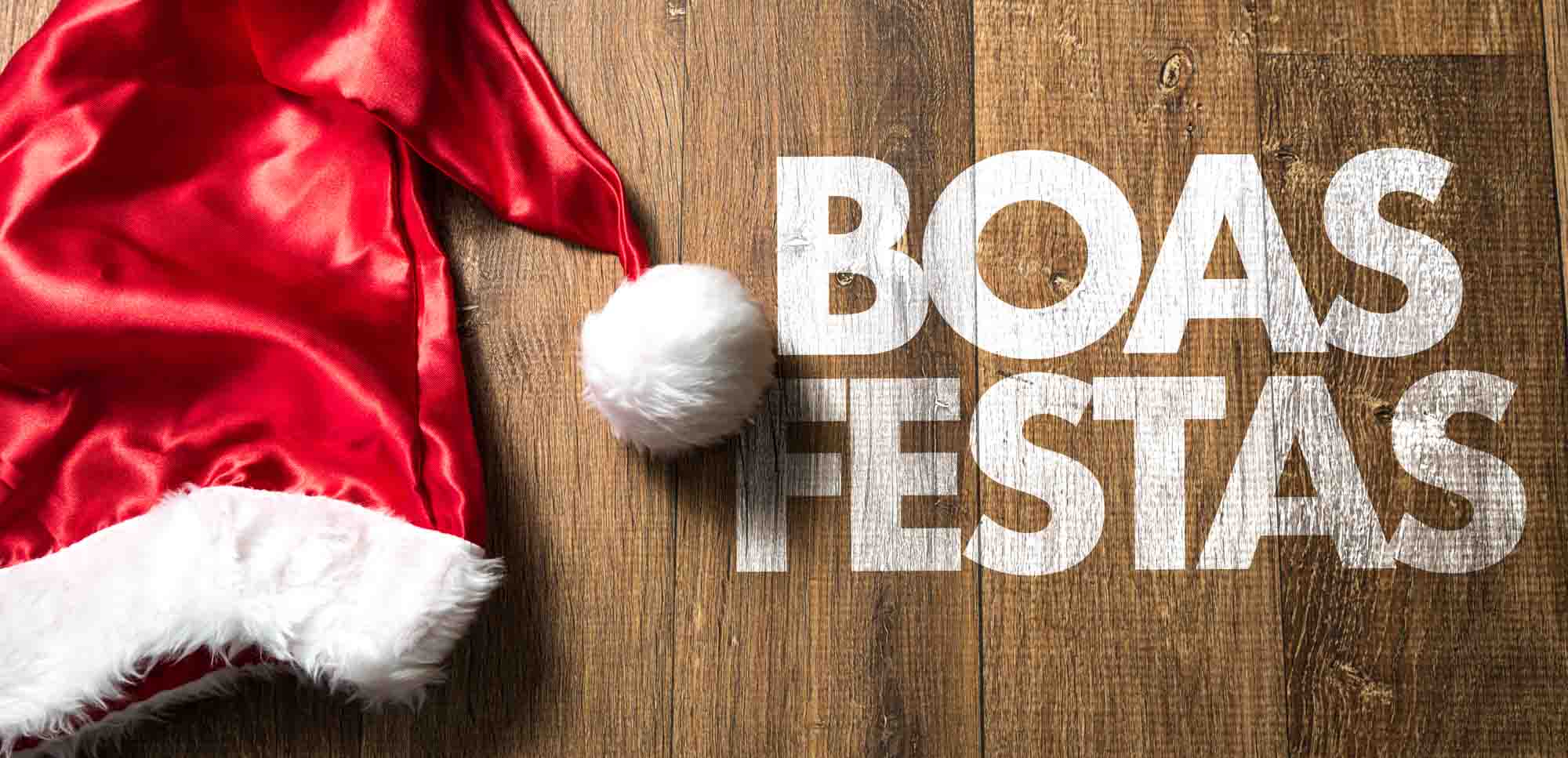
How do I wish someone a Merry Christmas in Portuguese? The standard greeting is "Feliz Natal." If you want to include "and a Happy New Year," the full phrase is "Feliz Natal e um próspero Ano Novo."
Final Recommendation for Visitors
To fully experience Christmas in Brazil, aim to immerse yourself in the social aspect of the Ceia de Natal. If you are invited to a Brazilian home, it is traditional to bring a small host gift—such as a bottle of wine, chocolates, or a floral arrangement. Remember that the holiday is built around late-night connection, so adjust your schedule to embrace the festive energy that continues well past midnight. By participating in the communal meal and respecting the local timing of the celebration, you will gain a deeper appreciation for the warmth and hospitality that define this season in the Southern Hemisphere.
Image Gallery