Dentists Who Do Payment Plans Explained: A Guide to Dental Financing in 2026
Dental payment plans are financing arrangements that allow patients to distribute the cost of oral healthcare over a series of monthly installments rather than paying the full balance upfront. These plans are typically facilitated thro...
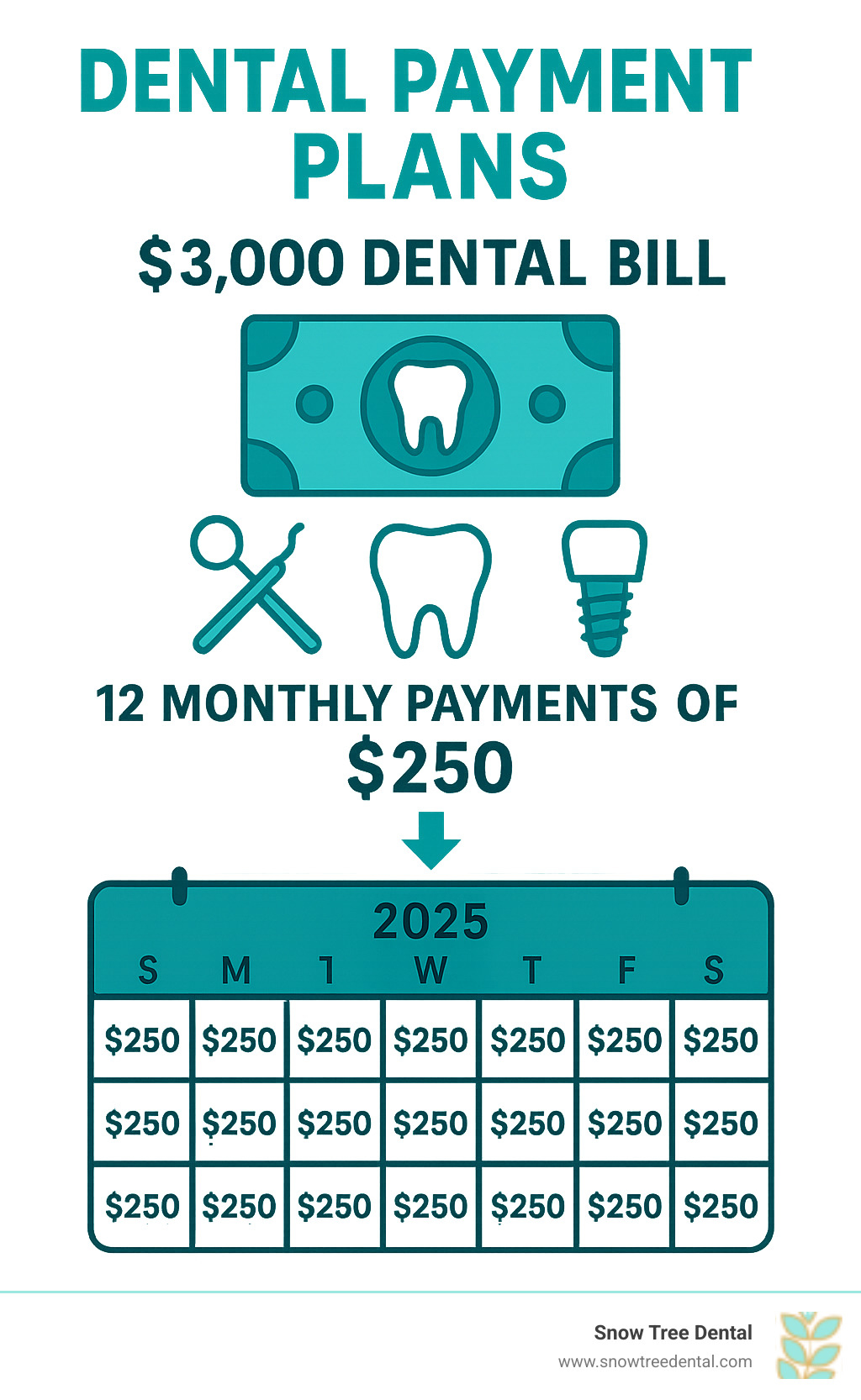
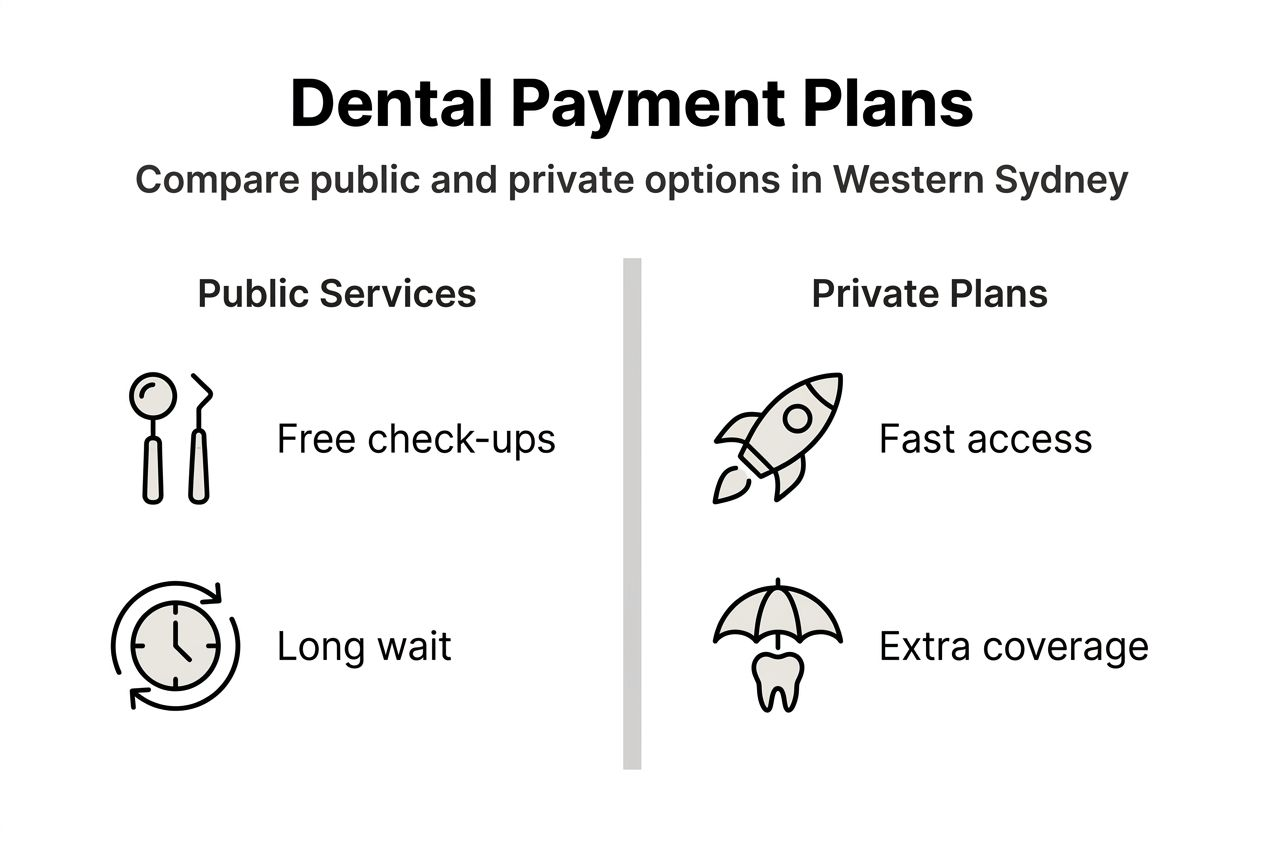
Dental payment plans are financing arrangements that allow patients to distribute the cost of oral healthcare over a series of monthly installments rather than paying the full balance upfront. These plans are typically facilitated through in-house office agreements, specialized medical credit cards, or third-party "Buy Now, Pay Later" (BNPL) providers, often featuring interest-free periods for those who qualify.
Contents
For many patients in 2026, the rising cost of advanced restorative and cosmetic procedures makes immediate payment a significant hurdle. Whether you are facing an emergency root canal or planning a full-mouth reconstruction, understanding the mechanics of dental financing is essential for maintaining both your oral health and your financial stability. This guide examines the different types of payment structures, eligibility requirements, and the technical details of how to navigate dental debt effectively.
Understanding the Two Main Types of Dental Payment Plans
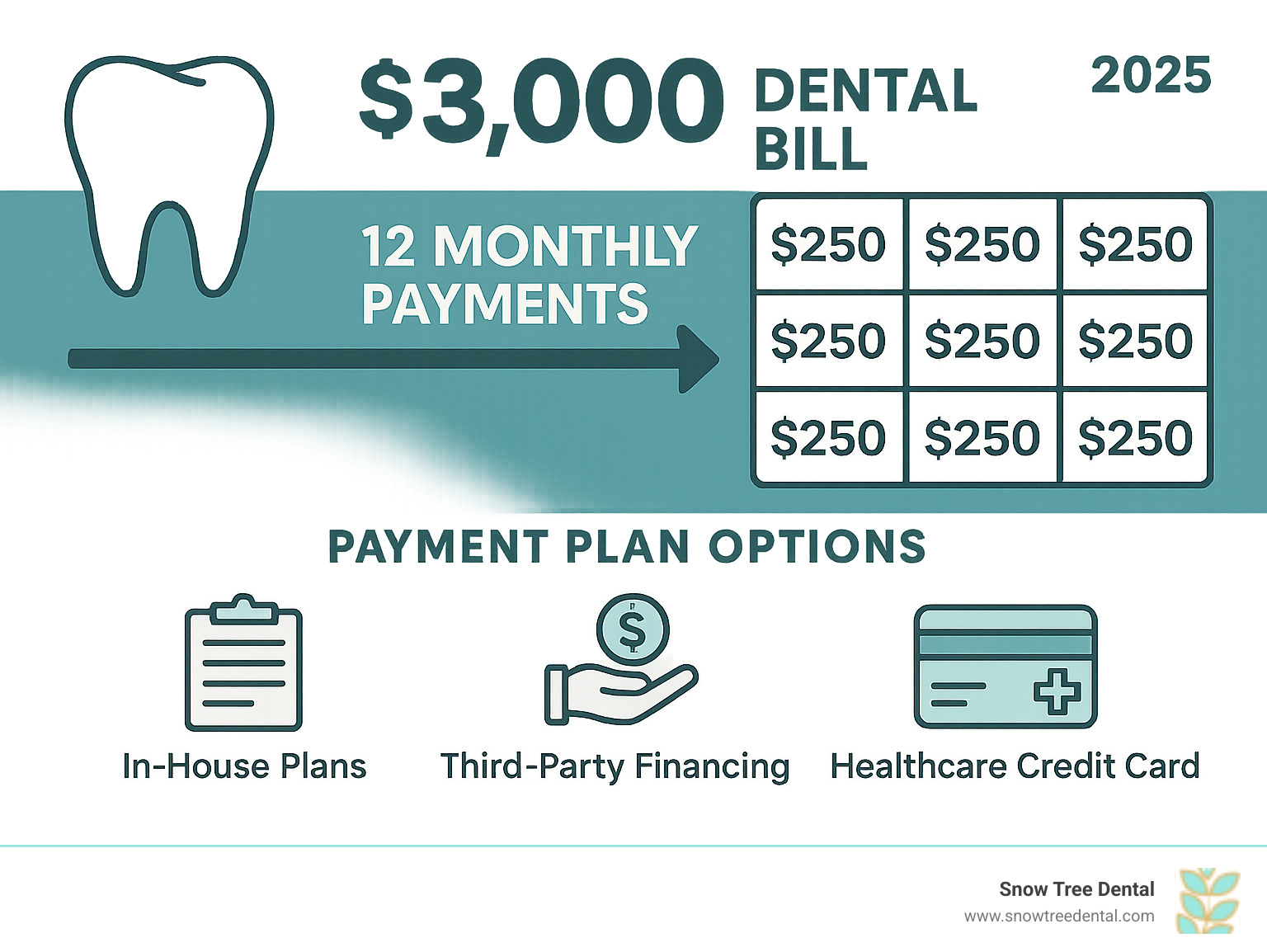
When looking for a dentist who offers payment plans, you will generally encounter two distinct structures: in-house financing and third-party financing. Each has a different impact on your credit, your monthly budget, and the total cost of your treatment.
In-House Dental Payment Plans
In-house plans are contracts made directly between the patient and the dental practice. In this scenario, the dentist acts as the lender. These plans are increasingly rare for major procedures because the dental office assumes all the financial risk if a patient defaults. However, they are still common for orthodontic treatments (like braces or clear aligners) where the treatment itself spans several years.
The advantage of in-house plans is that they often involve "soft" credit checks or no credit checks at all, making them accessible to patients with lower credit scores. The downside is that they usually require a significant down payment (often 20% to 50%) and are limited to the specific office where you started the plan.
Third-Party Financing Providers
The most common way dentists offer payment plans in 2026 is through third-party lenders. These are specialized financial institutions that pay the dentist in full on the day of your procedure, and you then repay the lender over time.
Prominent providers include:
- Medical Credit Cards: Traditional options like CareCredit or Wells Fargo Health Advantage.
- Fintech Installment Loans: Modern providers such as Sunbit, Cherry, and Affirm that integrate directly into the dentist’s check-out software.
- Traditional Personal Loans: Standard bank loans used for medical purposes.
The Mechanics of Interest and Deferred Interest
One of the most critical aspects of "dentists who do payment plans explained" is the concept of deferred interest. This is a common feature in medical financing that can lead to significant financial distress if misunderstood.
Many plans offer a "0% interest for 12 months" promotion. Under a standard interest-bearing loan, if you fail to pay the balance in full by the end of the term, you simply start paying interest on the remaining balance. However, with deferred interest, if even $1 remains on the balance after the promotional period expires, the lender may charge you interest on the full original amount from the date of purchase.
In 2026, regulatory scrutiny from the Consumer Financial Protection Bureau (CFPB) has forced lenders to be more transparent, but patients must still read the fine print of any "No Interest" offer to ensure they are not caught in a deferred interest trap.
Eligibility Requirements and Credit Implications
Most dental financing options require a credit application. The type of plan you choose determines how your credit is evaluated and how the debt is reported to credit bureaus.
Credit Score Thresholds
- Prime Financing (0% APR): Usually requires a FICO score of 680 or higher. These plans offer the best terms but have the strictest approval ratings.
- Subprime/Near-Prime Financing: Providers like Sunbit specialize in high approval rates (often over 85%) by utilizing proprietary AI to look at factors beyond just a credit score. These plans almost always carry an interest rate, which can range from 9.9% to 35.9% depending on risk.
Hard vs. Soft Credit Inquiries
Before applying, ask the dental office if the application involves a hard inquiry or a soft inquiry. A soft inquiry allows you to see your potential limit and interest rate without affecting your credit score. A hard inquiry, typically used for final approval on medical credit cards, may cause a temporary dip of 5 to 10 points in your score.
Comparison of Common Dental Financing Options in 2026
| Financing Type | Provider Examples | Typical Interest Rate (APR) | Credit Check Type | Best For |
|---|---|---|---|---|
| Medical Credit Card | CareCredit, Alphaeon | 0% (if paid in full) to 29.9% | Hard Inquiry | Recurring costs; patients with good credit. |
| Fintech BNPL | Sunbit, Cherry, Affirm | 0% to 36% | Soft Inquiry (Initial) | Emergency care; patients with mid-range credit. |
| In-House Membership | Plan Forward, Kleer | N/A (Membership Fee) | None | Preventive care and discounts on major work. |
| Orthodontic In-House | Individual Practices | 0% | No/Soft Inquiry | Braces and long-term alignment treatments. |
How to Find and Verify a Dentist Offering Payment Plans
Not every dental office advertises their financing options on their homepage. Finding the right provider requires a proactive search and specific verification steps.
- Use Provider Locators: Major lenders like CareCredit and LendingClub have "Provider Locators" on their websites. Searching these directories ensures the dentist is already set up to accept that specific form of financing.
- Search Specific Keywords: Instead of a generic search, use terms like "dentist with Sunbit financing [City Name]" or "dental office with monthly payment plans."
- The "Office Manager" Interview: Before booking an appointment, call the office and ask to speak with the financial coordinator or office manager. Ask:
- "Do you offer 0% interest financing for 12 or 24 months?"
- "Which third-party lenders do you work with?"
- "Do you offer any in-house discounts for patients without insurance?"
- Check for Membership Plans: Many dentists in 2026 have moved toward a subscription-based model. For a monthly fee (e.g., $30–$50), you receive all preventive care (cleanings, X-rays) and a guaranteed discount (usually 15%–25%) on all other procedures. This is often more cost-effective than high-interest financing.
Potential Pitfalls and Common Mistakes
While payment plans make care accessible, they are legal financial obligations. Patients often make the following mistakes:
- Over-borrowing: Just because you are approved for $10,000 does not mean you should spend it all on elective cosmetic work if your budget only supports a $200 monthly payment.
- Ignoring Insurance Coordination: If you have dental insurance, ensure the office files the claim before you finalize the financing amount. You should only finance the "patient responsibility" portion to avoid paying interest on funds that insurance would have covered.
- Missing Payments: Late payments on medical credit cards often trigger the immediate end of a 0% interest period, jumping the rate to the maximum legal limit (often 29.9% or higher).
Alternatives to Traditional Payment Plans
If you cannot qualify for a payment plan or find the interest rates too high, consider these alternatives:
- Dental Schools: University-run dental clinics offer high-quality care at a fraction of the cost. While they rarely offer long-term payment plans, the base price is often low enough to pay out-of-pocket.
- HSA/FSA Funds: Health Savings Accounts and Flexible Spending Accounts allow you to use pre-tax dollars for dental work. This is effectively a 20-30% discount depending on your tax bracket.
- Federally Qualified Health Centers (FQHCs): These clinics offer "sliding scale fees" based on your income. They are designed specifically for patients with financial hardship.
Frequently Asked Questions
Can I get a dental payment plan with bad credit?
Yes, but your options will be more limited. Look for offices that use Sunbit or Cherry, as these providers focus more on your current income and banking history than just a FICO score. Additionally, in-house membership plans do not usually require credit checks.
Do payment plans cover cosmetic dentistry like veneers?
In most cases, yes. Third-party financing companies do not usually distinguish between "medically necessary" and "cosmetic" procedures. As long as the dentist is a partner with the lending company, you can finance veneers, whitening, or dental implants.
Is it better to use a personal credit card or a dental loan?
Usually, a dedicated dental loan or medical credit card is better if you qualify for a 0% interest period. Standard credit cards often have APRs between 18% and 24% from day one. However, if the dental plan involves "deferred interest" and you aren't sure you can pay it off in time, a standard credit card might actually be safer.
What happens if I miss a payment on my dental plan?
Missing a payment can result in late fees, a negative report to credit bureaus, and the loss of any promotional 0% interest rates. If you are struggling to make a payment, contact the lender immediately; many have "hardship programs" to prevent default.
Are there interest-free dental plans without a credit check?
These are very rare and are almost exclusively "In-House" plans. Some dentists may allow you to split a payment into two or three parts (e.g., 50% at the start and 50% at completion) without a credit check, but long-term interest-free financing usually requires a credit evaluation.
Practical Recommendation
Before signing any financing agreement in 2026, request a printed treatment plan that shows the total cost of the procedure, the amount being financed, the interest rate, and the exact monthly payment. Compare this against your monthly disposable income. If the monthly payment exceeds 10% of your take-home pay, consider phased treatment—where you complete the most urgent work now and save for the rest later—to avoid over-extending your credit.
Image Gallery