Comprehensive Guide to the 911 Responders Bill: Benefits, Eligibility, and Legislative Updates for 2026
The "911 responders bill" refers primarily to the James Zadroga 9/11 Health and Compensation Act and its subsequent reauthorizations. These federal laws establish and fund the World Trade Center (WTC) Health Program for medical treatme...
The "911 responders bill" refers primarily to the James Zadroga 9/11 Health and Compensation Act and its subsequent reauthorizations. These federal laws establish and fund the World Trade Center (WTC) Health Program for medical treatment and the September 11th Victim Compensation Fund (VCF) for financial restitution, ensuring lifelong support for responders and survivors through 2090.
Contents
The Legislative Foundation: Evolution of the Zadroga Act
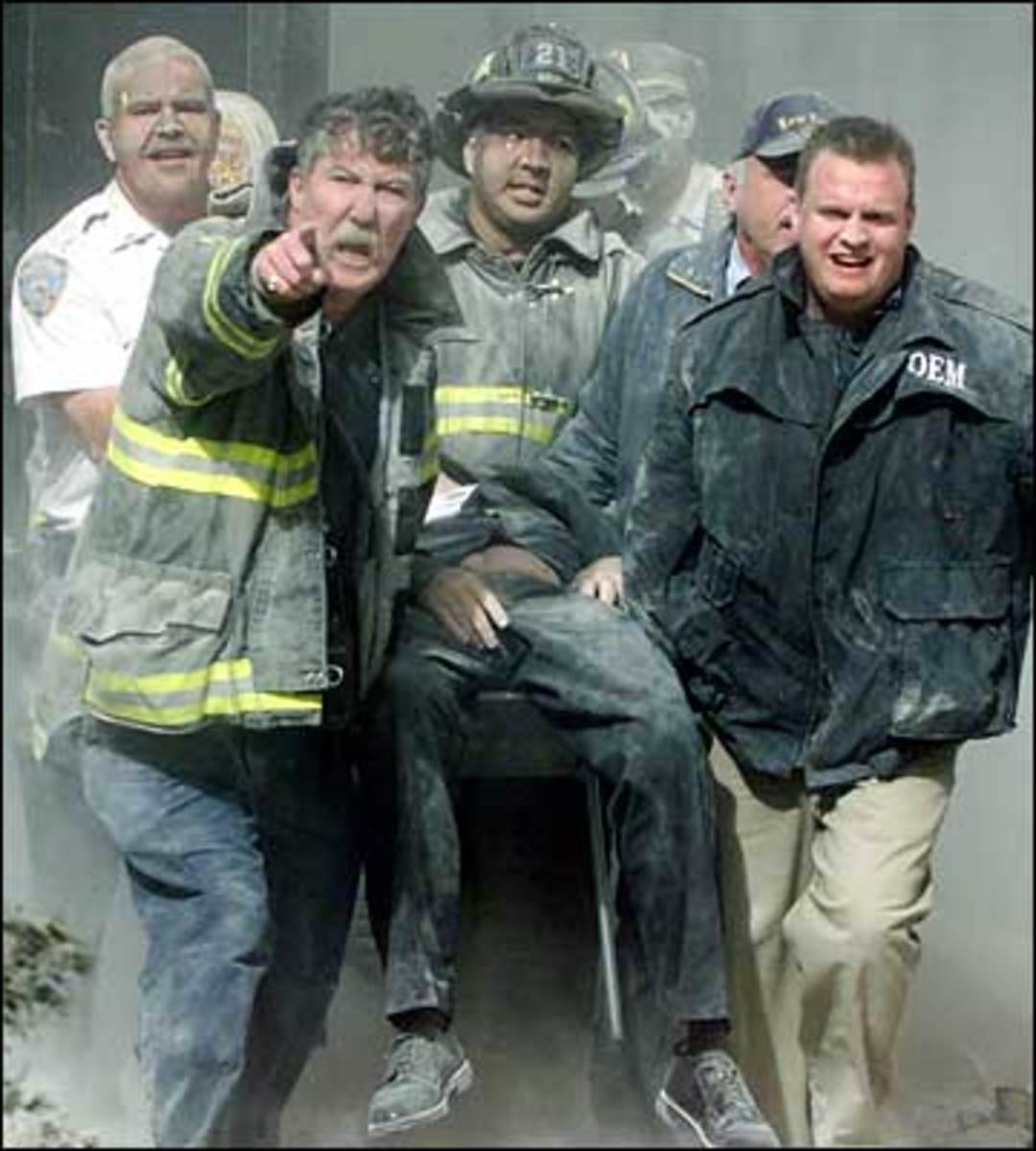
The legal framework supporting those affected by the September 11 terrorist attacks has evolved significantly over the last two decades. Originally, the federal government established a temporary fund shortly after the attacks, but it became clear that the toxic dust at Ground Zero, the Pentagon, and the Shanksville site caused long-term, latent illnesses that didn't manifest until years later.
In 2010, Congress passed the James Zadroga 9/11 Health and Compensation Act, named after an NYPD detective who died of respiratory disease linked to his work at Ground Zero. This landmark legislation created the World Trade Center Health Program (WTCHP) and reopened the Victim Compensation Fund (VCF). However, these programs initially had limited durations and funding caps.
As the health crisis deepened, advocacy by first responders and celebrities led to the 2015 Reauthorization, which extended the health program for 75 years. This was followed by the transformative "Never Forget the Heroes: James Zadroga, Ray Pfeifer, and Luis Alvarez 9/11 Victim Compensation Fund Act" in 2019. This bill effectively made the VCF permanent, authorizing it to pay claims through October 1, 2090, and ensuring that the funding would not run out as it nearly did in early 2019. As we stand in 2026, these programs remain the bedrock of support for the 9/11 community, though legislative efforts continue to focus on closing funding gaps in the health program caused by medical inflation and rising enrollment.
The World Trade Center (WTC) Health Program
The WTC Health Program is a federal healthcare program managed by the National Institute for Occupational Safety and Health (NIOSH). It provides no-cost medical monitoring and treatment for emergency responders, recovery workers, and survivors (residents, students, and local workers) who were exposed to toxins in the aftermath of the attacks.
Medical Monitoring and Treatment
For responders, the program provides annual monitoring exams even if they are currently healthy. This is critical because many 9/11-related conditions, particularly cancers, have long latency periods. If a participant develops a "certified condition," the program pays for all medically necessary treatment, including doctor visits, surgery, radiation, and prescription drugs.
Certified Health Conditions
Not every ailment is covered under the 911 responders bill. To receive care, a condition must be "certified" by the program. As of 2026, the list of covered conditions includes:
- Acute Traumatic Injuries: Including fractures and head injuries sustained during the initial response.
- Airway and Digestive Disorders: Such as asthma, Chronic Obstructive Pulmonary Disease (COPD), Sleep Apnea, and Gastroesophageal Reflux Disease (GERD).
- Cancers: Over 70 types of cancer are covered, including lung, prostate, breast, skin (melanoma and non-melanoma), and various blood cancers like leukemia and multiple myeloma.
- Mental Health Conditions: Including Post-Traumatic Stress Disorder (PTSD), depression, and anxiety disorders.
The September 11th Victim Compensation Fund (VCF)
While the WTCHP provides healthcare, the VCF provides financial compensation. This program is designed to compensate individuals (or personal representatives of deceased individuals) for physical injuries or deaths resulting from exposure to toxins during the rescue, recovery, and debris removal efforts.
Types of Compensable Losses
The VCF categorizes awards into two primary types:
- Non-Economic Loss: Often referred to as "pain and suffering." The VCF has statutory caps on these awards (e.g., $250,000 for a cancer diagnosis), though multiple conditions may impact the final calculation.
- Economic Loss: This covers lost earnings, loss of employment benefits, and out-of-pocket medical expenses related to the certified condition. For responders who were forced into early retirement or disability, economic loss awards can be substantial.
The 2090 Deadline and Registration
A common misconception is that the deadline to file has passed. While there are specific timelines for registration (notifying the VCF that you might file a claim in the future) based on when a condition is certified, the fund itself is authorized to accept claims until October 1, 2090. This ensures that those who develop 9/11-linked diseases later in life still have a pathway to financial support.
Eligibility Requirements for Responders and Survivors
To qualify for benefits under the 911 responders bill, an individual must meet specific criteria regarding their location and the timing of their presence at the sites.
| Eligibility Factor | Responders (FDNY, NYPD, Construction, etc.) | Survivors (Residents, Workers, Students) |
|---|---|---|
| Location | Ground Zero, NYC Morgues, Fresh Kills Landfill, Pentagon, or Shanksville, PA. | The "NYC Exposure Zone" (Manhattan south of Canal Street and certain areas in Brooklyn). |
| Timeframe | Presence between Sept. 11, 2001, and July 31, 2002. | Presence between Sept. 11, 2001, and July 31, 2002. |
| Condition Requirement | Must have a physical health condition certified by the WTCHP. | Must have a physical health condition certified by the WTCHP. |
| Proof of Presence | Employment records, deployment orders, or sworn affidavits. | Leases, utility bills, school transcripts, or employer records. |
The "NYC Exposure Zone"
The exposure zone for survivors is generally defined as the area of Manhattan south of Canal Street from the Hudson River to the East River. It also includes any area of Brooklyn that was within the dust cloud on September 11. Responders have slightly different geographic criteria based on where they performed recovery or debris removal duties.
Step-by-Step Guide to Accessing Benefits
Navigating the federal bureaucracy can be daunting. In 2026, the process generally follows a three-step sequence:
Step 1: Enrollment in the WTC Health Program
The first step is applying to the WTC Health Program. You must provide documentation proving you were at the site during the required timeframe. Once enrolled, you will undergo a monitoring exam (for responders) or a baseline screening (for survivors).
Step 2: Medical Certification
A program doctor must determine that your illness is "at least as likely as not" caused by 9/11 exposure. Once the doctor makes this determination, the claim is sent to NIOSH for official certification. This certification is the "golden ticket" required to proceed to the VCF.
Step 3: VCF Registration and Claim Filing
Once you have a certified physical condition, you must register with the Victim Compensation Fund. Registration is not the same as filing a claim; it simply preserves your right to file. After registering, you submit a formal claim with documentation regarding your economic losses and the impact of the illness on your life.
Common Challenges and Troubleshooting
Despite the permanent funding of the VCF, applicants often face hurdles during the process.
Latent Health Issues
One of the biggest challenges in 2026 is the emergence of new, latent health issues. Science continues to evolve regarding the long-term effects of the dust. If you are already enrolled for one condition (like GERD) but develop a new one (like Prostate Cancer), you must ensure the new condition is added to your WTCHP certification and updated in your VCF claim.
Proving Presence
For many, proving they were south of Canal Street 25 years ago is difficult. Official records are preferred, but the VCF and WTCHP do accept "Sworn Affidavits" from coworkers, supervisors, or neighbors who can attest to your presence. The "Contemporaneous Documents" rule is vital—any document dated from 2001-2002 that places you in the zone is highly valuable.
Denied Claims and Appeals
If a claim is denied, there is an appeals process. For the WTCHP, you can appeal the denial of enrollment or the denial of a specific condition certification. For the VCF, you can request a "Hearing" where you or your legal representative can present testimony to a Hearing Officer to contest the award amount or the eligibility decision.
The 2026 Outlook: Funding and Legislative Updates
As of 2026, the VCF remains on solid financial footing due to the 2019 permanent authorization. However, the World Trade Center Health Program has faced recurring budget shortfalls. Because the cost of healthcare and the number of participants (especially those with complex cancers) have risen faster than anticipated, Congress has had to pass supplemental funding bills, such as the 9/11 Responder and Survivor Health Program Reauthorization Act.
Advocates in 2026 continue to monitor the WTCHP's "deferred inventory" of claims and the wait times for initial screenings. While the "911 responders bill" is essentially settled law, the administrative execution requires constant vigilance from the community to ensure that "Never Forget" remains a financial and medical reality rather than just a slogan.
Frequently Asked Questions
Can I still apply for the 911 responders bill benefits in 2026?
Yes. The WTC Health Program and the Victim Compensation Fund are both open and authorized to operate until 2090. If you were present in the exposure zone and have a newly diagnosed condition that is on the covered list, you are eligible to apply.
What is the difference between the WTCHP and the VCF?
The WTC Health Program (WTCHP) provides medical treatment and monitoring. The Victim Compensation Fund (VCF) provides monetary compensation for the impact the illness has had on your life and finances. You must generally be certified by the WTCHP before you can receive compensation from the VCF.
Does the 911 responders bill cover mental health?
The WTCHP provides full medical treatment for certified mental health conditions like PTSD and depression. However, the VCF generally does not provide financial compensation for mental health conditions alone; the law requires a certified physical health condition for a VCF payout.
Are family members of deceased responders eligible?
Yes. If a responder or survivor died from a 9/11-related condition, their "Personal Representative" can file a wrongful death claim with the VCF. There are specific deadlines for these claims, usually within two years of the date of death or two years from the date the condition was added to the covered list.
Do I need a lawyer to file a claim?
No, you are not required to have a lawyer. However, many claimants find the process complex, especially regarding the calculation of economic losses and the gathering of old employment records. Many law firms specialize in these claims and work on a contingency fee basis, which is capped by federal law at 10%.
Practical Recommendations
If you believe you are eligible for benefits under the 911 responders bill, your first action should be to gather "Proof of Presence" documents from 2001 and 2002. Even if you are currently healthy, responders should enroll in the WTC Health Program for annual monitoring; early detection of cancer is the most significant factor in survival. If you are already ill, do not delay the registration process with the VCF, as there are strict two-year windows for registration following the certification of a new condition. Stay informed through official channels like the NIOSH and VCF websites to track any changes in covered conditions or legislative funding updates.
Image Gallery