Is Concrete Foundation Repair in Savannah, GA Worth the Cost?
Concrete foundation repair in Savannah, Georgia, is a vital investment that yields a high return on objective property value and structural longevity. Due to the region's coastal soil composition and high water table, ignoring foundati...
Concrete foundation repair in Savannah, Georgia, is a vital investment that yields a high return on objective property value and structural longevity. Due to the region's coastal soil composition and high water table, ignoring foundation issues typically leads to compounding costs, structural instability, and a significant decrease in resale value, often exceeding 20% of the home's total worth.
Contents
The decision to repair a foundation in the Savannah "Lowcountry" involves more than just fixing a few cracks in the concrete. It is a strategic move to protect one of your most significant assets against the unique geological and climatic pressures of Coastal Georgia. As we move through 2026, the Savannah real estate market continues to demand high standards for structural integrity, making foundation health a non-negotiable factor for homeowners and investors alike.
The Unique Geology of Savannah and Its Impact on Foundations
To understand if the cost is worth it, one must first understand why Savannah foundations fail more frequently than those in the Piedmont or Appalachian regions of the state. Savannah sits on the Atlantic Coastal Plain, characterized by a complex mixture of alluvial deposits, marsh mud, and expansive clays.
The Role of Expansive Clay
Many neighborhoods in Savannah and surrounding areas like Pooler and Richmond Hill are built atop layers of expansive clay. These clays act like a sponge; they swell significantly when saturated by Savannah’s frequent heavy rains and tropical systems, then shrink and crack during the hot, dry summer months. This constant "shrink-swell" cycle exerts tremendous hydrostatic pressure on concrete slabs and footings. Over time, this movement causes the concrete to snap or "settle" unevenly.
The High Water Table and Soil Erosion
Savannah’s proximity to the Savannah and Ogeechee Rivers, combined with its low elevation, results in a very high water table. Hydrostatic pressure from rising groundwater can force water through microscopic pores in concrete, leading to efflorescence, rebar corrosion, and eventually, structural spalling. Furthermore, the sandy components of local soil are prone to "washouts" during storm surges or heavy localized flooding, leaving voids beneath concrete slabs that provide no support, leading to sudden subsidence.
Analyzing the Real Cost of Foundation Repair in 2026
The cost of foundation repair in Savannah is rarely a flat fee. In 2026, pricing is dictated by the depth of the stable soil strata, the weight of the structure, and the specific technology required to stabilize the earth.
Standard Repair Pricing Tiers
While every home requires a custom engineering load calculation, the following table outlines the estimated costs for common foundation interventions in the Savannah area for the 2026 calendar year.
| Repair Method | Purpose | Estimated Cost Range (USD) | Expected Lifespan |
|---|---|---|---|
| Epoxy/Polyurethane Injection | Sealing non-structural hairline cracks | $800 – $2,500 | 5–10 Years |
| Helical Pier Installation | Stabilizing light structures/porches in sandy soil | $1,800 – $3,000 per pier | Lifetime (Transferable) |
| Steel Push Piers | Deep stabilization for heavy residential loads | $2,200 – $4,500 per pier | Lifetime (Transferable) |
| Slab Jacking (Polyjacking) | Lifting sunken interior concrete slabs | $3,000 – $7,500 | 10–15 Years |
| Crawl Space Encapsulation | Moisture control to prevent masonry decay | $6,000 – $18,000 | 15–20 Years |
Variables Affecting Savannah Estimates
- Depth to Competent Strata: In parts of the Savannah Historic District, stable soil might be 20 feet down. In marshier areas toward Tybee Island or Skidaway Island, piers may need to be driven 50 to 70 feet deep to find the necessary torque, significantly increasing material costs.
- Access Constraints: Savannah’s historic homes often feature narrow alleys and tight property lines. If heavy hydraulic machinery cannot reach the perimeter, manual labor or specialized compact equipment increases the project duration and cost.
- Permitting and Historic Board Approval: If your property is within the Savannah Historic Landmark District, any structural modification may require review by the Metropolitan Planning Commission (MPC), adding administrative costs and specific material requirements.
The Return on Investment (ROI): Why It Is "Worth It"
When evaluating the cost, homeowners must look at the "hidden" financial benefits of immediate repair versus the "decay" costs of procrastination.
Preserving Home Equity
In the 2026 real estate market, transparency in structural health is paramount. Most buyers use specialized inspectors who look specifically for the "Savannah Lean." A home with documented foundation issues that have not been professionally remediated will struggle to clear a standard home inspection. This often results in "fire sale" pricing or the loss of conventional financing options for the buyer, forcing the seller to accept cash offers at a 15% to 25% discount.
Preventing Collateral Damage
Foundation movement is never an isolated event. As the concrete base shifts, the rest of the house reacts. Common secondary damages include:
- Plumbing Failures: As the slab moves, the rigid PVC or copper pipes buried within or beneath it can shear, leading to massive under-slab leaks that are incredibly expensive to locate and repair.
- Roofing Stress: A shift in the foundation translates up the load-bearing walls to the roof trusses. This can cause roofing shingles to buckle or gaps to open in the flashing, leading to water intrusion.
- Cosmetic Ruin: Hardwood floors buckle, expensive tile cracks, and cabinetry pulls away from the walls. The cost of replacing these high-end finishes often exceeds the cost of the foundation repair itself.
Modern Repair Technologies for the Lowcountry
In 2026, the technology used for foundation repair in Coastal Georgia has become more precise, allowing for less invasive procedures that protect the surrounding landscape.
Helical Piers vs. Push Piers
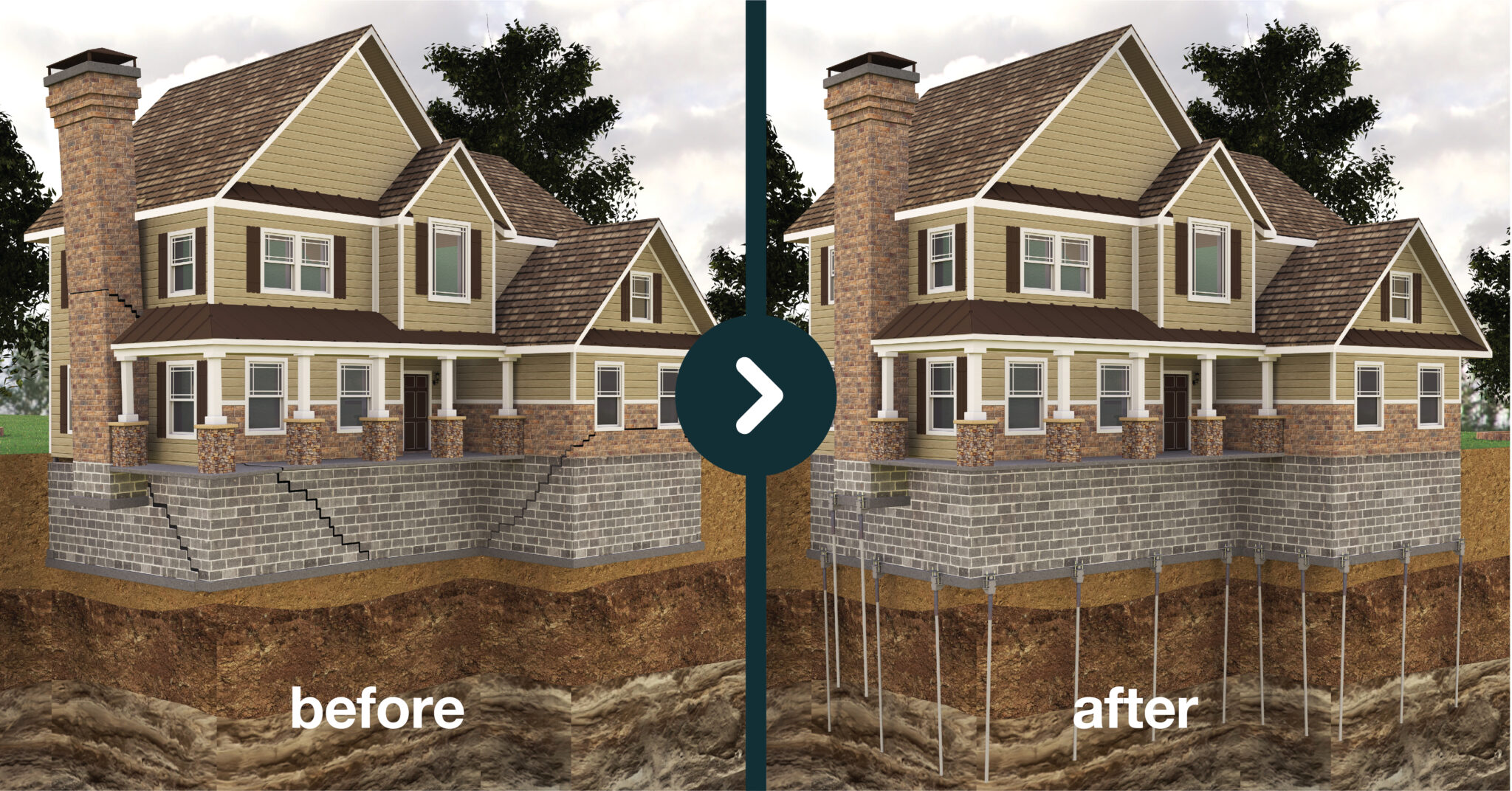
For many Savannah homes, helical piers are the preferred choice. These are large steel screws that are mechanically "wound" into the ground. They are particularly effective in the sandy, silty soils found near the coast because they do not rely on the weight of the house to be driven down. Push piers, conversely, use the home's own weight and hydraulic pressure to reach bedrock. For lighter cottage-style homes common in the area, push piers might actually lift the house before they reach stable soil, making helical piers the safer, more effective option.
Polyurethane Foam Injection (Polyjacking)
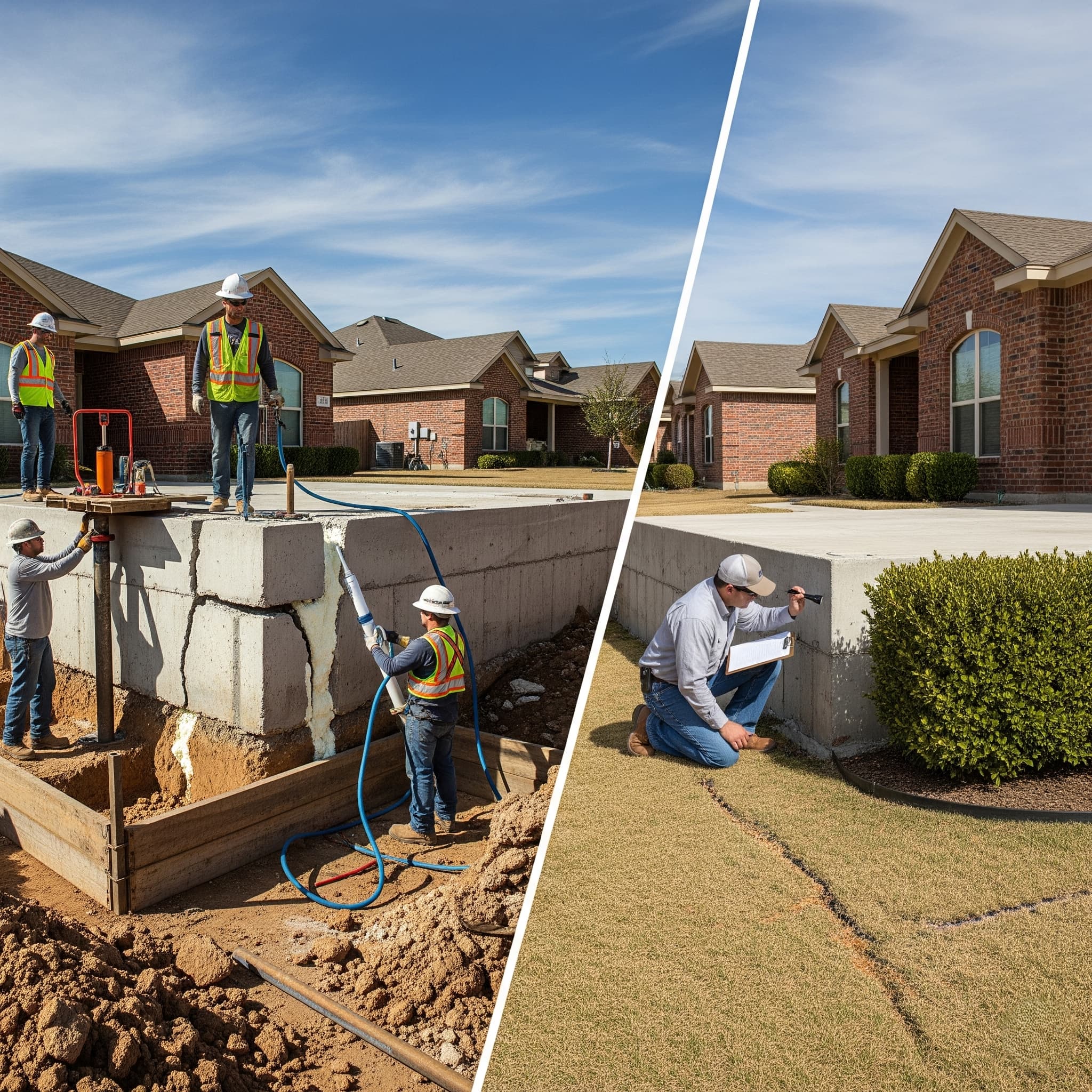
For concrete driveways, pool decks, and interior slabs that have "sunk" but are not structurally compromised, polyjacking is the gold standard. A high-density, waterproof foam is injected through small holes (about the size of a penny). The foam expands, filling the voids and lifting the concrete back to its original grade. This is particularly "worth it" in Savannah because the foam is hydrophobic—it will not wash away in the high water table, unlike the old-fashioned "mudjacking" slurry.
Professional Advice and Jurisdictional Limitations
It is important to note that foundation repair is a specialized engineering field. In the state of Georgia, significant structural repairs often require a permit from the City of Savannah or Chatham County Building Safety and Regulatory Services. Homeowners should always verify that their contractor is licensed and carries specific professional liability insurance for structural work. Furthermore, while foundation repair stabilizes the structure, it does not necessarily "waterproof" it against rising floodwaters, which is a separate consideration for those in high-risk flood zones (VE or AE zones).
Common Mistakes to Avoid
- Waiting for the "Perfect" Weather: Many Savannah residents wait for a dry spell to fix their foundation. However, soil shrinkage during droughts can actually make the damage worse. Stability is best achieved when the soil is at a median moisture level.
- Choosing Based on the Lowest Bid: Foundation repair is an industry where you get what you pay for. A "cheap" fix that doesn't reach the correct soil depth will fail within 24 months, requiring the entire process to be repeated at a higher cost.
- Neglecting Drainage: Even the best piering system can be undermined by poor gutter systems. In Savannah’s climate, moving water at least 5 to 10 feet away from the foundation is a prerequisite for any successful concrete repair.
Frequently Asked Questions
Does homeowner’s insurance cover foundation repair in Savannah?
In most cases, no. Standard homeowners insurance policies in Georgia typically exclude "earth movement" or "settlement." Coverage is usually only triggered if the foundation damage was caused by a specific covered peril, such as a burst pipe or a vehicle crashing into the home. Damage from hydrostatic pressure or expansive clay is considered maintenance and is the owner's responsibility.
How long does a typical foundation repair take?
For a standard single-family home in the Savannah area requiring 8 to 12 piers, the work is usually completed within 3 to 5 business days. Polyjacking for a sunken slab can often be completed in a single afternoon. Historic properties with complex masonry may require additional time for careful excavation.
Can I sell my house while the foundation is being repaired?
Yes, and in 2026, many buyers find it reassuring to see that a foundation has been professionally stabilized with a transferable warranty. Providing the "Letter of Substantial Completion" from a licensed structural engineer can actually be a selling point that justifies a higher asking price.
Will the cracks in my drywall close up once the foundation is lifted?
While lifting the foundation often brings walls back into alignment, it rarely "seals" cracks perfectly. You should expect some minor cosmetic repair and repainting after the structure is stabilized. Professionals recommend waiting 4 to 6 weeks after the lift before performing cosmetic repairs to allow the house to "breathe" into its new position.
Is polyjacking better than replacing the entire concrete slab?
Generally, yes. Replacing a slab in Savannah involves demolition, hauling away heavy debris, and pouring new concrete that will be subject to the same soil issues. Polyjacking is faster, cheaper, and addresses the root cause (the void underneath) rather than just the symptom (the cracked concrete).
Next Actions for Savannah Homeowners
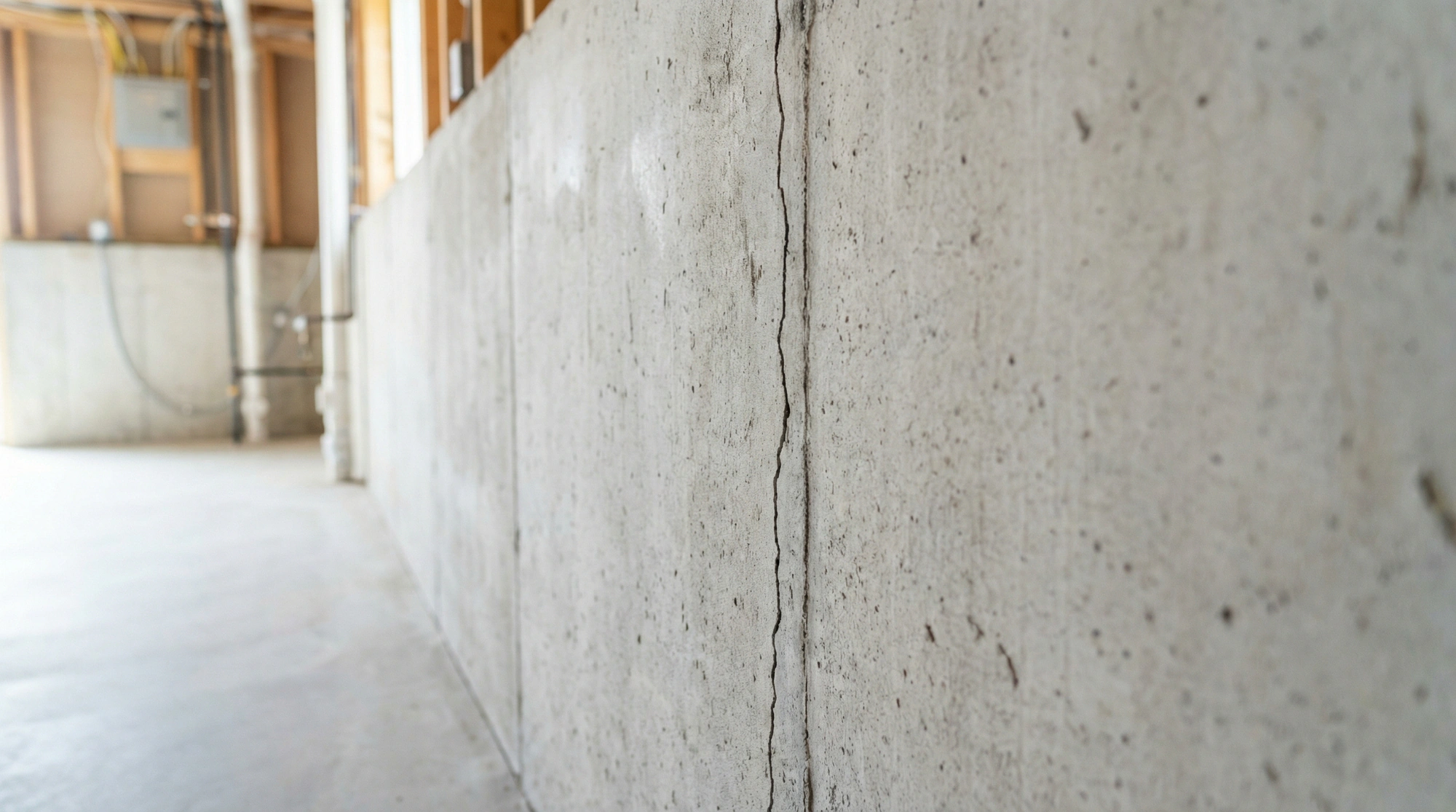
If you suspect your foundation is failing—evidenced by windows that won't open, gaps between the chimney and the siding, or "stair-step" cracks in exterior brickwork—your first step should be a professional evaluation.
- Consult a Structural Engineer: Before calling a repair company, hire an independent structural engineer who does not sell repair services. They will provide an unbiased assessment and a "Plan of Repair."
- Request Multiple Bids: Use the engineer's plan to get comparable quotes from reputable Savannah-based contractors.
- Verify Warranties: Ensure the company offers a lifetime transferable warranty on piering. In a coastal environment, this warranty is the primary driver of the repair's long-term value.
Image Gallery