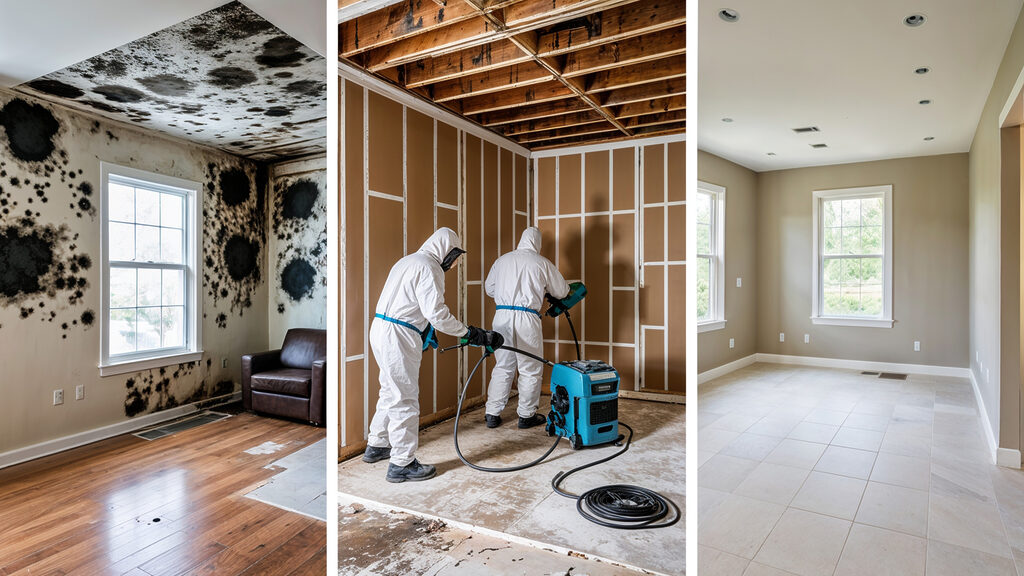
Newark Ohio Mold Remediation: Local Guidance for Homeowners
Addressing mold growth in a Newark, Ohio home requires a systematic approach that balances immediate moisture control with professional containment strategies. Because the Licking County climate experiences significant seasonal humidit...
Addressing mold growth in a Newark, Ohio home requires a systematic approach that balances immediate moisture control with professional containment strategies. Because the Licking County climate experiences significant seasonal humidity fluctuations, homeowners must prioritize identifying the underlying water source, assessing the extent of the contamination, and determining when local professional intervention is necessary versus manageable DIY remediation.
Contents
Understanding the Newark, Ohio Environmental Context
Newark homeowners face unique challenges due to the regional climate. With humid summers and cold, damp winters, residential structures are frequently susceptible to condensation issues, particularly in basements and crawl spaces. These environments, if poorly ventilated, provide the ideal conditions for Aspergillus, Cladosporium, and Stachybotrys—common mold varieties—to colonize porous materials like drywall, wood framing, and insulation.
Understanding that mold is ubiquitous in nature is the first step in effective management. You cannot eliminate every mold spore from your home; however, you can control the conditions—specifically moisture—that allow those spores to proliferate into a visible colony. In Licking County, high water tables and seasonal flooding can also contribute to hydrostatic pressure against foundation walls, leading to moisture seepage that is often the root cause of basement mold.
Assessing the Scope of the Problem
Before attempting remediation, you must categorize the severity of the mold presence. Not all mold growth is equal in terms of risk or required response.
- Small-Scale Growth (Less than 10 Square Feet): If the mold is limited to a small, isolated area (such as a single bathroom vanity or a patch of basement wall), it is often considered manageable for a homeowner. You must wear appropriate Personal Protective Equipment (PPE), including an N95 respirator, gloves, and eye protection, even for minor jobs.
- Large-Scale Growth (Greater than 10 Square Feet): If mold covers a significant surface area, or if it is located within an HVAC system, professional remediation is strongly recommended. Large-scale mold is often the result of hidden, chronic leaks that have compromised building materials to a point where structural repair may be necessary.
Essential Steps for Remediation
When you identify mold, your priority is to eliminate the moisture source first. Remediation without moisture control is merely a temporary fix, as the mold will inevitably return.
- Source Control: Repair leaky pipes, clean out clogged gutters, grade soil away from the foundation, and ensure that sump pumps in basement-heavy regions like Newark are functional.
- Containment: If you are cleaning a small area, use heavy-duty plastic sheeting and duct tape to isolate the workspace. This prevents the dispersal of mold spores into non-affected areas of your home.
- Surface Removal: Non-porous surfaces (glass, metal, hard plastic) can usually be cleaned with soap and water or specialized anti-microbial solutions. Porous materials (drywall, carpet, ceiling tiles, insulation) that have become infested with mold generally cannot be "cleaned" effectively and must be professionally removed and disposed of according to local waste management guidelines.
- HEPA Vacuuming: After drying the area, use a vacuum equipped with a High-Efficiency Particulate Air (HEPA) filter to remove lingering spores from the surrounding surfaces. Standard household vacuums are insufficient and may actually worsen the problem by exhausting spores back into your living space.
Comparison Table: DIY Remediation vs. Professional Services
| Feature | DIY Remediation | Professional Remediation |
|---|---|---|
| Max Scope | Small, isolated patches (<10 sq ft) | Large, systemic, or hidden growth |
| Tools Required | N95, gloves, HEPA vacuum, fungicides | Industrial air scrubbers, moisture meters, containment |
| Primary Risk | Incomplete removal, spore cross-contamination | Higher upfront financial cost |
| Expertise | Basic surface cleaning knowledge | Structural moisture detection, mold assessment |
| Ideal For | Surface mold, bathroom humidity issues | Flooding events, HVAC contamination, HVAC mold |
Selecting Professional Help in Licking County
When selecting a remediation service provider in Newark, avoid companies that offer both mold testing and mold removal simultaneously. This presents a conflict of interest. It is standard industry practice to hire an independent Industrial Hygienist (IH) or a licensed mold assessor to conduct a pre-remediation inspection and a post-remediation verification (PRV) test.
Check for certifications from the Institute of Inspection, Cleaning and Restoration Certification (IICRC). A qualified technician should be able to provide a clear scope of work that includes:
- An itemized list of materials to be removed versus those to be cleaned.
- The specific method of containment (e.g., negative air pressure).
- A plan for the final post-remediation clearance test to ensure spore counts have returned to normal environmental levels.
Preventing Reoccurrence
After the remediation is complete, your objective shifts to moisture management. In a climate like Ohio's, you should aim to keep indoor relative humidity levels between 30% and 50%. Use a digital hygrometer to monitor these levels throughout the year.
- Dehumidification: Utilize high-capacity dehumidifiers in basements, especially during the humid summer months. Ensure they are connected to a floor drain for continuous operation.
- Ventilation: Ensure that exhaust fans in bathrooms and kitchens are vented directly to the exterior of the home, not into attic or wall cavities.
- Inspection: Periodically check areas prone to condensation, such as cold-water pipes, windowsills, and foundation corners.
Frequently Asked Questions
1. Should I use bleach to kill mold? The EPA generally does not recommend the use of bleach for routine mold remediation. Bleach is highly effective on non-porous surfaces, but on porous materials like wood or drywall, it does not penetrate the surface to kill the roots of the mold (the hyphae). Furthermore, bleach can damage materials and pose health risks if mishandled. Specialized anti-microbial cleaners are generally safer and more effective.
2. How do I know if I have hidden mold? Common indicators of hidden mold include a musty, earthy odor, persistent unexplained allergies or respiratory irritation, and visible staining or peeling paint on walls or ceilings. If you suspect hidden mold, a professional inspector can use thermal imaging cameras and moisture meters to locate moisture pockets behind walls without invasive demolition.
3. Does my homeowners insurance cover mold remediation? Standard homeowners insurance policies in Ohio typically do not cover mold remediation unless the mold is the direct result of a "covered peril," such as a sudden pipe burst. Damage resulting from long-term neglect, high humidity, or slow, chronic leaks is usually excluded. Review your specific policy declarations page to understand your coverage limitations.
4. When should I leave my home during remediation? If large-scale remediation involving chemical biocides or heavy demolition is required, you may need to vacate the property temporarily. This is particularly important for individuals with asthma, immune system deficiencies, or severe mold allergies. Always discuss the remediation plan with your professional contractor to determine if evacuation is necessary for your family.
5. What is the difference between mold removal and mold remediation? "Removal" implies that every single mold spore can be eliminated, which is biologically impossible. "Remediation" is the industry-standard term for the process of cleaning, removing, and disposing of contaminated materials to bring mold levels back to a normal, natural state that the building's occupants can safely tolerate.
Taking Next Actions
If you detect mold, first document the affected areas with photographs for your records. If the growth is minor, start by addressing the moisture source and cleaning the surface with an appropriate anti-microbial cleaner. If you identify a persistent moisture issue that you cannot fix, such as foundation seepage, contact a licensed professional to perform a moisture audit. Do not wait for mold to spread to hidden structural members, as the complexity and cost of removal increase significantly with time.
Image Gallery