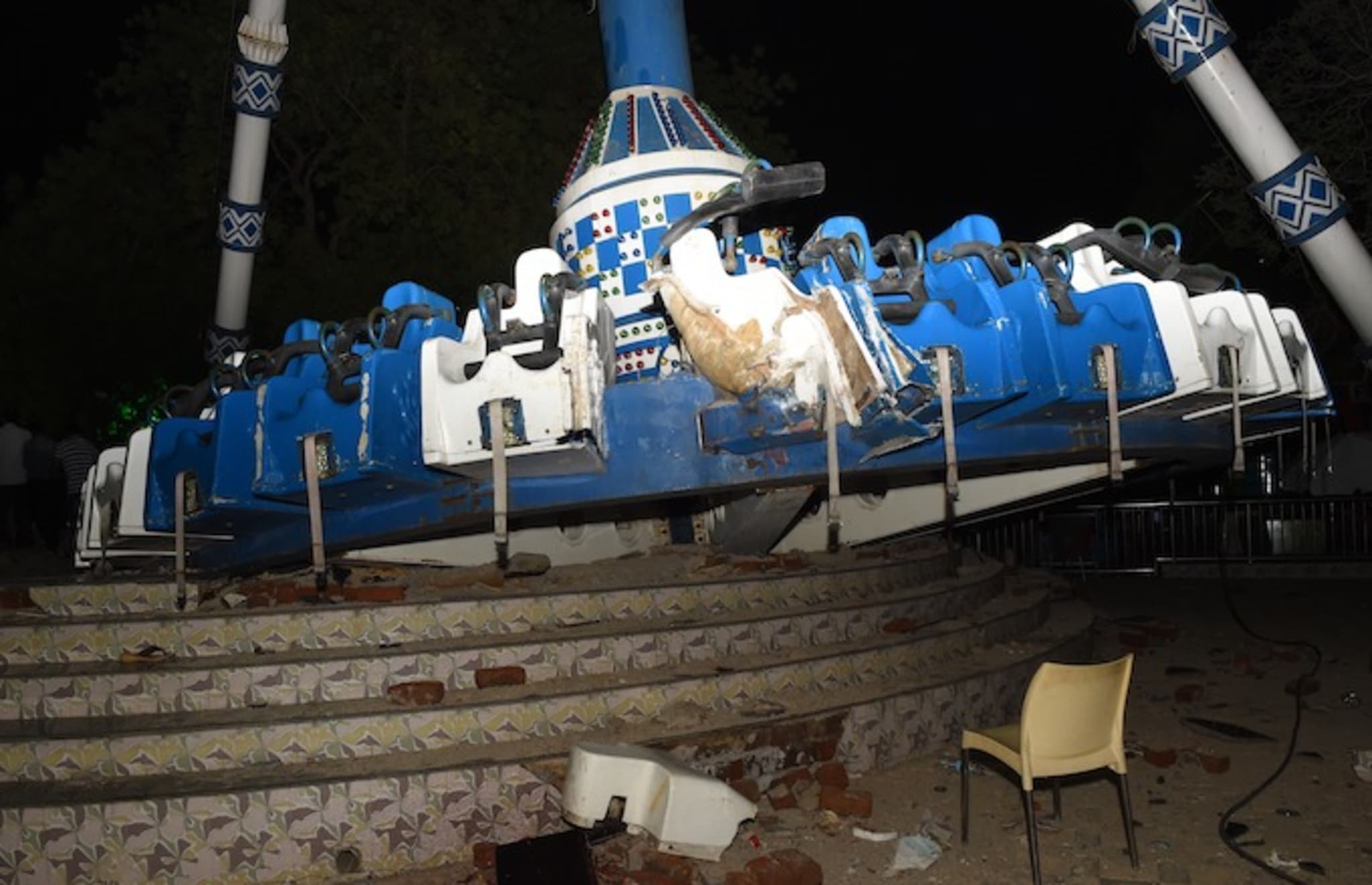
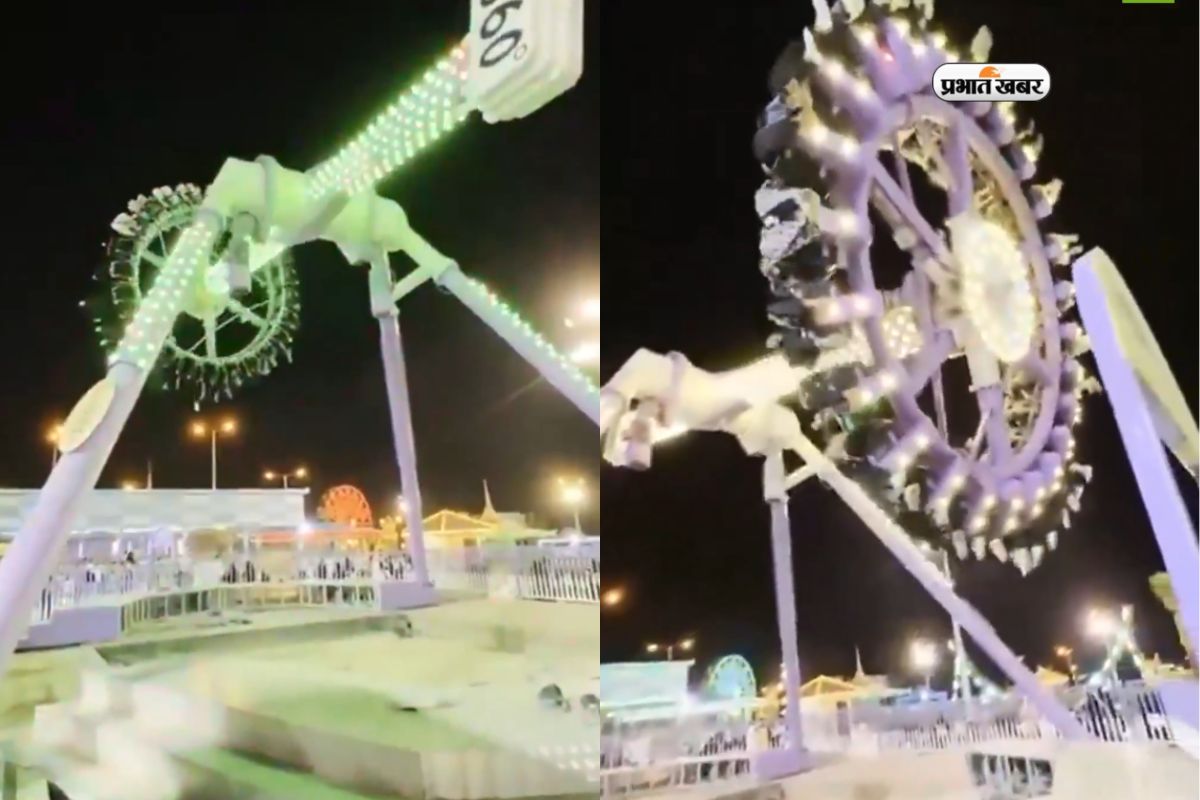
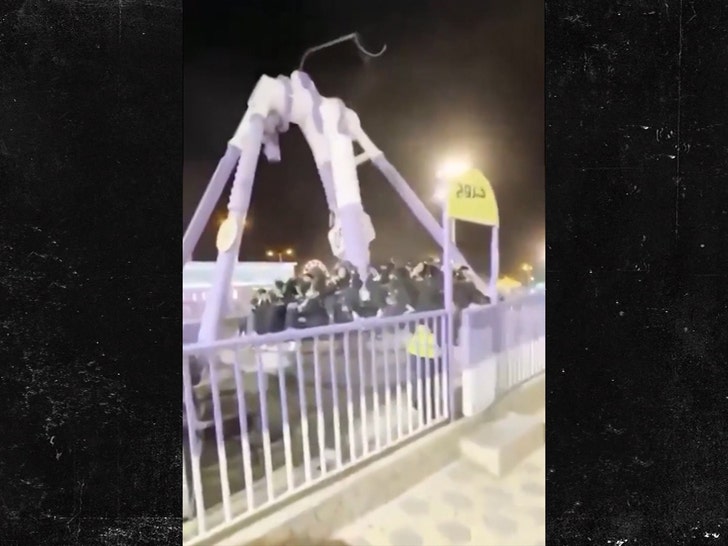
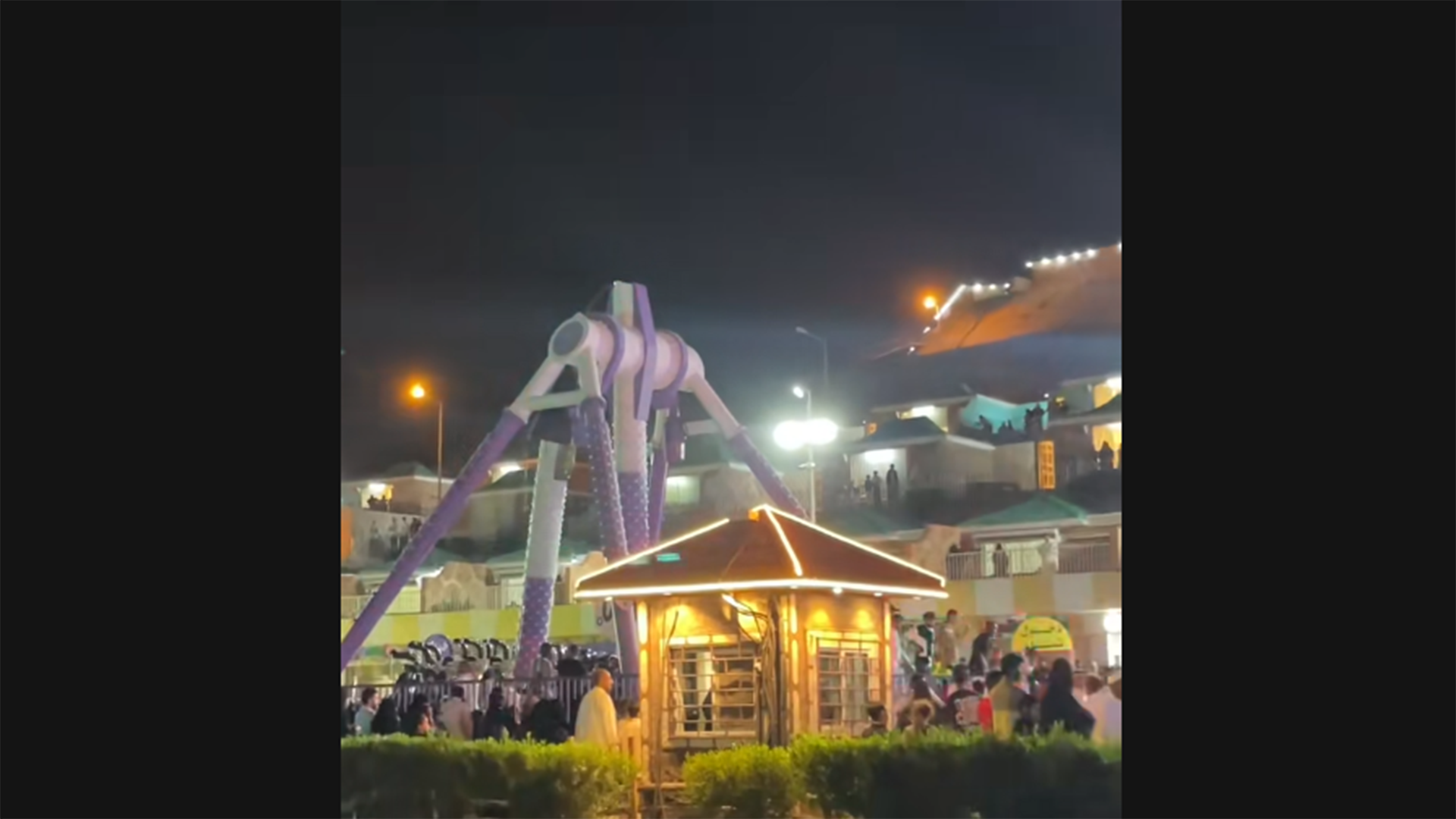
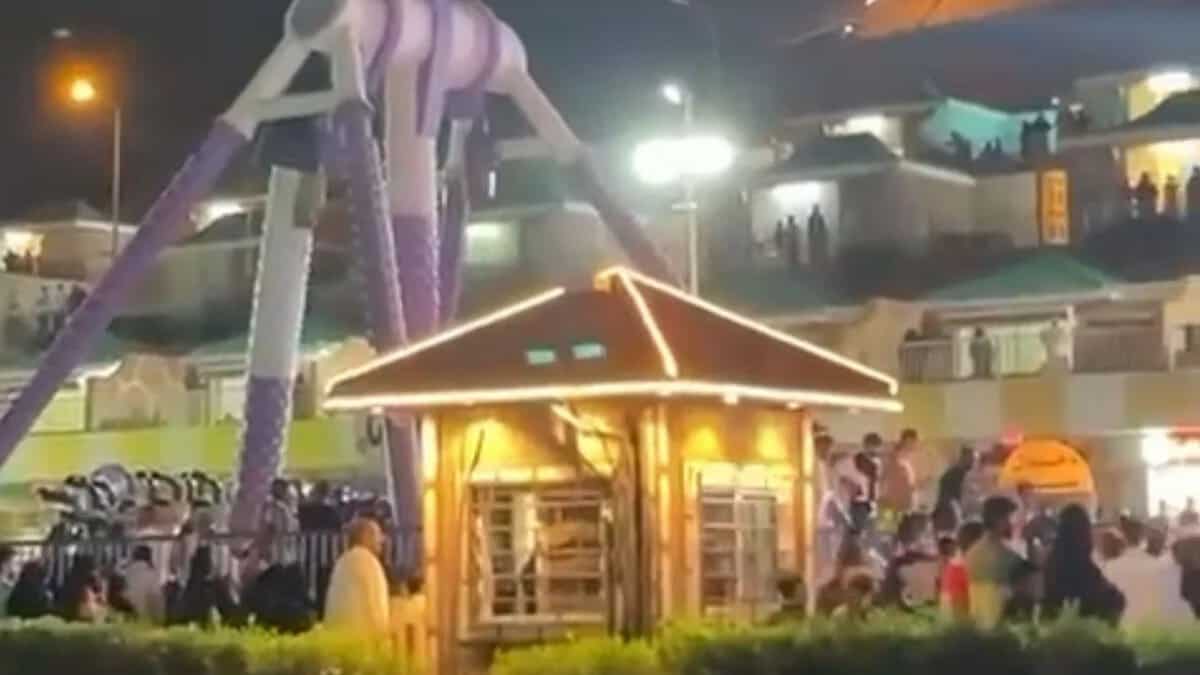
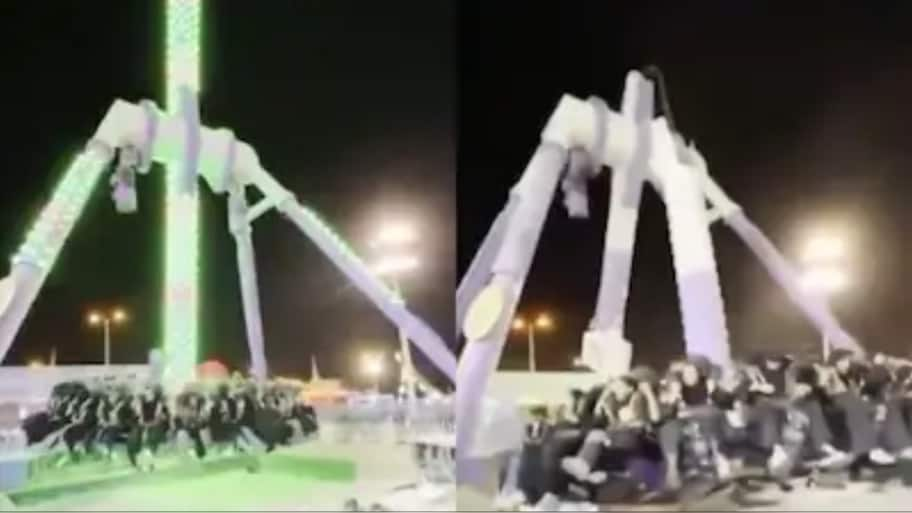
Examining the Context and Reality of Amusement Park Ride Collapse 2025 Reports
When evaluating reports surrounding an amusement park ride collapse 2025, public safety officials, legal analysts, and industry researchers must separate verified incident data from viral internet rumors, misdated historical footage, a...
When evaluating reports surrounding an amusement park ride collapse 2025, public safety officials, legal analysts, and industry researchers must separate verified incident data from viral internet rumors, misdated historical footage, and sensationalized social media commentary.
Contents
Understanding the Landscape of Modern Amusement Park Safety
Modern amusement parks operate under stringent regulatory frameworks, engineering standards, and maintenance schedules designed to prevent catastrophic structural failures. When discussions of an amusement park ride collapse surface online, they frequently blend real-world historical incidents, international events, and unverified simulations or movie clips circulating on platforms like TikTok and YouTube.
To evaluate these claims accurately, safety investigators look at the primary oversight bodies, such as ASTM International (specifically Committee F24 on Amusement Rides and Devices), state-level labor departments, and independent engineering firms. These organizations maintain databases of reportable incidents, mechanical failures, and structural fatigue markers. Understanding how these entities track and investigate ride anomalies helps consumers contextualize alarming headlines and determine the actual safety record of modern attractions.
The Role of ASTM International Committee F24
ASTM Committee F24 establishes the voluntary engineering standards adopted by most jurisdictions globally. These standards cover design, manufacturing, installation, operation, maintenance, inspection, and modification.
When a structural anomaly or failure occurs, Committee F24 standards dictate how forensic engineers examine stress fractures, weld integrity, and material fatigue. Publicly available summaries of these investigations often clarify whether an incident stemmed from manufacturing defects, improper maintenance, operator error, or passenger non-compliance with safety restraints.
Regulatory Oversight and State Inspection Bodies
In many jurisdictions, amusement rides undergo daily pre-opening inspections by park personnel, periodic reviews by state or municipal inspectors, and comprehensive annual non-destructive testing (NDT).
Regulatory bodies track these inspections rigorously. A localized mechanical stoppage—which automated safety systems trigger routinely to prevent potential hazards—is frequently misinterpreted by parkgoers as a structural collapse. Distinguishing between a controlled safety shutdown and an actual structural breach is critical for accurate reporting.
Evaluating Viral Media and Misattributed Incidents
The rapid spread of digital information often distorts the timeline and location of amusement park incidents. Videos of historical accidents from decades past, or incidents occurring in international amusement markets with entirely different regulatory standards, are frequently reshared with new date stamps or vague captions.
| Incident Category | Typical Characteristics | Common Misconceptions |
|---|---|---|
| Controlled Safety Stop | Automated sensors halt ride; passengers evacuated safely via service stairs. | Mistaken for structural failure or derailment by onlookers. |
| Mechanical Malfunction | Component wear or hydraulic pressure drop causes a stoppage mid-cycle. | Often exaggerated online as a total structural collapse. |
| Structural Failure | Actual material fatigue, weld failure, or foundation shift. | Extremely rare in heavily regulated domestic markets; heavily audited. |
When tracking a potential amusement park ride collapse 2025, fact-checkers look for official press releases from the park operator, statements from local emergency medical services (EMS), and incident reports filed with state safety regulators. If a major structural collapse had occurred at a prominent destination, it would trigger mandatory reporting protocols and extensive coverage by verified journalistic outlets rather than isolated social media posts.
Preventive Engineering and Maintenance Protocols
To ensure passenger safety, amusement park operators implement multi-tiered maintenance protocols that go far beyond basic visual checks. Understanding these technical measures reveals why catastrophic collapses remain exceedingly rare.
- Non-Destructive Testing (NDT): Engineers utilize ultrasonic testing, magnetic particle inspection, and eddy current testing to detect internal metal flaws and surface cracks invisible to the naked eye.
- Redundant Safety Systems: Modern roller coasters and thrill rides feature multiple independent restraint systems, backup hydraulic circuits, and dual-line anti-rollback mechanisms.
- Load Testing: Prior to opening new attractions, facilities conduct rigorous static and dynamic load testing using water-filled dummies to simulate maximum passenger weight capacities under operational stress.
Frequently Asked Questions
How common are structural collapses on amusement park rides?
Catastrophic structural collapses are exceptionally rare, particularly in heavily regulated markets like the United States and the European Union. The vast majority of reported ride incidents involve minor soft-tissue injuries, motion sickness, or temporary mechanical stoppages rather than structural failures.
Why do false reports of ride accidents spread so quickly online?
Social media algorithms reward high engagement, and dramatic videos—often lacking context, geographical markers, or accurate dates—frequently go viral. Users occasionally repost older historical footage or computer-generated simulations, altering captions to imply a recent event.
What should I check if I see a breaking news video about a ride accident?
Viewers should look for corroborating statements from official municipal authorities, emergency services, or reputable news organizations. If a video lacks specific location details, park names, or official regulatory investigation notes, it should be treated with high skepticism.
Are amusement rides inspected daily?
Yes. Certified maintenance technicians perform comprehensive safety checks, test operational sensors, and run empty test cycles every single day before opening the attraction to the general public.
Where can official incident statistics be found?
In many regions, state departments of labor or agricultural departments publish annual incident summaries for regulated amusement attractions. National organizations also track aggregate data to improve future engineering standards.
Next Steps and Verification Guidance
For travelers and researchers seeking verified safety data regarding specific theme parks or manufacturers, consulting official regulatory filings and engineering standards committees provides the most reliable baseline. Relying on primary sources ensures that safety evaluations remain grounded in verified mechanical facts rather than unverified digital commentary.
Image Gallery