How to Enjoy Poipu Fishing in Hawaii: A Complete 2026 Guide
To enjoy Poipu fishing in Hawaii, you must choose between shore-based casting for Trevally (Papio) or booking a deep-sea charter from Kukuiula Harbor for big-game species like Ahi and Mahimahi. Success depends on obtaining a mandatory...
To enjoy Poipu fishing in Hawaii, you must choose between shore-based casting for Trevally (Papio) or booking a deep-sea charter from Kukuiula Harbor for big-game species like Ahi and Mahimahi. Success depends on obtaining a mandatory non-resident saltwater license, utilizing local "whipping" techniques, and respecting the seasonal swells of Kauai’s South Shore.
Contents
Poipu, located on the sunny southern tip of Kauai, offers some of the most accessible and diverse fishing opportunities in the Hawaiian Islands. Whether you are a casual vacationer looking to cast a line from the volcanic rocks or a serious angler seeking a world-record marlin, the waters surrounding Poipu provide a rich marine ecosystem. As of 2026, the area has maintained its reputation for high-quality catches, supported by proactive conservation efforts and a well-regulated charter industry. Enjoying this experience requires a blend of local knowledge, the right equipment, and a deep respect for the "Aina" (the land) and the sea.
Understanding the Poipu Fishing Environment
The South Shore of Kauai is characterized by its relatively shallow fringing reefs that drop off quickly into the deep blue of the Kauai Channel. This geography creates two distinct fishing zones: the nearshore reef flats and the offshore deep-sea drop-offs. In Poipu, the weather is generally drier and sunnier than the North Shore, making it a reliable destination for fishing year-round. However, the South Shore is prone to significant swells during the summer months (May through September), which can impact shore fishing safety and offshore boat comfort.
The underwater topography near Poipu includes submerged lava tubes and coral heads, which serve as prime hiding spots for reef fish. Offshore, the "ledge" is where the current brings nutrient-rich water to the surface, attracting baitfish and the larger predators that follow them. Understanding these zones is the first step in planning a successful outing. If you prefer the tranquility of the shore, you will be targeting the reef flats. If you seek the adrenaline of a screaming reel, you will be heading several miles out to the FADs (Fish Aggregating Devices) maintained by the state.
Legal Requirements: Navigating Hawaii’s 2026 Licensing Rules
Before you wet a line in Poipu, it is essential to comply with Hawaii’s Department of Land and Natural Resources (DLNR) regulations. For many years, Hawaii did not require a license for recreational saltwater fishing. However, as of 2026, all non-resident anglers must possess a valid Marine Recreational Fishing License. These licenses can be purchased easily through the DLNR Division of Aquatic Resources website.
License Types and Fees
License fees are tiered based on the duration of your stay. For short-term visitors, a 1-day or 7-day license is usually sufficient, while frequent visitors may opt for an annual permit. Residents of Hawaii are generally exempt from this specific license but must still adhere to all bag and size limits. It is important to keep a digital or printed copy of your license on your person while fishing, as DLNR enforcement officers do patrol popular Poipu spots like Shipwreck Beach and the area around Kukuiula.
Regulated Species and Conservation Zones
Beyond the license, you must be aware of "Minimum Size" and "Bag Limit" regulations. For example, the popular Papio (juvenile Trevally) must be at least 10 inches in length to be legally harvested. Furthermore, certain areas around Kauai are designated as Marine Life Conservation Districts (MLCDs) or Fishery Management Areas (FMAs) where fishing is either prohibited or highly restricted. While Poipu Beach Park itself is a popular snorkeling area where fishing is discouraged near swimmers, the surrounding rocky coastlines are generally open, provided you follow state guidelines.
Choosing Your Fishing Style: Shore vs. Offshore
The way you enjoy Poipu fishing depends largely on your budget, time constraints, and desired level of activity.
Shore Fishing: Whipping and Dunking
Shore fishing is the most accessible way to fish in Poipu. Local anglers primarily use two methods: "Whipping" and "Dunking."
- Whipping involves using light-to-medium spinning tackle to cast small lures (like grubs, jigs, or surface poppers) and retrieving them quickly. This mimics the movement of small baitfish and is the preferred method for catching Papio or Omilu (Bluefin Trevally).
- Dunking is a more passive method, similar to surf fishing. You use a heavier rod and a weighted line to "dunk" bait—typically octopus (tako) or shrimp—into deeper holes in the reef. This is the best way to target larger "Ulua" (Giant Trevally) or Bonefish (Oio).
Offshore Charters from Kukuiula and Port Allen
For those looking to catch "the big one," booking a charter is the best option. Most charters servicing the Poipu area depart from Kukuiula Harbor, which is just a five-minute drive from the main resort area. Some larger vessels also operate out of Port Allen, about 15-20 minutes west. Offshore fishing in 2026 focuses on "trolling" high-speed lures to find Yellowfin Tuna (Ahi), Wahoo (Ono), and Mahimahi. Most Kauai charters operate on a "share the catch" basis, though policies vary by boat; it is common for the crew to filet a portion of the catch for your dinner while the rest remains with the boat to support operations.
Top Locations for Fishing Near Poipu
Finding the right spot is crucial for shore anglers. While the entire coastline is beautiful, specific locations offer better structures for fish.
| Location | Fishing Type | Target Species | Difficulty Level |
|---|---|---|---|
| Shipwreck Beach | Shore (Whipping/Dunking) | Papio, Ulua, Bonefish | Moderate (High Surf) |
| Kukuiula Harbor (Jetti) | Shore (Light Tackle) | Goatfish, Small Trevally | Easy (Family Friendly) |
| Maha’ulepu Heritage Trail | Shore (Rugged Casting) | Large Trevally, Bluefin | High (Trek Required) |
| Offshore (3-10 miles) | Deep Sea Charter | Ahi, Ono, Marlin, Mahi | Low (Guided) |
Shipwreck Beach (Keoneloa Bay)
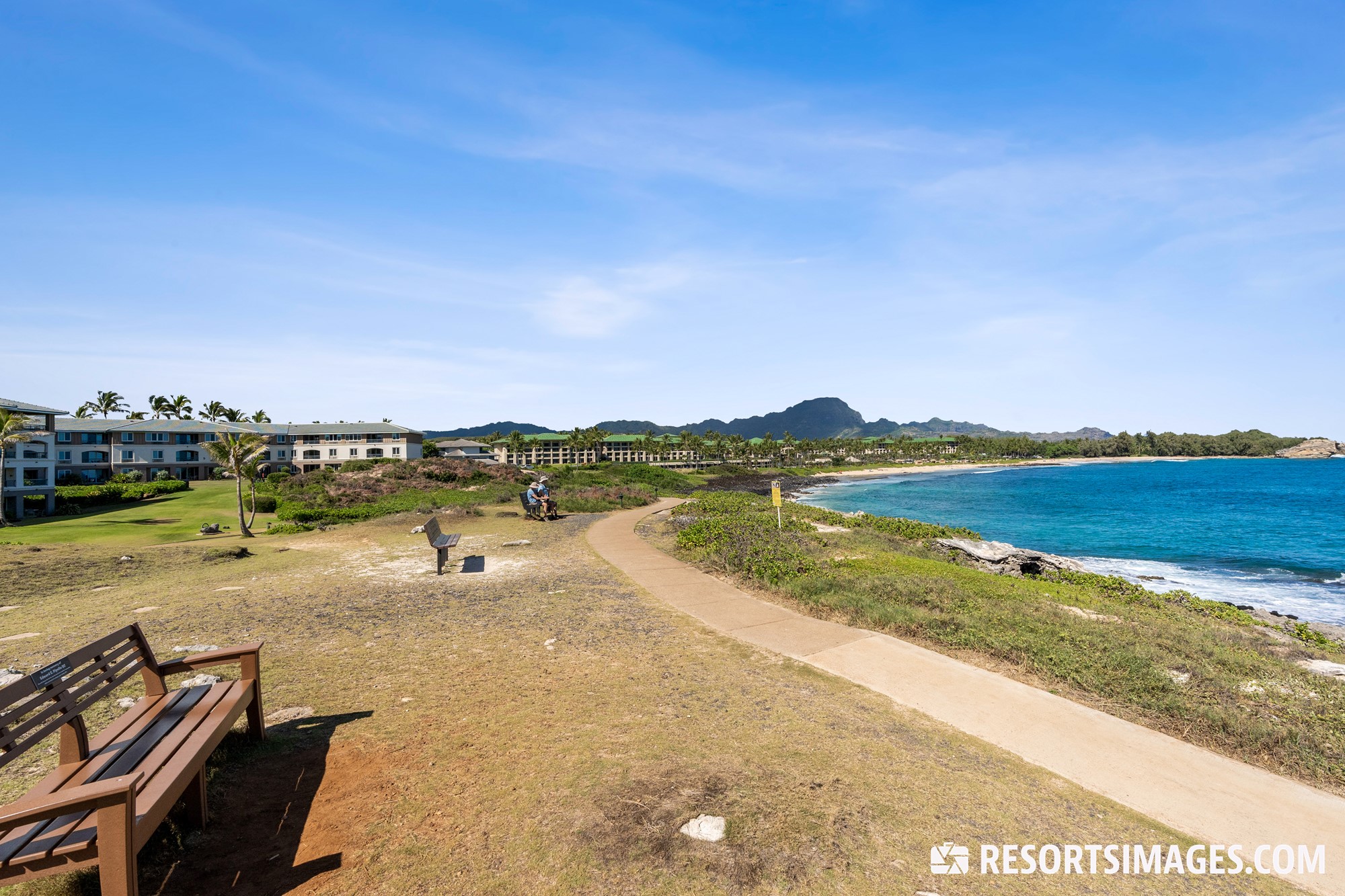
Located in front of the Grand Hyatt, this beach offers a mix of sandy stretches and rocky points. The area near the "lithified cliffs" is a prime spot for whipping during the early morning hours. However, be cautious of the heavy shorebreak and high winds that are common here.
Kukuiula Harbor
The rock wall at Kukuiula Harbor is an excellent spot for families. The water is calmer inside the harbor, making it a safe place for children to use small poles to catch colorful reef fish or small "Moana" (Goatfish). The outer side of the rock wall is more productive for experienced anglers but requires careful footing on the large basalt boulders.
Essential Gear and Local Tactics
If you are bringing your own gear to Poipu, aim for versatility. A 7-foot to 9-foot medium-action spinning rod paired with a 4000-series reel and 15-20 lb braided line is the "Goldilocks" setup for Kauai shore fishing.
- Lure Selection: Local fish respond well to "clear with glitter" or "pearl white" soft plastic grubs. In the bright Poipu sun, lures that mimic the transparency of nehu (local anchovy) are highly effective.
- The "Slow-Fast" Retrieve: When whipping for Papio, vary your retrieve. A fast retrieve triggers an aggressive strike, but a sudden pause can often entice a following fish to bite.
- Tide Timing: In Poipu, the incoming tide is generally the most productive. As the water rises, predators move into the shallow reef flats to hunt. Aim to fish two hours before and one hour after high tide.
- Bait Selection for Dunking: If you are dunking, salted squid or frozen shrimp are available at local hardware and tackle stores in Koloa. For those targeting trophy Ulua, live bait (like a small goatfish) is the gold standard, though it requires more advanced rigging.
Safety and Ocean Etiquette
The most important aspect of enjoying Poipu fishing is returning home safely. The Hawaiian ocean is powerful and unpredictable.
- Never Turn Your Back on the Ocean: This is the golden rule of Hawaii fishing. Rogue waves can wash over seemingly dry ledges even on calm days.
- Footwear Matters: Lava rock is sharp and slippery. Do not fish in flip-flops. Invest in "tabis"—felt-soled shoes designed specifically for gripping wet volcanic rock.
- Respect Local Anglers: If you see a local fisherman with several lines set out (a "spread"), do not cast your lure right next to them. Give other anglers plenty of space.
- Leave No Trace: Discarded fishing lines and lead weights are devastating to sea turtles and monk seals. Ensure you pack out all your gear and trash. If you hook a turtle by accident, do not simply cut the line short; try to bring it in and remove the hook if safe, or call local wildlife authorities.
Frequently Asked Questions
Do I need a license to fish from the shore in Poipu?
Yes, as of 2026, all non-residents must have a Hawaii Marine Recreational Fishing License. This applies to both shore fishing and fishing from a boat. You can obtain this license online from the DLNR website. Failure to produce a license when requested by an officer can result in significant fines.
What is the best time of day to fish in Poipu?
The "golden hours"—one hour before sunrise and one hour after sunset—are the most productive for nearshore fishing. During these times, predatory fish like Papio and Ulua are more active and less cautious about moving into shallow water. Offshore, fish can bite throughout the day, but many charters prefer early morning departures to beat the afternoon trade winds.
Can I keep the fish I catch?
Yes, you can keep your catch provided it meets the state's legal size and bag limits. However, many visitors choose "catch and release" for reef fish, as some species can carry Ciguatera toxins. If you catch a pelagic fish (like Tuna or Mahi) on a charter, the boat will usually provide you with enough filets for several meals.
Are there tackle shops in Poipu?
While there are no major tackle shops directly in the Poipu resort area, the nearby town of Koloa (just 2 miles inland) has several stores, including local hardware shops and convenience stores, that stock hooks, lines, lures, and frozen bait. For specialized gear, you may need to drive to Lihue.
Can I fish near the monk seals or sea turtles?
No. Hawaiian Monk Seals and Green Sea Turtles are protected under federal and state law. You must maintain a distance of at least 150 feet from monk seals. If a seal or turtle enters the area where you are fishing, you are expected to reel in your lines and wait for them to pass to avoid accidental hooking or entanglement.
Final Recommendation for Poipu Anglers
To truly enjoy Poipu fishing, start with a morning of "whipping" at Shipwreck Beach to get a feel for the local reef species. If your budget allows, schedule a half-day charter out of Kukuiula Harbor mid-way through your trip. This combination allows you to experience the peaceful, rhythmic nature of Kauai shore fishing while also having a chance at a world-class deep-sea catch. Always check the local swell forecast via the National Weather Service before heading out, and prioritize your safety above any catch.
Image Gallery