Delta Reserve Card vs Platinum: A Comprehensive 2026 Comparison
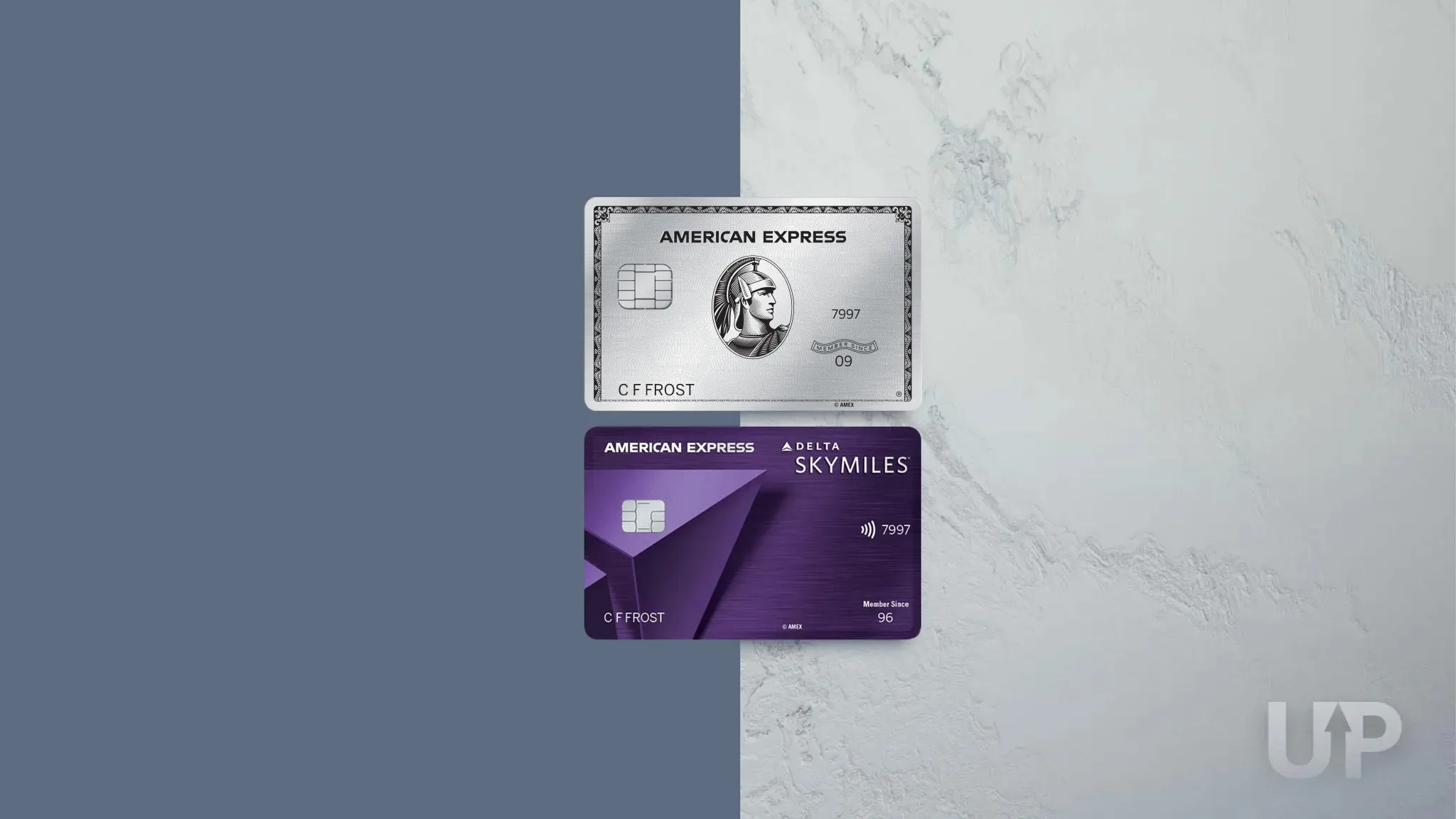
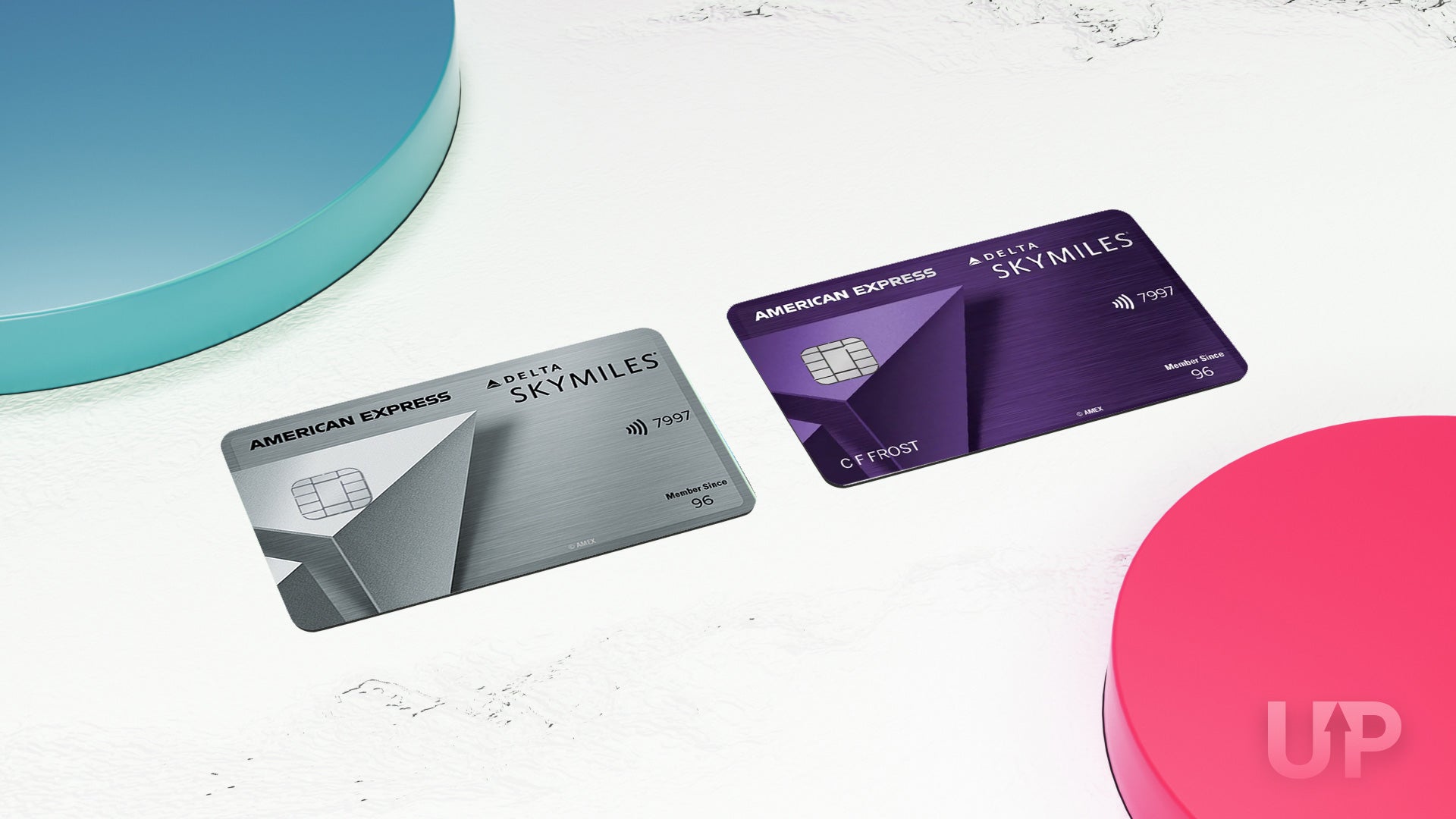
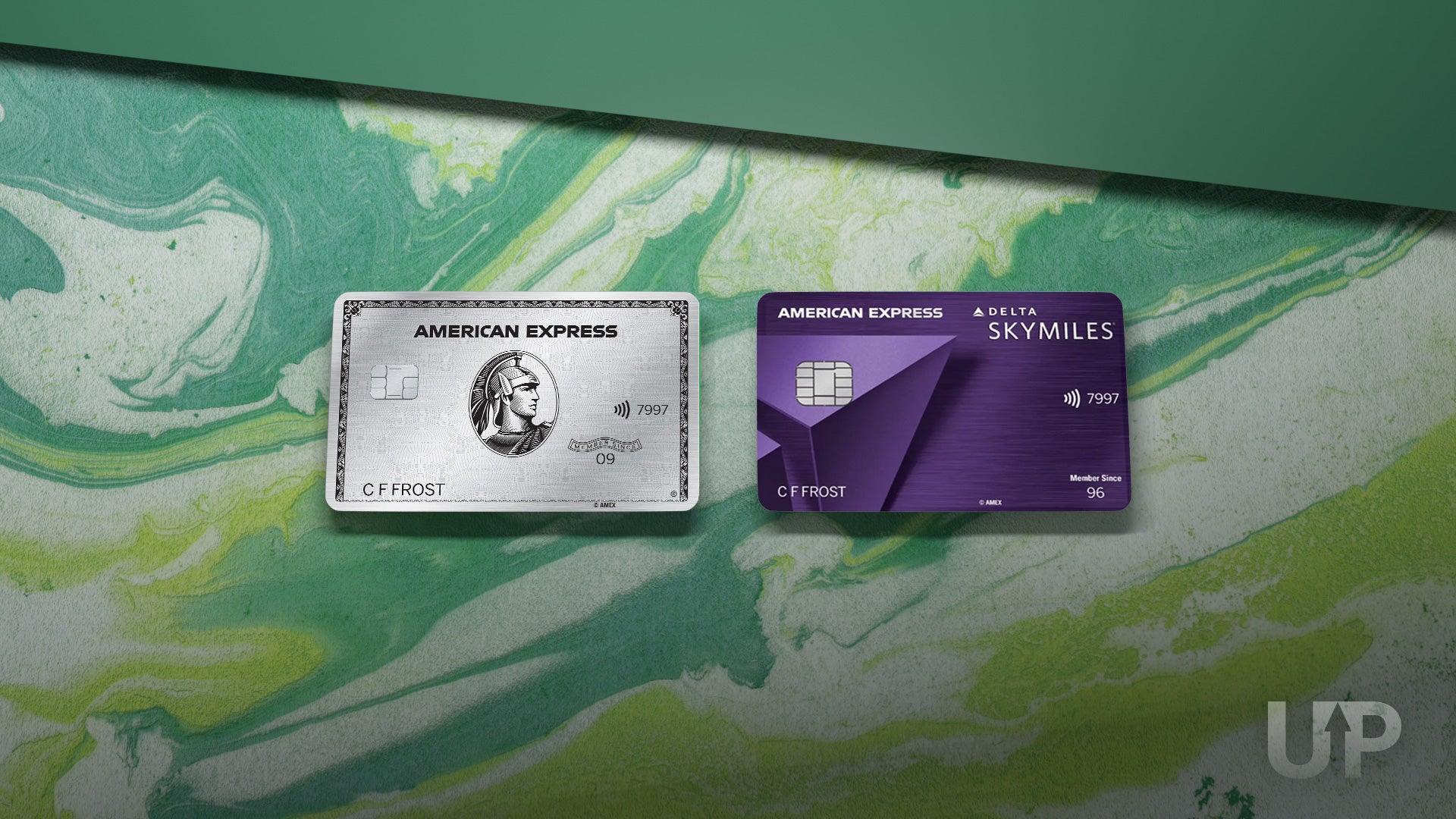
Choosing between the Delta SkyMiles® Reserve and the Delta SkyMiles® Platinum American Express cards in 2026 requires balancing significant annual fees against premium travel perks. While the Reserve offers superior lounge access and F...
Choosing between the Delta SkyMiles® Reserve and the Delta SkyMiles® Platinum American Express cards in 2026 requires balancing significant annual fees against premium travel perks. While the Reserve offers superior lounge access and First Class companion certificates, the Platinum provides a more accessible $350 entry point with valuable Main Cabin travel benefits.
Contents
The landscape of airline co-branded credit cards shifted dramatically over the last few years, particularly following the 2024 overhaul of the Delta SkyMiles program. As we navigate the 2026 travel season, the distinction between "mid-tier premium" and "luxury tier" has never been clearer. Both cards serve as essential tools for Delta loyalists aiming for Medallion Status, but they cater to different types of travelers—those seeking maximum comfort versus those seeking optimized value.
Annual Fees and the Cost of Membership
In 2026, the cost of entry for these cards remains a primary consideration for many households. The Delta SkyMiles® Platinum American Express Card carries an annual fee of $350, while the Delta SkyMiles® Reserve American Express Card sits at a more substantial $650.
These price points reflect the cards' positions within the American Express ecosystem. The $300 gap between them is primarily justified by the quality of the companion certificate, the level of airport lounge access, and the acceleration of Medallion Qualification Dollars (MQDs). When evaluating these fees, it is vital to look past the sticker price and examine the statement credits provided. Both cards offer "Delta Stays" credits, Resy credits, and rideshare credits that, if used fully, can mathematically reduce the effective annual fee to nearly zero. However, the Reserve card provides higher denominations for some of these benefits, reflecting its status as a top-tier luxury product.
The Battle of the Companion Certificates
Perhaps the most significant differentiator between these two cards is the annual Companion Certificate, awarded each year upon card renewal. This benefit allows a travel partner to fly with you for just the cost of government-taxes and fees (usually no more than $80 for domestic round-trips).
For the Delta SkyMiles Platinum, the certificate is valid for round-trip Main Cabin travel. As of the expansions made in recent years, this now includes travel to Hawaii, Alaska, Mexico, the Caribbean, and Central America, in addition to the contiguous United States.
The Delta SkyMiles Reserve elevates this benefit significantly. Its certificate is valid for First Class, Delta Comfort+, or Main Cabin travel. In a high-demand travel market, a single round-trip First Class ticket to a destination like Cancun or Honolulu can easily exceed $1,200. For a traveler who frequently flies with a spouse or partner, this single benefit can more than cover the $650 annual fee, making the Reserve card effectively "free" for those who would have purchased those premium seats anyway.
Airport Lounge Access Policies in 2026
Lounge access has undergone the most scrutiny and change in recent Delta history. In 2026, the rules are strictly enforced to manage overcrowding.
- Delta SkyMiles Platinum: This card no longer offers any form of Delta Sky Club access. Historically, cardmembers could pay a per-visit fee, but that option was sunsetted to prioritize higher-tier cardholders and Medallion members. If lounge access is a requirement for your travel experience, the Platinum card will not meet your needs.
- Delta SkyMiles Reserve: This card remains a powerhouse for lounge enthusiasts, though with usage limits. Cardmembers receive 15 Delta Sky Club "visits" per year. A visit is defined as all entries within a 24-hour period, meaning you can visit multiple clubs during a layover and it only counts as one of your 15 days. Those who spend $75,000 or more on their card in a calendar year earn unlimited Sky Club access for the remainder of that year and the following one. Additionally, Reserve cardholders enjoy access to American Express Centurion Lounges when flying Delta, a perk the Platinum card lacks.
Earning SkyMiles and MQDs for Medallion Status
Delta transitioned entirely to a Medallion Qualification Dollar (MQD) system to determine elite status. Both the Platinum and Reserve cards are designed to help travelers reach those tiers—Silver, Gold, Platinum, and Diamond—without purely relying on flight spend.
Both cards feature the MQD Headstart, which provides a $2,500 MQD deposit at the start of every calendar year. If you hold both the business and personal versions of these cards, these boosts stack, potentially starting your year with $5,000 or $7,500 MQDs.
The divergence occurs in the "MQD Boost" through daily spending:
- Delta Platinum: Earns $1 MQD for every $20 spent on the card.
- Delta Reserve: Earns $1 MQD for every $10 spent on the card.
The Reserve card is twice as efficient at converting everyday purchases into elite status. For a traveler aiming for Gold Medallion status (requiring $10,000 MQDs in 2026), the $2,500 Headstart leaves $7,500 MQDs to earn. On a Reserve card, that requires $75,000 in spend. On a Platinum card, that would require $150,000 in spend.
Comparing Reward Multipliers
While MQDs help with status, SkyMiles are the currency used for booking free flights. The earning structures for 2026 are specialized:
- Delta SkyMiles Platinum: This is often considered the better "everyday" earner for many families. It offers 3x miles on Delta purchases and at hotels, and 2x miles at restaurants and U.S. supermarkets.
- Delta SkyMiles Reserve: This card is more narrowly focused. It offers 3x miles on Delta purchases but only 1x on most other categories.
If you do not have another card for grocery and dining spend (like the American Express® Gold Card), the Delta Platinum may actually accumulate redeemable miles faster than the Reserve. However, most Reserve cardholders prioritize status and luxury perks over the raw accumulation of miles through supermarket spend.
Detailed Feature Comparison Table
| Feature | Delta SkyMiles® Platinum | Delta SkyMiles® Reserve |
|---|---|---|
| Annual Fee | $350 | $650 |
| Companion Certificate | Main Cabin (Annual) | First Class, Comfort+, Main (Annual) |
| Sky Club Access | None | 15 Visits/Year (Unlimited after $75k spend) |
| MQD Headstart | $2,500 MQDs per year | $2,500 MQDs per year |
| MQD Earning Rate | $1 MQD per $20 spent | $1 MQD per $10 spent |
| Delta Stays Credit | Up to $150/year | Up to $200/year |
| Resy Credit | Up to $120/year ($10/month) | Up to $240/year ($20/month) |
| Rideshare Credit | Up to $120/year ($10/month) | Up to $120/year ($10/month) |
| Upgrade Priority | N/A | Tie-breaker over others in same tier |
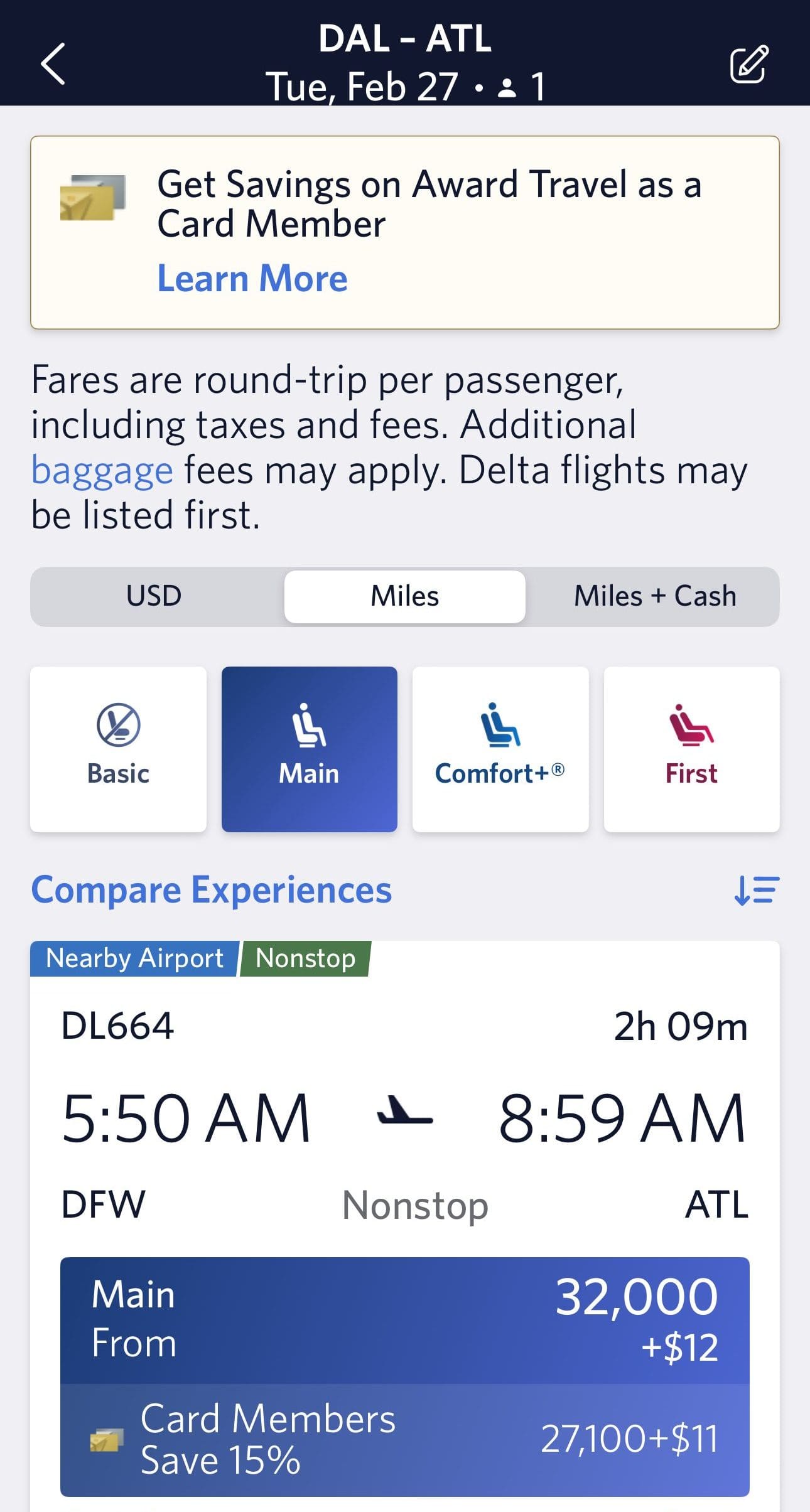
| TakeOff 15% | 15% off Award Travel | 15% off Award Travel |
Statement Credits: Offsetting the Fee
Both cards utilize a "coupon book" style of benefits that require active management to maximize value. In 2026, these credits are essential for justifying the annual fees.
The Resy Credit requires you to enroll and use your card at restaurants listed on the Resy platform. For the Reserve, this $20 monthly credit is quite substantial ($240 annually), effectively reducing the fee from $650 to $410 before considering other benefits.
The Rideshare Credit ($120 annually) works with services like Uber and Lyft. For frequent travelers, this is often the easiest credit to exhaust. Finally, the Delta Stays Credit provides a statement credit for prepaid hotel or vacation rental bookings made through Delta's travel portal. The Reserve’s $200 credit is particularly useful for a single weekend getaway, while the Platinum's $150 credit still covers a significant portion of a standard hotel night.
Which Card Should You Choose?
The decision typically falls into one of two profiles.
The Value-Oriented Frequent Flyer (The Platinum Choice): If you fly Delta 3–5 times a year, usually in the Main Cabin, the Platinum card is the logical choice. The $350 fee is largely offset by the Main Cabin Companion Certificate and the $150 Delta Stays credit. You still get the "TakeOff 15" discount on award tickets and a free checked bag, but you aren't paying for lounge access you might not use frequently.
The Premium Enthusiast and Status Seeker (The Reserve Choice): If you want to attain Gold, Platinum, or Diamond Medallion status, the Reserve card’s $1 MQD per $10 spend is indispensable. Furthermore, if you value sitting in First Class, the upgrade priority and the First Class Companion Certificate provide tangible luxury that far exceeds the $650 cost. For those who travel through Delta hubs like Atlanta, New York (JFK/LGA), or Minneapolis, the 15 Sky Club visits provide a necessary sanctuary from crowded terminals.
Common Mistakes and Limitations
A common error cardholders make is failing to "enroll" in benefits. In 2026, many Amex benefits like the Resy and Rideshare credits require manual enrollment through the American Express app or website before purchases will trigger the credit.
Another limitation to keep in mind is the "TakeOff 15" benefit. While it provides a 15% discount on miles required for Delta-operated flights, it does not apply to partner airlines (like Virgin Atlantic or Air France) even if booked through Delta. Additionally, the Companion Certificate has specific fare class requirements (L, U, T, X, V for Main Cabin). While availability is generally good, you cannot always use it on the very last seat on a plane during a holiday weekend.
FAQ
Can I have both the Delta Platinum and Delta Reserve? Yes, you can hold both cards simultaneously. Doing so allows you to stack the MQD Headstart benefits, giving you $5,000 MQDs toward status immediately at the start of the year. You would also receive two separate Companion Certificates and two sets of statement credits.
Does the Delta Reserve card give me free upgrades? Technically, it puts you on the upgrade standby list for flights even if you do not have Medallion Status. If you do have status, the Reserve card acts as a tie-breaker, moving you ahead of other members in your same Medallion tier who do not have the card.
What happens if I use all 15 Sky Club visits? Once you have exhausted your 15 visits, you can continue to access the Delta Sky Club at a rate of $50 per person, per visit, provided you are still flying on a Delta-marketed or Delta-operated flight.
Is the Companion Certificate valid for international travel? As of 2026, the certificate is valid for travel to the 50 U.S. states, Mexico, Antigua, Aruba, Bermuda, Bonaire, Grand Cayman, Cuba, Jamaica, Bahamas, Turks and Caicos, Dominican Republic, Saint Kitts, St. Maarten, St. Lucia, and Central American countries (Costa Rica, Belize, El Salvador, Guatemala, Honduras, Nicaragua, and Panama).
Does the $10 or $20 Resy credit roll over to the next month? No. These are "use it or lose it" monthly credits. If you do not use your Resy credit in March, you cannot use $40 in April.
Final Recommendation
For the 2026 travel year, the Delta SkyMiles® Reserve American Express Card is the superior tool for those who prioritize the "Delta experience"—specifically lounge access and First Class travel. The efficiency of MQD earning makes it the "must-have" for anyone chasing high-tier Medallion status. However, for the more casual traveler who wants to save money on one big trip per year and avoid baggage fees, the Delta SkyMiles® Platinum American Express Card remains one of the most balanced mid-tier travel cards on the market. Determine your primary goal: is it to reach the front of the plane, or simply to make the journey more affordable? Your answer dictates your card choice.
Image Gallery