Mohamed Al-Fayed’s Net Worth in Context: The Legacy of a Global Tycoon
At the time of his death in August 2023, Mohamed Al-Fayed’s net worth was estimated at approximately $2 billion. This multi-billion-dollar fortune was anchored by iconic assets such as the Ritz Paris and the previously owned Harrods de...
At the time of his death in August 2023, Mohamed Al-Fayed’s net worth was estimated at approximately $2 billion. This multi-billion-dollar fortune was anchored by iconic assets such as the Ritz Paris and the previously owned Harrods department store. As of 2026, his estate continues to be managed through complex international trusts, representing a legacy of high-stakes retail, luxury hospitality, and sports management.
Contents
The Architectural Pillars of the Al-Fayed Fortune
To understand Mohamed Al-Fayed’s net worth, one must look beyond the final $2 billion figure and examine the strategic acquisitions that defined his career. His wealth was not merely a static bank balance; it was a revolving door of high-value physical assets that often appreciated significantly under his stewardship.
The Harrods Era (1985–2010)
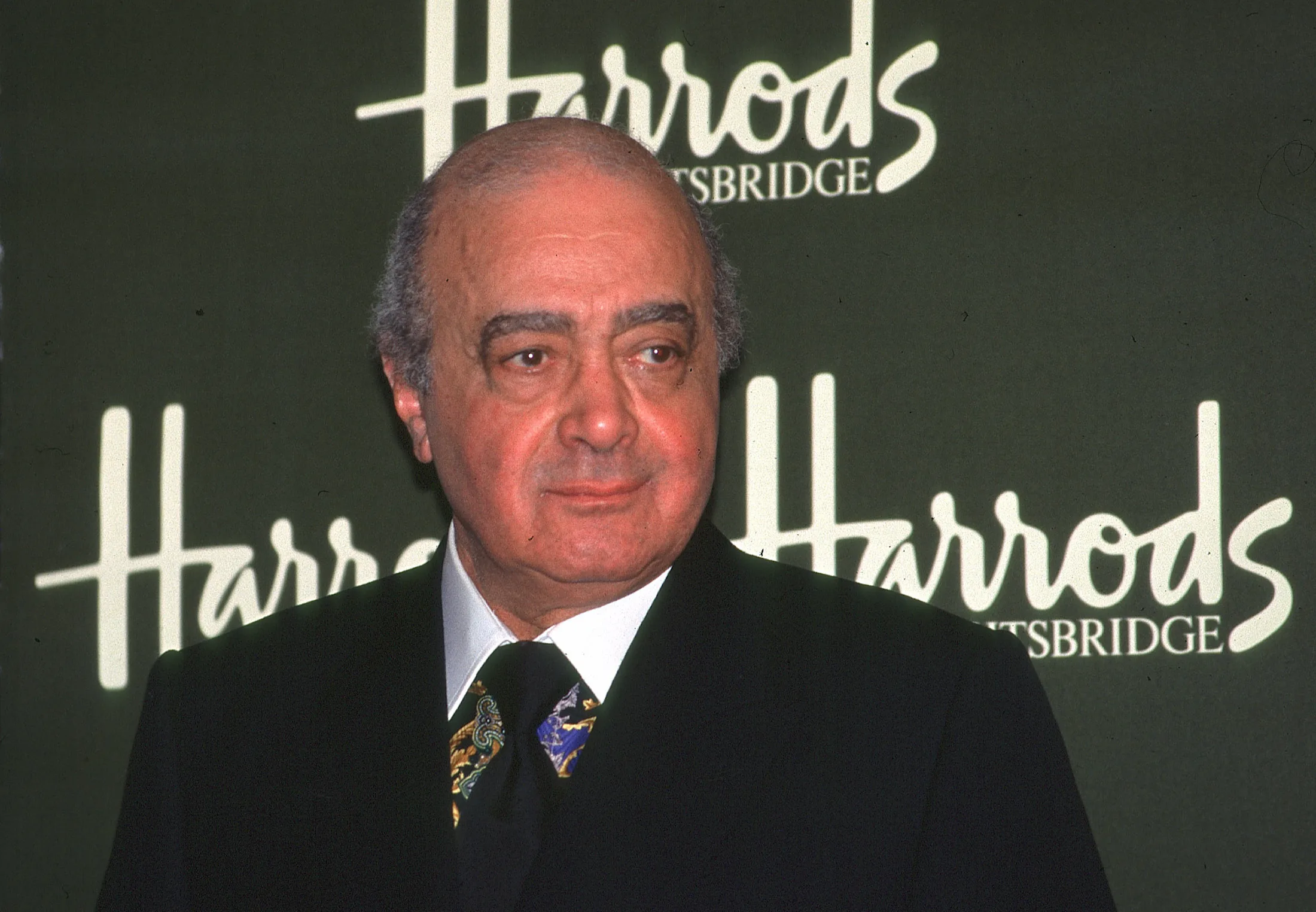
Al-Fayed’s most famous acquisition was the 1985 takeover of the House of Fraser group, which included the world-renowned Harrods department store in Knightsbridge. The purchase price of approximately £615 million was considered a staggering sum at the time. However, Al-Fayed’s vision transformed Harrods from a prestigious but somewhat dated institution into a global luxury destination.
During his 25-year ownership, he invested heavily in the store's interior, creating themed departments and the famous Egyptian Room. The "context" of this wealth is best understood through the 2010 sale of Harrods to Qatar Holdings (the sovereign wealth fund of Qatar) for an estimated £1.5 billion. This single transaction solidified his billionaire status and provided the liquidity that would characterize his later years.
The Ritz Paris and Real Estate
While Harrods was his most public asset, the Ritz Paris was perhaps his most prestigious. Purchased in 1979 for roughly $30 million, the hotel was in a state of relative decline. Al-Fayed closed it for a decade-long renovation that cost more than the purchase price itself. By 2026, the Ritz remains a cornerstone of the Al-Fayed family office’s portfolio. Its value is difficult to quantify due to its historical significance and prime location in Place Vendôme, but experts estimate the property alone accounts for several hundred million dollars of the family's total valuation.
Navigating the Financial Narrative: The "Context" of the Wealth
The phrase "net worth in context" is essential when discussing Al-Fayed because his wealth was often scrutinized by the British government and the media. His journey from a street vendor in Alexandria, Egypt, to a London billionaire was a source of both inspiration and controversy.
The 1990 DTI Report
In 1990, a Department of Trade and Industry (DTI) report questioned the origins of Al-Fayed’s wealth, suggesting he had misrepresented his background and the sources of his initial capital. This report cast a shadow over his financial standing for years, contributing to the repeated denial of his British citizenship applications. The context here is a "reputation vs. revenue" struggle; despite his immense liquid wealth and charitable contributions, he remained an outsider within the British establishment.
The Sultan of Brunei Connection
Early in his career, Al-Fayed served as an advisor to the Sultan of Brunei, one of the world's richest individuals. This relationship was pivotal. It provided Al-Fayed with the necessary leverage and financial insights to move into the top tiers of international business. His net worth was often bolstered by these high-level connections, which allowed him to facilitate massive international trade deals and shipping ventures.
Asset Breakdown and Historical Valuation
The following table contextualizes the major assets that shaped Mohamed Al-Fayed’s financial profile across several decades.
| Asset | Acquisition Year | Estimated Cost | Status (as of 2026) | Significance |
|---|---|---|---|---|
| Harrods | 1985 | £615 Million | Sold in 2010 (£1.5B) | Defined his public persona and retail dominance. |
| The Ritz Paris | 1979 | $30 Million | Retained by Estate | Remains the family’s primary luxury flagship. |
| Fulham FC | 1997 | £30 Million | Sold in 2013 (£150-200M) | Elevated the club from the third tier to the Premier League. |
| 75 Rockefeller Plaza | 1980s | Undisclosed | Sold | Part of his brief but significant US real estate expansion. |
| Balgowan Estate | 1970s | Undisclosed | Retained by Estate | His 65,000-acre Scottish estate, used for privacy and status. |
The Impact of Tragedy on Wealth Management
The tragic death of his son, Dodi Al-Fayed, alongside Diana, Princess of Wales, in 1997, fundamentally changed how Mohamed Al-Fayed utilized his wealth. In the decade that followed, a significant portion of his resources was diverted toward private investigations and legal fees related to the crash.
While these expenditures did not "bankrupt" him, they shifted his focus away from aggressive business expansion. He became a litigious figure, and his net worth became a tool for seeking what he perceived as justice. This period illustrates that for Al-Fayed, wealth was not just about luxury but about power and the ability to challenge the highest levels of the British monarchy and government.
Fulham Football Club: A Passion Investment
In 1997, Al-Fayed purchased Fulham FC, then a struggling club in the lower tiers of English football. He famously promised to turn them into the "Manchester United of the South." Over his 16-year tenure, he invested approximately £200 million into the club, covering losses and funding transfers to propel them into the Premier League.
When he sold the club in 2013 to Shahid Khan, the sale price (estimated at £150 million to £200 million) was a testament to the value he had built. However, in pure financial terms, Fulham was a "passion project." When adjusted for the annual operating losses he covered, the investment was likely a break-even scenario or a slight net loss, showing that his net worth was often deployed toward legacy and influence rather than just profit.
Inheritance and the Estate in 2026
As of 2026, the distribution of Mohamed Al-Fayed’s $2 billion estate remains a subject of high-level wealth management. The fortune was divided among his four surviving children from his second marriage to Heini Wathén: Jasmine, Karim, Camilla, and Omar.
Trust Structures and Legal Protections
Billionaire estates of this magnitude are rarely distributed as simple cash payments. Instead, they are housed in various offshore trusts (often in Jersey or Bermuda) to minimize inheritance tax and ensure the longevity of the assets. The Ritz Paris, for example, is likely held in a structure that allows the family to maintain control while shielding the property from direct personal liability or rapid liquidation.
Potential for Family Disputes
Historically, Al-Fayed’s children have had public disagreements, most notably between Omar and Camilla during the COVID-19 era. In 2026, the context of his net worth must include the risk of "fragmentation." When a patriarch with such a dominant personality passes, the unity of the empire often depends on the legal robustness of the trust documents he left behind.
Expert Comparison: Al-Fayed vs. Contemporary Tycoons
To truly put his $2 billion net worth in context, we must compare him to his peers during his peak years. While $2 billion is an astronomical sum, it placed him in the middle tiers of the Forbes billionaire list.
- Sir Philip Green: A contemporary retail rival who also owned high-street brands. At one point, Green’s paper wealth exceeded Al-Fayed’s, though Al-Fayed’s assets (like the Ritz) were arguably more "recession-proof."
- The Weston Family (Selfridges): Their wealth significantly overshadowed Al-Fayed’s, but they lacked the singular, flamboyant public profile that Al-Fayed cultivated through Harrods.
Al-Fayed’s wealth was unique because it was tied to trophy assets. Unlike a tech billionaire whose wealth is tied to volatile stock prices, Al-Fayed’s net worth was backed by tangible, iconic, and historically significant real estate and brands.
Frequently Asked Questions
What was Mohamed Al-Fayed's net worth when he died?
At the time of his death in 2023, his net worth was estimated by major financial publications, including Forbes, to be approximately $2 billion. This figure was largely comprised of proceeds from the sale of Harrods and the ongoing valuation of the Ritz Paris and other real estate holdings.
Who inherited Mohamed Al-Fayed's money?
His fortune was primarily left to his widow, Heini Wathén, and his four surviving children: Jasmine, Karim, Camilla, and Omar. The assets are managed through a series of trusts and family offices to ensure long-term wealth preservation.
Does the Al-Fayed family still own Harrods?
No. Mohamed Al-Fayed sold Harrods to Qatar Holdings in May 2010 for an estimated £1.5 billion. He remained the honorary chairman for a short period following the sale, but the family no longer has any ownership stake in the store.
How much did Al-Fayed pay for the Ritz Paris?
He purchased the Ritz Paris in 1979 for roughly $30 million. After an extensive $250 million+ renovation and decades of appreciation, the hotel is now considered one of the most valuable pieces of hospitality real estate in the world, worth hundreds of millions of dollars.
Why was Al-Fayed’s wealth controversial?
The controversy stemmed from a 1990 DTI report that questioned the source of his funds and his personal history. Furthermore, his involvement in the "Cash for Questions" scandal in the 1990s and his public accusations against the Royal Family regarding the death of his son Dodi created a complex public image that often overshadowed his financial success.
Conclusion and Final Recommendation
Mohamed Al-Fayed’s net worth of $2 billion was more than just a figure; it was a testament to a specific era of "trophy asset" billionaire status. He prioritized owning the best, most visible properties in the world, which provided him with a level of fame and influence that a larger but more "anonymous" fortune might not have afforded.
For those studying his financial legacy in 2026, the key takeaway is the importance of asset diversification and brand building. Al-Fayed didn't just own a department store; he owned Harrods, a brand that became synonymous with his name. For investors and historians, his life serves as a case study in how physical assets can be leveraged into cultural power. If you are researching high-net-worth estate structures, Al-Fayed’s use of international trusts remains a primary example of how global tycoons protect their legacy across generations.
Image Gallery