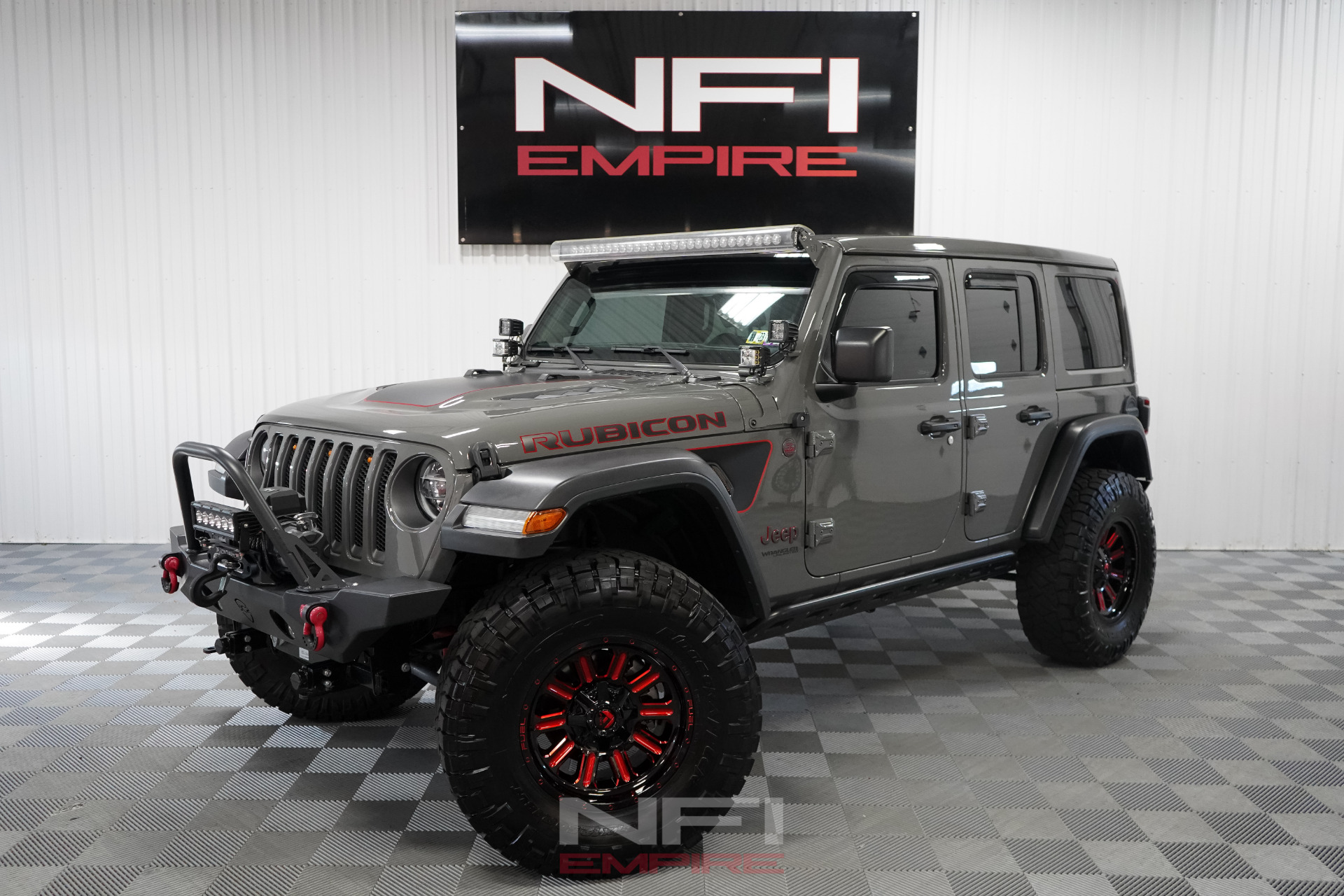
Jeep Wrangler Rubicon 2020: The Definitive Off-Road Powerhouse Review
The 2020 Jeep Wrangler Rubicon remains a benchmark off-road powerhouse because of its specialized Rock-Trac 4x4 system, electronic locking differentials, and disconnectable sway bars. In 2026, it continues to be a highly sought-after p...
The 2020 Jeep Wrangler Rubicon remains a benchmark off-road powerhouse because of its specialized Rock-Trac 4x4 system, electronic locking differentials, and disconnectable sway bars. In 2026, it continues to be a highly sought-after pre-owned vehicle for enthusiasts who prioritize mechanical purity and extreme trail capability over the complex hybrid systems of newer generations.
Contents
The Mechanical Foundation of an Off-Road Legend
To understand why the 2020 Rubicon is labeled an "off-road powerhouse," one must look beneath the sheet metal at the JL-generation architecture. Unlike the lower Sport or Sahara trims, the Rubicon was engineered specifically for low-speed technical maneuvers and high-stress rock crawling. The heart of this capability is the Rock-Trac NV241 OR transfer case. While standard Wranglers utilize a 2.72:1 low-range gear ratio, the Rubicon features a 4:1 ratio. This allows for massive torque multiplication at the wheels, enabling the vehicle to "crawl" over obstacles at a walking pace without requiring constant throttle input.
Complementing the transfer case are the heavy-duty Dana 44 axles found at both the front and rear. These axles are wider and stronger than those on lesser trims, providing the necessary durability to handle larger tires and the stresses of uneven terrain. The 2020 model year benefited from the refined manufacturing processes of the second year of the JL production cycle, addressing some of the early welding and frame concerns seen in 2018 and 2019 models. For the driver, this translates to a vehicle that feels structurally rigid even when articulated to its limits on the trail.
Powering the Powerhouse: Engine Options and the EcoDiesel Debut
The 2020 model year was a pivotal moment for the Wrangler lineup because it marked the introduction of the 3.0L EcoDiesel V6 engine. For off-roaders, torque is the most critical metric, and the EcoDiesel delivered 442 lb-ft of it. This engine transformed the Rubicon into a low-end monster, capable of ascending steep grades with minimal effort. In the current 2026 market, these diesel variants hold their value exceptionally well due to their rare combination of fuel efficiency and raw climbing power.
However, the EcoDiesel was not the only option. The 2020 Rubicon also offered:
- 3.6L Pentastar V6: The reliable workhorse of the Jeep fleet, producing 285 horsepower and 260 lb-ft of torque. It remained the only engine choice for those who preferred a six-speed manual transmission.
- 2.0L Turbocharged I4: Often equipped with the eTorque mild-hybrid system in 2020, this engine provided 295 lb-ft of torque, offering a punchy, responsive feel that many trail riders preferred for "sand bashing" or mud running.
Each engine was paired with an eight-speed automatic transmission (except for the V6 manual option), which provided smooth shifts and helped keep the engines in their optimal power bands during both highway cruising and technical crawling.
Essential Off-Road Hardware: Lockers and Sway Bars
True off-road dominance is not just about power; it is about traction. The 2020 Rubicon features the Tru-Lok electronic locking differentials. By flipping a toggle switch on the dash, the driver can mechanically lock the front and rear axles together, ensuring that all wheels spin at the same speed. This is the difference between getting stuck with one wheel spinning helplessly in the air and powering through a mud hole or over a jagged rock ledge.
Another defining feature is the electronic front sway-bar disconnect. On the pavement, a sway bar is necessary to prevent body roll and keep the vehicle stable during cornering. Off-road, however, it limits wheel travel. The Rubicon allows the driver to disconnect the bar with the push of a button, significantly increasing front-wheel articulation. This keeps the tires in contact with the ground for longer periods, maintaining traction on extremely uneven surfaces. By 2026, these systems have proven their durability, though high-mileage units may require inspection of the electronic actuator motor, which is prone to moisture ingress if the protective seals fail over time.
Geometry and Trail Dimensions
The "powerhouse" status of the 2020 Rubicon is further cemented by its physical dimensions. Clearance is the primary limiting factor for any off-road vehicle. The Rubicon comes standard with 33-inch BFGoodrich All-Terrain T/A KO2 tires, which, combined with the high-clearance fender flares, provide a ground clearance of 10.8 inches.
The approach, breakover, and departure angles are critical for navigating steep inclines and declines without damaging the bodywork. The four-door (Unlimited) model features:
- Approach Angle: 43.9 degrees
- Breakover Angle: 22.6 degrees
- Departure Angle: 37 degrees
These figures meant that in 2020, and still in 2026, the Rubicon could navigate trails that would bottom out almost any other stock SUV. The inclusion of heavy-duty steel rock sliders (rock rails) as standard equipment ensures that if the vehicle does contact a rock, the vulnerable door sills and frame are protected.
Technical Specifications Comparison
When evaluating a 2020 Rubicon today, it is essential to compare the performance metrics across the different powertrain configurations available that year.
| Feature | 3.6L V6 Pentastar | 2.0L Turbo I4 | 3.0L EcoDiesel V6 |
|---|---|---|---|
| Horsepower | 285 hp | 270 hp | 260 hp |
| Torque | 260 lb-ft | 295 lb-ft | 442 lb-ft |
| Transmission | 6-Speed Man / 8-Speed Auto | 8-Speed Auto | 8-Speed Auto |
| Crawl Ratio (Auto) | 77.2:1 | 77.2:1 | 68.0:1 |
| Crawl Ratio (Man) | 84.1:1 | N/A | N/A |
| Max Towing | 3,500 lbs | 3,500 lbs | 3,500 lbs |
| Fuel Economy (Combined) | 19-20 MPG | 21-22 MPG | 25-26 MPG |
Note: Crawl ratios vary based on the transmission's first gear ratio and the transfer case/differential gearing.
The 2026 Ownership Perspective: Reliability and Maintenance
Buying a 2020 Jeep Wrangler Rubicon in 2026 requires a specific maintenance mindset. While the vehicle is a powerhouse, it is also a complex machine that likely spent time in harsh environments. Potential owners should verify that the steering box has been updated; many 2020 models were delivered with a black cast-iron steering box that caused "wandering" on the highway, which Jeep later replaced with a steel unit under a Technical Service Bulletin (TSB).
Furthermore, the 2020 model year was subject to a notable recall regarding the manual transmission clutch pressure plate, which could overheat and fracture. When purchasing a used V6 manual, verifying that this recall work was performed by an authorized dealer is a safety priority. From a long-term durability standpoint, the 2020 Rubicon's use of aluminum in the doors, hood, and fenders helps prevent the rust issues that plagued earlier Jeep generations, though the hinges still require periodic lubrication to prevent galvanic corrosion.
Interior Technology and Utility
Inside the 2020 Rubicon, the focus is on "functional tech." The Uconnect 4C NAV system with an 8.4-inch touchscreen was the top-tier option. Even by 2026 standards, this system is respected for its responsiveness and the inclusion of "Off-Road Pages." These digital gauges provide real-time data on wheel articulation, transmission temperature, pitch and roll, and GPS coordinates—tools that are invaluable when navigating remote backcountry trails.
The interior is designed to be hosed out, featuring removable carpet and drain plugs in the floorboards. The seats in the Rubicon are often finished in a premium cloth or optional leather with red accent stitching and the "Rubicon" logo embroidered into the seatbacks. The modularity of the 2020 model remains its greatest interior asset; the Freedom Top hardtop or the Sunrider soft top can be removed, and the windshield can be folded down for a true open-air experience that competitors struggle to match.
Common Modifications and Aftermarket Support
One reason the 2020 Rubicon remains an "off-road powerhouse" is the massive aftermarket ecosystem. Owners frequently upgrade to 35-inch or 37-inch tires. Because the Rubicon comes with high-clearance flares and Dana 44 axles, it can accommodate 35-inch tires with little to no lift, whereas the Sport and Sahara trims require significant modification. In 2026, the availability of used parts, specialized suspension kits from manufacturers like TeraFlex or Fox, and high-quality recovery gear makes the 2020 Rubicon one of the most customizable platforms on the planet.
Frequently Asked Questions
Is the 2020 Jeep Wrangler Rubicon reliable for daily driving? The 2020 Rubicon is a capable daily driver, but it prioritizes off-road performance over highway comfort. The solid front axle and knobby all-terrain tires result in more road noise and a "truck-like" ride compared to independent front suspension SUVs. However, the 8-speed automatic transmission and modern interior amenities make it much more livable than previous generations.
What is the difference between the 2020 Rubicon and the Sahara? The Rubicon is built for maximum off-road capability, featuring the Rock-Trac 4x4 system, 4:1 low range, locking differentials, and a sway-bar disconnect. The Sahara is designed for on-road comfort and "light" off-roading, featuring the Command-Trac system with a 2.72:1 ratio, more luxury-oriented interior finishes, and street-biased tires.
Does the 2020 Rubicon have a high resale value? Yes, the Wrangler Rubicon historically has one of the highest resale values in the automotive industry. In 2026, 2020 models remain expensive because they represent a "sweet spot" of modern JL technology without the extreme price tags of brand-new units or the added complexity of the 4xe plug-in hybrid systems.
Can the 2020 Jeep Wrangler Rubicon tow a trailer? The four-door Unlimited Rubicon is rated to tow up to 3,500 pounds, while the two-door model is rated for 2,000 pounds. This is sufficient for a small utility trailer, a teardrop camper, or a pair of jet skis, but it is not intended for heavy-duty hauling.
What should I look for when buying a used 2020 Rubicon? Check for underbody damage (scrapes on the skid plates are normal, but frame dents are not), ensure the lockers and sway-bar disconnect engage quickly, and verify that all recalls, especially the steering box and clutch (for manuals), have been addressed.
Final Recommendation for 2026 Buyers
For those seeking an uncompromising off-road powerhouse, the 2020 Jeep Wrangler Rubicon stands as a premier choice in 2026. Its combination of mechanical lockers, extreme crawl ratios, and the availability of the high-torque EcoDiesel engine makes it a versatile tool for both technical rock crawling and overlanding. Before purchasing, prioritize vehicles with a documented service history that specifically mentions the resolution of early JL steering issues. If the goal is to own a vehicle that can traverse the Rubicon Trail straight from the showroom floor—or the used car lot—the 2020 Rubicon remains the gold standard.
Image Gallery