Understanding How MVD Auto Insurance Requirements Work for Drivers
State Motor Vehicle Departments (MVDs) or Departments of Motor Vehicles (DMVs) manage the legal framework for vehicle operation, which hinges on mandatory financial responsibility. Drivers must maintain proof of insurance to ensure tha...
State Motor Vehicle Departments (MVDs) or Departments of Motor Vehicles (DMVs) manage the legal framework for vehicle operation, which hinges on mandatory financial responsibility. Drivers must maintain proof of insurance to ensure that, in the event of an accident, they have the backing to cover liability for bodily injury or property damage. This process involves a continuous cycle of verification, compliance monitoring, and potential penalties for lapses in coverage.
Contents
The Core Concept of Financial Responsibility
At the state level, the government mandates that all drivers demonstrate "financial responsibility" before they are permitted to operate a vehicle on public roadways. This requirement is typically satisfied through an insurance policy issued by a licensed provider. The MVD does not sell insurance; rather, it acts as a regulatory body that enforces the law by monitoring your insurance status through a digitized reporting system.
When you purchase an auto insurance policy, your provider is required by state law to report the coverage status to the MVD. This creates a digital link between your vehicle registration, your driver’s license, and your active policy. If that link is broken—usually due to a policy cancellation, non-payment, or expiration—the insurance carrier sends a notification to the state, triggering an investigation into your registration status.
The Verification Process: How States Monitor Compliance
Most states utilize a real-time or batch-based electronic insurance verification system (EIVS). This system cross-references the list of active vehicle registrations against the active insurance policies reported by carriers.
- Initial Registration: When you register a vehicle, you must provide proof of insurance. This entry creates a record that your vehicle is covered.
- Ongoing Monitoring: The MVD’s database periodically checks your policy status. Modern systems are increasingly moving toward real-time verification, meaning they can detect a lapse in coverage almost immediately.
- Random Verification: Some states supplement electronic reporting with random requests for proof of insurance. If you are selected, you will receive a formal notice via mail requiring you to submit documentation from your insurer verifying that you were covered on a specific date.
- Law Enforcement Integration: During a traffic stop, officers use mobile terminals to query the MVD database. If the database indicates your insurance is inactive, you may be cited for failure to provide evidence of financial responsibility, regardless of whether you have an insurance card in your glove box.
Prerequisites for Compliance
To satisfy MVD requirements, your insurance must meet specific minimum liability limits. These limits are set by state statute and vary significantly across jurisdictions. Generally, policies must include:
- Bodily Injury Liability: Covers injuries to other people caused by your vehicle.
- Property Damage Liability: Covers damage to another person's vehicle or property (such as fences, buildings, or street signs).
It is important to note that these state-mandated minimums are rarely sufficient to cover the total costs of a major accident. They are "floor" requirements—the bare minimum needed to legally register a car. Many drivers choose to carry higher limits or additional coverage like Uninsured Motorist (UM) protection, Collision, and Comprehensive coverage to protect their personal assets from lawsuits.
Table 1: Comparison of MVD Insurance Requirements
| Feature | State Minimum Requirement | Recommended Coverage |
|---|---|---|
| Bodily Injury (Per Person) | Legal Minimum (e.g., $25,000) | $100,000+ |
| Bodily Injury (Per Accident) | Legal Minimum (e.g., $50,000) | $300,000+ |
| Property Damage | Legal Minimum (e.g., $15,000) | $50,000+ |
| Financial Exposure | Limited to policy caps | Full asset protection |
| Policy Purpose | Regulatory compliance | Financial risk mitigation |
Handling Lapses and Reinstatement
A "lapse in coverage" occurs when a policy is canceled or expires without a new policy taking effect immediately. Because the MVD monitors these records electronically, even a one-day lapse can trigger a letter of inquiry.
If you receive a notice that your insurance has lapsed, do not ignore it. The MVD process usually follows a strict timeline:
- Notice of Intent to Suspend: The state will notify you that your registration is at risk of suspension.
- Submission of Proof: You must provide an original insurance card, a declaration page, or a letter from your agent verifying that you were covered during the period in question.
- Reinstatement Fees: If you were indeed uninsured, you will likely face fines and suspension of your driving privileges or vehicle registration. To reinstate, you will need to pay the required state fees and provide proof of a new, active policy.
Common Mistakes Drivers Make
- Assuming One Policy Covers Multiple States: If you move from one state to another, your old insurance policy may not meet the new state's MVD requirements. Always notify your insurer immediately upon moving.
- Neglecting to Update the MVD: If you change your insurance company, ensure the new provider has the correct vehicle identification number (VIN) and that they are authorized to report data in your state.
- Letting Policies Expire during Storage: Even if you are not driving your vehicle, the state requires insurance if the car is registered. If you intend to take a car off the road for a long period, you must officially "de-register" or "non-op" the vehicle with the MVD to legally cancel the insurance.
Troubleshooting Your Insurance Status
If you find yourself in a dispute regarding your insurance status, start by contacting your insurance agent. Ask for a "certificate of insurance" or a verified statement of coverage. If the MVD records are incorrect due to a clerical error by the insurance company, the carrier is responsible for submitting a correction to the state.
If the error is due to an MVD system glitch, you may need to visit a field office in person to provide physical copies of your insurance documents. Always keep digital and physical copies of your policy’s declaration page for at least one year.
Frequently Asked Questions
Does a lapse in insurance affect my future rates? Yes. Insurance companies view a lapse in coverage as a high-risk indicator. Even if the state does not fine you for the lapse, your insurance premiums may increase significantly when you apply for a new policy because you will be classified as a "non-standard" driver.
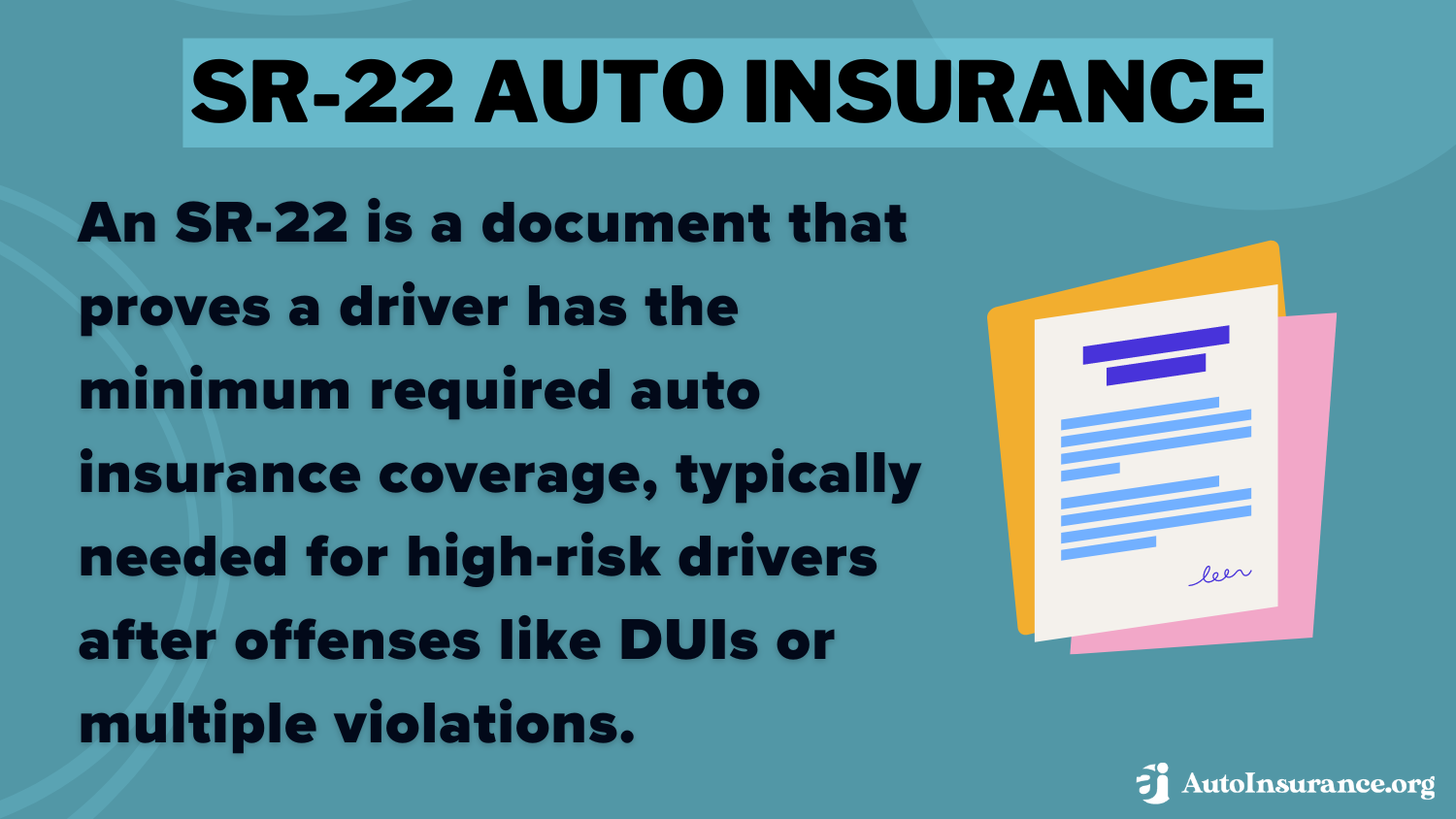
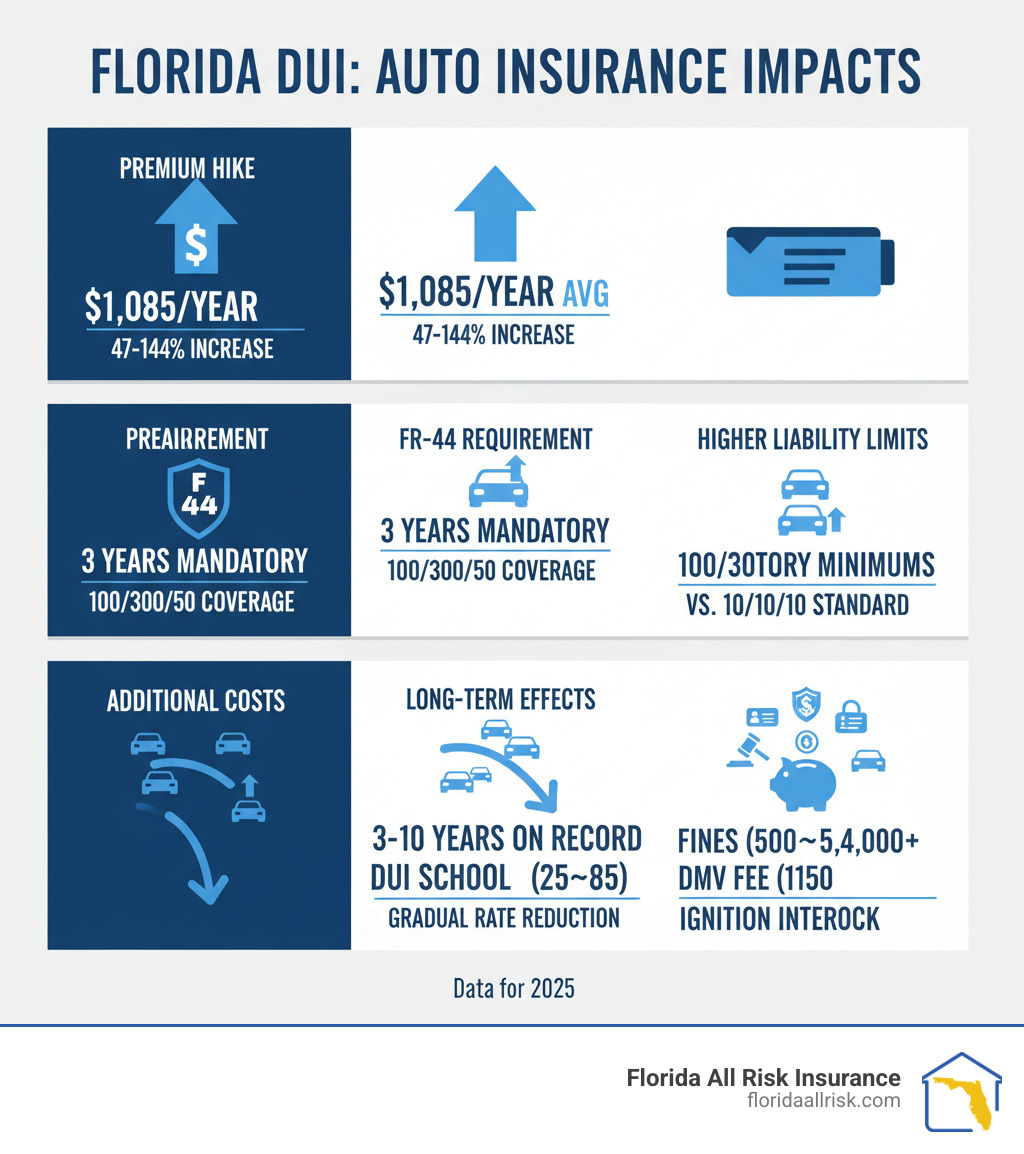
What is an SR-22 or FR-44 filing? These are not insurance policies themselves, but rather certificates of financial responsibility required by the MVD after a major violation, such as a DUI or driving without insurance. They act as a guarantee to the state that you have the required coverage.
Can I show digital insurance cards to the police? In most jurisdictions, yes. As of 2026, the vast majority of states allow drivers to present their proof of insurance via a smartphone app. However, it is prudent to keep a physical copy in your vehicle in case of a drained battery or poor cellular service.
Do I need insurance if I am just a casual driver? If you own and register a vehicle in your name, the state requires you to maintain insurance regardless of how frequently you drive. If you drive a vehicle owned by someone else, you should be listed as a covered driver on that person's policy.
What happens if I sell my car? When you sell a vehicle, you must notify the MVD and cancel the registration. If you cancel the insurance before notifying the MVD that the car is sold, the state may flag your record for an insurance lapse.
Recommendation for Drivers
To ensure seamless compliance, maintain a folder containing your current insurance declaration page and the most recent registration document. If you switch insurance providers, confirm that the new company is licensed to operate in your state and verify that your VIN is correctly recorded. Periodically log into your state’s official MVD website portal to verify that the insurance status on file matches your current policy. This proactive step prevents automatic registration suspensions caused by reporting delays or simple clerical errors.
Image Gallery