The US Air Base in Saudi Arabia Explained: History, Operations, and Strategic Role
The primary U.S. military presence in Saudi Arabia is centered at Prince Sultan Air Base (PSAB), located in Al-Kharj. While the United States significantly reduced its footprint in 2003, forces returned in 2019 to bolster regional air...
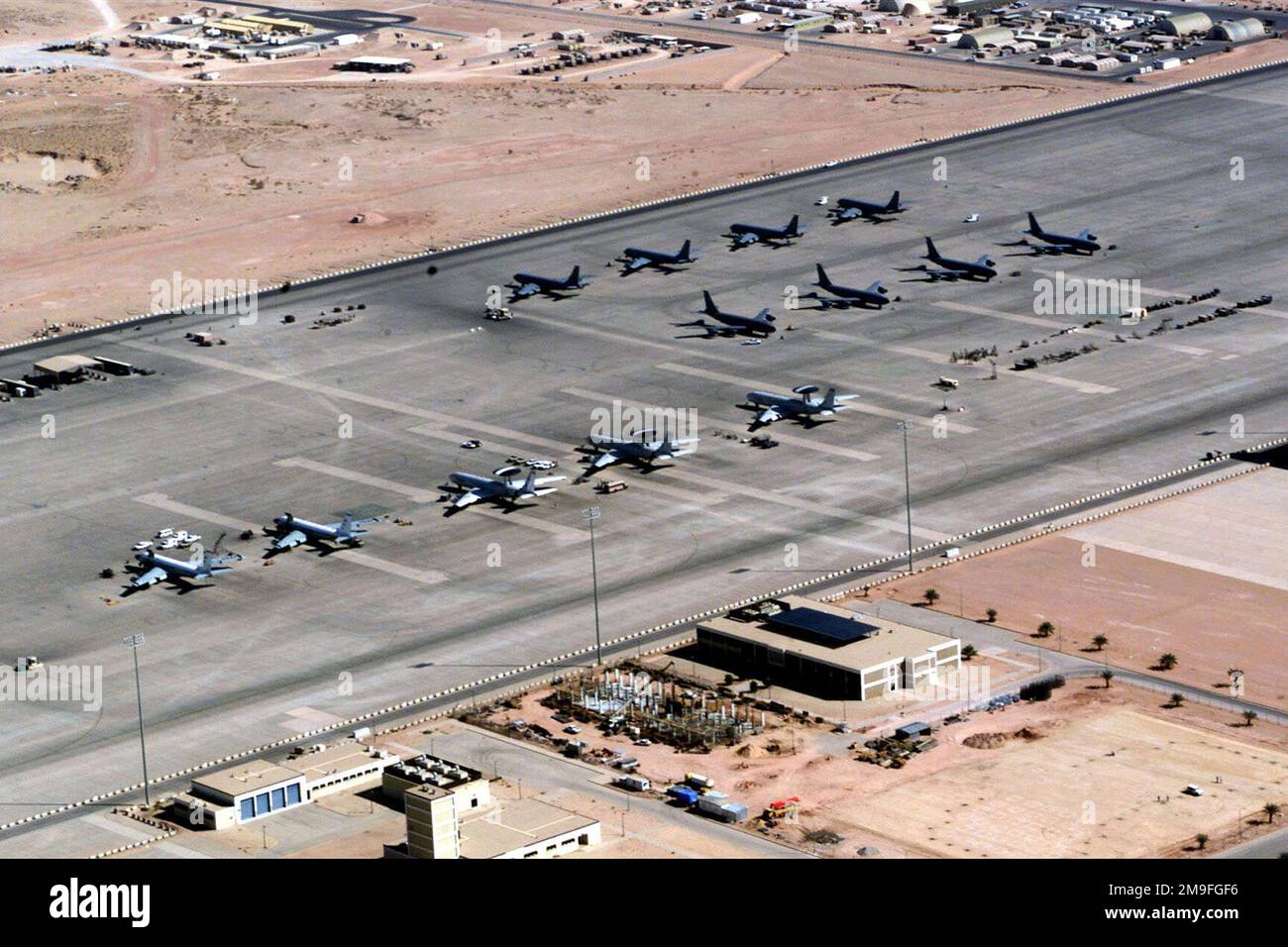
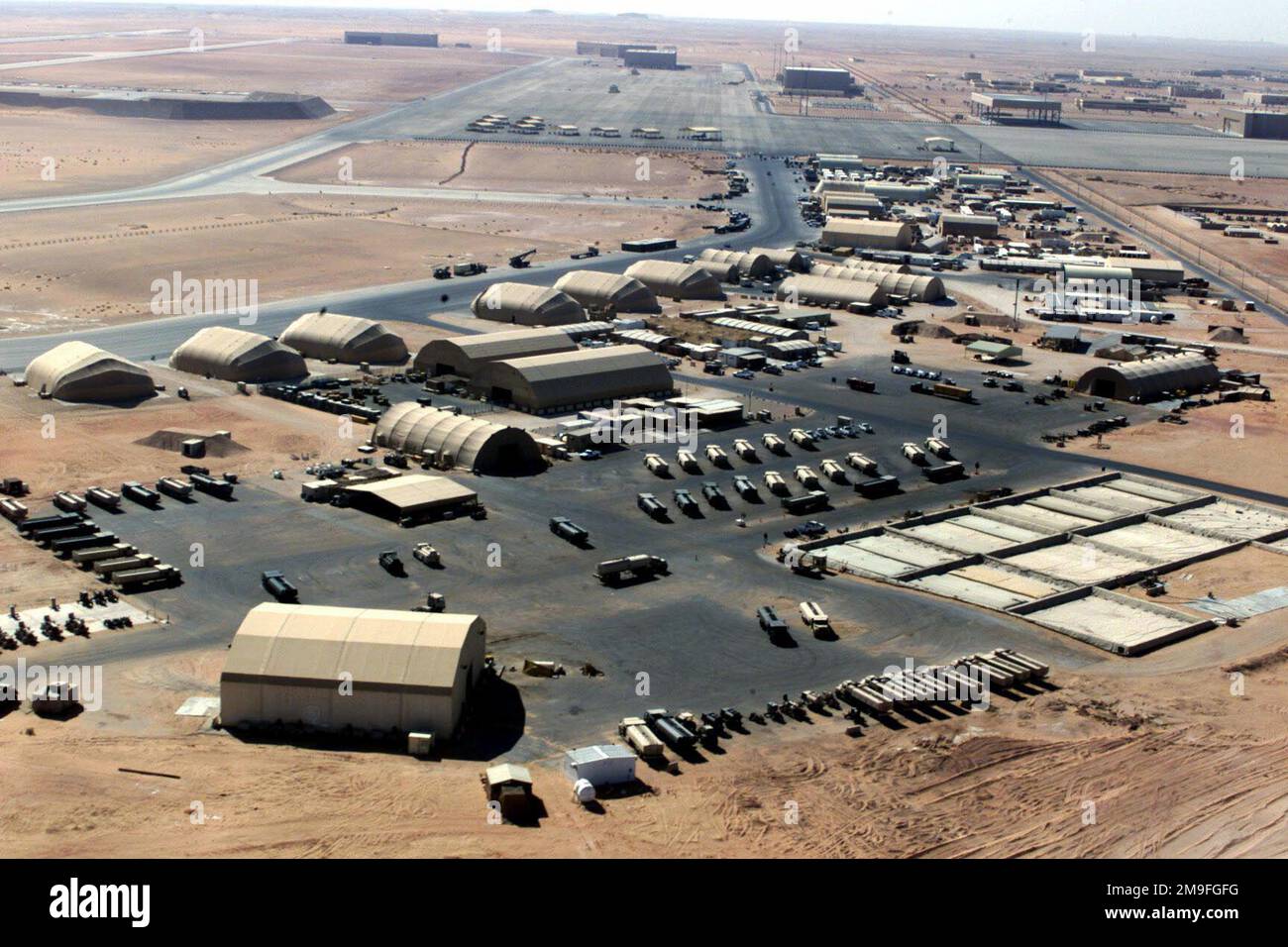
The primary U.S. military presence in Saudi Arabia is centered at Prince Sultan Air Base (PSAB), located in Al-Kharj. While the United States significantly reduced its footprint in 2003, forces returned in 2019 to bolster regional air defenses. As of 2026, PSAB serves as a critical hub for integrated air and missile defense, hosting fighter squadrons and specialized surveillance assets to maintain regional stability.
Contents
The history of the United States military presence in the Kingdom of Saudi Arabia is a complex narrative of strategic necessity, shifting geopolitical alliances, and logistical mastery. Far from being a static "garrison," the U.S. footprint has expanded and contracted based on the immediate threats facing the Arabian Peninsula. To understand the "U.S. air base" in Saudi Arabia today, one must look at the evolution of Prince Sultan Air Base (PSAB) and the broader context of the U.S.-Saudi security partnership.
The Evolution of the U.S. Military Footprint
The U.S. military relationship with Saudi Arabia dates back to the mid-1940s, specifically with the construction of the Dhahran Airfield. Originally envisioned as a link for transport and a counter to Soviet influence during the Cold War, the airfield established the precedent for U.S. access to Saudi facilities. However, the modern era of the "U.S. air base" truly began in 1990.
The Gulf War and Operation Desert Shield
Following Iraq’s invasion of Kuwait in August 1990, the Saudi government invited U.S. forces to the Kingdom to prevent further Iraqi aggression. This led to a massive influx of personnel and aircraft. Prince Sultan Air Base, located in the desert south of Riyadh, became the nerve center for these operations. Throughout the 1990s, PSAB hosted the 363rd Air Expeditionary Wing and served as the headquarters for Operation Southern Watch, which enforced the no-fly zone over southern Iraq.
At its peak in the late 1990s, PSAB was a "city in the sand," housing over 5,000 U.S. and allied troops. It featured sophisticated Command and Control (C2) centers that coordinated thousands of sorties across the region. However, this presence was not without friction. Domestic political pressure within the Kingdom and the 1996 bombing of the Khobar Towers—a housing complex for U.S. military personnel in Dhahran—eventually led to a reassessment of the permanent U.S. presence.
The 2003 Withdrawal to Qatar
In 2003, following the invasion of Iraq, the United States and Saudi Arabia announced the withdrawal of most U.S. combat forces from the Kingdom. The Combined Air Operations Center (CAOC), which had been the brains of the regional air war, was moved to Al Udeid Air Base in Qatar. For over fifteen years, the U.S. maintained only a small training and advisory mission in Saudi Arabia, primarily through the United States Military Training Mission (USMTM) and the Office of the Program Manager-Saudi Arabian National Guard (OPM-SANG).
The Return to Prince Sultan Air Base (PSAB)
The "explained" status of U.S. air bases in Saudi Arabia changed dramatically in 2019. In response to increased regional tensions and kinetic attacks on Saudi energy infrastructure—specifically the strikes on the Abqaiq and Khurais oil processing facilities—the U.S. Department of Defense authorized the redeployment of forces to PSAB.
The 378th Air Expeditionary Wing
The current U.S. presence is managed by the 378th Air Expeditionary Wing (AEW). Unlike the permanent bases seen in Germany or Japan, PSAB is considered an "expeditionary" location. This means the infrastructure is designed for flexibility, allowing the U.S. to scale its force up or down based on the threat environment.
As of 2026, the mission at PSAB focuses on three primary pillars:
- Integrated Air and Missile Defense (IAMD): Utilizing Patriot missile batteries and Terminal High Altitude Area Defense (THAAD) systems to protect against ballistic missiles and drone swarms.
- Air Superiority: Maintaining fighter squadrons (typically F-15E Strike Eagles or F-16 Fighting Falcons) to deter aerial aggression.
- Regional Cooperation: Training alongside the Royal Saudi Air Force (RSAF) to improve "interoperability," which is the ability of two different militaries to operate together seamlessly using shared communication and tactical protocols.
Key Locations and Facilities
While Prince Sultan Air Base is the primary operational site, the U.S. military utilizes several locations to support its mission within the Kingdom.
| Facility Name | Primary Function | Current Status (2026) |
|---|---|---|
| Prince Sultan Air Base (PSAB) | Main Operational Hub / Air Defense | Active: 378th Air Expeditionary Wing headquarters. |
| Eskan Village | Housing and Administrative Support | Active: Secure residential compound for personnel. |
| King Abdulaziz Air Base | Logistics and Transport | Periodic use for transit and joint exercises. |
| King Fahd Air Base | Training and Advisory | Limited presence for RSAF training missions. |
Life at Prince Sultan Air Base
For service members stationed at PSAB, life is characterized by the harsh desert environment and the "expeditionary" nature of the base. Most personnel live in "RLBs" (Relocatable Buildings) or hardened tents. Despite the austere setting, the base includes necessary amenities such as dining facilities (DFACs), fitness centers, and communication hubs to allow troops to contact their families.
The security of the base is a joint effort. While U.S. Security Forces patrol the interior and technical perimeters, the Royal Saudi Air Force and Saudi security agencies manage the outer cordons and broader airspace security. This "base-within-a-base" model ensures that Saudi sovereignty is respected while allowing U.S. forces the autonomy needed for technical operations.
Strategic Significance in 2026
The presence of U.S. assets at PSAB is a vital component of the United States Central Command (CENTCOM) strategy. In 2026, the strategic importance of this location is driven by several factors:
Deterrence of State and Non-State Actors
The primary goal of the U.S. air base presence is to prevent conflict before it starts. By placing advanced radar systems and interceptors on Saudi soil, the U.S. creates a "defensive umbrella." This makes it significantly more difficult for regional adversaries to conduct successful long-range strikes against critical global energy supplies or civilian population centers.
The Security of Global Energy Markets
The Eastern Province of Saudi Arabia contains some of the world's largest oil reserves and processing facilities. Disruption to these sites has immediate effects on global fuel prices. The U.S. air presence serves as a physical guarantee of the stability of these markets, which remains a core interest of U.S. foreign policy regardless of the current energy transition trends.
Counter-UAS (Unmanned Aircraft Systems) Operations
One of the most significant shifts in modern warfare is the rise of low-cost, one-way attack drones. PSAB has become a testing ground and operational hub for Counter-UAS technology. The U.S. uses a combination of electronic warfare (jamming), kinetic interceptors, and high-powered lasers to defend against these "asymmetric" threats.
Operational Constraints and Legal Frameworks
The operation of a U.S. air base in Saudi Arabia is governed by strict bilateral agreements. It is important to clarify that these are Saudi Arabian bases where U.S. forces are guests.
- Status of Forces Agreements (SOFA): These legal frameworks define the legal status of U.S. personnel, including jurisdiction over legal offenses and the tax-free import of military equipment.
- Operational Approval: Generally, the U.S. does not launch offensive combat sorties from Saudi soil against third-party nations without explicit coordination and approval from the Saudi government. The current mission is primarily defined as "defensive."
- Cultural Sensitivity: Personnel are briefed extensively on local customs and Islamic traditions. During the month of Ramadan, for example, base operations are adjusted to respect the local fasting hours, and off-base travel is often restricted to ensure minimal disruption to the host nation's religious observances.
Challenges and Future Outlook
Maintaining a military presence in Saudi Arabia involves navigating a landscape of shifting political priorities. In the U.S., there is often debate regarding the extent of military support provided to the Kingdom. Conversely, in Saudi Arabia, the government continues to balance its security needs with a long-term goal of "Saudiization" of its defense industry—reducing reliance on foreign troops by training its own sophisticated force.
As we look toward the remainder of 2026 and beyond, the "expeditionary" nature of PSAB is its greatest asset. It allows the U.S. to maintain a "light footprint" that can be rapidly reinforced if a crisis emerges, without the political baggage of a permanent Cold War-style garrison.
Common Questions Regarding U.S. Bases in Saudi Arabia
Is Prince Sultan Air Base a permanent U.S. base?
No. PSAB is a Royal Saudi Air Force base. The U.S. presence there is expeditionary, meaning it is based on temporary deployments and bilateral agreements rather than a permanent land lease like Guantanamo Bay or certain bases in Japan.
How many U.S. troops are in Saudi Arabia in 2026?
While numbers fluctuate based on current rotations, the force typically ranges between 2,000 and 3,000 personnel. This includes aircrews, maintenance teams, security forces, and missile defense operators.
Why did the U.S. leave Saudi Arabia in 2003?
The withdrawal in 2003 was due to several factors: the end of the "no-fly zone" mission over Iraq, the desire to reduce the U.S. profile in the Kingdom to ease domestic political pressure on the Saudi government, and the availability of more modern facilities in Qatar.
Do U.S. forces pay to use the base?
The financial arrangements are often shared. While the U.S. pays for its own personnel and specialized equipment, the Saudi government frequently contributes to "burden sharing," which includes providing fuel, electricity, and some infrastructure improvements that benefit both militaries.
What aircraft are currently stationed there?
The 378th AEW typically hosts F-15E Strike Eagles, which are versatile multi-role fighters. Additionally, the base supports E-3 Sentry (AWACS) for "eyes in the sky" surveillance and various transport aircraft like the C-130 Hercules.
Recommended Next Actions for Researchers
If you are tracking the status of U.S. military movements in the Middle East, it is recommended to monitor official U.S. Central Command (CENTCOM) press releases and the Air Force Times for updates on wing rotations. Furthermore, the Congressional Research Service (CRS) provides periodic reports on "Saudi Arabia: Background and U.S. Relations," which offer deep-dive analyses into the legal and financial frameworks supporting these air bases. Understanding the distinction between a "permanent base" and an "expeditionary presence" is vital for any accurate analysis of regional geopolitics.
Image Gallery