Passenger Guide to 72-Seat Comfort Inside the ATR 72-600
Flying on a 72-seat configured ATR 72-600 offers a modern regional turboprop experience characterized by the slimline Armonia cabin design, LED lighting, and enlarged overhead bins. While the 72-seat layout reduces seat pitch to approx...
Flying on a 72-seat configured ATR 72-600 offers a modern regional turboprop experience characterized by the slimline Armonia cabin design, LED lighting, and enlarged overhead bins. While the 72-seat layout reduces seat pitch to approximately 29 inches, modern ergonomic seats and lower propeller noise make short-haul flights comfortable when passengers choose their seats strategically.
Contents
Overview of the ATR 72-600 Cabin Architecture
The ATR 72-600 is the flagship regional turboprop produced by Avions de Transport Régional (ATR). Designed specifically for short-haul regional air routes, short-runway capability, and fuel efficiency, the aircraft features the custom Armonia cabin, introduced by Italian automotive designer Giugiaro Design.
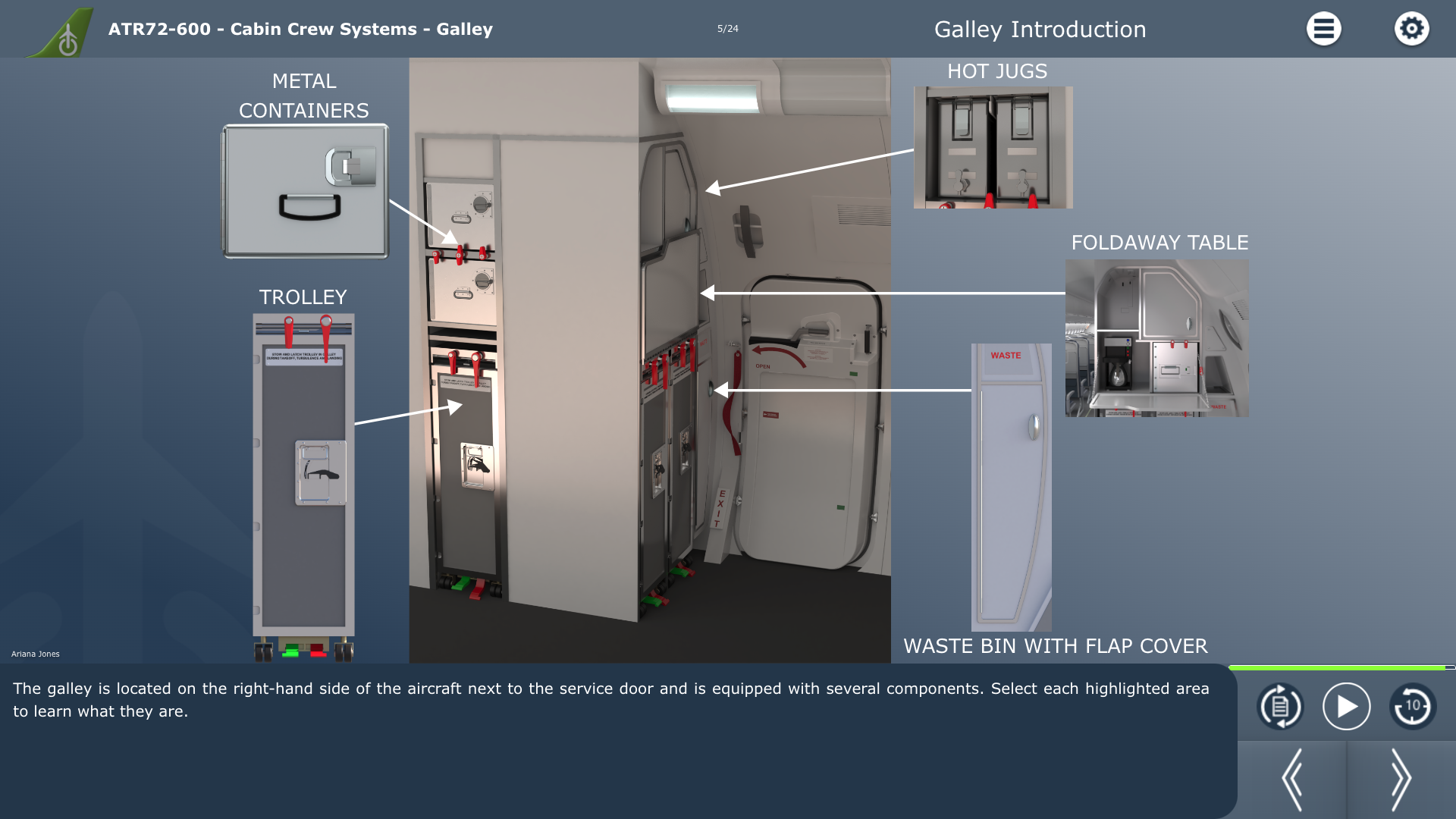
When airlines configure the ATR 72-600 with 72 seats, they adopt a high-density layout optimized for high-demand regional corridors. The seating arrangement is uniformly set in a 2x2 configuration across 18 rows, separated by a single central aisle. Unlike conventional narrowbody jetliners, passenger entry and exit occur primarily through the rear left door, while the front section of the aircraft houses cargo, baggage compartments, and the main galley area.
- Cockpit
- Cargo / Galley (Main Baggage Compartment - Front)
- Row 1 [A B] [C D] (Forward Bulkhead / Quiet Zone)
- Row 2 [A B] [C D]
- Row 3 [A B] [C D]
- Row 4 [A B] [C D] (Propeller / Engine Zone - Rows 4-7, Higher sound and vibration)
- Row 5 [A B] [C D]
- Row 6 [A B] [C D]
- Row 7 [A B] [C D]
- ...
- Row 17 [A B] [C D]
- Row 18 [A B] [C D] (Rear Entry Door & Lavatory)
Understanding this physical layout is essential for anticipating comfort levels. In a 72-seat arrangement, the physical space inside the fuselages is maximized to deliver efficient transport without sacrificing basic passenger ergonomics.
Detailed Dimensions and Comfort Metrics
Passenger comfort inside any commercial aircraft depends on physical dimensions: seat pitch, seat width, aisle clearance, and overhead storage capacity. In a 72-seat ATR 72-600, these dimensions reflect a tight balancing act between passenger count and regional flight endurance (typically 45 to 90 minutes).
Seat Pitch and Legroom
- Seat Pitch: In a 72-seat configuration, seat pitch averages 29 inches (73.7 cm). By comparison, lower-density 68-seat layouts offer a pitch of 30 to 31 inches.
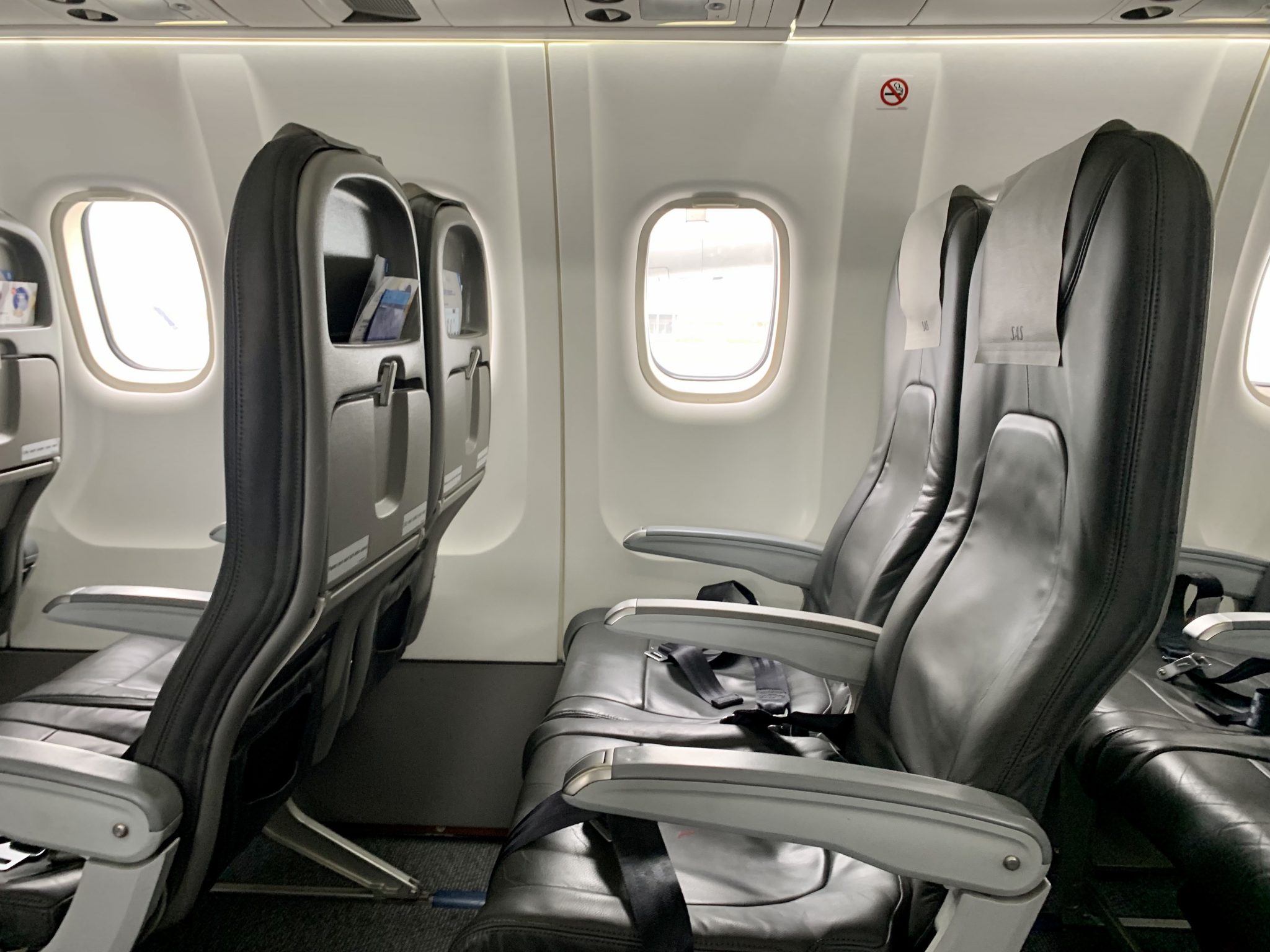
- Effective Knee Room: Despite the tighter 29-inch pitch, modern slimline seat frames (such as those supplied by Geven) utilize sculpted seatbacks and elevated magazine pockets. This design restores roughly 1 to 1.5 inches of knee clearance compared to older-generation plush seats found on the ATR 72-500.
- Under-Seat Footwell: The seat support structure provides an open footwell beneath the forward seat, allowing passengers under 6 feet (183 cm) to stretch their feet under the seat in front.
Seat Width and Aisle Dimensions
- Seat Width: Seat cushion width ranges between 17 inches (43.2 cm) and 18 inches (45.7 cm) between armrests, matching or slightly exceeding standard narrowbody economy seats like those on Boeing 737 aircraft.
- Aisle Width: The central aisle measures approximately 16 to 18 inches (40.6 to 45.7 cm). While adequate for boarding, moving down the aisle with large personal items requires care.
- Cabin Ceiling Height: The central ceiling clearance stands at 6 feet 3 inches (1.91 m), allowing most passengers to walk upright without stooping.
Overhead Bin Capacity
The Armonia cabin redesigned the overhead stowage bins to increase total volume by up to 30% over earlier ATR models.
- Overhead bins accommodate standard regional roll-aboard bags placed sideways or flat.
- Heavier carry-on suitcases may still require gate-checking on fully loaded regional flights due to weight limits and cabin compartment dimensions.
Technical Comfort Specifications Matrix
To understand how the 72-seat ATR 72-600 compares with other standard regional aircraft configurations, consider the verified specifications below:
| Aircraft / Configuration | Total Seats | Average Seat Pitch | Seat Width | Noise Level (Cruising) | Boarding Access | Overhead Bin Capacity |
|---|---|---|---|---|---|---|
| ATR 72-600 (72-Seat) | 72 | 29 in (73.7 cm) | 17.5 in (44.5 cm) | Moderate (~75–78 dBA) | Rear Door Primary | Expanded Armonia Bins |
| ATR 72-600 (68-Seat) | 68 | 30–31 in (76.2–78.7 cm) | 17.5 in (44.5 cm) | Moderate (~75–78 dBA) | Rear Door Primary | Expanded Armonia Bins |
| De Havilland Dash 8 Q400 | 76–78 | 29–30 in (73.7–76.2 cm) | 17.3 in (43.9 cm) | Moderate (Active Noise Reduction) | Front & Rear Doors | Standard Regional Bins |
| Embraer E175 (Economy) | 76–88 | 30–31 in (76.2–78.7 cm) | 18.0 in (45.7 cm) | Low (~72–75 dBA) | Front Left Door | Full-Size Roller Bins |
Seat Ergonomics and Cabin Environment
Slimline Seat Ergonomics
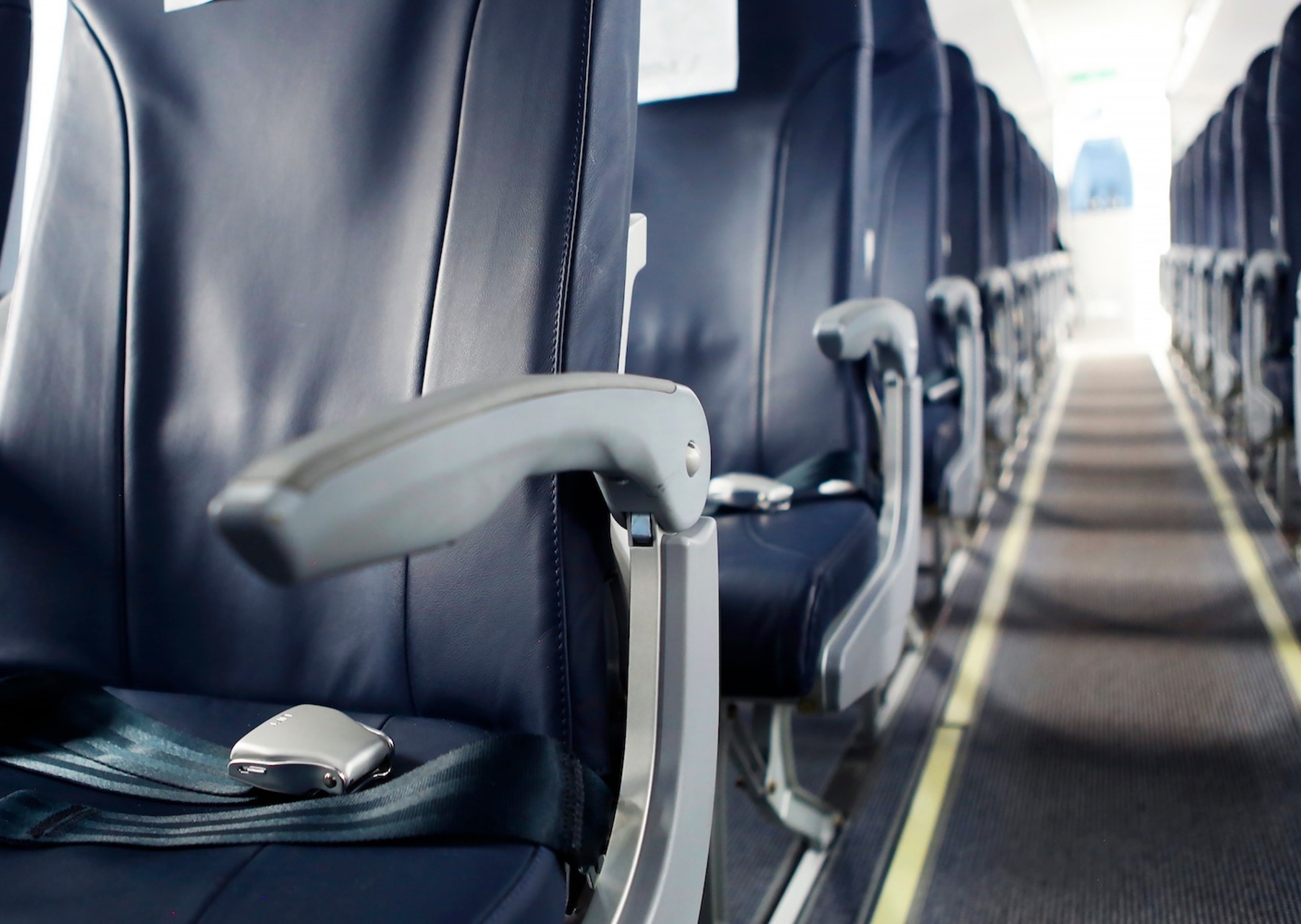
The comfort of the 72-seat layout relies heavily on lightweight slimline seats. Aircraft operators usually equip these seats with pre-reclined backrests fixed at an angle of 15 to 18 degrees, or limited hydraulic recline mechanism (1 to 2 inches max).
While fixed or limited recline prevents the passenger in front from encroaching on your workspace, it limits adjustable lumbar support. The cushion firmness is engineered for regional sectors up to two hours; on longer flights, the firm seat padding can lead to lower back stiffness.
- Slimline Seat Profile (29-Inch Pitch)
- Headrest
- Sculpted Ergonomic Backrest (Saves ~1.5" Knee Room)
- High-Mounted Literature Pocket
- Seat Base
- Open footwell space for feet
Acoustic Comfort and Noise Insulation
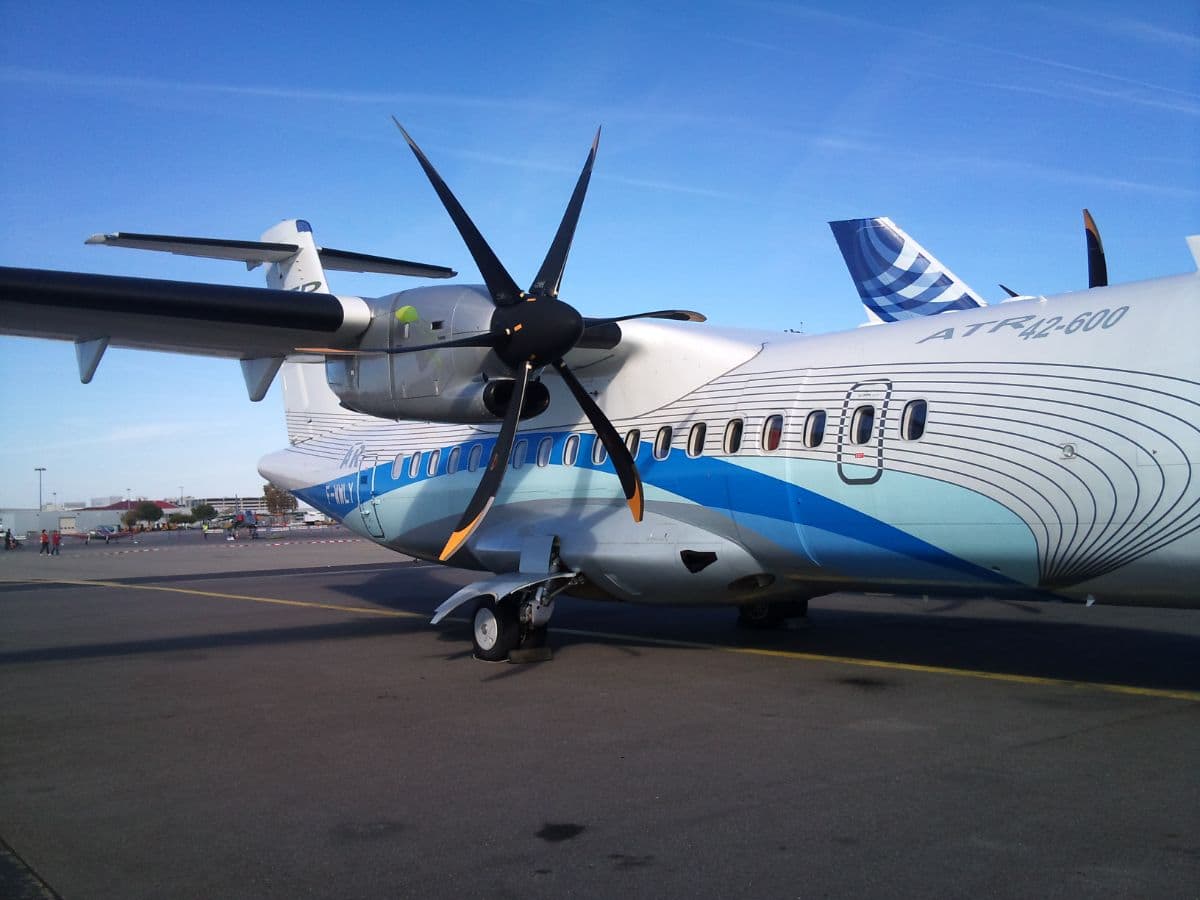
A primary concern on turboprop aircraft is cabin noise generated by the propeller blades and engine exhaust. The ATR 72-600 addresses this through structural dampening and dynamic engine synchrophasers driven by its Pratt & Whitney PW127 series engines.
- Propeller Plane (Rows 4 to 7): Positioned directly adjacent to the six-bladed Hamilton Sundstrand propellers. Passengers sitting in these rows experience higher acoustic energy (a low-frequency acoustic hum) and mild hull vibration.
- Aft Cabin (Rows 12 to 18): Noticeably quieter in terms of propeller noise, though air conditioning pack airflow sound is slightly elevated near the rear ceiling outlets.
- Forward Cabin (Rows 1 to 3): Offers the quietest inflight sound profile, as it sits well ahead of the propeller arc and engine nacelles.
Climate Control and LED Lighting
The Armonia cabin incorporates full LED mood lighting that can transition between warm boarding tones and cooler ambient light during cruise. This reduces eye strain during early morning or evening flights.
The air conditioning system refreshes cabin air every few minutes. However, because the main door remains open during ground operations in warm climates, the cabin can warm up quickly before the engines or Auxiliary Power Unit (APU) establish full environmental control.
Strategic Seat Selection in a 72-Seat Layout
Selecting the right seat on a 72-seat ATR 72-600 significantly alters the flight experience. Passengers must account for noise levels, legroom variations, and the unique rear-boarding procedure.
- Recommended Seating Zones
- Rows 1-3: Best for Quiet / Quick Exit Prep
- Rows 4-7: Higher Propeller Noise / Vibration
- Rows 8-14: Balanced Flight / Wing Views
- Rows 15-18: Fastest Deboarding / Near Lavatory
The Best Seats on the Aircraft
- Row 1 (Bulkhead Seats 1A, 1B, 1C, 1D): Offers maximum knee space due to the forward bulkhead wall, eliminating seat-recline encroachment. However, under-seat storage during takeoff and landing is prohibited, requiring all personal items to go into overhead bins.
- Exit Rows: On configurations featuring mid-cabin emergency exits, these seats offer additional pitch (up to 34 inches). Passengers must meet civil aviation authority requirements, such as those governed by the Federal Aviation Administration or European Union Aviation Safety Agency, to occupy exit rows.
- Rows 15 to 18 (Rear Section): Ideal for passengers carrying tight connection itineraries. Because boarding and disembarkation occur via the rear left passenger door, sitting in the back rows allows you to deboard first.
Seats to Avoid
- Rows 4 through 7 (Propeller Line): These rows suffer from higher noise levels and structural vibrations. Noise-canceling headphones are recommended if assigned to these seats.
- Row 18 (Last Row): Located directly adjacent to the rear galley and lavatory. Frequent passenger foot traffic, door movement, and reduced seat recline make this row less desirable.
- Window Seats without Alignment: Due to window frame spacing on the fuselage, certain rows align between window ports, forcing passengers to lean forward or backward to look outside.
Practical Tips for Flying on a 72-Seat ATR 72-600
To maximize comfort on a 72-seat ATR 72-600 flight, keep the following practical guidelines in mind:
- Pack Compact Personal Items: Under-seat clearance is adequate, but narrow frame posts mean bulky backpacks or rigid briefcases may reduce foot space. Use soft-sided personal bags.
- Bring Active Noise-Canceling Headphones: Although the -600 series is substantially quieter than older turboprops, low-frequency engine hum remains noticeable throughout climb and cruise.
- Plan Boarding Strategy Based on Row: If seated in Rows 15 to 18, board early to secure overhead space, knowing you will also be the first to disembark from the rear door.
- Prepare for Temperature Shifts: Ground heating or cooling on regional turboprops can lag while waiting on the tarmac. Dress in easily removable layers.
- Manage Taller Stature: Passengers over 6 feet 2 inches (188 cm) should aim for Row 1 or aisle seats (B or C) to extend legs slightly into the aisle when flight attendants are not moving service carts.
Frequently Asked Questions
Is a 72-seat ATR 72-600 tighter than older ATR models?
While the 72-seat layout places seats closer together (approx. 29-inch pitch) compared to 68-seat layouts, the modern Armonia slimline seats feature thinner, sculpted backrests. This provides comparable knee clearance to older 30-inch pitch padded seats on ATR 72-500 aircraft.
Where do passengers board and deboard the ATR 72-600?
On almost all ATR 72-600 passenger operations, boarding and deboarding take place through the rear left passenger door. The front door is primarily reserved for crew access and cargo loading.
Can standard roll-aboard suitcases fit in the overhead bins?
Yes, standard carry-on suitcases compliant with airline dimensions fit inside the enlarged Armonia overhead bins. However, on fully loaded 72-seat flights, gate agents may ask passengers to gate-check larger bags due to total cabin volume limits.
What are the quietest seats on the 72-seat ATR 72-600?
The quietest seats are in the front rows (Rows 1 to 3), as they sit ahead of the engines and propeller noise arc. The rear rows are also quieter than the middle rows near the engines.
Do seats recline on the 72-seat ATR 72-600?
Most regional airlines operating 72-seat ATR 72-600 aircraft equip them with limited-recline or pre-reclined fixed seats. This preserves knee space for the passenger seated behind in a 29-inch pitch layout.
Is the ATR 72-600 safe and smooth during turbulence?
Yes, the ATR 72-600 is certified under modern international safety standards by authorities like EASA and the FAA. Because turboprops fly at slightly lower cruise altitudes (17,000 to 24,000 feet) than jetliners, they may encounter weather turbulence more frequently, but the aircraft structure is built to handle these conditions smoothly.
Practical Recommendation
When booking a flight operated by a 72-seat ATR 72-600, your seating selection should depend on your priority for the trip:
- For maximum quiet and legroom: Choose Row 1 (bulkhead) or Rows 2–3.
- For fast airport exit: Select Rows 15 through 17 near the rear boarding door.
- For minimal noise disturbance: Avoid Rows 4 through 7 directly beside the propellers, and bring active noise-canceling headphones.
By understanding the unique architecture of the Armonia cabin, you can navigate the 72-seat configuration efficiently and enjoy a comfortable regional flight.
Image Gallery